Have you ever noticed your cat licking or biting its fur more than usual? This behavior might seem harmless at first, but when it becomes excessive, it can signal a problem.
Excessive cat grooming isn’t just a quirky habit—it can affect your pet’s health and happiness. If you want to understand why your cat is over-grooming and how to help, keep reading. This guide will reveal the signs to watch for and simple steps you can take to keep your furry friend comfortable and content.
Excessive Cat Grooming Explained
Excessive cat grooming is more than just a neat habit. It’s when your cat spends an unusual amount of time licking or biting its fur, skin, or paws. This behavior can signal something is wrong, either physically or emotionally.
Recognizing excessive grooming early can save your cat from discomfort and health issues. But what exactly does it mean, and how can you tell if your cat is grooming too much?
What Does Excessive Cat Grooming Look Like?
You might notice your cat licking the same spot repeatedly or biting patches of fur until the skin shows. Sometimes, they over-groom their paws or tail, causing redness or hair loss.
Unlike normal grooming, which is quick and helps keep them clean, excessive grooming takes up a lot of time and can lead to sore skin or wounds. Have you ever seen your cat obsessively licking and wondered if it’s too much?
Why Do Cats Groom Excessively?
Several reasons can drive this behavior. Physical issues like allergies, parasites, or skin infections often cause discomfort that your cat tries to soothe by licking.
Stress and anxiety can also trigger excessive grooming. Changes in environment, new pets, or lack of stimulation may make your cat lick or bite themselves to cope.
How Can You Tell If Grooming Is Excessive?
- Your cat spends more than an hour a day grooming.
- You see bald patches, sores, or scabs on their body.
- Your cat seems anxious, restless, or irritable.
If you spot these signs, it’s time to pay attention. Ignoring excessive grooming can lead to infections or chronic pain.
What Should You Do When You Notice Excessive Grooming?
Start by observing your cat’s behavior closely. Try to identify if a new stressor or health issue is present. Consulting a vet is crucial to rule out medical causes.
At home, providing more playtime and enriching your cat’s environment can reduce anxiety. Have you tried interactive toys or puzzle feeders to keep your cat engaged?
Common Causes
Excessive grooming in cats can signal underlying problems. Understanding common causes helps spot issues early. Cats groom to clean and relax, but too much grooming can harm their skin. Several factors trigger this behavior, from emotional to physical reasons.
Stress And Anxiety
Stress makes cats groom more than usual. Changes in their environment, loud noises, or new pets cause anxiety. Grooming acts as a coping mechanism. It soothes nerves but can lead to hair loss or skin damage.
Allergies And Skin Irritations
Allergies cause itching and discomfort. Cats scratch and lick to relieve irritation. Food, pollen, or chemicals can trigger allergic reactions. Skin redness and inflammation often appear in affected areas.
Parasites And Infections
Fleas, mites, and ticks cause intense itching. Cats bite and lick to remove parasites. Infections from parasites worsen skin condition. Treating the parasites stops the excessive grooming quickly.
Boredom And Lack Of Stimulation
Bored cats groom to pass time and entertain themselves. Lack of toys or attention increases this behavior. Mental and physical activities reduce boredom. Engaging cats lowers the risk of overgrooming.
Underlying Medical Conditions
Some diseases cause skin pain or itching. Conditions like arthritis or thyroid problems affect grooming habits. Pain or discomfort leads to repetitive licking. A vet check helps identify medical causes early.
Recognizing The Signs
Recognizing the signs of excessive cat grooming is essential for your pet’s health and happiness. Cats groom themselves daily, but when grooming becomes obsessive, it can lead to physical and emotional problems. Watching closely for changes in your cat’s skin, fur, and behavior can help you catch the issue early.
Bald Patches And Hair Loss
One of the clearest signs of excessive grooming is bald patches. You might notice areas where your cat’s fur is thinning or completely missing. These spots often appear on the belly, legs, or around the neck.
If you see sudden hair loss, ask yourself: Is my cat grooming more than usual? Sometimes, stress or allergies cause this behavior, but ignoring it can worsen the problem.
Redness And Sores
Check your cat’s skin regularly for redness or raw spots. Excessive licking can irritate the skin, leading to painful sores or scabs. These can become infected if left untreated.
Have you noticed your cat favoring certain areas to lick or chew? This might be your clue that something is wrong beneath the surface.
Behavioral Changes
Changes in your cat’s behavior often accompany excessive grooming. Your cat might seem more anxious, restless, or withdrawn. Sometimes, they hide or avoid interaction.
Think about recent changes in your cat’s environment or routine. Could these be causing stress that triggers over-grooming?
Excessive Licking Patterns
Watch for repetitive licking or biting that seems out of the ordinary. Unlike normal grooming, excessive licking can last for long periods and focus on one spot. This behavior can interfere with your cat’s sleep and playtime.
Try timing your cat’s grooming sessions. If they spend more than 10-15 minutes continuously licking a specific area, it’s time to consult your vet.
Effective Solutions
Excessive cat grooming can cause skin problems and discomfort. Finding the right solution is key to helping your cat feel better. Several approaches can reduce this behavior and improve your cat’s well-being.
Veterinary Diagnosis And Treatment
A vet exam identifies the cause of excessive grooming. They check for allergies, infections, or parasites. Proper diagnosis guides effective treatment plans.
Regular vet visits can catch issues early. Your vet might suggest tests or skin scrapings. Follow their advice for best results.
Environmental Enrichment
Boredom often leads to over-grooming. Adding toys, scratching posts, and playtime boosts mental stimulation. A happy cat grooms less.
- Interactive toys
- Window perches
- New hiding spots
- Regular play sessions
Changing the environment keeps your cat curious and active.
Stress Reduction Techniques
Stress can trigger excessive grooming. Create calm spaces with quiet and soft bedding. Use pheromone sprays or diffusers to soothe your cat.
- Maintain a routine
- Limit loud noises
- Provide safe hiding areas
- Use calming products
Reducing stress helps your cat relax and groom normally.
Proper Skin And Coat Care
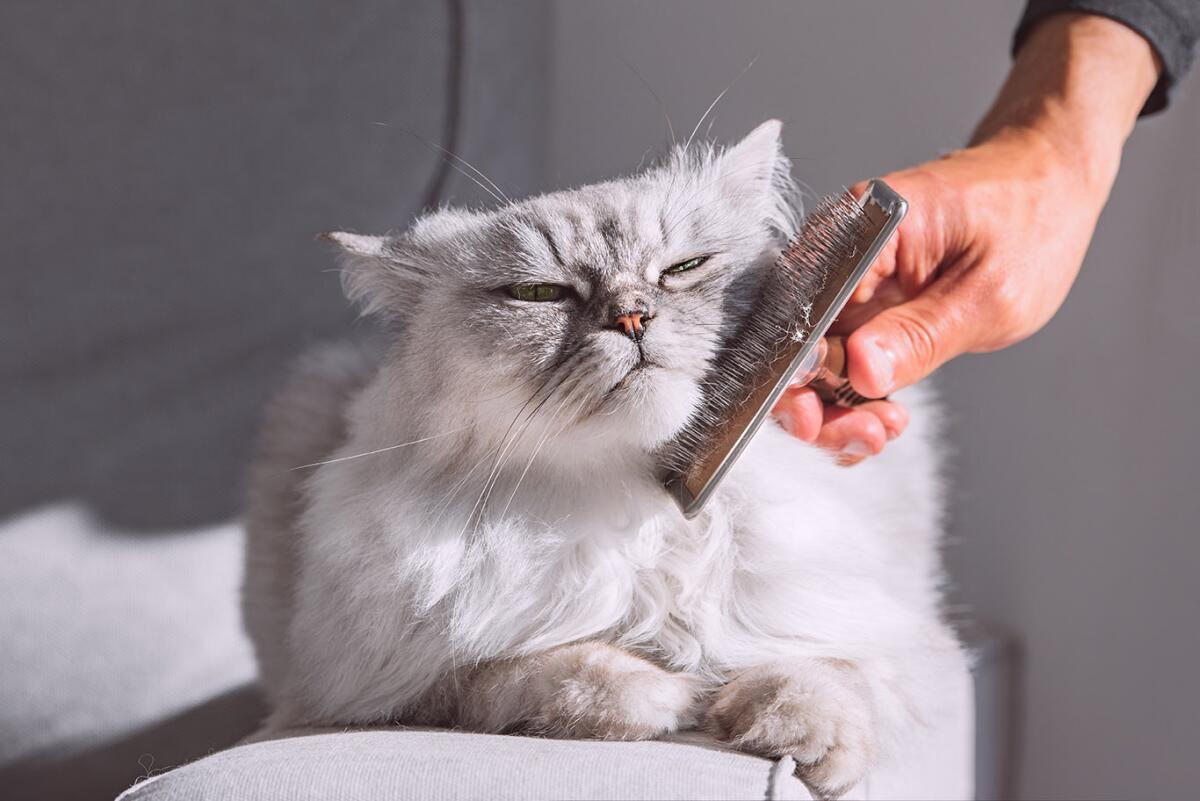
Regular brushing removes loose hair and prevents mats. Use gentle shampoos suited for cats. Check your cat’s skin for redness or dryness.
- Brush daily or weekly
- Use hypoallergenic products
- Keep the coat clean and healthy
Healthy skin reduces the urge to over-groom.
Medications And Therapies
Sometimes, medications help control itching and anxiety. Your vet may prescribe antihistamines, steroids, or anti-anxiety drugs. Follow dosage instructions carefully.
Behavioral therapies might include training or environmental changes. These support long-term improvement.
Preventive Measures
Keeping your cat’s environment calm and clean helps reduce stress that causes excessive grooming. Regular vet visits can catch health issues early. Providing toys and attention keeps your cat happy and distracted from over-grooming.
Excessive cat grooming can be a perplexing issue for many cat owners. It’s vital to address this behavior promptly to ensure your feline friend remains healthy and content. Implementing effective preventive measures can make a significant difference. These strategies not only help reduce the frequency of over-grooming but also promote overall well-being. Let’s explore these preventive measures to help your cat lead a happier life.Regular Vet Checkups
Routine vet visits are crucial. They can help detect underlying health problems that might cause excessive grooming. Regular checkups ensure your cat remains in peak condition, both physically and mentally. It’s advisable to schedule visits at least once a year. However, if you notice any unusual behavior, don’t hesitate to book an appointment sooner. Trust your instincts as a pet owner.Balanced Diet And Nutrition
What your cat eats plays a pivotal role in its health. A well-balanced diet can prevent skin issues that lead to over-grooming. Consult your vet about the best nutrition plan for your feline. Remember, every cat is unique. What works for one might not work for another, so it’s essential to tailor the diet to your cat’s specific needs. A healthy diet supports a shiny coat and reduces the urge to over-groom.Parasite Control
Parasites like fleas and ticks can cause discomfort, leading to excessive grooming. Regularly check your cat for any signs of parasites. Use vet-recommended treatments to keep these pesky invaders at bay. Maintaining a parasite-free environment is vital. Ensure your home is clean and treat your cat with preventive measures to avoid any infestations. Your vigilance can save your cat from unnecessary stress.Safe And Stimulating Environment
Cats need mental and physical stimulation. A lack of it can lead to boredom, resulting in over-grooming as a coping mechanism. Create a safe and engaging environment for your cat. Incorporate toys, scratching posts, and interactive games. This not only keeps them active but also reduces stress and anxiety. A happy, stimulated cat is less likely to engage in excessive grooming. Taking these preventive measures seriously can make a world of difference for your cat. Are you ready to make these changes for your feline friend? Implementing these strategies will help your cat lead a healthier, happier life.Frequently Asked Questions
What Causes Excessive Cat Grooming Behavior?
Excessive cat grooming often results from stress, allergies, skin infections, or parasites. Cats may also groom excessively due to boredom or anxiety. Identifying the cause is key to proper treatment and prevention.
How Can I Tell If Grooming Is Excessive?
Look for bald patches, skin redness, or sores on your cat. Excessive grooming is when cats lick or chew themselves more than usual. This behavior can lead to skin damage and discomfort.
Can Excessive Grooming Harm My Cat’s Health?
Yes, excessive grooming can cause skin infections, hair loss, and open wounds. It may also lead to secondary infections if untreated. Early intervention helps prevent serious health issues.
What Treatments Help Reduce Excessive Grooming In Cats?
Treatment depends on the cause, such as medications for allergies or parasites. Behavioral therapy and environmental enrichment can reduce stress-related grooming. Always consult a vet for an accurate diagnosis and effective plan.
Conclusion
Excessive cat grooming can harm your pet’s health and happiness. It often signals stress, allergies, or skin problems. Early care helps prevent serious issues. Watch your cat’s behavior and fur closely. Speak with a vet if grooming seems unusual. A happy cat means a healthy cat.
Taking action early keeps your cat comfortable and safe. Understanding this behavior helps you care better for your feline friend.

Leave a Reply