Grooming a long-haired cat can be tricky, but it doesn’t have to be stressful for you or your furry friend. If you’ve ever struggled with tangled fur, mats, or shedding, this guide is made just for you.
Imagine having a simple, step-by-step video that shows you exactly how to keep your cat’s coat healthy and beautiful. You’ll learn easy tips and tricks that save time and make grooming a calm, enjoyable experience for both of you. Ready to discover the secrets to perfect long-haired cat care?
Keep reading and watch the video to transform your grooming routine today!
Choosing The Right Tools
Choosing the right tools makes grooming long-haired cats easier and safer. Good tools help remove tangles and keep fur clean. They protect your cat’s skin and reduce stress during grooming. Picking the right brushes, scissors, and sprays ensures a smooth grooming session.
Brushes And Combs
Soft bristle brushes work well for gentle grooming. They remove loose hair without hurting your cat. Wide-tooth combs help detangle thick fur without pulling. Fine-tooth combs catch small mats and dirt. Choose brushes and combs made for long-haired cats.
Clippers And Scissors
Use clippers to trim thick or matted fur safely. Choose quiet, low-vibration clippers to avoid scaring your cat. Rounded-tip scissors help cut near sensitive areas like paws and face. Keep scissors sharp for clean cuts and avoid pulling hair.
Detanglers And Grooming Sprays
Detangling sprays soften knots and mats for easier brushing. Use natural, pet-safe sprays to protect your cat’s skin. Grooming sprays add shine and reduce static in fur. Always test sprays on a small area to avoid reactions.
Preparing Your Cat
Preparing your long-haired cat for grooming is key to a smooth session. Cats can be sensitive, so easing them into the process helps reduce stress. Taking time before grooming creates a positive experience for both of you.
Creating A Calm Environment
Choose a quiet, comfortable space free from loud noises. Soft lighting helps your cat relax. Avoid sudden movements or loud sounds that might scare your cat. Play gentle music or use calming sprays if needed.
Getting Your Cat Comfortable
Spend a few minutes petting your cat to build trust. Let your cat sniff and explore the grooming tools. Use a calm, soft voice to reassure your cat. Watch for signs of stress and pause if your cat seems anxious.
Gathering Supplies
Prepare all needed tools before you start grooming. Essential items include:
- A wide-tooth comb for detangling
- A soft brush for smooth strokes
- Scissors for trimming mats
- Towels to keep your cat steady
- Styptic powder for small cuts
Having everything ready prevents interruptions and keeps your cat calm.
Brushing Techniques
Brushing long-haired cats needs care and patience. It helps keep their coat clean and shiny. Good brushing stops fur mats and tangles. Using the right techniques makes grooming easier and more pleasant for your cat.
Removing Tangles And Mats
Start by checking for tangles and mats gently. Use a wide-toothed comb to loosen knots slowly. Hold the fur close to the skin to avoid pulling. Work on small sections at a time. If a mat is tight, use scissors carefully to cut it out. Always be gentle to keep your cat calm.
Brushing With The Fur Grain
Brush in the direction the fur grows. This reduces discomfort and avoids damage to the coat. Use long, smooth strokes. Repeat strokes until the fur feels soft and smooth. Change to a finer brush for delicate areas. Regular brushing keeps the coat healthy and shiny.
Handling Sensitive Areas
Some areas need extra care, like under the legs and belly. Brush these spots slowly and gently. Use soft brushes or your fingers for sensitive skin. Watch your cat’s reactions and stop if they seem upset. Patience helps build trust and makes grooming easier over time.
Bathing Long Haired Cats
Bathing long haired cats can keep their coats clean and healthy. It also helps remove dirt and loose hair. Regular grooming reduces mats and tangles. Bathing might seem hard, but it can be gentle and calm with the right approach. Preparing well makes the process easier for both you and your cat.
When To Bathe
Bathing is not needed often for most cats. Only bathe your cat if:
- The coat is very dirty or greasy.
- Your cat has fleas or other skin issues.
- There is a strong odor from the fur.
- Your vet recommends a bath for health reasons.
Too many baths can dry out your cat’s skin. Usually, once every few months is enough.
Using Cat-friendly Shampoo
Use shampoo made specifically for cats. Human or dog shampoos can harm their skin. Look for products that say “cat safe.”
- Choose gentle formulas without strong scents.
- Check for ingredients that help with skin and coat health.
- Avoid shampoos with harsh chemicals or alcohol.
Test a small amount first to check for any allergic reaction.
Drying Tips
Dry your cat gently after the bath. Use a soft towel to absorb water. Pat the fur instead of rubbing.
- Keep your cat in a warm room until fully dry.
- You can use a low heat hair dryer if your cat allows it.
- Brush the fur while drying to prevent mats.
- Never leave your cat wet and cold.
Trimming And Clipping
Grooming long-haired cats can be a challenge. A helpful video shows easy techniques for trimming and clipping. Regular grooming keeps your cat’s coat healthy and reduces shedding.
Trimming and clipping long-haired cats require patience and care. It’s essential for maintaining their coat’s health and cleanliness. Proper grooming can prevent matting and tangles, keeping your feline friend comfortable and looking their best.Safe Areas To Trim
Start with the areas that need regular attention. These include the belly, behind the ears, and under the legs. Use a pair of scissors designed for pets. Ensure they have rounded tips to avoid accidents. Always trim slowly and in small sections. This helps in preventing any unintended cuts or nicks. Be gentle around sensitive areas.Avoiding Common Mistakes
Don’t rush the grooming process. Speed can lead to uneven cuts or injury. Never pull on the fur while trimming. This can cause pain and distress to your cat. Use the right tools like grooming scissors and clippers designed for pets. Avoid using human scissors as they may not be safe for your cat’s skin. Keep your grooming sessions short to avoid stress for your cat.Professional Grooming Options
Consider professional groomers for your long-haired cat. They have expertise and the right tools to handle complex grooming tasks. Professional groomers can also advise on maintaining your cat’s coat between visits. Many groomers offer mobile services, providing convenience. This can be less stressful for your cat as they stay in familiar surroundings.Maintaining Healthy Fur
Maintaining healthy fur is key for long-haired cats. Their thick coats need extra care to stay soft and shiny. Proper care helps prevent mats, tangles, and skin problems. It also keeps your cat comfortable and happy. A few simple habits can make a big difference in fur health.
Diet And Nutrition
A balanced diet supports strong, glossy fur. Include foods rich in omega-3 and omega-6 fatty acids. These nutrients reduce dryness and flaking. Proteins help build healthy hair fibers. Fresh water intake also keeps skin hydrated. Avoid low-quality foods with fillers and artificial additives.
Regular Grooming Schedule
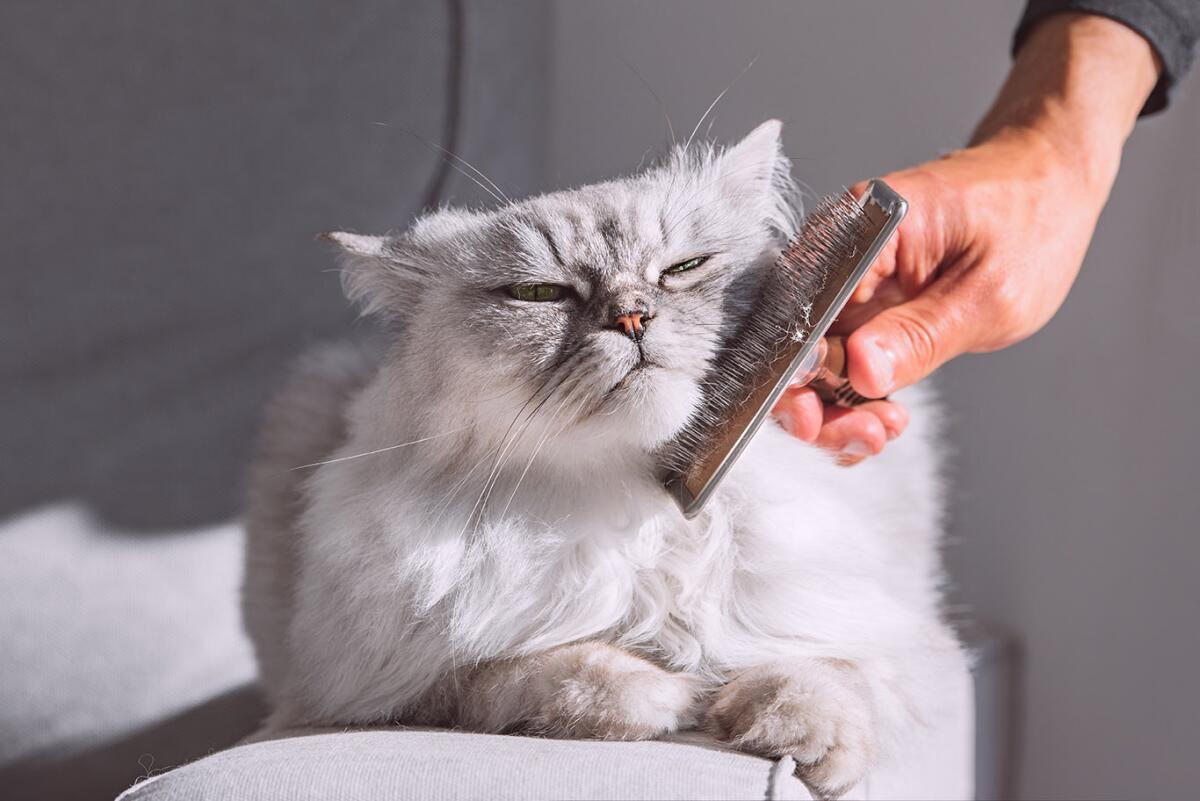
Consistent brushing removes loose fur and prevents mats. Use a wide-toothed comb or slicker brush. Groom at least three times a week, more during shedding season. Brushing spreads natural oils across the coat. It improves circulation and helps hair grow evenly. Start with short sessions to keep your cat calm.
Checking For Skin Issues
Look for redness, bumps, or bald patches during grooming. These signs may indicate allergies or infections. Fleas and ticks also hide under thick fur. Early detection prevents serious health problems. Consult a vet if you notice persistent skin issues. Regular checks keep your cat’s skin and coat in top shape.
Troubleshooting Grooming Challenges
Grooming long-haired cats can be tricky. Some cats show signs of stress or discomfort. Others may resist or become aggressive. Understanding these challenges helps keep grooming safe and calm.
Addressing issues early makes grooming easier. It also builds trust between you and your cat. Here are common grooming problems and simple ways to handle them.
Dealing With Aggression
Aggression during grooming often means fear or pain. Watch your cat’s body language closely.
- Speak softly and move slowly.
- Take breaks if your cat gets upset.
- Use gentle tools designed for sensitive skin.
- Try grooming after playtime to reduce energy.
Patience is key. Never force grooming. Reward calm behavior with treats or praise.
Managing Hairballs
Long hair means more hairballs. Regular brushing removes loose fur before your cat swallows it.
- Brush daily to reduce shedding.
- Use a fine-toothed comb to catch hidden knots.
- Provide hairball remedies or special diets if needed.
- Keep your cat hydrated to help digestion.
Consistent grooming lowers hairball problems and keeps your cat comfortable.
Handling Resistance
Resistance can feel frustrating. Stay calm and use small steps.
- Start grooming with short sessions.
- Let your cat sniff and explore grooming tools first.
- Groom in a quiet, comfortable space free from distractions.
- Use treats to create positive associations.
Slow progress builds trust. Over time, your cat may even enjoy grooming.
Frequently Asked Questions
How Often Should I Groom A Long-haired Cat?
Long-haired cats need grooming daily or at least 3-4 times a week. This prevents mats, tangles, and hairballs. Regular grooming also helps monitor skin health and reduces shedding around the house. Consistency is key for a healthy, comfortable cat.
What Tools Are Best For Grooming Long-haired Cats?
Use a wide-toothed comb, slicker brush, and grooming scissors. These tools help detangle fur without hurting the cat. A de-matting comb is useful for stubborn knots. Always choose tools designed for long-haired pets to ensure gentle grooming.
How Can I Prevent Mats In Long Cat Fur?
Brush your cat’s fur daily to prevent mats and tangles. Focus on areas like behind ears, under legs, and around the neck. Regular grooming removes loose hair and dirt. Keeping fur clean and brushed reduces painful mat formation.
Is Bathing Necessary For Long-haired Cats?
Bathing is not always necessary but can help with dirt and oil buildup. Use cat-friendly shampoo and warm water. Bathing every few months or when the cat is dirty is sufficient. Always dry the cat thoroughly to avoid chills.
Conclusion
Grooming long-haired cats keeps their coats healthy and clean. Regular brushing prevents mats and reduces shedding. It also helps you check for skin problems early. A calm approach makes grooming easier for both you and your cat. Watch the video again to learn the best steps.
Practice often, and your cat will enjoy grooming time more. Caring for your cat’s fur is a simple way to show love. Start today and keep your furry friend happy and comfortable.

Leave a Reply