Grooming a hostile cat can feel like a daunting challenge. You want your furry friend to look and feel their best, but their aggressive behavior makes simple brushing or nail trimming seem impossible.
What if there was a way to calm your cat and make grooming easier for both of you? You’ll discover practical, easy-to-follow steps that will help you handle your cat’s hostility and turn grooming time into a more peaceful experience.
Keep reading, and you’ll learn how to build trust, reduce stress, and care for your cat without the scratches and hiss.
Preparing For Grooming
Grooming a hostile cat can be a challenging task, but preparing properly makes the process smoother for both of you. Getting ready means more than just having the right brushes—it’s about creating a space and routine that your cat can tolerate, or even begin to enjoy. This preparation helps reduce stress and builds trust, which is essential when dealing with a cat that’s resistant to grooming.
Choosing The Right Tools
Not all grooming tools work well for every cat, especially those that are hostile. You want tools that are gentle yet effective, such as a soft-bristled brush or a rubber grooming glove. Avoid metal combs or brushes with sharp bristles, as they can hurt your cat and increase resistance.
Keep a variety of tools handy to see what your cat tolerates best. For example, some cats prefer a glove that mimics petting over a brush. Have treats nearby to reward calm behavior, turning grooming into a more positive experience.
Setting A Calm Environment
The environment plays a huge role in how your cat reacts. Choose a quiet, comfortable room with minimal distractions. Low lighting and soft background noise, like gentle music or white noise, can help soothe your cat’s nerves.
Think about your own mood, too. Cats pick up on tension. Speak softly and move slowly. Have everything ready before you start so the session isn’t interrupted, which could increase anxiety.
Timing Your Sessions
Timing can make or break grooming a hostile cat. Catch your cat when it’s naturally calm, such as after a meal or a nap. Avoid times when your cat is energetic or agitated.
Keep sessions short—just a few minutes—and stop before your cat gets upset. Gradually increase the duration over time. Would you want to sit through a long, uncomfortable task? Your cat feels the same way.
Reading Cat Body Language
Understanding your cat’s body language is essential before you even pick up a brush. Cats communicate their feelings clearly through their posture, tail movements, and facial expressions. If you can read these signals well, grooming a hostile cat becomes less stressful for both of you.
Signs Of Stress And Agitation
Look closely at your cat’s ears—they might flatten or turn sideways when your cat feels threatened. A twitching tail or rapid flicking can mean irritation or impatience. Dilated pupils often signal fear or stress, while a tense body or crouched position shows discomfort.
Pay attention to vocal sounds too. Growling, hissing, or low-pitched meows are clear warnings. Even subtle signs like licking lips or yawning can mean your cat is uneasy. Recognizing these early signs helps you avoid pushing your cat beyond their comfort zone.
When To Pause Or Stop
Notice how your cat reacts during grooming. If you see any signs of aggression or stress, it’s time to pause. Trying to continue when your cat is clearly upset can make the situation worse and damage trust.
Sometimes, stepping away and giving your cat a break helps calm them down. You might try a different approach later or use treats to create a positive association. Remember, patience is key—forcing grooming can lead to long-term resistance.
Have you ever noticed a small change in your cat’s body language that saved you from a scratch or bite? Learning to read these signals can turn grooming from a battle into a bonding moment.
Techniques For Handling Hostile Cats
Handling a hostile cat during grooming requires patience and specific techniques to keep both you and your feline friend safe. Understanding the right way to manage their resistance can turn a stressful experience into a manageable routine. Here are some effective approaches to help you handle even the most uncooperative cats.
Gentle Restraint Methods
Using gentle restraint helps prevent sudden movements without causing your cat distress. Wrapping your cat in a soft towel, leaving only the area you need to groom exposed, can calm them and reduce scratching or biting.
Try to support their body firmly but softly, avoiding tight grips that increase anxiety. Have a helper hold your cat if possible; this can make the process smoother and safer for both of you.
Using Treats And Positive Reinforcement
Reward your cat with treats or praise during and after grooming to build positive associations. Even hostile cats respond well when they see grooming as a pathway to tasty rewards.
Keep treats small and use them frequently to maintain their interest. This approach encourages your cat to stay calm and may reduce aggressive reactions over time.
Slow And Steady Approach
Rushing the grooming process often leads to increased hostility. Break grooming into short sessions, allowing your cat to relax in between.
Focus on one area at a time and watch for signs of stress. Gradually, your cat will become more comfortable, and you can increase the length of each session.
Grooming Steps To Minimize Stress
Grooming a hostile cat can feel like walking on eggshells. The key is to reduce stress at every step, making the experience less threatening and more manageable for both of you. You want your cat to feel safe, so patience and gentle techniques are essential throughout the process.
Brushing Without Resistance
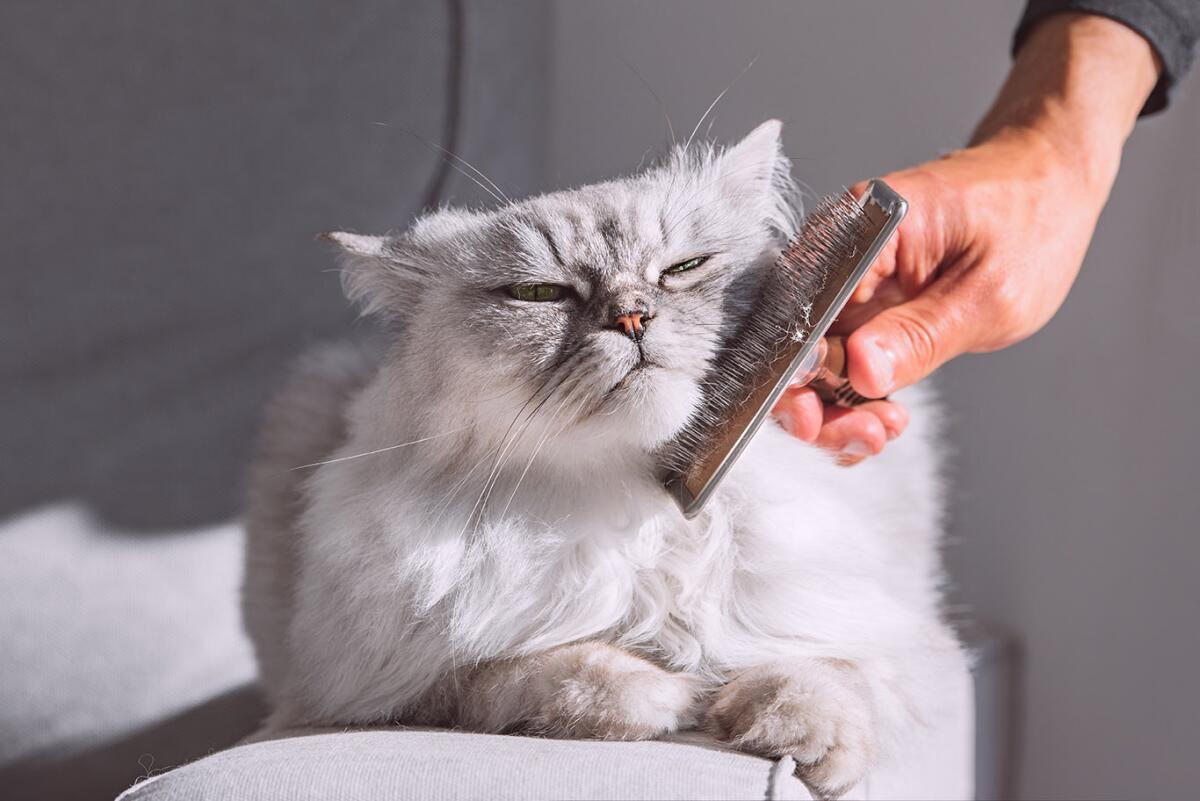
Start by choosing a brush that suits your cat’s fur type—soft bristles for short hair, and slicker brushes for longer coats. Let your cat sniff and touch the brush first to build curiosity and reduce fear.
Brush in short, gentle strokes, focusing on calm areas like the back rather than sensitive spots. If your cat tenses or tries to escape, pause and offer a treat or a soothing voice to create a positive association.
Could breaking the session into just a few seconds multiple times a day work better than one long session? Many cats respond well to brief, frequent grooming.
Cleaning Ears And Eyes Safely
Use a soft, damp cotton ball or a cloth to clean your cat’s ears and eyes gently. Never insert anything deep into the ear canal; just wipe the outer parts carefully.
Keep your movements slow and predictable. If your cat pulls away, don’t force it—try again later after some calming petting or play.
Have you noticed how some cats are more tolerant when you clean their eyes first before the ears? Testing the order can help you find what works best for your cat.
Nail Trimming Tips
Choose a quiet time when your cat is relaxed or sleepy. Hold the paw gently but firmly, and press the pad to extend the claws.
Trim only the sharp tips, avoiding the pink quick to prevent pain and bleeding. Use sharp, cat-specific clippers to make a clean cut.
Try trimming one or two nails at a time to avoid overwhelming your cat. Reward your cat with treats or praise after each nail to encourage cooperation next time.
Calming Aids And Products
Calming aids help reduce stress in hostile cats during grooming sessions. Products like sprays, diffusers, and treats can make your cat feel safer and calmer. Using these aids gently can improve the grooming experience for both you and your cat.
Calming a hostile cat during grooming can seem like a daunting task. However, with the right aids and products, you can transform this experience into a more manageable process. The key lies in understanding and utilizing calming aids specifically designed for anxious cats. These products are not just about restraint but about creating a serene environment for your feline friend.Pheromone Sprays And Diffusers
Pheromone sprays and diffusers can work wonders by mimicking the natural chemicals cats use to communicate. These products can help reduce stress and anxiety. Try using a pheromone diffuser in the room where you plan to groom your cat. You might notice a difference in their behavior, as they begin to feel more at ease.Calming Supplements
Calming supplements can be an effective way to soothe a nervous cat. These are often available in the form of treats or liquid drops. Ingredients like L-theanine and chamomile are known for their calming effects. Administering these supplements prior to grooming can help ensure a smoother experience.Comforting Accessories
Comforting accessories, like a snug fitting cat vest, can provide a sense of security. These are designed to apply gentle pressure, similar to a hug, which can be incredibly soothing. Additionally, soft blankets or favorite toys can also serve as comfort items. Incorporating these accessories can make the grooming session less intimidating for your cat. Have you tried any of these calming aids with your cat? They might just be the secret to a more peaceful grooming routine.When To Seek Professional Help
Grooming a hostile cat can be stressful for both you and your pet. Sometimes, the cat’s behavior might become too dangerous or difficult to manage. Knowing when to seek professional help protects your cat and keeps you safe. Professionals have the right tools and skills to handle difficult cats calmly and effectively. Recognizing the warning signs and finding the right groomer is key.
Signs Grooming Is Too Risky
- The cat hisses, bites, or scratches violently.
- Your cat shows extreme fear or panic during grooming.
- You cannot control the cat despite using calm techniques.
- Grooming causes physical injury to you or the cat.
- The cat has thick mats that you cannot remove safely.
- There are wounds or skin issues that need expert care.
When these signs appear, stop grooming immediately. Trying to force the process can worsen the situation. It is safer to let professionals handle grooming in these cases.
Finding A Cat-friendly Groomer
- Look for groomers with experience in handling hostile cats.
- Check reviews and ask for recommendations from vets or shelters.
- Choose groomers who use gentle, cat-specific grooming methods.
- Confirm they have safe facilities and proper equipment.
- Ask about their approach to stressed or aggressive cats.
- Make sure they offer a calm, quiet environment.
A good groomer will reduce your cat’s stress. They know how to keep grooming safe and pleasant. Trusting a professional can improve your cat’s grooming routine and health.
Frequently Asked Questions
How Can I Calm A Hostile Cat Before Grooming?
Use gentle, slow movements and speak softly to calm a hostile cat. Offer treats and create a safe environment. Avoid sudden actions that might startle your cat during grooming sessions.
What Tools Are Best For Grooming Aggressive Cats?
Use a soft-bristled brush and a grooming glove for hostile cats. These tools reduce discomfort and help control shedding gently without causing stress.
How Often Should I Groom A Hostile Cat?
Groom hostile cats 1-2 times weekly to build trust and maintain fur health. Frequent grooming helps reduce matting and makes sessions shorter and less stressful.
Can I Groom A Hostile Cat Alone Safely?
Yes, but use protective gloves and a calm approach. If the cat is too aggressive, seek professional groomers or veterinarians for safe handling.
Conclusion
Grooming a hostile cat takes patience and care. Small steps help build trust slowly. Use gentle touches and calm tones to keep your cat relaxed. Take breaks if your cat feels stressed. Over time, grooming will become easier for both of you.
Stay calm and consistent to see good results. Remember, every cat is different and needs its own pace. Keep trying, and your cat will feel safer during grooming sessions. This effort creates a stronger bond between you and your cat.

Leave a Reply