If you have a chinchilla cat, you know how special their soft, shimmering coat is. But keeping that beautiful fur looking its best takes some care.
You might wonder how to groom your chinchilla cat without causing stress or damaging their delicate fur. This guide will show you simple, effective steps to make grooming easy and enjoyable for both you and your furry friend. By the end, you’ll feel confident in giving your chinchilla cat the gentle care they deserve.
Keep reading to discover the secrets to perfect grooming!
Chinchilla Cat Basics
The Chinchilla cat is a unique breed known for its elegant look and soft coat. Understanding the basics helps in proper grooming and care. This breed has distinct traits that set it apart from others.
Breed Characteristics
Chinchilla cats are medium-sized with a graceful build. They have large, expressive eyes that often shine green or blue-green. Their temperament is gentle and calm, making them great companions. These cats enjoy quiet environments and gentle handling. They are intelligent and curious but not overly active.
Fur Texture And Color
The fur of a Chinchilla cat is dense and plush. It feels soft like velvet to the touch. This breed’s coat is longer than most short-haired cats but shorter than long-haired breeds. The color is usually a sparkling silver or white base with black tipping. This gives the fur a shimmering, almost glowing look. Regular brushing keeps the coat smooth and free of tangles.
Essential Grooming Tools
Grooming your Chinchilla Cat requires the right set of tools to keep its luxurious fur in top shape. Having these essentials makes the process smoother for both you and your pet. You’ll find that using the correct brushes and combs not only improves your cat’s coat but also strengthens your bond.
Brush Types
Choosing the right brush is crucial. A slicker brush is great for removing loose fur and preventing mats without hurting your cat’s sensitive skin. You might also want to try a bristle brush for a gentle finish that adds shine to your cat’s coat.
Have you noticed your cat’s fur getting tangled more often? A pin brush with rounded tips can reach through dense fur layers without pulling. It’s perfect for the thick, soft coat of a Chinchilla Cat, making grooming less of a chore.
Combs And Accessories
Combs help with the finer details. A wide-tooth comb is excellent for detangling knots and smoothing out the coat after brushing. Meanwhile, a fine-tooth comb can catch small debris and check for any skin issues.
Don’t forget other handy accessories like grooming gloves or a dematting tool if your cat’s fur tends to clump. These tools make grooming safer and more comfortable for your pet. Have you tried using a grooming glove? Many cat owners find it’s a gentle way to remove loose hairs while petting their cat.
Brushing Techniques
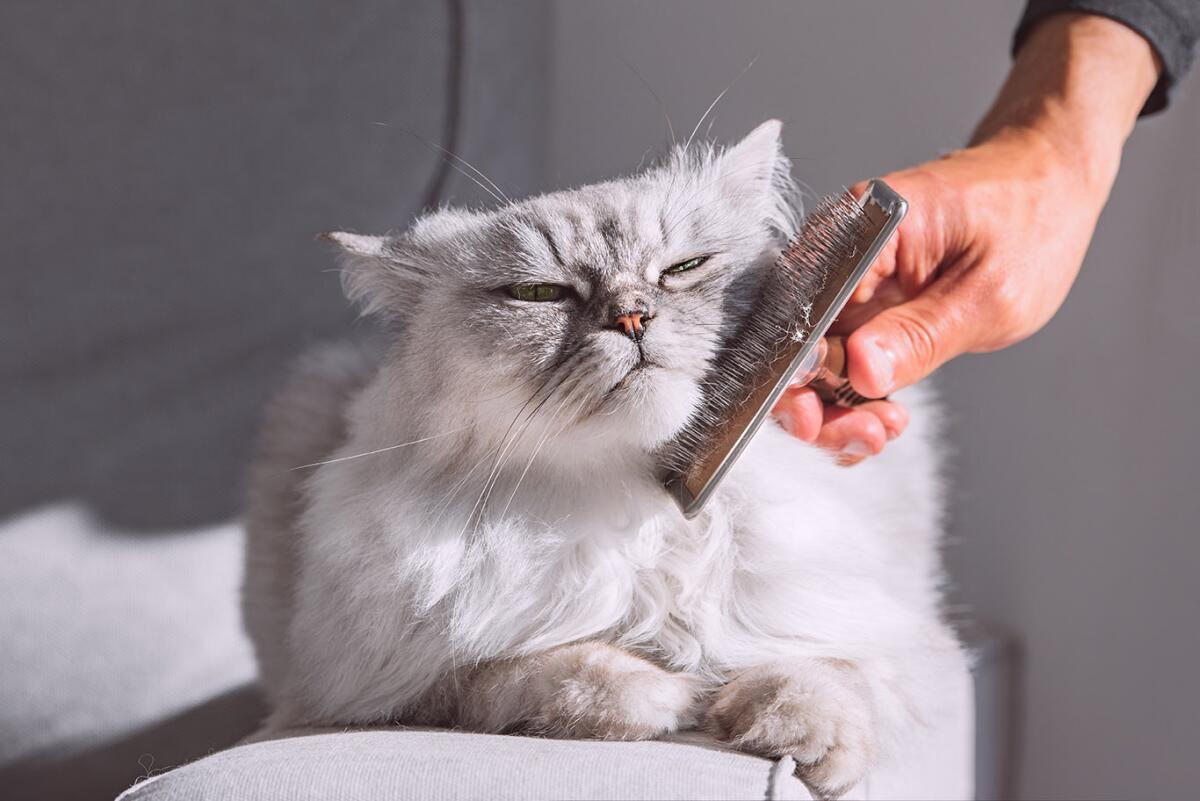
Brushing a Chinchilla cat is essential for keeping its coat healthy and shiny. Regular brushing removes loose hair and prevents mats. It also helps to reduce shedding and keeps your pet comfortable. Using the right technique makes brushing easy and stress-free for your cat.
Frequency And Timing
Brush your Chinchilla cat at least twice a week. More often during shedding season is best. Choose a calm time when your cat feels relaxed. After a nap or a meal works well. Keep sessions short to hold your cat’s attention.
Step-by-step Brushing
- Start by gently petting your cat to calm it.
- Use a soft-bristle brush or a wide-tooth comb.
- Brush in the direction of hair growth to avoid pulling.
- Begin with the head, moving to the back and sides.
- Be gentle around sensitive areas like the belly and tail.
- Check for any mats or tangles and carefully work them out.
- Use your fingers to loosen stubborn mats if needed.
- Reward your cat with praise or a small treat after brushing.
Bathing Tips
Bathing a Chinchilla Cat needs care and attention. Their thick fur can trap moisture, so bathing is rare. Proper bathing keeps the coat clean without causing stress or skin problems. Use gentle methods and good timing for the best results.
When To Bathe
Chinchilla Cats do not need regular baths. Their fur cleans itself naturally. Bathe only if the cat gets very dirty or has a skin issue. Avoid bathing after every grooming session. Too much water can harm their fur and skin.
Watch for signs like dirt buildup or a bad smell. Bathing is best during warm weather to prevent chills. Always check your cat’s comfort before starting.
Safe Bathing Practices
- Use lukewarm water, not hot or cold.
- Choose a mild, cat-safe shampoo.
- Wet the fur gently without soaking the head.
- Massage shampoo softly into the coat.
- Rinse thoroughly to remove all soap.
- Dry with a soft towel and keep the cat warm.
- Never use human shampoo or harsh chemicals.
- Keep the bathing area calm and quiet.
- Use a non-slip mat to prevent slipping.
Handle your Chinchilla Cat gently to avoid stress. Bathing should be a calm and safe experience for your pet.
Dealing With Fur Mats
Fur mats can cause discomfort and skin problems for chinchilla cats. Gently use a wide-tooth comb to loosen mats before brushing. Regular grooming helps keep their coat soft and tangle-free.
Dealing with fur mats in your Chinchilla cat can be a daunting task. These mats not only look unsightly but can also cause discomfort to your furry friend. By understanding how to identify and gently remove them, you can keep your cat’s coat healthy and beautiful.Identifying Mats
Mats are clumps of tangled fur that can be found close to the skin. They often form in areas where there is friction, like behind the ears, under the legs, or along the back. Regularly run your fingers through your cat’s fur to feel for any dense or bumpy patches. Recognizing mats early is crucial. If left unchecked, they can tighten and pull on the skin, causing pain or even skin infections. Pay extra attention to areas that your cat cannot easily groom by themselves.Gentle Removal Methods
Removing mats requires patience and care. Start by holding the mat at the base to minimize pulling on your cat’s skin. Use a mat splitter or a wide-toothed comb to gently tease the mat apart. If the mat is too tight, consider using scissors with rounded tips to carefully cut it out, ensuring you don’t cut your cat’s skin. Always reassure your cat with soothing words and gentle strokes during the process. Preventing mats can be easier than dealing with them. Regular brushing, at least once a week, helps prevent tangles from forming. This not only keeps your cat’s coat smooth but also strengthens your bond with them. Have you found any effective techniques to handle fur mats in your Chinchilla cat? Sharing your experience might just help a fellow cat owner!Nail And Ear Care
Nail and ear care are vital for your Chinchilla Cat’s health. These tasks keep your pet comfortable and prevent infections. Regular attention helps avoid pain and other problems.
Grooming nails and ears requires gentle handling. Your cat’s nails grow fast and can cause scratches. Dirt and wax can build up in ears, causing discomfort. Simple care routines maintain cleanliness and health.
Trimming Nails Safely
Use a sharp, small pet nail clipper. Hold your cat’s paw gently but firmly. Trim only the sharp tip of each nail. Avoid cutting too close to the pink area, called the quick. Cutting the quick causes pain and bleeding.
- Check nails every two weeks
- Trim in a well-lit area
- Use a styptic powder for bleeding
- Comfort your cat with calm words
Cleaning Ears Properly
Inspect ears weekly for dirt or wax. Use a soft cloth or cotton ball dampened with ear cleaner. Wipe gently inside the ear folds. Do not insert anything deep into the ear canal. Avoid using cotton swabs to prevent damage.
- Use vet-approved ear cleaner only
- Stop if ears look red or swollen
- Keep your cat calm during cleaning
- Consult a vet if there is a strong odor
Diet And Skin Health
The diet you provide your Chinchilla Cat plays a crucial role in maintaining its skin health and overall coat appearance. A well-balanced diet supports natural oils that keep the fur soft and shiny. Neglecting this aspect can lead to dry skin, dull fur, or even skin infections.
Nutritional Needs
Your Chinchilla Cat requires a mix of proteins, fats, and essential vitamins to thrive. High-quality animal protein is vital for healthy fur growth and skin repair. Look for cat foods that list meat as the first ingredient and avoid fillers like corn or soy, which add little nutritional value.
Fatty acids, especially omega-3 and omega-6, directly impact skin hydration and coat shine. Without enough of these, your pet’s skin may become flaky or irritated. You might notice your cat scratching more or developing bald patches if these nutrients are missing.
Have you checked your cat’s food label lately? Ensuring it includes vitamins A, E, and biotin can boost skin cell regeneration and reduce inflammation. These nutrients are often overlooked but essential for a glowing coat.
Supplements For Coat Shine
If your cat’s coat looks lackluster despite a good diet, supplements can offer extra support. Fish oil capsules or liquid supplements rich in omega-3 fatty acids are popular choices that help restore shine and softness.
Adding a teaspoon of fish oil to your cat’s meal a few times a week can make a noticeable difference in their fur texture. However, always consult your vet before starting supplements to avoid overdosing.
Other supplements like flaxseed oil or evening primrose oil also improve skin elasticity and reduce dryness. These can be especially helpful during dry winter months when indoor heating dries out the air, affecting your pet’s skin.
What changes have you noticed in your cat’s coat after adjusting their diet? Sharing your experience might help others understand the link between food and fur quality better.
Common Grooming Challenges
Grooming a Chinchilla Cat often means dealing with their thick, dense fur that can mat easily. Regular brushing helps prevent knots and keeps their coat healthy and soft. Patience is key, as some cats may resist grooming at first.
Grooming a Chinchilla Cat can be a delightful bonding experience, but it also comes with its fair share of challenges. These feline beauties are known for their luxurious, fluffy coats, which require consistent care. As you dive into grooming, you might find yourself facing issues like excessive shedding or dealing with a particularly stubborn cat. Understanding these challenges can help you better care for your pet and make the grooming process smoother for both of you.Managing Shedding
Chinchilla Cats have a dense coat, which means shedding is inevitable. Regular brushing is your best ally in managing this. Aim to brush your cat at least twice a week to keep loose hair under control. Use a soft-bristled brush or a comb specifically designed for long-haired cats. This will help you gently remove loose fur without causing discomfort. Have you ever noticed your home turning into a fur-coated wonderland? Investing in a good vacuum cleaner can make post-grooming clean-up a breeze. Keeping lint rollers handy around the house can also help you quickly remove any stray hairs from furniture and clothing.Handling Stubborn Cats
Not all cats enjoy grooming, and some might resist it with all their might. If your Chinchilla Cat is particularly stubborn, patience is key. Start by creating a calm environment — a quiet room with minimal distractions works best. Introduce grooming tools gradually. Let your cat sniff and explore them before you start. This can alleviate some of their anxiety and make the process less intimidating. Consider turning grooming time into a rewarding experience. Give treats or gentle praise as positive reinforcement. Have you tried associating grooming with playtime or feeding? This can help your cat see it as a positive routine rather than a chore.When To Visit A Professional
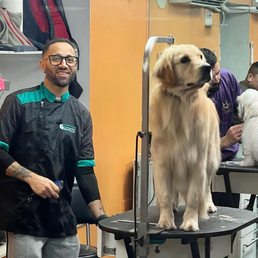
Knowing when to visit a professional groomer is important for your Chinchilla Cat’s health. Some grooming tasks need special skills and tools. A professional can handle tough mats, skin problems, and nail care safely. Regular grooming at home is great, but certain signs show that expert help is needed. This keeps your cat comfortable and looking its best.
Signs You Need Help
- Your cat’s fur is tangled or matted beyond brushing.
- Skin looks red, irritated, or has sores.
- Your cat resists grooming or shows stress signs.
- Nails are very long or curled into the paw.
- There is a strong odor from the coat or skin.
- You notice excessive shedding or bald spots.
These signs mean your cat needs careful grooming. Professionals have experience and tools to handle these issues. They can also spot health problems early.
Choosing A Groomer
- Look for groomers who work well with cats.
- Check reviews and ask for recommendations.
- Visit the salon to see how clean and calm it is.
- Ask about their experience with Chinchilla Cats.
- Make sure they use gentle products safe for cats.
- Confirm they handle emergencies and know cat behavior.
A good groomer will make your cat feel safe and cared for. Trust and comfort are key to a positive grooming experience.
Frequently Asked Questions
How Often Should I Groom A Chinchilla Cat?
Groom your Chinchilla cat once or twice weekly. Regular grooming prevents matting and keeps their coat shiny. It also helps reduce shedding and hairballs. Consistency is key for a healthy, comfortable pet.
What Tools Are Best For Grooming Chinchilla Cats?
Use a soft-bristle brush and a fine-toothed comb. These tools gently remove loose hair without irritating their delicate fur. Avoid harsh brushes that can damage their soft coat.
How To Prevent Hairballs In Chinchilla Cats?
Regular grooming removes loose fur, reducing hairballs. Feeding a high-fiber diet also helps pass hair naturally. Keep your cat hydrated and consider hairball control treats or supplements.
Can I Bathe My Chinchilla Cat?
Avoid water baths; Chinchilla cats have dense fur that traps moisture. Instead, use dry cat shampoos or grooming wipes to clean them. Bathing can stress your cat and harm their coat.
Conclusion
Grooming a Chinchilla Cat keeps its coat soft and healthy. Regular brushing removes loose fur and prevents mats. Bathing is rarely needed but helps if the cat gets dirty. Always use gentle tools made for cats. Pay attention to their comfort during grooming.
A calm cat makes grooming easier and more pleasant. Taking time to groom builds trust and strengthens your bond. Small, consistent care makes a big difference in their happiness. Keep your Chinchilla Cat clean and cared for every day. It’s simple and rewarding for both of you.

Leave a Reply