Taking care of your cat’s grooming isn’t just about keeping them looking good—it’s about their health and happiness too. You might wonder what exactly needs to be done and how often.
Knowing the right grooming steps can prevent problems like mats, bad breath, or even infections. You’ll discover simple, effective ways to keep your furry friend clean, comfortable, and feeling loved. Ready to learn how to make grooming easy and stress-free for both you and your cat?
Keep reading—you’ll want to know these essential tips!
Daily Brushing
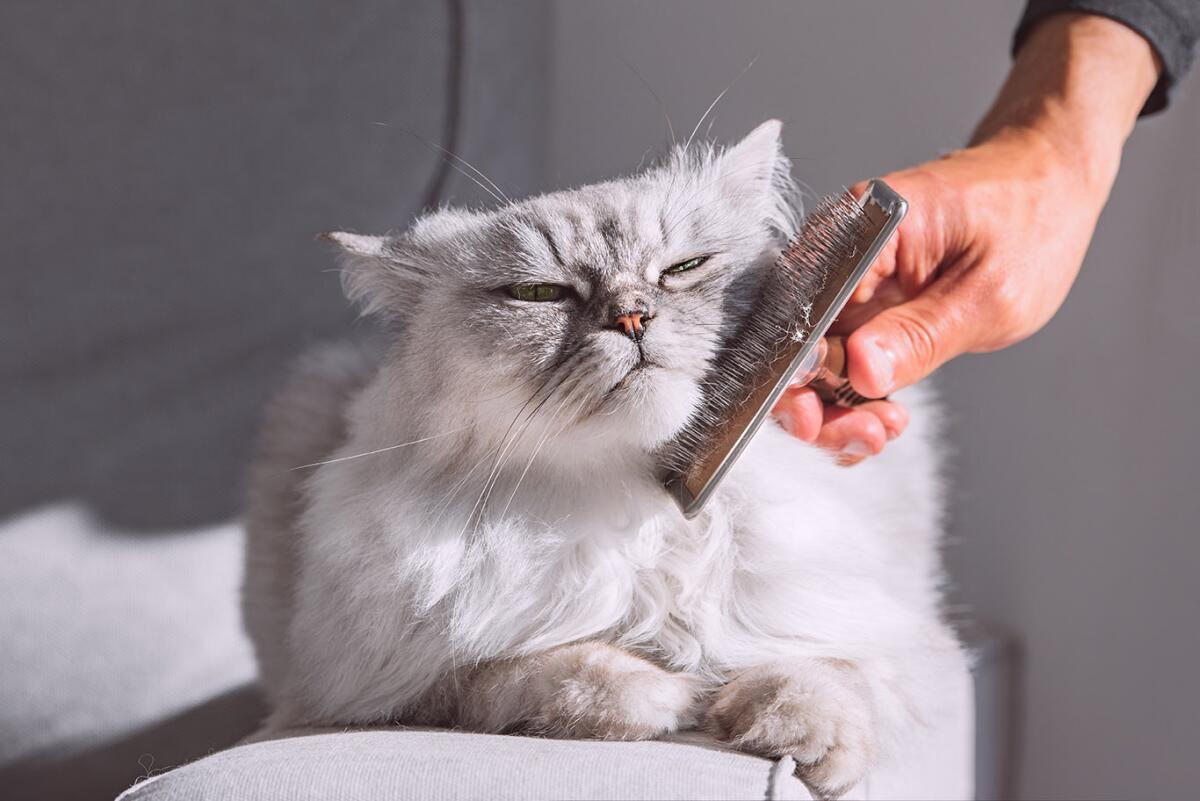
Daily brushing is a simple routine that can make a big difference in your cat’s health and happiness. It helps keep their coat clean and reduces shedding around your home. Regular grooming also strengthens the bond between you and your feline friend.
Choosing The Right Brush
Picking the right brush depends on your cat’s fur type. Short-haired cats do well with a rubber brush or a bristle brush that removes loose hair gently.
Long-haired cats need a slicker brush or a comb with wide and narrow teeth to reach through thick layers without hurting their skin.
Observe your cat’s reaction to different brushes. If they seem uncomfortable, try a softer option. Your goal is to make brushing a pleasant experience.
Brushing Techniques
Start brushing slowly, especially if your cat is not used to it. Use long, gentle strokes in the direction of hair growth.
Focus on areas where mats can form, like behind the ears and under the legs. If you find knots, gently work them out with your fingers before brushing.
Talk to your cat softly to keep them calm. If your cat resists, try shorter sessions throughout the day instead of one long session.
Benefits Of Regular Brushing
Daily brushing reduces hairballs by removing loose fur before your cat can ingest it. This lowers the risk of digestive issues.
Brushing also stimulates blood circulation and spreads natural oils, which keeps your cat’s coat shiny and healthy.
Have you noticed how your cat’s mood improves after grooming? It can relieve stress and provide much-needed attention that they crave.
Bathing Cats
Bathing cats is not a frequent task but sometimes necessary. Cats usually groom themselves well. However, certain situations call for a bath to keep them clean and healthy.
Bathing helps remove dirt, grease, or harmful substances from a cat’s fur. It also aids cats with long hair that can mat easily. Some cats may need baths for skin conditions prescribed by a vet.
When To Bathe Your Cat
- Your cat is very dirty or sticky from something harmful.
- Your cat has fleas or skin problems needing special treatment.
- Your cat has long hair that gets tangled or matted.
- Your cat cannot clean itself due to illness or age.
- You want to reduce allergens on your cat’s fur.
Safe Bathing Practices
- Use warm water, not hot or cold.
- Keep the bath area quiet and calm.
- Hold your cat gently but firmly.
- Avoid getting water in the cat’s ears and eyes.
- Rinse all shampoo thoroughly to prevent irritation.
- Dry your cat well with a soft towel.
- Stay patient and calm to reduce stress.
Products To Use
- Only use shampoos made specifically for cats.
- Never use human shampoo; it can harm their skin.
- Medicated shampoos must be vet-approved.
- Use gentle, fragrance-free formulas for sensitive skin.
- Conditioners for cats can help with long fur.
Nail Trimming
Nail trimming is a crucial part of your cat’s grooming routine. Overgrown nails can cause discomfort and even lead to injury or infections. Regular trimming keeps your cat comfortable and protects your furniture from accidental scratches.
Tools Needed
Having the right tools makes nail trimming easier and safer for both you and your cat. You’ll need:
- Cat nail clippers:These are specially designed for small, curved nails and provide better control.
- Styptic powder or pencil:To stop bleeding quickly if you accidentally cut too deep.
- Towel or blanket:To gently wrap your cat if they are squirmy or nervous.
Using human nail clippers or scissors can crush the nails or cause splits, so stick to pet-specific tools.
How To Trim Safely
Start by calming your cat and holding one paw gently but firmly. Press the pad to extend the nails, exposing the sharp tips. Look closely for the pink area called the quick—it contains nerves and blood vessels.
Trim only the white tip of the nail, avoiding the quick to prevent pain and bleeding. If your cat resists, take breaks or try trimming after a nap when they’re more relaxed. Always reward your cat with treats or gentle praise to build positive associations.
Signs Nails Need Attention
Watch out for nails that are visibly long, curling into the paw pads, or clicking on hard floors. These signs show your cat’s nails are overdue for trimming. Excessively long nails can snag on carpets or furniture and may cause infections if they break.
If your cat is scratching furniture more aggressively or seems uncomfortable walking, check their nails. Keeping an eye on these signs helps you trim nails before they become a problem.
Ear Cleaning
Ear cleaning is an important part of cat grooming. Dirty ears can cause pain and infections. Regular checks help keep your cat comfortable and healthy. Clean ears also prevent bad smells and scratching.
Identifying Ear Issues
Look for signs like redness, swelling, or discharge in your cat’s ears. Scratching or shaking the head often means irritation. A bad smell or dark debris can signal infection or mites. Notice if your cat tilts its head to one side. These signs mean it’s time to check the ears closely.
Cleaning Methods
Use a gentle ear cleaner made for cats. Avoid using cotton swabs deep inside the ear canal. Instead, apply cleaner to a soft cloth or cotton ball. Gently wipe the outer ear and visible parts of the ear canal. Let your cat shake its head to remove excess fluid. Repeat cleaning only as needed to avoid irritation.
Preventing Infections
- Keep your cat’s ears dry after baths or swimming.
- Check ears weekly for dirt or signs of infection.
- Use vet-approved cleaning products only.
- Avoid inserting objects deep into the ear canal.
- Visit the vet if you see persistent redness or discharge.
Dental Care
Dental care is vital for cats to keep their teeth and gums healthy. Poor dental hygiene can lead to pain and illness. Regular cleaning helps prevent plaque and tartar buildup. It also reduces bad breath and the risk of infections.
Brushing Cat Teeth
Brushing your cat’s teeth removes food and plaque. Use a soft-bristled toothbrush made for cats. A small amount of cat-safe toothpaste works best. Start slowly to let your cat get used to it.
- Brush gently in circular motions.
- Focus on the gum line and back teeth.
- Brush two to three times a week for best results.
Dental Treats And Toys
Dental treats and toys help clean teeth naturally. Chewing these products can reduce plaque and tartar. Choose treats designed specifically for dental health. Toys with textured surfaces also massage gums and remove debris.
- Look for products approved by veterinarians.
- Use treats as a reward, not a meal replacement.
- Offer toys regularly to encourage chewing.
Recognizing Dental Problems
Watch for signs of dental issues in your cat. Bad breath is often the first clue. Other signs include:
- Red or swollen gums
- Drooling or difficulty eating
- Loose or missing teeth
- Pawing at the mouth
Visit the vet if you notice any signs. Early care prevents serious health problems.
Eye Care
Eye care is an important part of keeping cats healthy and comfortable. Cats often have small amounts of eye discharge, which can be normal. Cleaning their eyes regularly helps prevent infections and discomfort. Watching for signs of eye problems ensures early treatment. Proper eye care supports your cat’s overall well-being.
Removing Discharge
Use a soft, damp cloth to gently wipe away eye discharge. Always wipe from the inner corner outward. Use a clean part of the cloth for each eye to avoid spreading germs. Avoid using harsh chemicals or soaps. Warm water is best to soften crusts and clean safely.
Signs Of Eye Problems
- Redness or swelling around the eyes
- Excessive tearing or discharge
- Squinting or blinking more than usual
- Cloudiness or changes in eye color
- Visible third eyelid covering part of the eye
- Scratching or rubbing the eyes frequently
When To See A Vet
Seek veterinary care if your cat shows any signs of eye problems. Sudden changes in eye appearance need prompt attention. Persistent discharge or redness can indicate infection. Pain or discomfort in the eyes requires a professional exam. Early treatment prevents serious eye damage.
Coat Health Tips
Cats are known for their beautiful, shiny coats. Maintaining their coat health requires regular grooming. Proper grooming keeps their fur clean, reduces shedding, and prevents matted fur. Here are some essential tips to help you keep your cat’s coat in top condition.
Diet And Hydration
A balanced diet is crucial for a healthy coat. Feed your cat high-quality food rich in proteins and omega-3 fatty acids. This helps in maintaining a shiny and smooth coat. Hydration is equally important. Ensure your cat has access to fresh water at all times. Adequate hydration keeps their skin moisturized and reduces shedding.
Dealing With Shedding
Shedding is a natural process. Regular brushing helps manage loose fur. Use a comb or brush suitable for your cat’s fur type. Brushing distributes natural oils, keeping the coat healthy. Aim to brush your cat at least once a week. This not only reduces shedding but also minimizes hairballs.
Handling Matted Fur
Matted fur can be uncomfortable for cats. Gently work through tangles with your fingers or a wide-toothed comb. For severe mats, consider professional grooming. Regular brushing helps prevent mats from forming. Pay extra attention to areas prone to tangling, like the belly and behind the ears.
Flea And Parasite Control
Regular brushing helps remove fleas and dirt from your cat’s fur. Bathing with flea shampoo keeps parasites away. Checking ears and claws also supports parasite control.
Cats need regular grooming to stay healthy. Flea and parasite control is crucial. These pests cause discomfort and health issues. Let’s explore how to keep them at bay.Prevention Methods
Preventing fleas and parasites starts with cleanliness. Regularly vacuum your home to remove eggs and larvae. Wash your cat’s bedding weekly in hot water. Use flea-preventive products recommended by vets. Spot-on treatments and collars work well. Keep your garden tidy. Trim grass and bushes to reduce outdoor flea habitats.Treatment Options
If fleas invade, act fast. Use vet-approved treatments. Spot-on products are easy to apply. Oral medications work from the inside. Shampoos and sprays offer quick relief. Natural remedies like diatomaceous earth can help. Consult your vet before trying new treatments. Ensure the product suits your cat’s size and age.Regular Checkups
Regular vet visits are key. They spot problems early. Your vet checks for fleas and parasites during exams. Discuss your cat’s lifestyle. Tailor prevention methods to their needs. Routine deworming keeps parasites away. Keep up with vaccinations to prevent diseases. Stay informed about new flea control options.Frequently Asked Questions
How Often Should Cats Be Groomed?
Cats should be groomed at least once a week. Long-haired cats need grooming daily. Regular grooming prevents matting and reduces shedding.
What Tools Are Best For Cat Grooming?
Use a soft brush for short-haired cats. A wide-toothed comb works well for long hair. Nail clippers and pet-safe wipes are essential too.
Can Grooming Improve My Cat’s Health?
Yes, grooming helps spot skin issues early. It reduces hairballs and improves coat shine. Regular grooming also strengthens your bond with your cat.
How Do I Safely Trim My Cat’s Nails?
Use cat-specific nail clippers and trim only the sharp tips. Avoid cutting the quick to prevent pain. Regular trimming keeps nails healthy and prevents damage.
Conclusion
Grooming keeps cats healthy and happy. Regular brushing stops mats and hairballs. Cleaning ears and trimming nails prevent infections. Bathing rarely, only when needed, helps maintain cleanliness. Pay attention to your cat’s comfort during grooming. It builds trust and reduces stress.
A well-groomed cat feels better every day. Small efforts make a big difference in their life. Keep grooming simple and gentle for best results. Your cat will thank you with love and purrs.


Leave a Reply