Your Persian cat’s beautiful, long fur is one of its most stunning features—but it also needs special care. If you want your fluffy friend to look healthy and feel comfortable, knowing how to groom your Persian cat is key.
In this guide, you’ll discover simple, effective steps to keep your cat’s coat shiny and tangle-free. Whether you’re new to Persian cats or want to improve your grooming routine, this article will help you make grooming easy and even enjoyable—for both you and your cat.
Keep reading to learn the secrets to a happy, well-groomed Persian cat.
Choosing The Right Grooming Tools
Choosing the right grooming tools is essential for your Persian cat’s care. These tools help keep the coat clean, soft, and free of mats. Selecting suitable items makes grooming easier and more comfortable for your cat.
Persian cats have long, dense fur that requires gentle and effective tools. Using the wrong brushes or combs can cause pain or damage to their coat. Proper tools protect their skin and maintain their beautiful appearance.
Brushes And Combs For Persian Cats
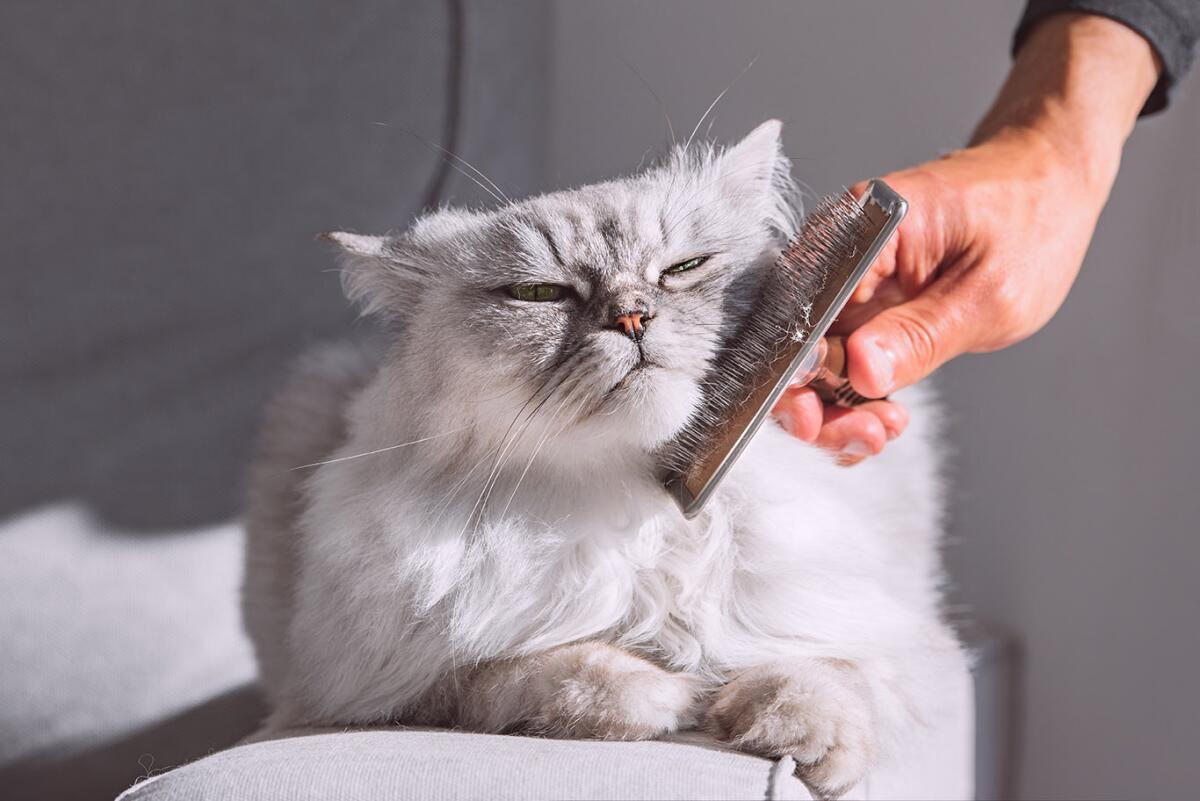
- Slicker brushes remove loose hair and prevent tangles.
- Wide-tooth combs gently detangle knots without pulling.
- Fine-tooth combs help find small mats and dirt.
- Choose soft bristles to avoid irritating sensitive skin.
Clippers And Scissors
- Use rounded-tip scissors for trimming around eyes and paws.
- Electric clippers can help with thick mats, but use with care.
- Keep blades sharp to avoid pulling or cutting the skin.
- Always handle clippers and scissors slowly and calmly.
Bathing Supplies
- Use mild cat shampoo designed for Persian coats.
- Choose a non-slip mat for your cat’s safety in the tub.
- Have soft towels ready for gentle drying.
- Use a wide spray nozzle for controlled rinsing.
Daily Grooming Routine
Daily grooming is essential for Persian cats. Their long, thick fur can easily tangle and form mats. Regular care keeps their coat soft and healthy. It also helps spot any skin problems early. A short daily routine prevents discomfort and costly grooming sessions later.
Brushing Techniques To Prevent Mats
Use a wide-toothed comb to start. Gently comb from the roots to the tips. Hold the fur close to the skin to avoid pulling. Follow with a fine-toothed comb to smooth the coat. Brush small sections at a time. Pay special attention to behind the ears and under the legs. These areas mat quickly. Brush in the direction of hair growth for comfort. Regular brushing stops mats before they form.
Checking For Tangles And Debris
Look closely for any knots or clumps. Run your fingers through the fur to feel rough spots. Remove debris like leaves or dirt carefully. Use scissors only to cut out severe mats, with caution. Check the belly and chest thoroughly. These areas collect the most dirt. Clear tangles gently to avoid skin damage. Daily checks keep your Persian cat happy and clean.
Bathing Your Persian Cat
Bathing your Persian cat is essential for keeping its coat clean and healthy. Regular baths remove dirt, oils, and loose hair. This helps prevent matting and skin problems. A calm and gentle approach makes the experience better for your cat.
Selecting The Best Shampoo
Choose a shampoo made for cats, not humans. Look for gentle, hypoallergenic formulas. Shampoos with moisturizing ingredients protect your Persian’s skin. Avoid products with strong scents or harsh chemicals. A shampoo designed for long-haired cats works best.
Step-by-step Bathing Process
- Brush your cat to remove loose hair and mats first.
- Fill a sink or tub with lukewarm water.
- Gently wet your cat’s fur, avoiding the eyes and ears.
- Apply a small amount of shampoo and lather gently.
- Rinse thoroughly to remove all soap.
- Repeat if your cat is very dirty, but avoid over-bathing.
Drying Tips For A Soft Coat
Use a soft towel to pat your Persian dry. Avoid rubbing, which can tangle the fur. A blow dryer on low, cool settings helps but keep it far from the skin. Brush the coat gently while drying to prevent mats. Make sure your cat is completely dry to avoid cold or skin issues.
Dealing With Common Coat Problems
Persian cats have thick, long coats that require special care. Their fur can develop issues like mats, shedding, and skin irritations. Handling these problems carefully keeps your cat comfortable and healthy. Regular grooming helps prevent many common coat troubles.
Removing Mats Safely
Mats form when fur tangles and knots tightly. They cause discomfort and skin problems if ignored. Use a wide-tooth comb to gently loosen mats. Hold the base of the mat close to the skin to avoid pulling. If mats are large or tight, trim them carefully with blunt scissors. Avoid cutting too close to the skin. Regular brushing prevents mats from forming.
Managing Shedding And Hairballs
Persians shed year-round, which can lead to hairballs. Brush your cat daily to remove loose fur. This reduces the amount swallowed during grooming. Feed high-quality food with fiber to help hair pass through the digestive system. Provide fresh water to keep your cat hydrated. Hairballs can cause coughing or vomiting. Watch for these signs and consult your vet if needed.
Preventing Skin Irritations
Long fur traps dirt and moisture, causing skin problems. Bathe your Persian occasionally with a cat-safe shampoo. Dry the coat completely to avoid fungal infections. Check for redness, bumps, or hair loss regularly. Use a gentle brush to stimulate skin circulation. Keep your cat’s living area clean to reduce allergens. If irritation appears, visit your vet promptly.
Maintaining Coat Health
Regular brushing keeps your Persian cat’s coat soft and free from mats. Using a gentle comb helps remove dirt and loose hair. Healthy skin reflects a well-groomed coat, so check for any irritation during grooming.
Maintaining the luscious coat of your Persian cat is more than just a cosmetic endeavor. It plays a crucial role in the overall health and happiness of your feline friend. With their long, silky fur, Persian cats require a bit more attention, but the results are rewarding and heartwarming. You might find yourself marveling at how a few simple practices can keep their coat shiny and healthy. Dive into these actionable tips to help your Persian cat flaunt its fur with pride.Nutrition For A Shiny Coat
A balanced diet is the foundation of a healthy coat. Ensure your Persian cat is getting high-quality cat food rich in omega-3 and omega-6 fatty acids. These nutrients are essential for maintaining a glossy and vibrant coat. Consider adding fish oil supplements to their diet after consulting with your vet. You’ll be amazed at the difference a nutrient-rich diet can make. Have you noticed any changes in your cat’s coat when switching foods?Hydration And Its Effects
Water is a miracle worker for your cat’s fur. Ensure your Persian cat always has access to clean, fresh water. Proper hydration supports not only their health but also helps in maintaining a soft, shiny coat. Observe your cat’s drinking habits and encourage them to drink more if needed. You might consider a cat water fountain to intrigue them into drinking more. Have you ever watched your cat play with water and then take a sip?Regular Vet Checkups
Regular visits to the vet can prevent potential health issues that could affect your cat’s coat. These checkups allow for early detection of skin conditions or allergies that might lead to a dull coat. Your vet can provide tailored advice on grooming products or dietary changes. They can also address any concerns you may have about your cat’s coat health. When was the last time you scheduled a vet appointment for your feline friend?Special Grooming Considerations
Special grooming considerations are essential to keep your Persian cat comfortable and healthy. Their long, dense coat needs more than just regular brushing. You also have to pay attention to their age, stress levels during grooming, and knowing when to ask for professional help.
Grooming Older Persian Cats
Older Persian cats may have less patience and more sensitive skin. Their joints might be stiff, so gentle handling is key. Use a soft brush and avoid pulling on mats harshly to prevent discomfort.
Shorter grooming sessions work better for senior cats. Watch for any signs of pain or irritation, and stop if your cat seems stressed. You might need to help clean areas they can’t reach, like under the tail or behind the ears.
Handling Grooming Stress
Does your Persian cat resist grooming? Stress can make the process harder for both of you. Try creating a calm environment with soft lighting and minimal noise.
- Start with brief sessions and slowly increase the time as your cat gets used to it.
- Use treats and gentle praise to make grooming a positive experience.
- If your cat struggles, take breaks instead of forcing them.
Have you noticed any triggers that increase your cat’s anxiety during grooming? Identifying them can help you adjust your approach.
When To Seek Professional Help
Sometimes grooming challenges need expert care. If mats become too tight or your cat develops skin problems, a professional groomer can help safely remove tangles.
Professional groomers also know how to handle difficult cats and may offer services like nail trimming or bathing. Don’t wait too long if grooming at home becomes stressful or ineffective.
Remember, seeking help isn’t a sign of failure—it’s a way to ensure your Persian stays healthy and happy.
Frequently Asked Questions
How Often Should I Groom My Persian Cat?
You should groom your Persian cat daily. Their long fur mats easily. Regular brushing prevents tangles and hairballs. It also keeps their coat shiny and healthy.
What Tools Are Best For Grooming Persian Cats?
Use a wide-tooth comb and a slicker brush. These tools gently remove tangles and loose fur. A metal comb helps with stubborn mats. Nail clippers and ear cleaners are also essential.
How Do I Prevent Mats In Persian Cat Fur?
Brush your Persian cat every day. Focus on areas behind ears and under legs. Regular grooming breaks up tangles early. Bathing monthly helps keep fur clean and soft. Use detangling sprays if needed.
Can I Bathe My Persian Cat At Home?
Yes, but use cat-specific shampoo. Bathe your Persian cat every 4-6 weeks. Use lukewarm water and gentle strokes. Dry thoroughly to avoid chills. Regular baths reduce oil buildup and improve coat health.
Conclusion
Grooming your Persian cat keeps its coat soft and healthy. Regular brushing stops mats and tangles early. Clean its eyes and ears gently every day. Trim nails carefully to avoid any scratches. A calm routine makes grooming easier for both.
Your cat will feel happy and cared for. Small steps lead to a shiny, beautiful coat. Enjoy the bonding time while grooming your pet. Keep these tips in mind for best results. Your Persian cat deserves regular, loving care.

Leave a Reply