If you’re a cat owner, you’ve probably wondered, “How often should I groom my cat?” Grooming isn’t just about keeping your feline friend looking good—it’s essential for their health and happiness. But how do you know when it’s time to brush, bathe, or check their fur?
Getting this right can save you from unexpected vet visits and keep your cat feeling comfortable. You’ll discover simple tips to create the perfect grooming routine tailored just for your cat. Keep reading to unlock the secrets to a happier, healthier pet.
Benefits Of Regular Grooming
Regular grooming offers many benefits for your cat’s health and happiness. It helps maintain a clean and shiny coat. Grooming also supports your cat’s overall well-being. Spending time grooming builds a strong bond between you and your pet.
Improved Coat Health
Grooming removes dirt and loose fur from your cat’s coat. It spreads natural oils that keep the fur soft and shiny. Regular brushing prevents tangles and mats, which can hurt your cat’s skin. A healthy coat means a happier cat.
Reduced Shedding
Brushing helps catch loose hair before it falls around your home. This lowers the amount of fur on your furniture and clothes. Less shedding means less cleaning for you. It also keeps your cat more comfortable.
Prevention Of Hairballs
Cats swallow fur while grooming themselves. This can cause hairballs that are hard to pass. Regular brushing reduces the amount of loose hair they swallow. It helps prevent hairballs and related stomach issues.
Early Detection Of Health Issues
Grooming gives you a chance to check your cat closely. You can spot lumps, bumps, or skin problems early. Early detection allows for quicker treatment. This keeps your cat healthier and avoids serious issues.
Factors Influencing Grooming Frequency
Knowing how often to groom your cat depends on several important factors. Each cat is unique, and understanding these elements helps you create a grooming routine tailored to your furry friend’s needs. Let’s look at what influences grooming frequency so you can keep your cat comfortable and healthy.
Breed And Coat Type
Different breeds have different grooming needs. Long-haired cats like Persians require daily brushing to prevent mats and tangles. Short-haired breeds, such as the American Shorthair, often need grooming just once a week.
Thick double coats, like those of Maine Coons, shed heavily and benefit from more frequent brushing. Cats with oily or fine fur might need less frequent grooming, but regular checks are still important.
Age And Health Condition
Kittens usually need less grooming since they are naturally clean and their fur is softer. Older cats might struggle to groom themselves properly, especially if they have arthritis or dental issues.
If your cat has skin problems, obesity, or other health issues, you may need to groom them more often. Always watch for signs of discomfort and adjust your grooming routine accordingly.
Indoor Vs Outdoor Cats
Outdoor cats face more dirt, debris, and parasites, so they often require more frequent grooming sessions. Regular brushing helps remove dirt and reduces the risk of skin problems.
Indoor cats generally stay cleaner but may still shed a lot or develop hairballs. Brushing them a few times a week helps control shedding and keeps their coat shiny.
Seasonal Changes
During spring and fall, many cats shed heavily as they adjust their coats for the changing weather. This means you’ll need to groom more often to manage loose fur and prevent mats.
In winter, grooming might be less frequent, but it’s still important to check for dry skin or tangled fur. Summer grooming helps remove dead undercoat and keeps your cat cool.
Recommended Grooming Schedules
Setting a grooming schedule helps keep cats healthy and happy. It also reduces shedding and hairballs. Grooming frequency depends on the cat’s coat type and age. Regular brushing removes loose hair and dirt. It also prevents mats and tangles.
Different cats need different grooming routines. Short-haired cats require less attention than long-haired ones. Kittens and senior cats have special grooming needs too. Knowing the right schedule helps maintain their comfort and cleanliness.
Short-haired Cats
Short-haired cats need grooming about once a week. Their coats are easy to maintain. Weekly brushing removes loose fur and dirt. It also helps reduce hairballs. Use a soft brush or grooming glove. This keeps their skin healthy and shiny.
Long-haired Cats
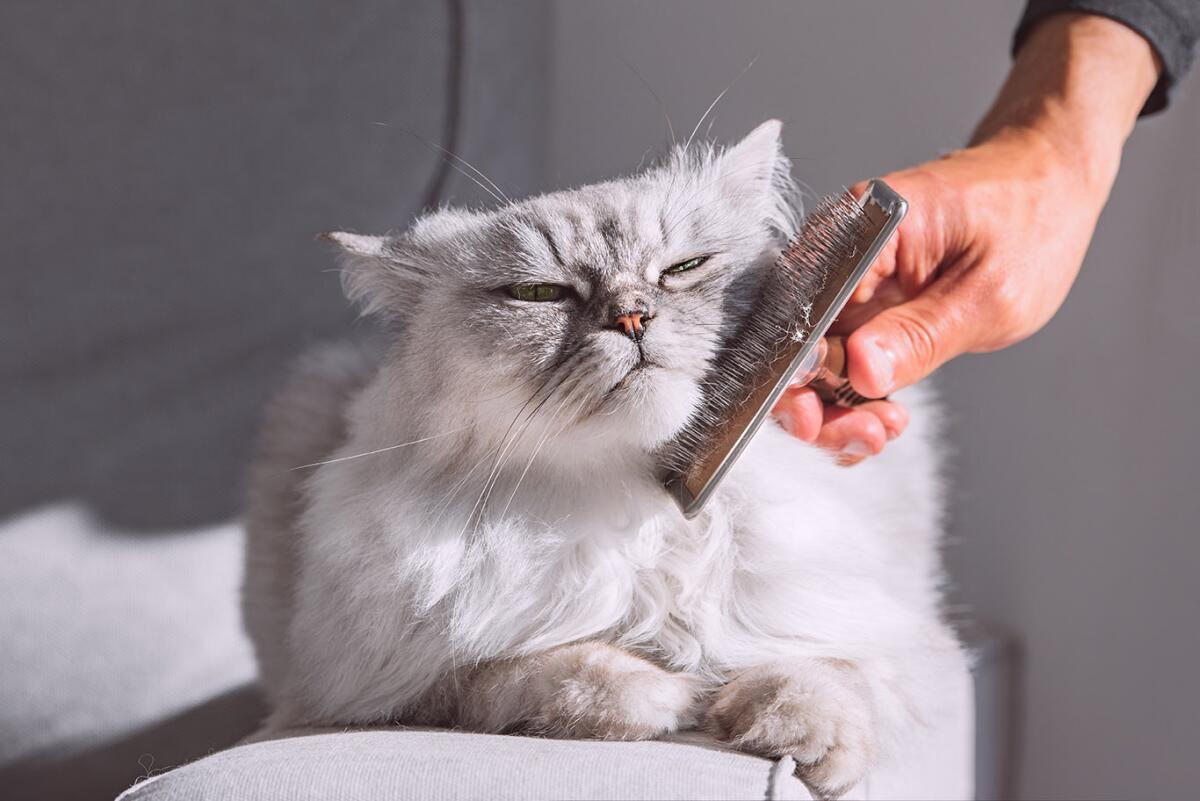
Long-haired cats need grooming more often. Brush them at least three times a week. Daily brushing is best to avoid tangles. Long fur can mat quickly if ignored. Use a wide-tooth comb or slicker brush. Check for knots and gently remove them. This keeps their coat smooth and clean.
Kittens And Senior Cats
Kittens need gentle grooming to get used to it. Brush them a few times a week. Use a soft brush and be very gentle. Senior cats may groom less on their own. Help them by brushing two to three times a week. Watch for sensitive skin or health issues. Adjust grooming to their comfort level.
Essential Grooming Tools
Grooming cats requires the right tools to keep their coat and skin healthy. Having essential grooming tools helps make the process smooth and safe. These tools help remove loose fur, prevent mats, and keep cats comfortable. Each tool serves a special purpose in maintaining your cat’s hygiene and appearance.
Brushes And Combs
Brushes and combs remove loose hair and reduce shedding. Use a soft-bristle brush for short-haired cats. Long-haired cats need a wide-toothed comb to untangle knots. Regular brushing helps prevent hairballs and matting. Choose tools that suit your cat’s fur type and comfort.
Nail Clippers
Clipping nails stops damage to furniture and skin. Use clippers designed for pets to avoid injury. Trim nails carefully, avoiding the quick, the pink part inside. Regular nail care keeps cats comfortable and prevents overgrowth. Nail clipping is a small step with big benefits.
Bathing Supplies
Bathing is not often needed but sometimes necessary. Use cat-safe shampoo that won’t irritate their skin. Have a non-slip mat ready to avoid slips. Warm water helps keep cats calm during baths. Proper bathing keeps fur clean and reduces odors.
Tips For Stress-free Grooming
Keep your cat looking and feeling its best with regular grooming. Brush short-haired cats weekly and long-haired cats daily. This routine reduces shedding and prevents tangles, ensuring a stress-free grooming experience for both you and your feline friend.
Grooming your cat can sometimes feel like a daunting task, especially if your furry friend isn’t too keen on the process. However, with the right strategies, you can make grooming a stress-free experience for both you and your cat. Here are some effective tips to ensure a smooth grooming session.Creating A Calm Environment
Setting the right mood is crucial. Choose a quiet room where your cat feels safe. Soft music or gentle white noise can help create a soothing atmosphere. Before you start, ensure that the grooming tools are within easy reach. Familiarize your cat with the tools by letting them sniff and explore them. Consider using a calming pheromone spray or diffuser to reduce anxiety. These products mimic natural cat pheromones and can make your pet feel more relaxed.Positive Reinforcement
Reward your cat for good behavior during grooming. Keep their favorite treats handy and offer them as a reward for staying calm. Use a gentle voice to praise your cat throughout the session. This reassurance can help them associate grooming with positive experiences. Remember, patience is key. If your cat becomes agitated, take a break and try again later. It’s important not to force the process.Handling Difficult Cats
Some cats might resist grooming despite your best efforts. If this is the case, start with short sessions to gradually build their tolerance. Use a gentle touch and avoid sudden movements. This helps in gaining their trust and prevents them from feeling threatened. If your cat is particularly fussy, consider enlisting the help of a professional groomer. They have the experience and tools to handle even the most challenging cats. By adopting these tips, you’ll be well on your way to a grooming routine that both you and your cat can enjoy. How do you think your cat would respond to these changes?Common Grooming Mistakes To Avoid
Grooming cats seems simple but many make common mistakes. These errors can cause discomfort or harm to your pet. Avoiding them keeps your cat healthy and happy. Understanding these pitfalls helps you groom your cat better.
Over-grooming
Brushing your cat too often can irritate its skin. Over-grooming may cause redness or hair loss. Cats need gentle and balanced care. Stick to a grooming schedule that suits your cat’s coat type. Watch your cat’s reaction during grooming.
Ignoring Problem Areas
Some spots are easy to miss, like under the chin or behind the ears. These areas can collect dirt or mats. Neglecting them leads to skin problems or infections. Check your cat’s entire body carefully. Focus on sensitive spots with extra care.
Using The Wrong Tools
Using unsuitable brushes or combs can hurt your cat’s skin. Fine-toothed combs work well for short hair. Long-haired cats need wide-toothed combs or slicker brushes. Avoid metal tools with sharp edges. Choose tools made for cats to ensure comfort.
When To Seek Professional Grooming
Knowing when to seek professional grooming for your cat can save you stress and keep your feline friend comfortable and healthy. While regular brushing at home is essential, some situations call for expert care. Recognizing these moments early helps prevent problems and ensures your cat’s coat stays in top condition.
Matting And Tangles
Severe mats and tangles can be painful for your cat and difficult to remove without causing injury. If you notice thick clumps of fur that won’t budge with brushing, it’s time to consult a professional groomer. They have the right tools and experience to safely detangle or trim matted areas without hurting your cat.
Trying to handle tough mats on your own might stress both you and your cat. Would you risk hurting your pet just to save a bit of time? Professionals also know how to prevent future matting by advising on the best grooming routine for your cat’s specific coat type.
Health-related Grooming Needs
Certain health conditions can affect your cat’s grooming needs. Older cats, or those with arthritis, may struggle to groom themselves properly. Cats with skin issues, obesity, or after surgery might also need special attention to keep their coat clean and healthy.
If you notice your cat grooming less, or see unusual skin problems, professional grooming can provide relief and improve hygiene. Groomers trained in handling health-related needs can spot early signs of trouble and recommend care tailored to your cat’s condition.
Busy Schedules
Your time is valuable, and sometimes your schedule doesn’t allow for regular grooming sessions at home. If you find it hard to keep up with your cat’s grooming needs, a professional groomer can step in. Regular appointments will keep your cat looking neat and reduce shedding around your home.
Have you thought about how much stress less grooming might add to your daily routine? Outsourcing this task ensures your cat receives consistent care even when life gets hectic. It’s a practical solution that benefits both you and your furry companion.
Frequently Asked Questions
How Often Should You Groom Short-haired Cats?
Short-haired cats benefit from grooming once a week. This helps remove loose fur and reduces shedding. Regular brushing also prevents hairballs and keeps their coat shiny and healthy.
How Frequently Do Long-haired Cats Need Grooming?
Long-haired cats require grooming daily or every other day. Frequent brushing prevents mats and tangles, which can cause discomfort. It also helps distribute natural oils and maintain a smooth, clean coat.
What Are The Signs That My Cat Needs Grooming?
Look for excessive shedding, mats, dandruff, or a greasy coat. If your cat scratches often or has bald patches, grooming is needed. Regular grooming keeps your cat comfortable and healthy.
Can Grooming Reduce Cat Hairballs?
Yes, grooming reduces hairballs by removing loose fur before ingestion. Regular brushing limits the amount of fur your cat swallows. This helps prevent digestive issues related to hairballs.
Conclusion
Regular grooming keeps cats healthy and happy. Short-haired cats need brushing once a week. Long-haired cats require daily care to avoid mats. Pay attention to your cat’s coat and skin. Grooming also helps spot health issues early. Make grooming a calm, gentle routine.
Your cat will enjoy the extra attention. Clean, shiny fur shows good care. Keep grooming simple and consistent for best results. This small effort means a lot for your cat’s well-being.

Leave a Reply