If you have a longhaired cat, you know how quickly their beautiful fur can get tangled and matted. Mats are not just unsightly—they can cause your cat discomfort and even skin problems.
But don’t worry, you can take simple steps to keep your cat’s coat smooth and healthy. You’ll learn effective ways to groom your longhaired cat and prevent those stubborn mats from forming. Keep reading, because a little effort now will save you and your furry friend a lot of stress later.
Choosing The Right Tools
Choosing the right tools for grooming your longhaired cat can make a huge difference in managing mats effectively. The right equipment helps reduce discomfort for your cat and makes the process smoother for you. Let’s look at the essential grooming tools you should have on hand.
Combs And Brushes For Long Fur
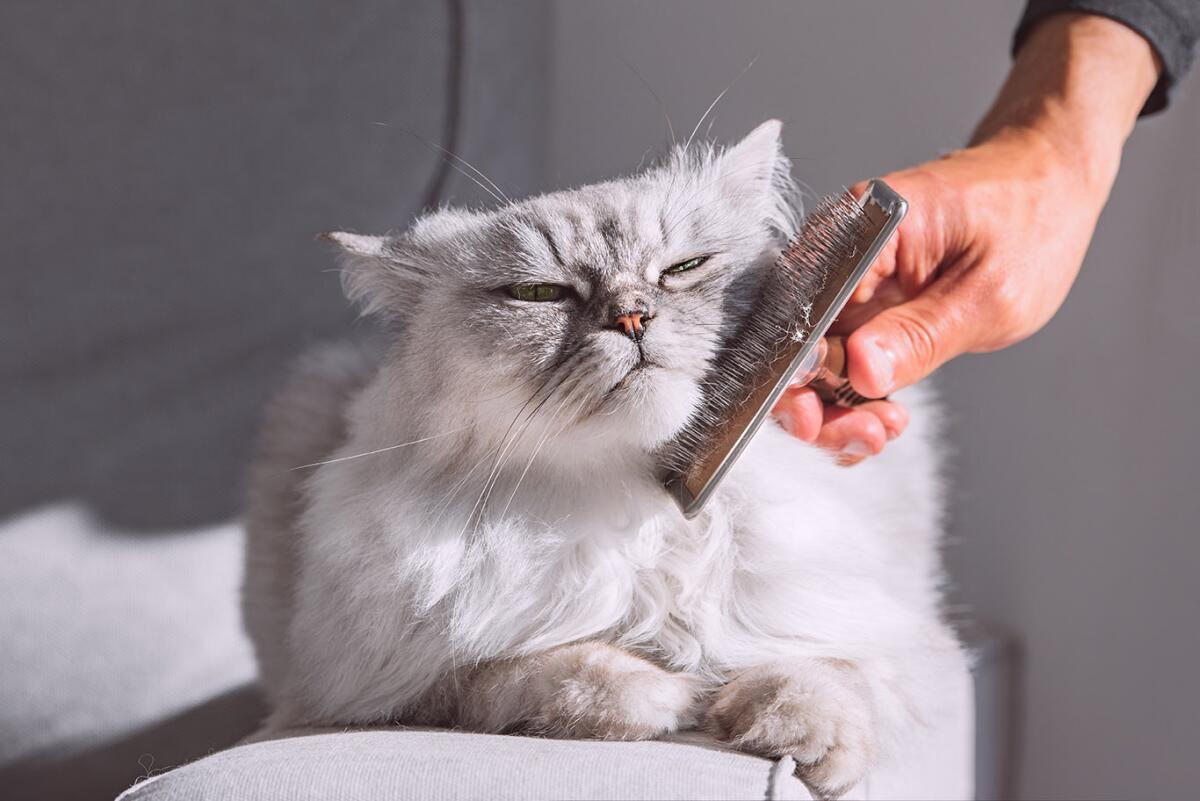
Select combs and brushes designed specifically for long fur to prevent damage and reduce mats. Wide-toothed combs work best for detangling without pulling, while slicker brushes help remove loose hair and prevent new mats from forming. You might find that alternating between these tools keeps your cat’s coat healthier and more comfortable.
Think about how your cat reacts to each brush. Does your cat prefer a softer brush, or tolerate a firmer comb better? This insight helps you choose tools that your cat won’t resist.
Detangling Sprays And Conditioners
Detangling sprays and conditioners can ease the grooming process by softening knots and reducing static. Look for pet-safe, hypoallergenic formulas that won’t irritate your cat’s skin. Spritz the spray lightly on the fur before brushing to help loosen mats gently.
Have you noticed your cat’s fur feels dry or brittle? Using a conditioner designed for cats can improve coat texture and make mats less frequent.
Clippers And Scissors
Sometimes mats are too tight or painful to remove with combs alone, so clippers and scissors become necessary. Use rounded-tip scissors to carefully cut away mats without hurting your cat’s skin. Clippers with adjustable blades give you control over how much fur you remove, minimizing stress for your pet.
Are you confident in your trimming skills? If not, practicing on small, less sensitive areas first can build your confidence and keep grooming safe.
Preparing Your Cat For Grooming
Preparing your longhaired cat for grooming is key to preventing mats and tangles. Cats can be sensitive to touch, especially in areas where mats tend to form. Taking time to prepare your cat helps build trust and makes the grooming process smoother and less stressful for both of you.
Creating A Calm Environment
Choose a quiet spot with minimal distractions for grooming sessions. Soft lighting and a comfortable surface, like a towel or blanket, can help your cat feel secure. Playing gentle music or using a pheromone diffuser may reduce anxiety and make your cat more willing to stay still.
Have all your grooming tools within reach to avoid interruptions. This keeps the session flowing and prevents your cat from becoming restless. How often do you find yourself searching for tools mid-groom? Preparing everything beforehand saves time and frustration.
Handling Your Cat Gently
Start by petting your cat slowly, focusing on areas they enjoy, such as behind the ears or under the chin. This helps your cat associate grooming with positive touch. If your cat shows signs of discomfort, pause and give them a break.
Use a calm voice and gentle movements throughout. Avoid sudden gestures that can startle your cat. Remember, your hands should feel like a safe place, not a source of stress.
Regular Grooming Routine
Make grooming a part of your daily or weekly routine to keep mats from forming. Short, frequent sessions work better than long, infrequent ones. This approach helps your cat get used to being groomed and reduces resistance over time.
Track your sessions to notice patterns—do certain times of day work better? Does your cat prefer morning or evening grooming? Adjusting your routine to your cat’s preferences encourages cooperation and keeps their coat healthy.
Removing Mats Safely
Removing mats safely protects your cat’s skin and fur. Mats pull on the hair and hurt your cat. Handling mats gently reduces stress for both you and your pet. Knowing how to identify and remove mats helps keep your cat comfortable and healthy.
Identifying Different Types Of Mats
Mats vary in size and tightness. Some mats are loose and easy to separate. Others are tight and stuck close to the skin. Look for areas where fur clumps or feels thick. Common places for mats include behind ears, under legs, and around the neck.
Soft mats can often be brushed out gently. Hard mats may need careful cutting or trimming. Check your cat’s skin for redness or irritation near mats. This signals that mats need quick attention.
Step-by-step Mat Removal
- Use a wide-tooth comb to loosen small mats. Work slowly and gently to avoid pulling the fur.
- Apply a detangling spray made for cats to soften tough mats. Let it sit for a few minutes.
- Hold the fur near the mat to reduce skin pulling. Use scissors with rounded tips to cut very tight mats carefully.
- Cut mats into smaller sections instead of trying to remove one big clump. This makes the process safer.
- Brush your cat’s fur regularly after mat removal. This prevents new mats from forming.
When To Seek Professional Help
Strong mats that cover large areas need a groomer’s skill. Never cut mats too close to the skin yourself. Professional groomers have special tools and experience to avoid injury.
If your cat resists mat removal or shows pain, visit a vet or groomer. Skin wounds under mats need medical care. A professional can also recommend the best grooming routine for your cat’s coat type.
Preventing Future Mats
Preventing mats in a longhaired cat’s coat requires regular care and attention. Mats form when fur tangles and knots build up over time. These can cause discomfort and skin problems. Keeping your cat’s coat smooth and healthy stops mats from forming. Consistency is key in daily grooming habits. The right diet and hydration also support a strong, shiny coat.
Daily Brushing Techniques
Brush your cat gently every day. Use a wide-toothed comb or a slicker brush. Start from the head and move toward the tail. Focus on areas prone to mats like behind the ears and under the legs. Take your time to avoid hurting your cat. Remove small tangles before they turn into mats. Regular brushing reduces loose hair and prevents knots.
Maintaining A Healthy Coat
Keep your cat’s coat clean and dry. Bathe your cat occasionally using cat-safe shampoo. Dry the fur completely after baths to prevent tangling. Check for any skin irritations or bumps during grooming. Trim the fur around problem areas if needed. Regular grooming sessions build trust and help spot coat issues early.
Diet And Hydration Impact
A balanced diet improves fur quality and skin health. Feed high-quality cat food rich in omega-3 and omega-6 fatty acids. These nutrients make fur soft and shiny. Ensure your cat drinks fresh water every day. Proper hydration keeps skin elastic and fur less prone to matting. Healthy skin and fur reduce the chance of mats forming.
Dealing With Stubborn Mats
Stubborn mats in longhaired cats need gentle care to avoid hurting your pet. Use a wide-tooth comb and work slowly through tangles, separating mats carefully. Regular brushing helps prevent mats from forming and keeps your cat comfortable.
Dealing with stubborn mats in your longhaired cat’s fur can be challenging. Mats not only make your feline friend uncomfortable but can also lead to skin problems if not addressed promptly. It’s essential to approach this task with patience and the right techniques to ensure a stress-free experience for both you and your cat.Using Detangling Tools Effectively
Invest in a high-quality detangling brush or comb specifically designed for longhaired cats. These tools often have long, narrow teeth that can reach deep into the fur without causing damage. Start by gently brushing around the mat, gradually working your way towards it. This loosens the fur and makes the mat easier to tackle. It might take a few sessions to completely detangle a stubborn mat, so don’t rush.Avoiding Pain And Discomfort
Be gentle and patient. Tugging too hard can hurt your cat and make them resistant to future grooming. Hold the fur close to the skin with one hand while you work on the mat with the other. This reduces the pull on your cat’s skin and minimizes discomfort. If a mat is particularly stubborn, consider using a detangling spray. These sprays can soften the mat, making it easier to comb through. Always check with your vet before using new products on your pet.Signs Of Skin Problems
While grooming, keep an eye out for redness, irritation, or sores under the mats. These can be signs of skin problems that might need veterinary attention. If you notice your cat scratching more than usual or if they seem sensitive when you touch certain areas, it might indicate skin issues caused by mats. Regular grooming sessions are an excellent opportunity to monitor your cat’s skin health. Early detection of problems can prevent more serious issues down the line. How do you ensure your longhaired cat stays mat-free and comfortable? Regular grooming and knowing when to seek professional help can make all the difference.Professional Grooming Options
Professional grooming offers a reliable way to keep your longhaired cat’s coat healthy and mat-free. Groomers have the right tools and skills to handle tough mats safely. This option saves time and reduces stress for both you and your cat. Regular visits can maintain your pet’s comfort and appearance.
Benefits Of Groomer Visits
- Experienced groomers gently remove mats without hurting your cat.
- They spot skin problems or parasites early.
- Groomers trim nails and clean ears during sessions.
- Regular visits improve your cat’s overall hygiene.
- Professional care reduces the risk of mat-related skin issues.
Choosing A Groomer
- Find a groomer with experience in longhaired cats.
- Ask for recommendations from your vet or pet community.
- Visit the grooming salon to check cleanliness and safety.
- Observe how staff handle cats during grooming.
- Confirm if they offer mat removal and de-shedding services.
Cost Considerations
Grooming prices depend on coat length and mat severity. Expect higher costs for severe mat removal or additional services. Regular grooming can lower future costs by preventing mats. Compare prices between groomers to find a fair rate. Budgeting for grooming supports your cat’s well-being long term.
Frequently Asked Questions
How Do I Prevent Mats In A Longhaired Cat’s Fur?
Regular brushing is key to preventing mats. Brush your cat’s fur daily using a wide-toothed comb. This removes loose hair and stops tangles from forming.
What Tools Are Best For Grooming Longhaired Cats?
Use a wide-toothed comb and slicker brush for grooming. These tools gently detangle mats and remove loose fur without hurting your cat.
How Often Should I Groom My Longhaired Cat?
Groom your longhaired cat at least every day or every other day. Frequent grooming keeps their coat smooth and mat-free.
Can I Remove Mats Myself Safely?
Yes, you can remove small mats with patience and proper tools. Use a dematting comb or scissors carefully to avoid hurting your cat.
Conclusion
Grooming longhaired cat mats takes patience and care. Regular brushing helps prevent tangles and keeps fur soft. Use gentle tools to avoid hurting your cat’s skin. Keep your cat calm during grooming by speaking softly. Check mats often and remove them early to avoid pain.
Healthy fur means a happy cat. Simple steps make grooming easier for both of you. Start grooming today for a cleaner, more comfortable cat.

Leave a Reply