Have you ever wondered why your cat needs grooming? It’s more than just keeping them looking good.
Grooming is essential for your cat’s health and happiness. Without it, your furry friend can face problems like matting, skin issues, and even stress. You’ll discover exactly what your cat needs when it comes to grooming. By the end, you’ll know how to keep your pet comfortable, clean, and content.
Ready to become your cat’s favorite groomer? Let’s dive in!
Why Grooming Matters
Grooming is more than just keeping your cat clean. It plays a key role in their health and happiness. Regular grooming helps your cat feel comfortable and look their best. It also prevents many common problems that cats face. Understanding why grooming matters helps you give better care to your feline friend.
Benefits For Skin And Coat
Grooming removes dirt and loose fur from your cat’s coat. It spreads natural oils that keep the skin healthy and shiny. Brushing helps stop dry skin and reduces shedding around your home. Healthy skin and coat mean your cat feels good and looks great.
Preventing Hairballs And Mats
Cats lick themselves often. This can lead to hairballs that cause discomfort. Grooming cuts down the amount of loose hair they swallow. It also stops fur from tangling and forming painful mats. Regular brushing keeps your cat’s coat smooth and free of knots.
Bonding With Your Cat
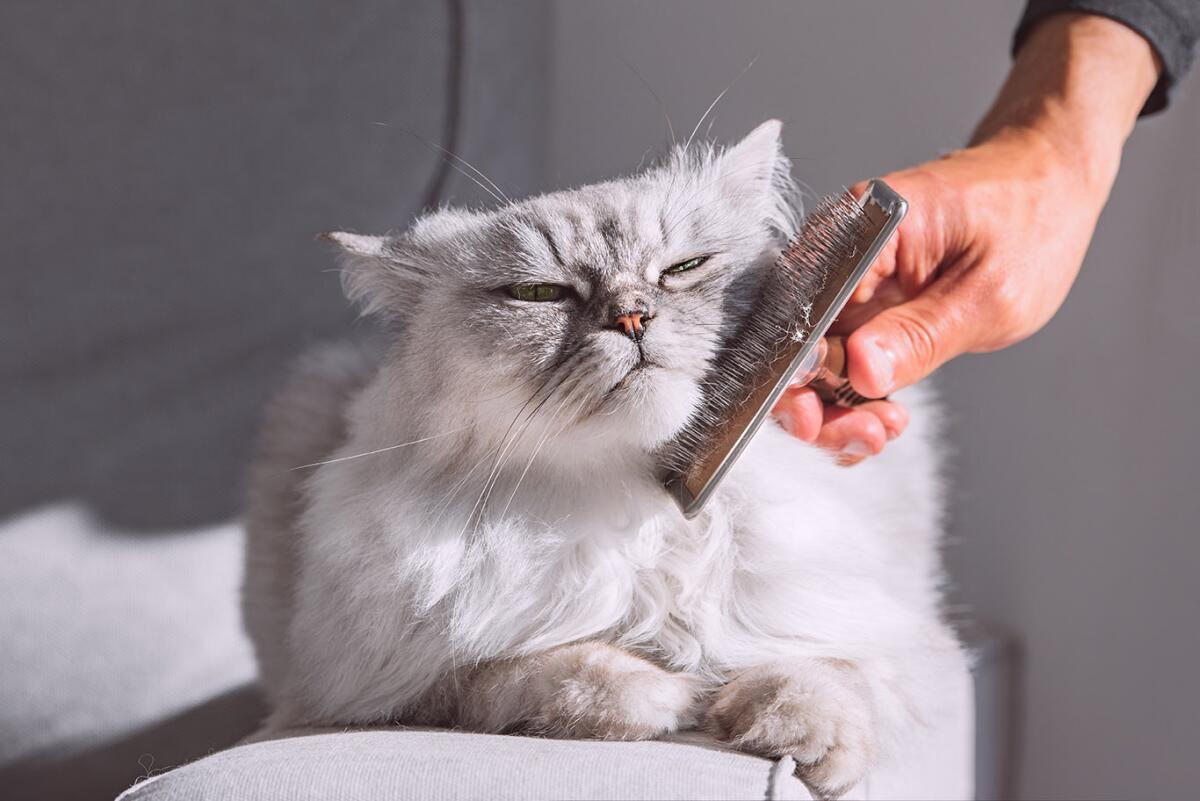
Grooming is a special time to connect with your pet. It builds trust and shows your cat you care. Gentle strokes and soft brushing calm nervous or shy cats. This shared moment strengthens your bond and makes grooming easier over time.
Tools For Cat Grooming
Grooming a cat needs the right tools to keep their coat and skin healthy. These tools make the process smooth and stress-free for both of you. Choosing the right items helps remove dirt, loose hair, and prevents matting.
Good grooming tools also support nail care and cleanliness. Using proper brushes, combs, and shampoos ensures your cat feels comfortable and looks great.
Choosing The Right Brush
Brushes come in many types for different fur lengths. A slicker brush works well for long-haired cats. It removes tangles and loose fur gently. For short-haired cats, a bristle brush suits best. It helps spread natural oils and keeps the coat shiny.
Soft rubber brushes are great for sensitive skin. Pick a brush with a comfortable handle to make grooming easier. Regular brushing reduces hairballs and shedding around the home.
Combs And Nail Clippers
Combs help find knots and mats that brushes miss. Wide-tooth combs are gentle on the skin and untangle fur. Fine-tooth combs remove fleas and dirt from the coat. Use combs after brushing for thorough grooming.
Nail clippers keep your cat’s claws safe and neat. Choose clippers made for pets with sharp, precise edges. Trim nails carefully to avoid hurting the quick. Regular nail care prevents scratches and damage to furniture.
Shampoos And Wipes
Cat shampoos must be gentle and made for their skin type. Avoid human shampoos; they can irritate your cat’s skin. Look for products with natural ingredients that clean without drying.
Shampoos help keep your cat clean and reduce odors. Use wipes for quick cleaning between baths. Wipes are perfect for paws, face, and spots on the fur. They keep your cat fresh without stress.
Grooming Techniques
Grooming your cat is more than just keeping them clean—it’s about building trust and ensuring their comfort. The right techniques can transform grooming from a stressful chore into a bonding experience. Here are some practical ways to help your cat look and feel their best.
Brushing Tips
Regular brushing removes loose fur and prevents hairballs. Use a brush suited to your cat’s coat type—slicker brushes work well for long-haired cats, while rubber brushes suit short-haired breeds.
Brush gently in the direction of hair growth. Watch your cat’s reaction; if they seem tense, take breaks and reward them with treats. This helps make brushing a positive experience.
Bathing Your Cat
Most cats groom themselves, but occasional baths can help with dirt or allergies. Use lukewarm water and a cat-specific shampoo—human products can irritate their skin.
Keep the bath brief and calm. If your cat hates water, try a damp cloth wipe-down instead. You might ask, how can you make bath time less stressful? Start slowly and offer lots of praise.
Trimming Nails Safely
Sharp nails can scratch you or damage furniture. Use a nail clipper designed for cats and trim only the sharp tips, avoiding the pink quick where blood vessels run.
If you’re nervous, try clipping after your cat’s nap when they’re relaxed. Keep styptic powder nearby in case of accidental cuts. Remember, patience is key—your cat will cooperate more with gentle handling.
Grooming Frequency
How often you groom your cat depends largely on their coat type and overall health. Regular grooming keeps your cat comfortable, reduces shedding, and helps you spot any health issues early. Let’s look at how frequently you should groom different cats and what adjustments you might need to make as they age or if they have health concerns.
Short-haired Cats
Short-haired cats usually need less frequent grooming. Brushing them once a week is often enough to remove loose fur and prevent hairballs.
If your cat sheds more during seasonal changes, you might want to increase brushing to a few times a week. This helps keep your home cleaner and your cat’s skin healthy.
Have you noticed your short-haired cat grooming less or developing mats? This could be a sign they need more attention or a vet check.
Long-haired Cats
Long-haired cats require much more frequent grooming to prevent tangles and mats. Daily brushing is ideal to keep their coat smooth and free from knots.
Ignoring regular grooming can lead to painful mats and skin problems. Using a wide-toothed comb and a soft brush can make the process easier for both you and your cat.
Does your long-haired cat dislike grooming sessions? Try shorter, more frequent sessions to build their tolerance.
Adjusting For Age And Health
Older cats or those with health issues might struggle with self-grooming. You should increase grooming frequency to help them stay clean and comfortable.
Pay attention to any changes in their coat texture or skin condition as these can signal health problems. Regular grooming offers a chance to check for lumps, bumps, or parasites.
Have you considered how your cat’s age or health affects their grooming needs? Tailoring your routine shows care and keeps your cat happy.
Signs Your Cat Needs Grooming Help
As a cat owner, you might wonder how to tell if your feline friend needs grooming assistance. Cats are generally good at keeping themselves clean, but there are times when they need a little help. Recognizing these signs can help maintain your cat’s health and happiness. Let’s dive into some key indicators that your cat may need grooming help.
Excessive Shedding
Have you noticed more cat hair on your furniture than usual? Excessive shedding can be a sign that your cat’s coat needs attention. Regular brushing can help manage shedding and prevent hairballs. Aim to brush your cat a few times a week, especially if they have long hair. This not only reduces loose fur but also strengthens the bond between you and your cat.
Skin Irritations
Red, flaky, or inflamed skin could indicate that your cat needs grooming. Sometimes dirt and debris can lead to skin irritations. Regular baths with cat-friendly shampoo can alleviate these issues. If the problem persists, it’s best to consult your vet. Always be gentle and patient during grooming sessions to avoid stressing your cat.
Behavioral Changes
Is your cat grooming themselves less frequently? Or perhaps they’re over-grooming and causing bald spots? Both can be signs of underlying issues. Cats often stop grooming due to discomfort or stress. Conversely, over-grooming might be a coping mechanism for anxiety. Observing these changes can help you address any grooming needs or health concerns.
By paying attention to these signs, you can ensure your cat remains healthy and comfortable. Regular grooming not only keeps them looking their best but also enhances their overall well-being. What signs have you noticed in your cat?
Diet And Grooming
Diet plays a crucial role in your cat’s grooming and overall coat health. What your cat eats directly impacts the shine, softness, and strength of their fur. If you want your feline friend to look and feel their best, paying attention to their nutrition is just as important as regular brushing.
Foods For A Shiny Coat
Including certain foods in your cat’s diet can make a noticeable difference in their coat. Foods rich in omega-3 and omega-6 fatty acids are excellent choices. These healthy fats help reduce dryness and improve fur texture.
- Salmon and sardines:These fish are packed with omega-3s that nourish skin and fur.
- Chicken and turkey:High-quality protein supports hair growth and repair.
- Eggs:A great source of biotin, which promotes healthy skin and coat.
Have you ever noticed how your cat’s coat looks dull after eating low-quality food? Switching to a diet with these ingredients can bring back that beautiful shine faster than you might expect.
Supplements To Consider
Sometimes, even the best diet needs a little help. Adding supplements can boost your cat’s grooming routine from the inside out. Fish oil capsules or liquid supplements rich in omega fatty acids are popular choices.
- Fish oil:Supports hydration and reduces shedding.
- Vitamin E:Helps protect skin cells and promotes healing.
- Zinc:Essential for skin repair and fur growth.
Before adding supplements, ask yourself: Is your cat’s current diet covering all their nutritional needs? A quick chat with your vet can ensure you’re giving your pet exactly what they need for a healthy, shiny coat.
When To Seek Professional Grooming
Knowing when to seek professional grooming for your cat can save you and your furry friend a lot of stress. Some grooming challenges are better handled by experts who have the right tools and experience. Recognizing these moments helps keep your cat comfortable and healthy.
Dealing With Mats And Tangles
Mats can cause your cat pain and skin problems if left untreated. Trying to cut or pull them off yourself might hurt your cat or make the mat worse. Professional groomers can safely remove mats using special tools and techniques that protect your cat’s skin.
If your cat has thick or long fur that mats easily, regular visits to a groomer can prevent serious tangles. Have you noticed your cat hiding or scratching more than usual? That could signal painful mats needing expert care.
Grooming Anxious Cats
Some cats get very stressed during grooming, making it hard to clean them properly at home. Professionals are trained to handle anxious cats calmly and gently, reducing their fear. They know how to spot signs of stress and adjust the grooming process accordingly.
If your cat scratches or tries to escape every time you brush them, consider a groomer’s help. Would you rather risk a stressful struggle or let a calm expert handle it safely?
Health-related Grooming Needs
Cats with health issues like skin infections, arthritis, or obesity often need special grooming care. A professional groomer can work with your vet to provide the right attention without causing discomfort. They can also spot early signs of health problems during grooming sessions.
Have you noticed changes in your cat’s coat or skin? These might be signs that professional grooming and veterinary care are necessary to keep your cat healthy and comfortable.
Frequently Asked Questions
Why Do Cats Need Regular Grooming?
Cats need grooming to remove loose fur, prevent matting, and reduce shedding. It also helps keep their skin healthy and lowers hairball risks. Regular grooming promotes bonding and allows early detection of skin issues or parasites.
How Often Should You Groom A Cat?
Most cats benefit from grooming once or twice a week. Long-haired cats may need daily brushing to avoid tangles. Frequency depends on the cat’s coat type, age, and health condition.
What Tools Are Best For Cat Grooming?
Use a soft bristle brush for short-haired cats and a wide-toothed comb for long-haired breeds. Nail clippers and grooming wipes also help maintain cleanliness. Choose tools designed specifically for cats to ensure safety and comfort.
Can Grooming Help Reduce Cat Hairballs?
Yes, grooming removes loose hair before cats ingest it during self-grooming. This reduces hairballs and digestive discomfort. Regular brushing is essential, especially for long-haired cats prone to shedding.
Conclusion
Cats need grooming to stay healthy and happy. Regular brushing stops mats and reduces hairballs. Clean fur helps prevent skin problems and infections. Grooming also lets you check for ticks or wounds. Short-haired cats need less care but still benefit.
Long-haired cats require more frequent attention and patience. A calm, gentle approach makes grooming easier. Remember, grooming is part of loving your cat daily. Keep your pet comfortable and strong with simple grooming habits.

Leave a Reply