Grooming your cat is more than just keeping them clean—it’s a way to strengthen your bond and keep your furry friend healthy and happy. But if you’re unsure where to start or worried about how your cat will react, you’re not alone.
Learning to groom cats properly can feel tricky at first, but with the right tips and techniques, you’ll gain confidence and make grooming a stress-free experience for both you and your pet. Ready to discover how to make grooming simple and enjoyable?
Keep reading to unlock the secrets every cat owner should know.
Benefits Of Regular Cat Grooming
Regular grooming offers more than just a neat appearance for your cat. It plays a key role in keeping your feline friend healthy and happy. Understanding these benefits might just motivate you to pick up that brush more often.
Improving Cat Health
Grooming helps spot health issues early, such as skin infections, lumps, or parasites. When you regularly check your cat’s coat and skin, you catch problems before they escalate. This simple routine can save you vet visits and keep your cat comfortable.
Cleaning their fur also prevents mats and tangles that can cause pain or restrict movement. Have you noticed how much easier your cat moves after a good brushing session?
Reducing Shedding And Hairballs
Shedding is natural, but grooming keeps loose fur under control. Regular brushing removes dead hair before your cat swallows it during self-grooming. This significantly cuts down hairballs, which can upset your cat’s stomach.
Less shedding means less fur around your home too. Imagine fewer clumps of hair on your clothes and furniture—doesn’t that sound like a win-win?
Strengthening Cat-owner Bond
Grooming time is a quiet, focused moment just for you and your cat. It builds trust and comfort between you both. Cats often purr or knead during brushing, showing they enjoy the attention.
Have you felt how a calm grooming session can turn a shy cat into a cuddly companion? These moments deepen your connection beyond play and feeding.
Essential Grooming Tools
Grooming your cat keeps them clean and comfortable. Using the right tools makes grooming easier and safer. Choosing quality grooming tools helps protect your cat’s skin and fur. It also reduces stress during grooming sessions.
Choosing The Right Brushes
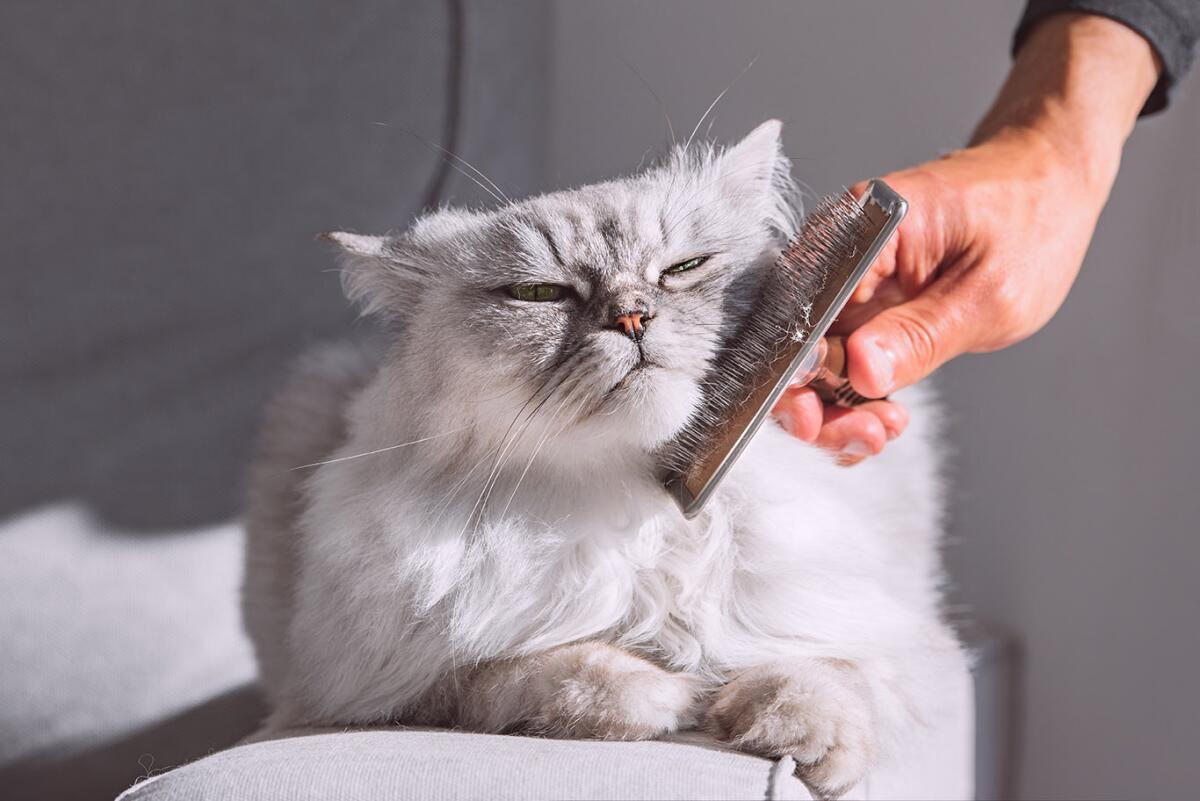
Select brushes that match your cat’s fur type. For short-haired cats, use a soft-bristle brush. Long-haired cats need a wide-toothed comb or slicker brush. These brushes remove loose fur and prevent mats. Gentle strokes avoid hurting your cat’s skin. Clean brushes after each use to stop dirt buildup.
Nail Clippers And Trimmers
Trim your cat’s nails with special pet clippers. Avoid using human nail scissors as they can cause injury. Look for clippers with a safety guard to prevent cutting too deep. Trim nails carefully to avoid the quick, which is sensitive. Regular nail trimming stops scratching and damage to furniture.
Shampoos And Wipes
Use shampoos made for cats to protect their skin. Avoid harsh chemicals and fragrances. Choose mild, hypoallergenic shampoos for sensitive skin. Cat grooming wipes help clean between baths. They remove dirt and reduce odor without water. Always dry your cat well after using shampoo or wipes.
Preparing Your Cat For Grooming
Preparing your cat for grooming is a key step in making the process smooth. Cats can feel stressed or scared if not prepared well. Starting with patience and care helps build trust. This makes grooming easier and safer for both of you.
Creating A Calm Environment
Choose a quiet spot with little noise and few distractions. Soft lighting helps your cat feel relaxed. Avoid loud sounds or sudden movements. Have all grooming tools ready before you begin. A calm place reduces your cat’s anxiety.
Getting Your Cat Comfortable
Let your cat explore the grooming area first. Use gentle petting and soft voices to soothe them. Offer treats to create positive feelings. Touch your cat’s paws and fur gently to get them used to handling. Keep sessions short at first to avoid stress.
Setting A Grooming Schedule
Pick regular times for grooming to build routine. Consistency helps your cat expect and accept grooming. Start with short sessions and increase time gradually. Track grooming days on a calendar or phone reminder. A steady schedule keeps your cat clean and healthy.
Brushing Techniques For Different Coat Types
Grooming your cat effectively depends a lot on understanding their coat type. Each fur texture requires a unique brushing approach to keep your feline friend comfortable and looking their best. Let’s look at how you can tailor your brushing techniques to suit short-haired, long-haired cats, and even tackle matted fur.
Short-haired Cats
Short-haired cats usually need less grooming but regular brushing still matters. Use a soft-bristle brush or rubber grooming mitt to gently remove loose hair and dirt. Brushing once or twice a week helps reduce shedding and keeps their coat shiny.
Pay attention to your cat’s reaction. If they seem restless, try shorter sessions or change the brush type. You might be surprised how some cats enjoy a light massage during brushing, making it a bonding moment.
Long-haired Cats
Long-haired cats need more frequent grooming to prevent tangles and mats. A wide-toothed comb is great for detangling, followed by a slicker brush to smooth the fur. Aim for daily brushing to avoid painful knots and keep the coat airy.
Long-haired breeds like Persians can develop hairballs if not brushed regularly. Brushing reduces loose fur your cat might swallow. Have you noticed how their personality often changes once their coat feels lighter and less tangled?
Handling Matted Fur
Matted fur can be painful and tricky to remove. Start by gently loosening the mats with your fingers before using a dematting comb or mat splitter. Never pull hard; patience is key to avoid hurting your cat.
Sometimes, mats get too tight to handle at home. Don’t hesitate to ask your vet or a professional groomer for help. Have you ever felt unsure about handling mats? Remember, your cat’s comfort and safety come first.
Bathing Your Cat Safely
Grooming a cat involves more than just brushing. Bathing is a key part of it. Cats usually groom themselves. But sometimes, they need a little help from us. Bathing can seem daunting. But with the right steps, it can be safe and stress-free for both you and your cat.
When To Bathe Your Cat
Cats generally keep themselves clean. Bathing isn’t needed often. Only bathe your cat if it smells bad or is dirty. Long-haired cats might need more frequent baths. Check for fleas and ticks regularly. Bathing can help manage these pests. Consult your vet if you’re unsure.
Step-by-step Bathing Process
Prepare everything before you start. Gather cat-friendly shampoo, towels, and a non-slip mat. Fill the tub with a few inches of warm water. Gently place your cat in the tub. Speak soothingly to keep it calm. Wet its fur using a cup or gentle spray. Apply a small amount of shampoo. Avoid the face and ears. Rinse thoroughly with warm water. Make sure no shampoo residue remains.
Drying And Aftercare
Wrap your cat in a towel immediately. Gently pat it dry. Use a dry towel if needed. Avoid using a hairdryer; it can scare your cat. Place your cat in a warm, draft-free room. Brush its fur once dry to prevent tangles. Offer a treat and praise for good behavior.
Trimming Nails And Cleaning Ears
Trimming your cat’s nails and cleaning their ears are essential parts of grooming that keep your feline friend healthy and comfortable. These tasks might seem tricky at first, but with patience and the right approach, you can make them a stress-free routine for both of you.
Safe Nail Trimming Tips
Use a sharp, cat-specific nail clipper to avoid crushing the nails. Hold your cat gently but firmly to prevent sudden movements. Trim just the sharp tip, avoiding the pink quick inside the nail, which can cause pain and bleeding.
If your cat is nervous, try trimming nails after playtime when they are calmer. Reward them with treats to create a positive association. Have styptic powder or cornstarch on hand in case you accidentally cut the quick.
Ear Cleaning Methods
Inspect your cat’s ears regularly to spot dirt or wax buildup. Use a vet-approved ear cleaning solution and a soft cotton ball or pad—never cotton swabs, which can damage the ear canal. Gently wipe the visible part of the ear without pushing too deep.
Cleaning once every few weeks is enough unless your cat has a specific condition. If your cat resists, pause and try again later to avoid stress. Consistency helps your cat get used to the process over time.
Signs Of Infection To Watch For
- Redness or swelling inside the ear
- Foul odor coming from the ear
- Excessive scratching or head shaking
- Discharge that is yellow, brown, or bloody
If you notice any of these signs, it’s crucial to consult your vet promptly. Ignoring ear infections can lead to serious discomfort and complications for your cat. Have you checked your cat’s ears recently to catch any issues early?
Dealing With Grooming Challenges
Grooming cats can be tricky. Some cats may resist or feel scared. Challenges often arise during brushing or nail trimming. Understanding how to handle these problems helps make grooming easier for both you and your cat.
Handling Anxious Cats
Anxiety can make grooming stressful for your cat. Stay calm and gentle. Speak softly to soothe your cat’s nerves. Try short grooming sessions to build trust. Use treats to reward good behavior. Let your cat sniff and explore grooming tools before use.
Managing Aggressive Behavior
Some cats may show aggression during grooming. Watch for signs like hissing, swatting, or biting. Stop grooming if your cat becomes too upset. Use gloves to protect your hands. Break grooming into small steps over several days. Patience helps reduce aggressive reactions over time.
Seeking Professional Help
Sometimes grooming challenges need expert care. Professional groomers have experience with difficult cats. They use special tools and techniques. Vets can also provide advice or sedation if needed. Don’t hesitate to ask for help. Your cat’s safety and comfort come first.
Maintaining Grooming Between Sessions
Regular brushing keeps your cat’s coat healthy and reduces shedding. Check for mats and dirt often to prevent discomfort. Gentle grooming helps build trust between you and your cat.
Maintaining grooming between sessions is crucial for a cat’s well-being. Regular upkeep helps prevent matting and keeps fur looking healthy. Even if professional grooming is scheduled, home care is vital. Let’s explore some simple ways to maintain grooming at home.Daily Brushing Habits
Brush your cat daily to prevent tangles. Use a gentle brush suited for their fur type. Daily brushing removes loose fur and reduces shedding. It also minimizes hairballs, enhancing your cat’s comfort. Spend a few minutes each day on this task. It strengthens your bond and keeps your cat calm.Spot Cleaning Fur
Sometimes, cats get dirty between baths. Spot clean with a damp cloth or pet wipes. Focus on dirty areas like paws and under the chin. Spot cleaning helps keep your cat fresh and clean. It’s a quick and effective method. Make sure to use products safe for cats.Monitoring Skin And Coat Health
Regularly check your cat’s skin and coat. Look for signs of irritation or dryness. Healthy skin and fur indicate good overall health. If you notice changes, consult your veterinarian. Early detection of issues prevents bigger problems. This habit ensures your cat stays happy and healthy.Frequently Asked Questions
How Often Should I Groom My Cat?
Groom your cat at least once a week to prevent mats and reduce shedding. Long-haired cats need grooming more frequently. Regular grooming helps maintain their coat and skin health.
What Tools Do I Need To Groom Cats?
Basic tools include a slicker brush, comb, nail clippers, and grooming wipes. Use a deshedding tool for long-haired cats. Choose gentle, cat-specific grooming products to avoid skin irritation.
How Do I Make Grooming Stress-free For Cats?
Start grooming sessions slowly and reward your cat with treats. Use calm tones and gentle strokes. Stop if your cat gets agitated and try again later to build trust.
Can Grooming Prevent Common Cat Health Problems?
Yes, grooming helps detect skin issues, parasites, and ear infections early. It also reduces hairballs and matting. Regular grooming supports your cat’s overall health and comfort.
Conclusion
Grooming cats helps keep them clean and healthy. Regular brushing reduces hairballs and shedding. Take time to gently handle your cat. Use the right tools for their fur type. Patience and care build trust with your pet. Soon, grooming becomes a calm, shared routine.
Enjoy these moments to strengthen your bond. Keep practicing, and your cat will stay happy. Simple steps make grooming easy for everyone. Start today and see the difference it brings.

Leave a Reply