Is your cat spending too much time licking or biting its fur? Excessive grooming can be more than just a quirky habit—it might signal discomfort or stress.
If you’ve noticed your furry friend grooming nonstop, you’re probably worried and wondering what to do next. You’re not alone, and the good news is there are simple ways to help your cat feel better. You’ll discover why your cat is over-grooming and practical steps you can take to stop it.
Keep reading to protect your cat’s health and bring back that happy, relaxed purr.
Causes Of Excessive Grooming
Excessive grooming in cats can be puzzling and worrisome for any cat owner. Understanding the root causes helps you address the problem effectively and keep your feline friend healthy and happy. Excessive grooming often signals something beyond just a quirky habit—it’s a sign that your cat might be trying to communicate discomfort or stress.
Medical Issues
Many medical problems can trigger excessive grooming. Skin infections, parasites like fleas, or painful injuries might cause your cat to lick or bite certain spots repeatedly. If your cat suddenly starts over-grooming, a visit to the vet should be your first step to rule out infections or underlying health issues.
Stress And Anxiety
Just like people, cats can feel stressed or anxious. Changes in their environment, new pets, or loud noises might make them groom excessively as a way to calm down. Ask yourself if your cat’s routine or surroundings have changed recently—stress often shows up in their grooming habits.
Allergies And Skin Problems
Allergies to food, pollen, or household chemicals can irritate your cat’s skin. This irritation often leads to constant licking or scratching. Notice if your cat’s skin looks red, flaky, or swollen, as these signs usually point to allergies or skin conditions needing attention.
Behavioral Causes
Sometimes, excessive grooming isn’t about health but behavior. Cats that feel bored or lonely might groom more to fill the time or soothe themselves. If your cat lacks toys or interaction, adding playtime and mental stimulation can reduce this habit dramatically.
Identifying Excessive Grooming
Excessive grooming in cats can often be overlooked as normal behavior, but it might be a sign of underlying issues. Identifying when your cat is grooming too much is the first step to helping them feel better. Paying close attention to their habits will help you spot potential problems early.
Signs To Watch For
Look out for bald patches or thinning fur on your cat’s body. These areas can indicate over-grooming. You might also notice red, irritated skin or scabs from constant licking or scratching.
Another sign is if your cat spends a lot more time grooming than usual, especially if the behavior seems obsessive. Does your cat lick one spot repeatedly or seem unable to stop? These are red flags worth noting.
Tracking Grooming Patterns
Start by observing when and where your cat grooms the most. Keep a simple journal or use your phone to track the time spent grooming daily and any specific triggers you notice, like stress or changes in the environment.
Ask yourself: Is the grooming linked to certain times of day or after specific events? Tracking these details can help you and your vet understand what might be causing the behavior.
Have you noticed your cat grooming more after a new pet arrives or during loud noises? These clues are valuable for identifying stress-related grooming and finding solutions.
Veterinary Diagnosis
Veterinary diagnosis is essential to treat excessive grooming in cats effectively. It helps identify the root cause behind the behavior. Without proper diagnosis, treatment may not work well or could even harm your cat. A vet uses several approaches to understand your cat’s condition.
Physical Examination
The vet starts with a full physical check-up. They look for skin damage, wounds, or infections caused by over-grooming. The vet also checks for parasites like fleas that might irritate the skin. A healthy coat and skin are signs of good health. The vet may press the skin to check for pain or swelling. This exam helps find physical reasons for excessive licking or biting.
Allergy Testing
Allergies often cause cats to groom too much. The vet may suggest allergy tests to find triggers. These tests can be done through blood samples or skin patches. Common allergens include certain foods, pollen, dust, or chemicals. Identifying allergies allows the vet to recommend diet changes or medications. Reducing allergies can stop excessive grooming and improve your cat’s comfort.
Behavioral Assessment
Sometimes, grooming is linked to stress or anxiety. The vet observes your cat’s behavior and environment. They ask about changes at home, new pets, or loud noises. Stress can cause cats to groom themselves more than usual. The vet might suggest ways to reduce stress, like playtime or calming products. Understanding behavior helps create a better plan for your cat’s health.
Medical Treatments
Excessive grooming in cats can sometimes signal underlying health issues that require medical attention. Medical treatments aim to reduce your cat’s discomfort and prevent further damage to their skin and coat. Understanding the options available can help you make informed decisions alongside your veterinarian.
Medications
Medications often play a crucial role in controlling excessive grooming. Your vet may prescribe antihistamines to reduce itching or corticosteroids to calm inflammation. In some cases, antibiotics or antifungal drugs are necessary if there is a secondary infection caused by persistent licking or scratching.
Be sure to follow the dosage instructions carefully and watch for any side effects. Have you noticed any changes in your cat’s behavior after starting new medications? Sharing this with your vet can ensure the treatment is working effectively.
Topical Treatments
Topical treatments can soothe irritated skin and discourage your cat from licking. Options include medicated shampoos, sprays, or creams that contain ingredients like aloe vera or hydrocortisone. These products help reduce redness and inflammation directly on the affected areas.
Applying these treatments regularly can make a noticeable difference, but patience is key. Your cat might resist at first, so try to make the experience as calm and gentle as possible. Have you tried using soothing balms or sprays on your cat’s problem spots?
Addressing Allergies
Allergies are a common trigger for excessive grooming in cats. Identifying and managing these allergies is vital for effective treatment. Your vet may recommend allergy testing to pinpoint specific triggers such as certain foods, pollen, or dust mites.
Once identified, you can reduce your cat’s exposure to allergens or try hypoallergenic diets. Sometimes, immunotherapy injections help build your cat’s tolerance over time. Could adjusting your cat’s environment or diet be the key to stopping the relentless licking?
Behavioral Strategies
Behavioral strategies can help manage cat excessive grooming. Provide toys and activities to reduce stress. Create a soothing environment to distract your cat from over-grooming habits.
Excessive grooming in cats can often be a sign of stress or anxiety. Addressing these behaviors with effective strategies can help your cat feel more comfortable and secure. By focusing on behavioral strategies, you can create a more harmonious environment for your feline friend.Reducing Stress
Creating a calm and stable environment is key. Cats are sensitive creatures, and changes like moving furniture or introducing new pets can trigger stress. Ensure your cat has a safe space to retreat to, like a cozy corner or a room where they feel secure. Consider using pheromone diffusers. These can mimic the natural pheromones that cats use to mark safe spaces, helping to reduce anxiety. Additionally, maintaining a regular routine for feeding and playtime can provide a sense of predictability that cats thrive on.Environmental Enrichment
Enhancing your cat’s environment can reduce boredom and stress. Offer a variety of toys that stimulate your cat’s senses, such as feather wands or puzzle feeders. These can keep your cat engaged and distracted from excessive grooming. Create vertical spaces for climbing and exploration. Cats enjoy surveying their territory from above, and this activity can provide both physical and mental stimulation. By transforming your home into a cat-friendly playground, you can redirect their energy towards more positive behaviors.Interactive Play
Daily interactive play sessions can strengthen your bond with your cat and curb excessive grooming. Use toys that mimic prey, like laser pointers or feather teasers, to engage your cat’s hunting instincts. This type of play is not only fun but also mentally enriching. Keep play sessions varied and spontaneous. Changing toys frequently can prevent boredom and keep your cat intrigued. Remember, a tired cat is a happy cat, and regular play can significantly reduce stress-related behaviors. Have you noticed any specific triggers for your cat’s grooming habits? Identifying these can help tailor your approach to their unique needs. By implementing these strategies, you can support your cat in leading a happier, healthier life.Home Remedies And Care
Excessive grooming in cats can signal stress or skin issues. Home remedies and proper care ease discomfort and reduce over-grooming. Creating a calm, healthy environment helps your cat feel better quickly.
Soothing Baths
Gentle baths calm irritated skin and remove allergens. Use lukewarm water and mild cat shampoo only. Avoid human soaps or harsh products that can dry the skin. Bathing once every 2-3 weeks is enough. Pat your cat dry softly with a towel after the bath.
Proper Nutrition
A balanced diet supports skin health and reduces itching. Provide food rich in omega-3 and omega-6 fatty acids. These nutrients help keep skin soft and less flaky. Choose high-quality cat food without fillers or artificial additives. Fresh water should always be available to keep your cat hydrated.
Regular Grooming Routine
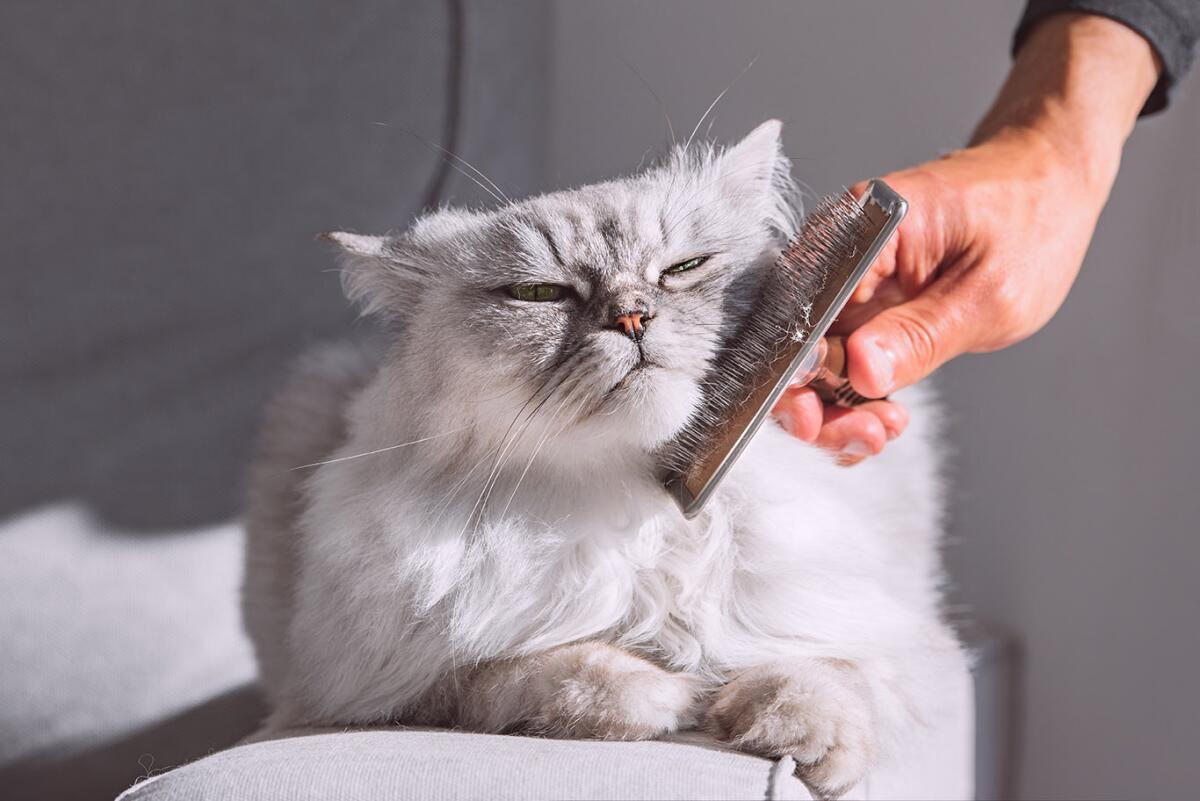
Brushing your cat removes loose fur and prevents matting. It also reduces hair ingestion during self-grooming. Use a soft brush suited to your cat’s fur type. Groom daily or every other day to keep skin healthy. Grooming sessions create bonding time and lower stress levels.
When To Seek Professional Help
Knowing when to seek professional help for your cat’s excessive grooming is crucial. Sometimes, what seems like a minor habit can signal deeper health or emotional issues. Paying attention to specific warning signs can save your pet from prolonged discomfort and potential complications.
Persistent Grooming Issues
If your cat continues to groom excessively despite your efforts to calm them, it’s time to consult a veterinarian. Persistent grooming might indicate underlying problems like allergies, parasites, or stress. Have you noticed your cat grooming the same spot repeatedly for days or weeks?
Ignoring this behavior can lead to bald patches and skin damage. A vet can perform tests to find hidden causes and recommend treatments that you might not try at home. Don’t wait until the problem worsens; early intervention often makes a big difference.
Worsening Skin Conditions
Watch closely for signs like redness, swelling, or open sores on your cat’s skin. These symptoms suggest that excessive grooming has caused harm and possibly infection. If you see your cat scratching or biting the affected areas, professional care is necessary.
Left untreated, these skin conditions can become painful and harder to heal. Your vet may prescribe medications or special shampoos to soothe your cat’s skin. Have you thought about how much your cat’s comfort matters in these moments?
Remember, professional advice can protect your cat’s health and improve their quality of life. Don’t hesitate to reach out if you’re unsure about your cat’s grooming behavior.
Frequently Asked Questions
What Causes Excessive Grooming In Cats?
Excessive grooming in cats can be caused by stress, allergies, parasites, or skin infections. Identifying the cause helps in providing effective treatment and relief.
How Can I Stop My Cat From Over-grooming?
To stop over-grooming, reduce stress, treat allergies, and check for parasites. Consult a vet for proper diagnosis and medication if needed.
When Should I See A Vet For Cat Grooming Issues?
Visit a vet if your cat grooms excessively, causing hair loss or skin wounds. Early intervention prevents complications and promotes healing.
Can Diet Affect A Cat’s Grooming Habits?
Yes, poor nutrition or food allergies can cause skin irritation, leading to over-grooming. A balanced diet supports healthy skin and fur.
Conclusion
Excessive grooming in cats can signal stress or health issues. Watch your cat’s behavior closely. A calm environment helps reduce over-grooming. Offer toys and playtime to keep your cat busy. Consult a vet to rule out medical problems. Treating the cause brings comfort and healing.
Your cat deserves care and patience. Small steps make a big difference. Stay observant and supportive for your furry friend.

Leave a Reply