Have you ever watched your cat spend a surprising amount of time licking and cleaning their fur? You might wonder, how often do cats actually spend grooming themselves each day?
Understanding this can give you a deeper insight into your furry friend’s health and happiness. You’ll discover why grooming is so important to cats, how much time they typically spend on it, and what changes in their grooming habits might mean for you as a cat owner.
Keep reading to unlock the secrets behind your cat’s self-care routine!
Daily Grooming Habits
Cats are known for their fastidious grooming habits, spending a good part of their day keeping clean. This daily routine is more than just about looking good—it plays a key role in their health and comfort. Understanding how often and why cats groom can help you spot if something unusual is going on with your furry friend.
Average Time Cats Spend Grooming
On average, cats spend about 30 to 50 percent of their waking hours grooming themselves. This can mean anywhere from one to three hours a day, depending on the cat. Some cats might even spend more time, especially if they have long hair or are very active.
Think about how your cat behaves—do they seem to take long grooming sessions or short, frequent ones? This can give you clues about their normal routine and comfort level.
Factors Influencing Grooming Duration
Several factors affect how much time your cat spends grooming:
- Age:Younger cats often groom more to keep their sleek coats in check, while older cats might groom less due to arthritis or other health issues.
- Coat type:Long-haired cats require more grooming time to prevent mats and tangles.
- Health:Cats with skin irritations or parasites may groom excessively or avoid grooming certain areas.
- Stress levels:Stress or anxiety can either increase grooming as a coping mechanism or decrease it if the cat feels unwell.
Have you noticed changes in your cat’s grooming habits? It might be a sign to check in with a vet or observe any changes in their environment.
Grooming Techniques
Cats have many ways to keep their fur clean and healthy. Their grooming habits are natural and very detailed. Grooming helps cats stay comfortable and avoid skin problems. Each technique serves a special purpose in their daily routine.
Licking And Cleaning
Cats use their tongues to lick their fur carefully. Their tongues have tiny, rough bumps that help remove dirt. Licking also spreads natural oils, making their coat shiny and smooth. This action cools cats down and calms them too. They spend a lot of time licking to stay clean.
Using Paws For Grooming
Cats often use their paws to clean hard-to-reach places. They lick their paw and then rub it over their face and ears. This method helps clean spots where their tongue cannot reach. Paws also help remove loose fur and dirt. This adds another layer to their grooming routine.
Shedding And Fur Maintenance
Shedding is a natural part of keeping fur healthy. Cats lose old fur to make space for new growth. Grooming helps remove dead fur and prevents mats or tangles. It keeps their coat soft and reduces hairballs. Regular grooming supports their skin and overall health.
Benefits Of Grooming
Grooming is more than just a routine activity for cats; it plays a vital role in their overall well-being. When you watch your cat meticulously cleaning itself, it’s not just about looking good. Grooming brings several important benefits that affect their health, mood, and comfort.
Health And Hygiene
Grooming helps cats keep their fur clean and free from dirt, parasites, and loose hair. This regular cleaning reduces the risk of skin infections and helps prevent matting, which can be painful. Have you ever noticed how your cat’s coat feels soft and shiny after a grooming session? That’s a sign of good hygiene.
Additionally, grooming stimulates blood flow to the skin, which promotes healthy fur growth. It also helps cats regulate their body temperature by distributing natural oils evenly across their coat. These practical benefits keep your cat healthy and comfortable every day.
Stress Relief And Comfort
Grooming is a natural way for cats to calm themselves. When your cat licks its fur, it releases endorphins, which act like natural painkillers and stress relievers. This can be especially helpful if your cat feels anxious or uncomfortable.
Have you noticed your cat grooming more after a stressful event, like a trip to the vet? That’s their way of soothing themselves. Grooming also helps cats feel secure by giving them a sense of control over their environment, which makes their world a little less overwhelming.
Grooming Variations By Cat Type
Cats groom themselves to stay clean and healthy. The time spent grooming varies by cat type. Different breeds, ages, and lifestyles affect how often cats clean their fur. Understanding these differences helps cat owners care better for their pets.
Breed Differences
Some breeds groom more than others. Long-haired cats like Persians spend more time grooming. Their thick fur needs extra care to avoid mats and tangles. Short-haired breeds groom less often. They have less fur to clean and maintain.
Sphynx cats, which have little to no fur, groom differently. They lick their skin to remove oils. This grooming helps keep their skin healthy without fur protection.
Age And Grooming Frequency
Kittens groom frequently. They learn from their mothers and practice self-cleaning. Young cats stay active and clean to keep their coats shiny. Older cats may groom less often. Health issues or arthritis can make grooming hard for them. Senior cats might need help to stay clean and comfortable.
Indoor Vs Outdoor Cats
Outdoor cats groom more to remove dirt and debris. They face more dust, pollen, and insects. Their grooming keeps their fur clean and protects their skin. Indoor cats groom less because their environment is cleaner. They still groom to manage shedding and keep their coat healthy.
Outdoor cats also face more parasites, so grooming helps control fleas and ticks. Indoor cats rely more on owners for parasite prevention.
Signs Of Grooming Issues
Cats usually groom themselves to stay clean and healthy. Signs of grooming issues can show when your cat spends too much or too little time grooming. Noticing these signs early helps prevent health problems.
Overgrooming Symptoms
Overgrooming means your cat licks or bites its fur too much. This can cause bald spots or red skin. You might see:
- Hair loss in patches
- Red or irritated skin
- Scabs or wounds
- Constant licking or chewing
Stress, allergies, or parasites often cause overgrooming.
Neglecting Grooming
Neglecting grooming means your cat does not clean itself enough. Their fur may look dirty or matted. Watch for:
- Greasy or dull fur
- Clumps of fur or mats
- Strong odor
- Dirty ears or eyes
Illness, pain, or old age can cause grooming neglect.
When To Consult A Vet
Visit a vet if grooming problems last more than a few days. Seek help if you see:
- Open wounds or infections
- Severe hair loss
- Changes in behavior or appetite
- Signs of pain or discomfort
Early vet visits help treat problems fast and keep cats comfortable.
Tips To Support Cat Grooming
Cats spend a lot of time grooming themselves daily to stay clean and healthy. Helping with brushing can reduce shedding and prevent mats in their fur. Regular grooming also lets you check for skin issues or parasites early.
Cats spend a lot of time grooming themselves daily. This is part of their natural behavior. As a cat owner, you can help maintain their grooming routine. Supporting your cat’s grooming can improve their health and happiness. Here are some practical tips to assist you.Regular Brushing
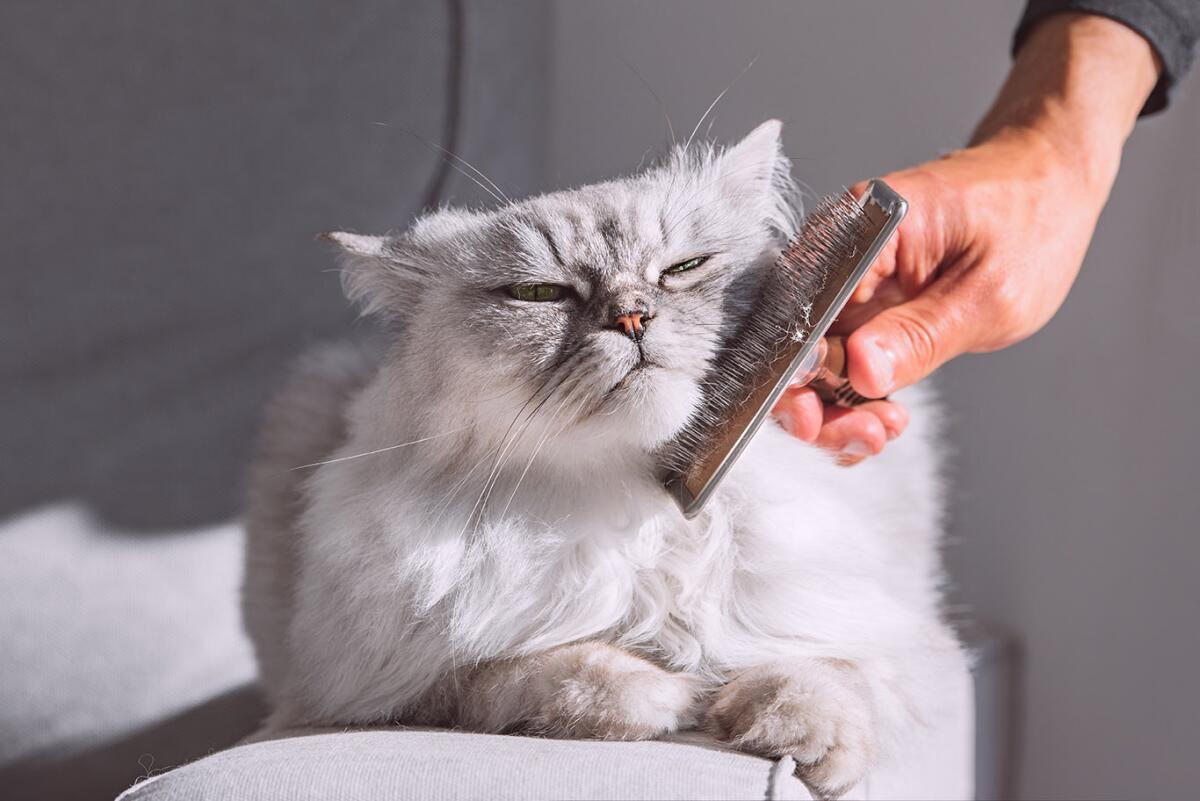
Regular brushing helps remove loose fur and reduces shedding. It prevents hairballs, which can cause discomfort for cats. Use a brush suitable for your cat’s fur type. Long-haired cats need more frequent brushing. Short-haired cats require less frequent grooming. Regular brushing also helps you bond with your cat.Maintaining A Clean Environment
Cats appreciate clean living spaces. Keep their litter box clean and fresh. Regularly wash their bedding and toys. A clean environment reduces the risk of fleas and ticks. This supports their grooming efforts and keeps them healthy.Diet And Hydration Effects
A balanced diet affects your cat’s coat health. Ensure they get enough nutrients for a shiny coat. Hydration is equally important. Provide fresh water daily. Proper diet and hydration support their grooming routine. It leads to healthier skin and fur.Frequently Asked Questions
How Much Time Do Cats Spend Grooming Daily?
Cats typically spend 30-50% of their waking hours grooming themselves. This can be 1 to 4 hours daily. Grooming helps keep their fur clean and regulates body temperature.
Why Do Cats Groom Themselves So Often?
Cats groom to remove dirt, loose fur, and parasites. It also reduces stress and strengthens their bond with other cats. Grooming keeps their coat healthy and shiny.
Does Grooming Frequency Change With Age In Cats?
Yes, kittens and young cats groom more frequently than older cats. Senior cats may groom less due to arthritis or health issues. Regular grooming checks are essential for older cats.
Can Excessive Grooming Indicate Health Problems?
Yes, excessive grooming can signal allergies, skin infections, or stress. It may lead to bald patches and sores. Consult a vet if grooming becomes obsessive or causes harm.
Conclusion
Cats spend a lot of time grooming themselves every day. This habit keeps their fur clean and healthy. Grooming also helps cats feel calm and relaxed. Watching a cat groom shows their natural care and comfort. Understanding this behavior helps you care for your pet better.
Keep an eye on changes in grooming, as it may signal health issues. Let your cat enjoy this daily routine—it is part of their nature. Caring for your cat’s grooming needs supports their happiness and well-being.

Leave a Reply