Are you wondering whether it’s easier to groom a dog or a cat? If you’ve ever struggled with brushing, bathing, or trimming your pet, you’re not alone.
Grooming can feel like a challenge, but knowing which pet might be simpler to care for can save you time and stress. You’ll discover the key differences between grooming dogs and cats, so you can make better choices for your furry friend and enjoy a smoother, happier routine.
Keep reading to find out what really makes grooming easier—and what might surprise you!
Grooming Basics For Dogs
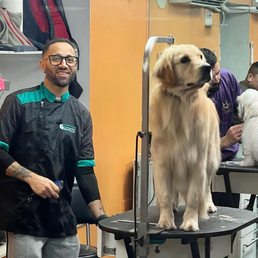
Grooming dogs keeps them healthy and happy. It also strengthens your bond. Knowing the basics helps you care for your dog better. Each dog’s coat needs special care. The right tools make grooming easier. Bathing and brushing are key parts of grooming. Let’s explore these essentials.
Coat Types And Their Care
Dogs have different coat types that need different care. Some have short coats, others have long or curly fur. Each coat type requires a unique approach.
- Short coats:These need less brushing but regular baths.
- Long coats:Require daily brushing to prevent mats and tangles.
- Curly coats:Need special brushes and frequent grooming to stay clean.
- Double coats:Have a soft undercoat and a rough outer coat. They need thorough brushing especially during shedding seasons.
Essential Grooming Tools
Using the right tools makes grooming smoother and safer. Different tools work best for different coat types. Here are common tools every dog owner should have:
- Brushes:Slicker brushes for long or curly hair, bristle brushes for short hair.
- Combs:Help remove tangles and loose fur.
- Nail clippers:Keep nails trimmed to prevent discomfort.
- Shampoo:Choose one made for dogs to protect skin and coat.
- Towels and blow dryers:For drying after baths.
Bathing And Brushing Tips
Bathing and brushing are vital for a clean and healthy dog. Follow these simple tips:
- Brush your dog before baths to remove loose hair and dirt.
- Use lukewarm water to keep your dog comfortable during baths.
- Apply dog shampoo gently, avoiding eyes and ears.
- Rinse thoroughly to remove all shampoo.
- Dry your dog with a towel or low-heat blow dryer.
- Brush regularly to prevent mats and promote healthy fur.
Grooming Basics For Cats
Understanding the basics of cat grooming helps you keep your feline friend healthy and comfortable. Grooming isn’t just about looks; it also supports your cat’s skin health and reduces shedding around your home. Knowing what your cat needs makes the whole process smoother for both of you.
Fur Types And Maintenance
Cats have different fur types, and each requires a unique approach. Short-haired cats usually need less frequent brushing, about once a week, while long-haired breeds demand daily attention to avoid mats and tangles.
Think about your cat’s fur texture—soft, dense, or wiry—and adjust your grooming routine accordingly. Cats with oily skin might need more baths, while dry skin benefits from gentle brushing to distribute natural oils.
Recommended Grooming Supplies
- Brushes:Slicker brushes work well for most fur types, but a fine-toothed comb is great for long-haired cats.
- Grooming gloves:These can make brushing more enjoyable for shy cats or those who dislike traditional brushes.
- Nail clippers:Regular trimming prevents painful overgrowth and scratching damage.
- Cat-safe shampoo:Only use shampoos designed for cats to avoid skin irritation.
Having the right tools ready makes grooming less stressful. Have you noticed how your cat reacts differently to each brush or comb? Pay attention to their preferences.
Bathing And Brushing Techniques
Bathing cats can be tricky but isn’t always necessary unless your cat gets into something dirty or has a skin condition. When you do bathe your cat, use lukewarm water and keep the session quick and calm.
Brushing should be gentle and follow the direction of fur growth to avoid discomfort. Start with short sessions and gradually increase time as your cat gets used to it.
Try turning grooming into bonding time by talking softly and offering treats. Have you tried brushing your cat after a nap, when they are relaxed and more receptive?
Behavioral Factors In Grooming
Behavior plays a crucial role in how easy or challenging grooming can be for your pet. Understanding your dog or cat’s natural responses and preferences helps you make grooming a more positive experience. Let’s look closer at how their behavior affects grooming sessions.
How Dogs React To Grooming
Dogs often see grooming as a social activity. Many enjoy the attention and physical contact, especially if they trust you. However, some dogs may get restless or anxious if they aren’t used to being handled for long periods.
Dogs can also react differently depending on the grooming task. Brushing might be calming, but nail trimming or ear cleaning can trigger resistance. Watching your dog’s body language closely can help you spot discomfort before it escalates.
Cats’ Grooming Preferences
Cats usually prefer short, controlled grooming sessions. They are more independent and may become stressed if grooming lasts too long or feels invasive. Unlike dogs, cats often dislike water, making baths a particular challenge.
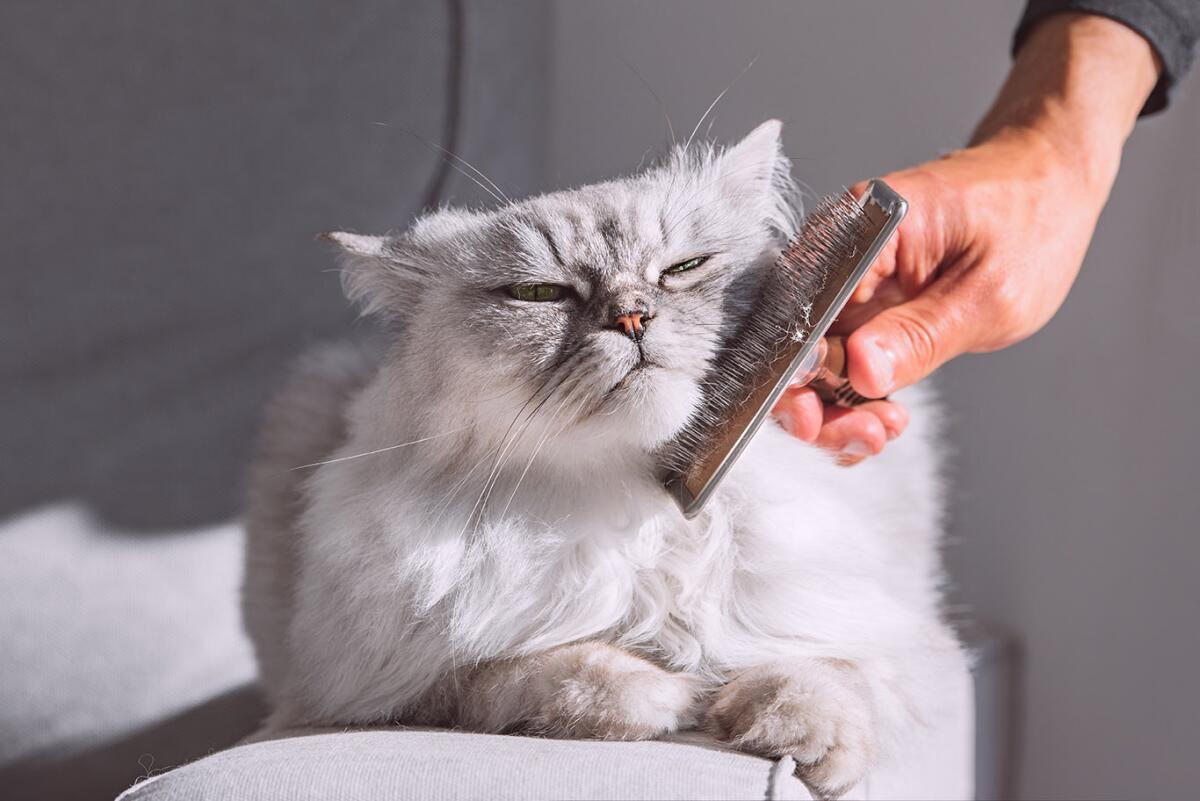
Most cats enjoy gentle brushing, especially if it mimics their own grooming behavior. Slow, rhythmic strokes can relax them, while sudden movements might cause them to flee. Does your cat have a favorite spot where they love to be groomed?
Handling Resistance And Anxiety
Resistance and anxiety are common hurdles in grooming for both dogs and cats. Recognizing early signs—like fidgeting, growling, or trying to escape—helps you adjust your approach. Patience and calmness from your side can reduce their stress.
Try breaking grooming into short sessions and rewarding your pet with treats or praise. This builds positive associations and gradually lowers fear. Could changing the time or environment of grooming make your pet feel safer?
Time And Effort Comparison
Comparing the time and effort needed to groom a dog versus a cat reveals some surprising differences. Grooming demands vary widely depending on the animal’s coat type, behavior, and your personal schedule. Understanding these factors can help you decide which pet fits better with your lifestyle.
Daily Grooming Needs
Dogs often require more daily attention, especially breeds with longer or thicker coats. Brushing your dog can take anywhere from 5 to 20 minutes each day to prevent mats and tangles. Cats, on the other hand, usually groom themselves but still benefit from brief daily brushing to reduce shedding and hairballs.
Have you noticed your dog eagerly waiting for their brushing session, or does your cat hide when the brush comes out? Your pet’s attitude can impact how much time you’ll realistically spend grooming.
Frequency Of Professional Grooming
Professional grooming appointments for dogs can be a regular part of their care, especially for breeds like Poodles or Shih Tzus, needing trims every 4 to 8 weeks. Cats generally require fewer professional sessions, often only if they have long hair or special needs.
Think about the availability and cost of groomers in your area. If you have a busy schedule, frequent dog grooming appointments might become a challenge. Cats typically allow you to stretch the time between professional grooming, making it less time-consuming overall.
Long-term Maintenance
Long-term grooming involves managing shedding, skin health, and coat condition. Dogs with dense coats may need seasonal blowouts or dematting, which can add to your workload. Cats’ grooming needs are usually lower over time, but older cats might require more help as they become less flexible.
Ask yourself: do you have the patience and time to handle occasional grooming emergencies like mats or skin issues? Your willingness to invest in long-term care plays a big role in whether a dog or cat is easier to groom for you.
Health Benefits Of Grooming
Grooming helps keep pets clean and healthy by removing dirt and loose fur. Dogs often need more brushing than cats, but cats usually groom themselves well. Choosing which pet is easier to groom depends on their behavior and coat type.
Grooming pets offers many health benefits. Regular grooming helps keep pets happy and healthy. For both dogs and cats, grooming is essential for maintaining their well-being.Preventing Skin Issues
Grooming prevents skin problems. Regular brushing removes dirt and loose fur. It also helps distribute natural oils on the skin. This keeps the skin healthy and reduces the risk of infections. Mats and tangles are less likely to form with regular grooming.Detecting Parasites Early
Early detection of parasites is crucial. Grooming helps spot fleas and ticks quickly. Regular checks during grooming reveal any parasite issues. This allows for timely treatment, preventing discomfort and disease.Improving Overall Comfort
Grooming improves a pet’s comfort. Removing loose fur reduces shedding around the home. Pets feel more relaxed without knots and tangles. Clean fur and trimmed nails make pets feel good. Regular grooming sessions strengthen the bond between owner and pet.Expert Tips To Simplify Grooming
Grooming your pet can feel like a big job. Experts share simple tips to make it easier. These tips help keep your dog or cat calm and clean. Small changes make grooming faster and more pleasant for both of you.
Creating A Routine
Pets like knowing what to expect. Set a regular time for grooming sessions. Short, frequent sessions work best. This helps your pet get used to the process. A steady routine reduces stress and resistance.
Using Positive Reinforcement
Reward your pet during grooming. Use treats, gentle praise, or petting. This creates a happy link with grooming. Rewards encourage good behavior. Avoid punishment to keep trust strong.
Choosing The Right Products
Select tools made for your pet’s coat and skin type. Use gentle shampoos and soft brushes. Sharp tools can hurt or scare pets. Proper products make grooming safer and easier. Check labels for pet-safe ingredients only.
Frequently Asked Questions
Is Grooming A Dog Harder Than Grooming A Cat?
Grooming a dog is often harder due to their size and coat variations. Dogs may require more tools and time. Cats groom themselves more but need gentle brushing. Both need regular care, but dogs usually demand more effort and patience.
How Often Should I Groom My Dog Or Cat?
Dogs generally need grooming every 4 to 6 weeks, depending on breed. Cats benefit from brushing once or twice a week to reduce shedding. Regular grooming keeps pets healthy, controls shedding, and prevents matting in both animals.
What Tools Are Best For Grooming Dogs And Cats?
A slicker brush and comb work well for most dogs and cats. Clippers and nail trimmers are essential for dogs. Cats require gentle brushes and nail clippers. Choosing the right tools makes grooming safer and more effective for both pets.
Can Grooming Reduce Pet Shedding?
Yes, regular grooming helps reduce shedding by removing loose fur. Brushing stimulates skin oils and prevents mats in dogs and cats. Consistent grooming keeps your home cleaner and your pet more comfortable.
Conclusion
Grooming a dog or cat depends on the pet’s personality and coat type. Dogs often need regular baths and brushing. Cats usually groom themselves but may need help with long fur. Patience and care make grooming easier for both animals.
Choose the right tools for your pet’s needs. Regular grooming keeps pets healthy and happy. In the end, both dogs and cats can enjoy grooming with gentle handling. It’s about understanding your pet and making grooming a calm, positive time.


Leave a Reply