Have you ever watched your cats grooming each other and wondered what it really means? When your cats lick and clean one another, it’s more than just keeping clean.
This behavior tells a story about their feelings, bonds, and even their health. Understanding why your cats groom each other can help you connect with them on a deeper level and spot any issues early. Keep reading to discover the surprising reasons behind this sweet, furry ritual and what it means for your feline friends.
Social Bonding
When your cats groom each other, it’s more than just about keeping clean. This behavior is a powerful sign of social bonding. It shows trust, comfort, and a deep connection between them.
Strengthening Relationships
Mutual grooming helps cats build and maintain strong relationships. By licking each other, they share scents, which creates a sense of belonging within their group.
Imagine your cats sitting side by side, gently grooming. This act reduces stress and reassures them they are safe together. Have you noticed how your cats often groom after play or rest? It’s their way of saying, “We’re a team.”
Family Ties Among Cats
Grooming is especially common among cats related by blood. Mother cats groom their kittens to keep them clean and teach social skills.
Even adult cats that grew up together continue this behavior to reinforce their family bond. It’s a sign they recognize each other as part of their social circle, not just as roommates.
Next time you see your cats grooming, ask yourself: How does this small act improve their daily life? Understanding these moments can deepen your appreciation for their unique relationships.
Stress Relief
When your cats groom each other, it’s more than just keeping clean. This behavior often acts as a powerful stress relief tool. Watching your cats share this quiet moment can reveal a lot about how they manage tension and find comfort together.
Calming Effects
Grooming triggers a release of calming hormones in cats, which helps lower their stress levels. You might notice your cats become visibly more relaxed after a grooming session, with slower breathing and softer body language.
Think about the last time your cat groomed its friend—did their purring increase? That’s a sign their stress is melting away. This shared activity creates a peaceful environment that can reduce conflict and promote harmony.
Comfort During Anxiety
When cats feel anxious, they often seek reassurance from their companions through grooming. It’s a way for them to say, “I’m here, you’re safe.”
Have you seen your cats groom each other more during changes at home, like moving or loud noises? This behavior helps them cope by providing mutual comfort and a sense of security.
If your cats are grooming each other during stressful times, it’s a good sign they rely on their bond to face challenges together. Encouraging this behavior by providing a calm space can help your cats manage anxiety better.
Territory Marking
Cats use grooming to mark their territory in a gentle way. This behavior helps them share their scent with each other. It creates a common smell that signals safety and belonging. Through this, cats establish a shared space where they feel secure. Grooming is more than cleaning; it is a way to communicate ownership and comfort within their environment.
Scent Sharing
Cats have scent glands on their skin and fur. When they groom each other, they transfer these scents between them. This scent sharing blends their individual smells into one. It tells other animals this group belongs together. The shared scent acts like a natural badge of trust and unity.
Group Identity
Grooming helps cats form a strong group identity. It shows they are part of the same family or team. This bond reduces fights and tension among them. Cats in a group recognize each other by their mixed scents. It makes their territory feel safe and stable for all members.
Health Benefits
When your cats groom each other, they’re doing more than just showing affection. This behavior has real health benefits that help keep them feeling their best. Understanding these benefits can help you appreciate why this bonding activity is so important for your cats’ well-being.
Cleaning Hard-to-reach Areas
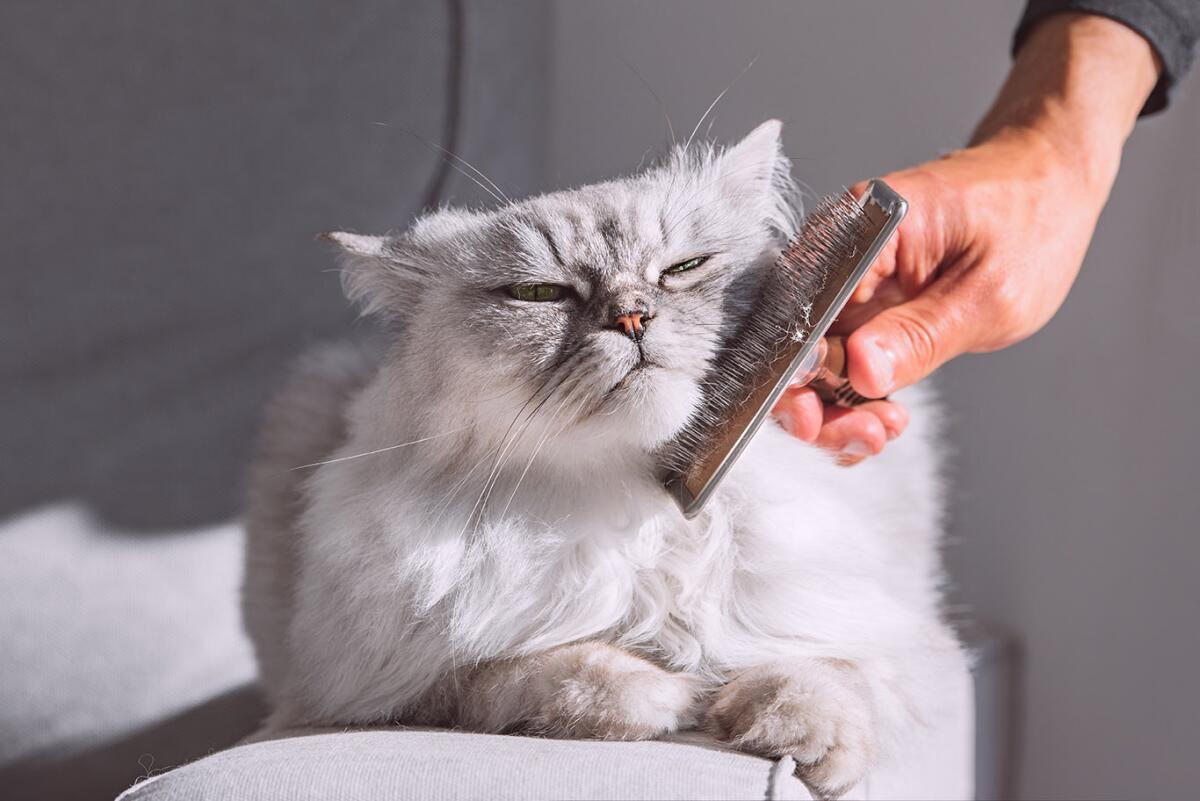
Have you noticed your cats licking spots on each other that they can’t easily reach themselves? Grooming partners help clean areas like the back of the neck and behind the ears, places that are tough for a cat to access alone.
This mutual grooming reduces dirt, loose fur, and even parasites in those tricky spots. It’s like having a personal hygiene assistant that ensures no spot is left untouched.
Promoting Skin Health
Grooming stimulates blood flow to the skin, which helps keep it healthy and nourished. When cats lick each other, they spread natural oils that protect their fur and skin from dryness and irritation.
Regular grooming also helps remove dead skin cells, reducing the risk of skin infections and promoting faster healing of minor wounds. How often do you see your cats engaged in this healthy habit?
Hierarchy And Dominance
When you observe your cats grooming each other, you might wonder if there’s more to it than meets the eye. Indeed, this behavior often reflects complex social structures that are at play in your feline family. Understanding these dynamics can help you better interpret their interactions and ensure a harmonious environment.
Establishing Social Order
In the world of cats, grooming is not just about cleanliness. It’s a significant part of establishing social order within their group. Cats often groom those they feel close to, reinforcing bonds and trust.
You may notice that one cat grooms more often than the other. This behavior can indicate a leader or a more dominant personality in the group. By allowing another cat to groom them, they might be acknowledging their role in the hierarchy.
Have you ever seen a cat refuse grooming from another? It might be their way of asserting independence or challenging the existing order. Observing these interactions can provide insights into their social structure.
Subtle Power Dynamics
Power dynamics among cats are often subtle and nuanced. Grooming plays a crucial role in these interactions. Cats may use grooming as a way to assert dominance without resorting to aggression.
For instance, a cat that initiates grooming may be asserting their position. The one being groomed, in turn, might accept this to maintain peace and balance. This silent agreement helps keep conflicts at bay.
Consider your own experiences with your cats. Have you seen them swap roles, with the groomer becoming the groomed? This role reversal could indicate a shift in their dynamic, or simply a way to strengthen their bond.
Understanding these subtle cues can deepen your connection with your cats. Next time you see them grooming, take a moment to consider what might be unfolding beneath the surface.
When Grooming Goes Too Far
Cats grooming each other is a sign of bonding and trust. But sometimes, grooming can become excessive or aggressive. This change can stress both cats. It can also lead to skin problems or fights. Recognizing when grooming goes too far helps keep cats happy and safe.
Over-grooming Signs
- Notice bald patches or red, irritated skin.
- Look for constant licking or biting at the same spot.
- Watch if one cat avoids the other frequently.
- Check for signs of discomfort or distress during grooming.
Handling Grooming Conflicts
- Separate cats briefly to reduce stress.
- Offer toys and playtime to distract them.
- Create safe spaces where each cat can relax alone.
- Use calming pheromone diffusers to ease tension.
- Consult a vet if over-grooming or aggression continues.
Encouraging Mutual Grooming
Encouraging mutual grooming among your cats is more than just promoting cleanliness. It builds trust and strengthens their bond. Understanding how to foster this behavior can make your home a happier place for your feline friends.
Creating A Peaceful Environment
Cats are sensitive to stress and tension. A calm home helps them feel safe enough to groom each other. Consider playing soft music or using pheromone diffusers to create a relaxing atmosphere.
Provide quiet spots where your cats can retreat if they feel overwhelmed. Avoid loud noises and sudden changes in their routine. Do you notice your cats grooming less when the household is noisy or chaotic?
Arrange cozy resting areas close to each other. This encourages closeness and makes mutual grooming more likely. Sometimes, just a simple change like adding a shared blanket can invite your cats to get closer.
Tips For Multi-cat Households
- Separate resources:Make sure each cat has its own food bowl, litter box, and bed. This reduces competition and stress.
- Supervise initial interactions:When introducing new cats, watch their behavior carefully. Gradual introductions prevent fear and aggression.
- Encourage playtime together:Use toys that multiple cats can chase or bat at. Shared play builds positive associations.
- Reward friendly behavior:Praise and treat your cats when they groom or interact gently. Positive reinforcement helps them repeat those actions.
Have you tried spending quiet moments near your cats while they groom each other? Your presence can boost their comfort and connection. Watching this natural behavior unfold is one of the most rewarding parts of having more than one cat.
Frequently Asked Questions
Why Do Cats Groom Each Other Frequently?
Cats groom each other to build trust and strengthen social bonds. It shows affection and helps maintain group harmony. Mutual grooming also keeps their fur clean and reduces stress. This behavior indicates a positive relationship between cats in the same household or social group.
Is Mutual Grooming A Sign Of Cat Friendship?
Yes, mutual grooming is a strong sign of friendship among cats. It shows they trust and feel comfortable with each other. Cats use grooming to communicate love and acceptance, reinforcing their social connection and reducing tension or rivalry in their shared environment.
Can Grooming Prevent Cat Conflicts?
Mutual grooming helps prevent conflicts by promoting peace and cooperation. It releases calming pheromones and reduces aggression. Grooming fosters a cooperative atmosphere, making cats less likely to fight. It is a natural way for cats to maintain harmony and avoid stressful encounters.
Does Grooming Help Cats Stay Healthy?
Yes, grooming helps cats stay healthy by removing dirt and loose fur. It also prevents matting and reduces parasites like fleas. When cats groom each other, they reach spots that are hard to clean alone, improving overall hygiene and comfort.
Conclusion
Cats grooming each other shows trust and friendship. It helps them feel safe and calm. Grooming also keeps their fur clean and healthy. This behavior means your cats enjoy each other’s company. It builds strong bonds and reduces stress. Watching them groom can be a sweet moment.
It tells you they feel happy and loved. Keep an eye on this behavior; it is a good sign. Understanding it helps you care for your cats better. Their grooming is more than just cleaning—it is love.

Leave a Reply