Grooming your cat can feel like a battle when your furry friend doesn’t want to cooperate. You want your cat to look and feel healthy, but how do you get them to sit still without stress or scratches?
If you’ve ever struggled with an unwilling cat during grooming, you’re not alone—and there are simple, proven ways to make the process smoother for both of you. Keep reading to discover practical tips that will turn grooming time from a struggle into a moment of calm connection.
Preparing Your Space
Getting your space ready before you start grooming an unwilling cat can make a huge difference. A well-prepared environment helps reduce stress for both you and your furry friend. It can turn a tricky task into a smoother experience.
Choosing The Right Location
Pick a quiet spot with good lighting where your cat feels somewhat comfortable. Avoid busy rooms or places with loud noises that can make your cat more anxious. A bathroom or small bedroom often works well because they limit escape routes.
Think about the surface too. A non-slip area like a towel on a countertop or table helps your cat stay steady. Have you noticed your cat prefers certain spots around the house? Using those familiar places can ease resistance.
Gathering Necessary Tools
Before you begin, collect all grooming tools within arm’s reach to avoid leaving your cat alone mid-groom. Typical tools include a brush or comb suited to your cat’s coat, nail clippers, and pet-safe wipes for cleaning.
Keep treats nearby to reward calm behavior during breaks. Having a small bowl of water and a towel on hand is smart in case of spills or accidents. Missing a tool mid-session can increase your cat’s stress and make grooming harder.
Creating A Calm Atmosphere
Lower your voice and move slowly to signal your cat that there’s no rush or threat. Playing soft, soothing music or white noise can help mask sudden sounds that might startle your cat.
Try using a pheromone diffuser or spray designed to calm cats; many owners find it helps reduce anxiety. Lighting candles or scents might seem relaxing to you, but cats often find strong smells overwhelming—stick to neutral or unscented spaces.
Have you ever noticed how your own mood affects your cat’s behavior? Staying relaxed yourself encourages your cat to calm down too. Patience and a gentle touch go hand in hand with a peaceful environment.
Understanding Cat Behavior
Grooming a cat that does not want to be groomed can be tough. Understanding cat behavior helps make the process easier and safer. Cats show how they feel through their actions and body language. Knowing these signs can prevent stress and keep grooming calm.
Recognizing Stress Signals
Cats show stress in many ways. Watch for:
- Hissing or growling sounds
- Flattened ears
- Tail flicking or twitching
- Hiding or trying to escape
- Sudden biting or scratching
These signs mean your cat feels scared or upset. Stop grooming and give them time to relax.
Reading Body Language
Body language says a lot about a cat’s mood. Look at their eyes, ears, and tail. A calm cat has relaxed eyes and ears facing forward. A tense cat may have wide eyes and ears pulled back. The tail can show feelings too. A slowly moving tail means the cat is thinking. A fast-moving tail means annoyance or anger.
Timing Grooming Sessions
Pick the right time for grooming. Choose moments when your cat is calm or sleepy. Avoid times when they are active or hungry. Short sessions work best. Five to ten minutes is enough. Stop if your cat gets upset. Try again later with gentle strokes and soft words.
Gentle Handling Techniques
Grooming an unwilling cat requires patience and a soft approach. Gentle handling techniques can transform a stressful experience into a calm bonding moment. Your cat will respond better if you respect their boundaries and move with care.
Approaching Your Cat Slowly
Start by getting your cat’s attention without rushing. Move slowly and speak softly to avoid startling them.
Try sitting near your cat and letting them come to you first. If they seem tense, pause and give them time to relax.
Have you noticed how a sudden movement can make your cat dart away? Avoid that by making your approach predictable and calm.
Using Soothing Touches
Once your cat is comfortable with your presence, use gentle strokes to calm them down. Focus on areas they usually enjoy, like behind the ears or under the chin.
Keep your hand relaxed and move slowly. Light, rhythmic petting can help your cat feel safe and reduce resistance during grooming.
Remember, your touch sets the tone. If your cat starts to tense, soften your pressure or pause to let them settle.
Avoiding Common Mistakes
Don’t grab or hold your cat tightly; it often increases their stress and resistance. Instead, use gentle restraint only if absolutely necessary.
Avoid forcing grooming sessions when your cat is clearly agitated. Break the task into shorter, more frequent sessions instead.
Watch for signs of discomfort like tail flicking or flattened ears. Ignoring these cues can make future grooming harder.
Step-by-step Grooming Process
Grooming an unwilling cat can feel like a challenge, but breaking the process into clear, manageable steps helps keep both you and your feline calm. Patience and gentle handling matter more than speed. Understanding each part of grooming lets you adjust your approach, making the experience smoother for your cat and more effective for you.
Brushing Fur Effectively
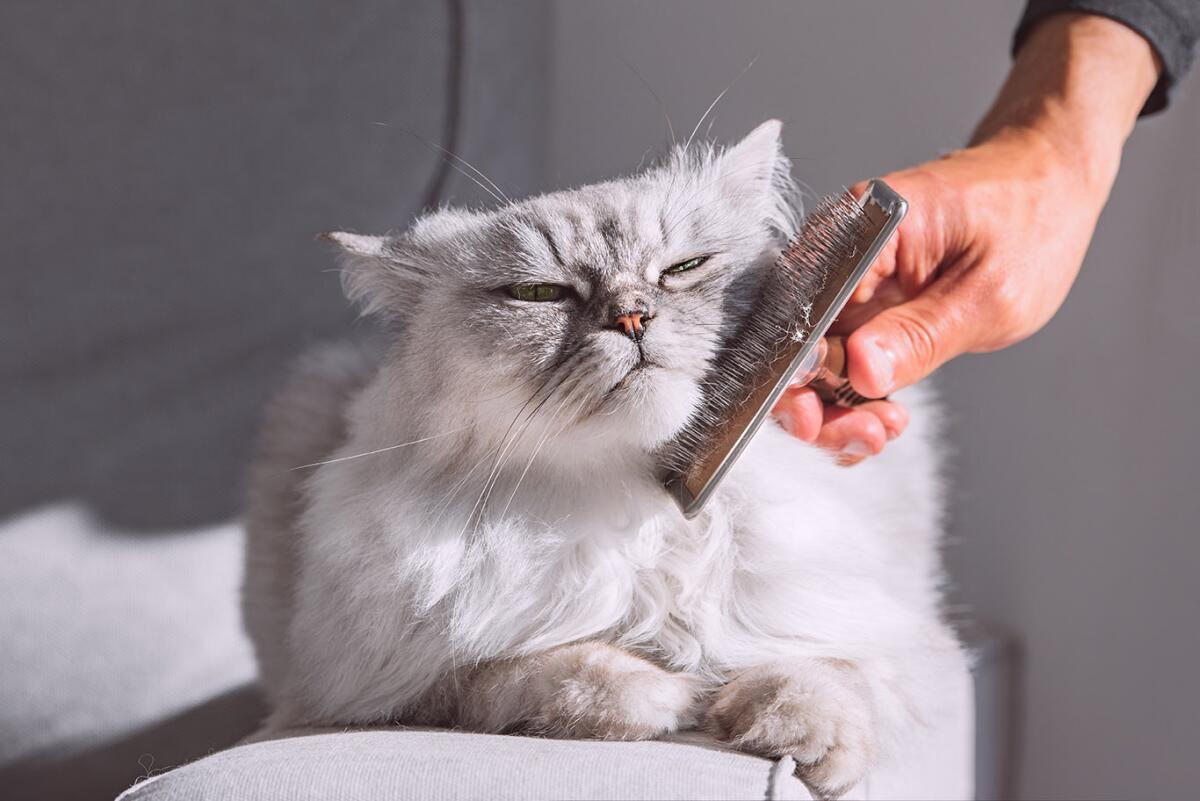
Start by choosing the right brush for your cat’s fur type—slicker brushes work well for long-haired cats, while rubber brushes suit short-haired breeds. Let your cat sniff and explore the brush before you begin to reduce anxiety.
Brush in the direction of hair growth using gentle, slow strokes. If your cat resists, pause and speak softly to soothe them. Focus on small areas at a time to avoid overwhelming your cat and to spot any mats or skin issues early.
Trimming Nails Safely
Use a pair of sharp, cat-specific nail clippers. Hold one paw gently but firmly, pressing the pad to extend the nails. Avoid cutting into the pink part, known as the quick, to prevent pain and bleeding.
If your cat struggles, trim just one or two nails per session and reward them with treats or affection. Are you noticing subtle signs your cat is uncomfortable? Adjust your grip or take a break to keep the experience positive.
Cleaning Ears And Eyes
Use a damp cotton ball or a soft cloth to wipe away dirt and discharge from the eyes. Always wipe away from the nose to avoid pushing debris deeper. For ears, use a vet-approved ear cleaner and apply it to a cotton ball, never directly into the ear canal.
Gently clean the outer ear folds, avoiding deep probing. If you see redness, swelling, or foul smell, consult your vet instead of cleaning yourself. How often do you check these areas? Regular inspection can catch problems early.
Managing Resistance
Managing resistance during grooming is key to a calm, safe experience. Cats often resist because they feel scared or uncomfortable. Understanding their behavior helps reduce stress for both of you.
Patience and gentle handling build trust. Small steps make grooming easier over time. Recognize signs of stress and adjust your approach accordingly.
Distracting Your Cat
Use toys or gentle sounds to shift your cat’s attention. Soft talking or tapping nearby may help. Moving slowly keeps your cat calm and curious.
Offer a favorite toy just before grooming starts. This creates a positive connection with the activity. Distraction reduces fear and makes grooming smoother.
Using Treats And Rewards
Give small treats during and after grooming sessions. Treats encourage good behavior and make your cat feel safe. Use healthy snacks your cat loves.
Reward your cat for staying still or calm. Praise with soft words reinforces positive actions. Consistent rewards help your cat accept grooming more easily.
When To Take Breaks
Watch for signs of stress like growling or struggling. Stop grooming if your cat seems too upset. Short breaks let your cat relax and reset.
Breaks prevent negative associations with grooming. Use these moments to pet or comfort your cat. Resume only when your cat feels ready.
Tools To Ease Grooming
Grooming an unwilling cat can be a challenge. The right tools make the process easier and less stressful for both of you. Choosing gentle and effective grooming tools helps keep your cat calm. It also reduces the chance of scratches or escapes. Here are some helpful tools to ease grooming.
Best Brushes And Combs
Soft bristle brushes work well for short-haired cats. They remove loose hair and dirt gently. For long-haired cats, use wide-tooth combs to detangle knots carefully. Slicker brushes help remove mats and loose fur without pulling harshly. Brushes with rounded tips protect your cat’s skin. Choose brushes that fit comfortably in your hand. This gives you better control during grooming.
Grooming Gloves
Grooming gloves feel like petting your cat. They have soft rubber tips that catch loose fur. These gloves are less scary than brushes for shy cats. They also allow you to groom hard-to-reach spots. Gloves are easy to use and clean. They help build trust during grooming sessions.
Calming Products And Sprays
Calming sprays contain natural scents like lavender or chamomile. These scents help relax nervous cats. Spray a little on your hands or the grooming area. Some products have pheromones that mimic cat comfort signals. Use them before and during grooming. These calming aids reduce stress and make grooming smoother.
When To Seek Professional Help
Consider seeking professional help if your cat becomes aggressive during grooming. A professional groomer or vet can safely handle the situation and keep your cat calm.
When your feline friend resists grooming, it can be a challenging situation. Sometimes, despite your best efforts, your cat might not cooperate. Recognizing when to seek professional help is crucial for the well-being of both you and your pet. Professional groomers and veterinarians have the skills and experience to handle even the most resistant cats, ensuring they remain calm and safe during the process.Signs Grooming Is Too Stressful
If your cat becomes excessively agitated or aggressive during grooming sessions, it’s a clear sign of stress. You might notice heavy breathing, dilated pupils, or hissing. These are indicators that it’s time to stop and consider other options. Continually forcing grooming could lead to a breakdown of trust between you and your cat.Finding A Trusted Groomer
Look for groomers who specialize in cats or have experience with anxious pets. Ask for recommendations from friends or your veterinarian. Visit the grooming facility beforehand to ensure it’s a calm and safe environment. Trust is key, so choose someone who understands and respects your cat’s unique needs.Veterinary Assistance
Sometimes, the underlying issue might be medical. If your cat’s behavior changes drastically during grooming, consult your vet. They can check for any hidden health issues causing discomfort. Your vet might also suggest mild sedatives for particularly difficult grooming sessions, ensuring your cat remains calm and relaxed.Frequently Asked Questions
How Can I Calm A Cat Before Grooming?
Use gentle petting and soft talking to relax your cat. Offer treats and take breaks. A calm environment helps reduce stress during grooming sessions.
What Tools Are Best For Grooming A Reluctant Cat?
Choose soft-bristle brushes and grooming gloves. Avoid harsh combs that may hurt. Use tools designed for sensitive or short-coated cats.
How Do I Prevent Scratches During Grooming?
Wear long sleeves and use slow, gentle strokes. Distract your cat with treats and toys. Stop if your cat becomes too stressed to avoid injuries.
How Often Should I Groom An Unwilling Cat?
Aim for short sessions two to three times a week. Frequent, gentle grooming helps your cat get used to the routine and reduces matting.
Conclusion
Grooming a cat that does not want to be groomed takes time and patience. Small steps help your cat feel safe and calm. Use gentle touches and soft voices to build trust. Keep sessions short and stop if your cat gets upset.
Over time, your cat may accept grooming more easily. Remember, caring for your pet’s coat keeps them healthy and happy. Stay calm and consistent. Your effort will make a big difference for your cat’s comfort.

Leave a Reply