If you have a Turkish Angora cat or are thinking about getting one, you probably want to keep its coat looking soft and beautiful. But how do you groom a Turkish Angora cat without causing stress or making a mess?
This guide will show you simple, effective tips to keep your cat’s fur silky and healthy. By learning the right grooming routine, you’ll strengthen your bond with your pet and enjoy a happy, shiny companion. Keep reading to discover the secrets to easy grooming that your Turkish Angora will love.
Turkish Angora Coat Traits
The Turkish Angora cat is famous for its beautiful coat. This coat is soft, smooth, and quite delicate. It needs gentle care to keep its shine and health. Understanding the coat traits helps in proper grooming and maintenance.
Silky And Fine Texture
The Turkish Angora’s fur is silky and fine. It feels soft to touch, almost like silk fabric. The hair strands are thin, not thick or coarse. This texture means the coat can easily tangle and knot. Regular brushing prevents mats and keeps the fur smooth.
Common Colors And Patterns
These cats come in many colors and patterns. White is the most popular color. Other common colors include black, blue, red, cream, and tabby. Some have solid colors, while others show spots or stripes. This variety adds to their charm and beauty.
Seasonal Shedding
Shedding happens more during seasonal changes. Spring and fall bring heavier hair loss. You will notice loose fur around the house. Daily brushing helps remove dead hair. It also reduces hairballs and keeps the coat healthy.
Essential Grooming Tools
Grooming your Turkish Angora cat requires the right tools to keep their fine, silky fur in top condition. Using the proper equipment makes the process easier and more effective. It also helps your cat feel comfortable and cared for during grooming sessions.
Best Brushes For Fine Fur
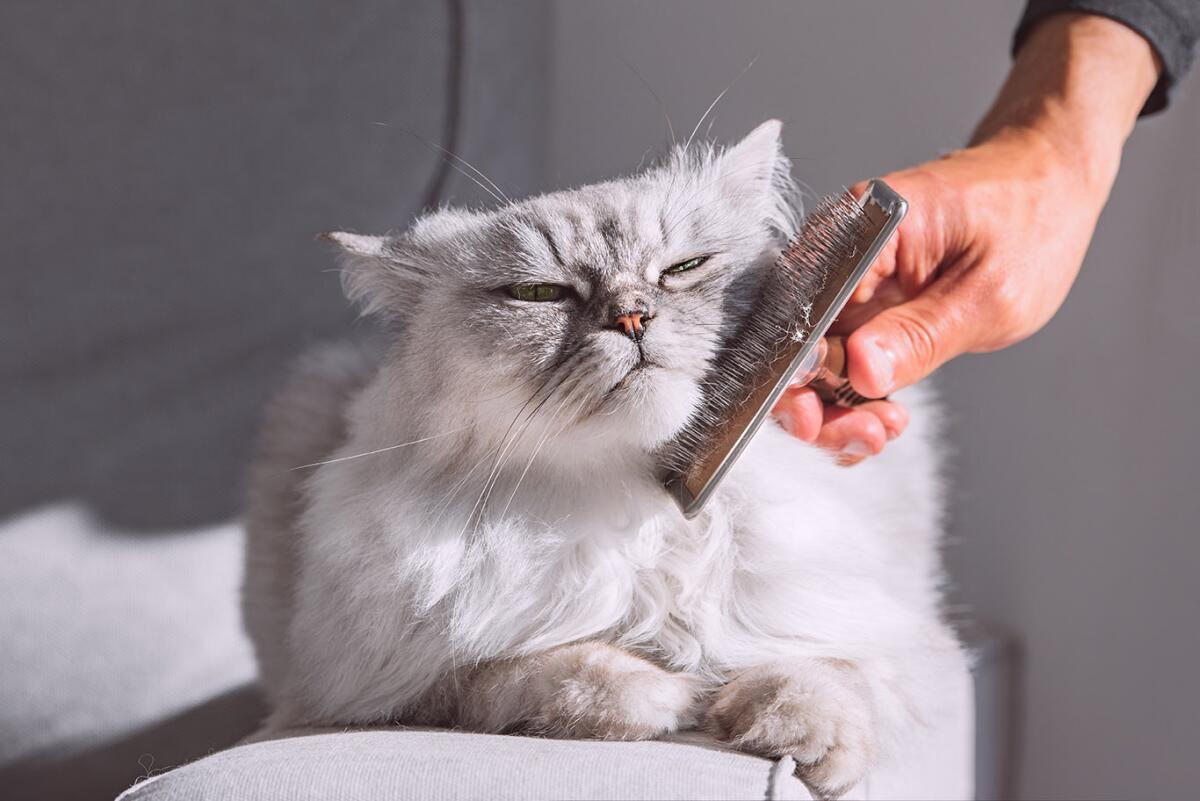
Choose brushes designed specifically for delicate, fine fur like that of a Turkish Angora. A soft-bristle brush works well to remove loose hairs without irritating the skin. Slicker brushes are also great for gently detangling and preventing mats.
Look for brushes with rounded tips to avoid scratching your cat. You might find that a combination of brushes works best—one for daily brushing and a slicker brush for occasional deep grooming. Have you noticed how a gentle brush can calm your cat and build trust?
Combs And Their Uses
Combs are essential for detangling and catching stubborn knots that brushes can miss. A wide-tooth comb helps loosen larger tangles, while a fine-tooth comb is perfect for smooth finishing touches. Using both ensures your cat’s coat stays smooth and shiny.
Regular combing also helps you check for skin issues or parasites early. Keep your combs clean and free of hair to maintain their effectiveness. Have you tried running a comb through your cat’s coat and noticed how much fluff comes out?
Nail Clippers And Accessories
Trimming your Turkish Angora’s nails is key to their comfort and your furniture’s safety. Use sharp, cat-specific nail clippers to make clean cuts without splitting the nails. Avoid using human clippers as they can cause discomfort.
Consider nail caps or scratching posts as additional tools to protect your cat’s claws and your belongings. Keep styptic powder nearby in case of accidental nail trimming too close to the quick. How confident do you feel when clipping your cat’s nails? Practicing regularly can make a big difference.
Daily Grooming Routine
Keeping a Turkish Angora cat clean and comfortable requires a daily grooming routine. This routine supports healthy skin and a shiny coat. It also helps catch any skin issues early. Spending a few minutes every day makes grooming easier and more enjoyable for your cat.
Brushing Techniques
Use a soft-bristle brush or a wide-tooth comb for brushing. Brush gently in the direction of hair growth. Start from the head and move toward the tail. Pay attention to the undercoat to remove loose hair. Brush at least once daily to prevent tangles and shedding. Brushing also stimulates blood flow and spreads natural oils.
Cleaning The Ears And Eyes
Check ears for dirt or wax build-up. Use a damp cotton ball or soft cloth to clean the outer ear. Avoid pushing anything deep inside. Wipe eyes gently with a moist cloth if you see discharge. Turkish Angoras can have watery eyes, so regular cleaning helps prevent infections.
Checking For Mats And Tangles
Run your fingers through the fur daily to feel for mats. Mats often form behind the ears, under the legs, and around the neck. Use a comb to carefully detangle any knots. Never pull hard to avoid hurting your cat. Regular checks keep the coat smooth and healthy.
Bathing Tips
Grooming a Turkish Angora cat involves more than just brushing. Bathing is essential for their coat’s health and shine. Knowing the right techniques ensures a stress-free experience for both you and your cat. Let’s explore some key aspects of bathing your Turkish Angora.
When To Bathe Your Cat
Turkish Angoras have a silky coat that needs regular care. Bathe them every 4-6 weeks to maintain cleanliness. Overbathing can strip their natural oils, leading to dryness. Ensure you bathe them only when necessary, like if they get dirty or oily.
Choosing The Right Shampoo
Use a cat-specific shampoo for your Turkish Angora. Human shampoos are too harsh for their sensitive skin. Look for a gentle formula that enhances coat shine. Always check for any allergic reactions by doing a patch test first.
Drying And Aftercare
After bathing, dry your cat with a soft towel. Gently pat the fur to remove excess water. Avoid using a hairdryer as it can frighten your cat. Ensure they are warm and comfortable until fully dry. Brush their coat once dry to prevent tangles.
Nail Care And Maintenance
Nail care is an essential part of grooming your Turkish Angora cat. Their sharp nails can cause scratches to you and damage to your furniture if not maintained properly. Regular nail maintenance keeps your cat comfortable and your home safe.
Safe Trimming Practices
Trim your cat’s nails using a proper pet nail clipper to avoid splintering. Hold your cat’s paw gently but firmly, exposing the tip of the nail without causing stress. Focus on cutting only the sharp tip, steering clear of the pink quick, which contains nerves and blood vessels.
If you’re unsure where the quick ends, try trimming in small increments. Frequent, small trims are better than one aggressive session. Have styptic powder or cornstarch ready in case of accidental bleeding.
Avoiding Common Mistakes
Never cut nails too short or rush through the process; this can hurt your cat and make future trimming difficult. Avoid trimming when your cat is anxious or overly active—wait until they’re calm or sleepy. Don’t use human nail clippers, as they can crush the nail instead of cleanly cutting it.
Some cat owners make the mistake of ignoring nail care entirely, assuming cats naturally wear their nails down. Turkish Angoras, with their indoor lifestyle and soft surfaces, rarely file nails naturally, so regular trims are necessary.
Using Scratch Posts
Encourage your Turkish Angora to use scratch posts regularly. Scratching helps naturally wear down nails and keeps them healthy. Place posts in areas your cat frequents and reward them with treats when they use it.
Choose a scratch post with sturdy material and a comfortable height. Some cats prefer vertical posts, while others like horizontal scratchers—observe your cat’s preference. Consistent use of scratch posts reduces the frequency of nail trims and protects your furniture.
Diet And Coat Health
Keeping your Turkish Angora’s coat in top shape depends heavily on what goes into their diet. The right food not only fuels their playful energy but also supports a fur that’s soft, shiny, and healthy. Paying attention to diet can save you time on grooming and keep your cat feeling great.
Nutrients For Shiny Fur
Protein is crucial for your Angora’s coat because fur is made mainly of keratin, a type of protein. Look for high-quality animal proteins like chicken, turkey, or fish in their meals.
Omega-3 and Omega-6 fatty acids play a big role in maintaining the skin’s natural oils and preventing dryness. Foods rich in fish oil or flaxseed oil can make a noticeable difference in fur texture and shine.
Don’t overlook vitamins like Vitamin E and biotin; they support skin health and promote hair growth. Have you checked your cat’s food label for these lately?
Hydration’s Role
Water is just as important as food for a healthy coat. Dehydration can lead to dry, flaky skin and dull fur, which means you might spend more time brushing out tangles.
Make sure your cat always has access to fresh water. Some cats prefer running water, so a pet fountain might encourage them to drink more often.
If your Angora isn’t a big water drinker, try adding wet food to their diet. This boosts fluid intake and supports skin moisture from the inside out.
Supplements To Consider
If your cat’s coat looks lackluster despite a good diet, supplements can help. Fish oil capsules or liquid supplements rich in Omega-3 are popular choices among cat owners.
Probiotics might also improve nutrient absorption, which can indirectly benefit coat health. Before adding anything new, consult your vet to ensure safety and proper dosage.
Have you noticed any changes in your cat’s fur after trying supplements? Tracking these small shifts can guide you in choosing the best routine.
Handling Grooming Challenges
Grooming a Turkish Angora can bring unique challenges. Their soft fur and lively nature require gentle care and patience. Handling these challenges well keeps the cat comfortable and healthy. It also makes grooming a smoother process for both of you.
Dealing With Sensitive Cats
Many Turkish Angoras dislike being touched in certain spots. Their skin can be delicate and easily irritated. Approach grooming with calm and slow movements. Use a soft brush to avoid hurting their skin. Praise and small treats can help them relax. Watch for signs of stress like tail flicking or pulling away. Stop if the cat gets upset and try again later.
Managing Shedding Surges
Turkish Angoras shed more during seasonal changes. Loose fur can stick to furniture and clothes. Brush your cat daily during shedding times. Use a comb that reaches the undercoat to remove dead fur. Bathing occasionally can help reduce shedding. Keep the home clean by vacuuming often. A balanced diet also supports healthy fur and less shedding.
When To Visit A Professional
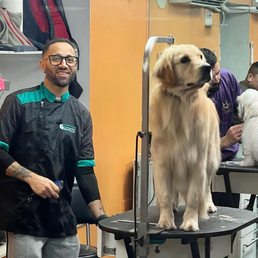
Some grooming tasks need expert care. Mats and tangles that are hard to remove require a groomer. Nail trimming can be tricky if the cat is nervous. Professionals handle these safely. Regular vet visits also check for skin problems or parasites. Seek help if you notice bald spots, redness, or unusual hair loss. Early care prevents bigger health issues.
Frequently Asked Questions
How Often Should I Groom A Turkish Angora Cat?
Turkish Angoras need grooming at least twice a week. Regular brushing prevents mats and reduces shedding. More frequent grooming is needed during shedding seasons. It keeps their silky coat healthy and shiny.
What Tools Are Best For Grooming Turkish Angoras?
Use a soft-bristle brush or a stainless steel comb. These tools gently remove loose hair without damaging the coat. Avoid harsh brushes that can irritate their sensitive skin. Regular grooming tools maintain the cat’s elegant fur.
How Do I Prevent Matting In Turkish Angora Fur?
Brush the cat’s coat regularly, focusing on problem areas like behind ears. Mats form when fur tangles and is not brushed out. Detangle gently with fingers or a wide-tooth comb. Consistent grooming stops mats from forming.
Can Grooming Reduce Turkish Angora Shedding?
Yes, grooming removes loose fur before it falls off. Regular brushing minimizes shedding around your home. It also helps distribute natural oils, improving coat health. Grooming controls shedding effectively.
Conclusion
Grooming a Turkish Angora cat keeps its coat healthy and shiny. Regular brushing prevents mats and reduces shedding. Pay attention to their ears, eyes, and nails too. Gentle care helps build trust and a strong bond. Small daily efforts bring big rewards over time.
Enjoy the grooming moments with your beautiful cat. It makes both of you happy and comfortable. Keep these tips in mind for a happy, healthy pet.

Leave a Reply