If you want your cat to look and feel their best, grooming is a must. But getting your cat groomed can sometimes feel like a challenge.
You might wonder how to make the process smooth and stress-free for both you and your furry friend. You’ll discover simple steps and expert tips that will help you keep your cat clean, comfortable, and happy. By the end, you’ll feel confident about grooming your cat at home or choosing the right professional groomer.
Let’s dive in and make grooming a positive experience for your beloved pet.
Choosing The Right Grooming Tools
Choosing the right grooming tools is key to keeping your cat comfortable. Proper tools make grooming easier and safer. They help remove dirt, loose fur, and prevent mats. Good tools also reduce stress for both you and your cat. Invest in quality items designed specifically for cats. This ensures gentle care and better results.
Essential Brushes And Combs
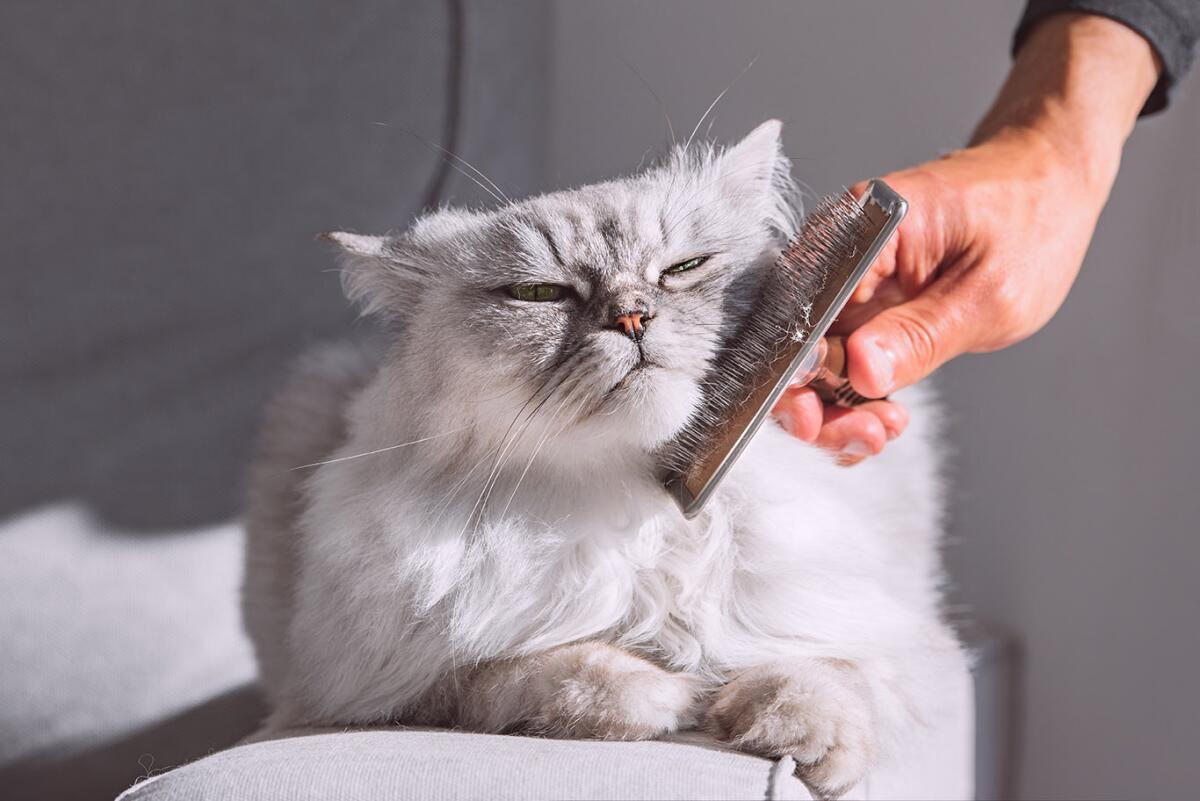
Brushes and combs help maintain your cat’s fur health. Use a soft bristle brush for short-haired cats. It removes loose hair and dirt without hurting the skin. For long-haired cats, choose a slicker brush. It untangles knots and mats gently.
A metal comb is great for checking under the fur. It catches small tangles and debris easily. Regular brushing prevents hairballs and keeps the coat shiny. Brush your cat slowly and calmly for a positive experience.
Selecting Nail Clippers
Nail clippers designed for cats are small and sharp. Choose a tool with a safety guard to avoid cutting too short. This protects your cat’s quick, the sensitive part inside the nail. Use clippers with a comfortable grip for better control.
Trim nails carefully and only a little at a time. Frequent trimming prevents overgrown nails and scratching issues. Keep the clippers clean to avoid infections. Calm your cat before clipping by petting or using treats.
Finding Suitable Shampoos
Select shampoos made specifically for cats. Human shampoos can irritate their skin. Choose gentle, fragrance-free formulas to avoid allergies. Some shampoos target fleas, ticks, or skin problems. Read labels to match your cat’s needs.
Test a small amount of shampoo on your cat first. Watch for any signs of irritation or discomfort. Use lukewarm water during baths to keep your cat calm. Rinse thoroughly to remove all shampoo residues.
Preparing Your Cat For Grooming
Preparing your cat for grooming helps make the process smooth and stress-free. Cats are sensitive to new experiences. Gentle preparation can ease their anxiety. This creates a positive grooming routine over time.
Creating A Calm Environment
Choose a quiet room with little noise or distraction. Turn off loud electronics and avoid sudden movements. Soft lighting can help your cat feel safe. Keep the area clean and free of clutter. A calm space reduces stress and helps your cat relax.
Getting Your Cat Comfortable
Spend time petting and talking softly to your cat. Let your cat sniff the grooming tools before using them. Use gentle strokes and short sessions at first. Reward your cat with treats or praise. This builds trust and makes grooming less scary.
Timing Your Grooming Sessions
Pick a time when your cat is naturally calm or sleepy. Avoid grooming right after meals or during active play. Keep sessions short—five to ten minutes is ideal. Frequent, brief sessions help your cat adjust better. Slowly increase the time as your cat gets used to grooming.
Brushing Techniques For Different Coats
Brushing your cat regularly keeps their coat healthy and shiny. Different coat types need different brushing styles. Understanding these helps make grooming easier. Cats with short or long hair have unique needs. Tackling mats and tangles requires special care. Follow these tips for the best results.
Short-haired Cats
Use a soft-bristle brush or rubber grooming mitt. Brush in the direction of hair growth. Short strokes work best to remove loose fur. Focus on areas like the neck and back. Brush two to three times per week for cleanliness. Be gentle to avoid skin irritation. Regular brushing reduces shedding and hairballs.
Long-haired Cats
Choose a wide-toothed comb or slicker brush. Start brushing from the head and move to the tail. Separate the hair into sections for better reach. Brush thoroughly but softly to prevent pulling. Brush daily to avoid knots and mats. Pay attention to the belly and behind ears. Long coats trap dirt and loose hair easily.
Dealing With Mats And Tangles
Use a detangling spray or conditioner made for cats. Hold the fur close to the skin to reduce pulling. Work on mats gently with a wide-toothed comb. Break large mats into smaller parts before combing. Never cut mats with scissors; it risks injury. If mats are severe, seek help from a professional groomer. Regular brushing helps prevent mats from forming.
Bathing Your Cat Safely
Bathing your cat can seem hard, but it is possible to do it safely. Cats usually clean themselves, so baths are not often needed. Sometimes, a bath helps remove dirt, allergens, or sticky substances from their fur. The key is to keep your cat calm and comfortable. Use gentle water and special cat shampoo. Avoid stress for both you and your cat during the process.
When To Bathe Your Cat
Baths are needed only in certain cases. Your cat may need a bath if it gets very dirty or sticky. If your cat has fleas or skin problems, a bath with medicated shampoo may help. Older cats or those with health issues may need help with grooming. Avoid frequent baths as they can dry your cat’s skin. Check with a vet if unsure about bathing your cat.
Step-by-step Bathing Guide
- Prepare the bathing area with warm water and non-slip mat.
- Use a cup or gentle spray to wet your cat’s fur slowly.
- Apply a small amount of cat shampoo and lather carefully.
- Keep shampoo away from eyes, ears, and mouth.
- Rinse thoroughly with warm water to remove all shampoo.
- Speak softly and handle your cat gently throughout the bath.
- Have treats ready to reward calm behavior.
Drying Tips
Wrap your cat in a soft towel right after the bath. Gently pat dry to remove water from fur. Avoid rubbing, which can tangle fur or irritate skin. Use a hairdryer only if your cat tolerates the sound and heat. Keep the dryer on low and move it constantly. Make sure your cat stays warm until fully dry. Brush your cat’s fur after drying to prevent mats.
Trimming Nails Without Stress
Trimming a cat’s nails can be easy with patience and gentle handling. Create a calm environment to keep your cat relaxed. Use proper tools and take breaks to ensure a stress-free grooming experience.
Trimming your cat’s nails can be a daunting task, but it doesn’t have to be. With a calm approach and the right techniques, you can make nail trimming a stress-free experience for both you and your feline friend. The key is to understand the process, be patient, and create a soothing environment.Recognizing The Quick
Understanding where the quick is located in your cat’s nails is crucial. The quick is the sensitive part of the nail that contains nerves and blood vessels. If you cut into it, it can cause pain and bleeding. To avoid this, look for the pinkish area in light-colored nails. In darker nails, take extra caution and trim small bits at a time.Proper Clipping Methods
Start by choosing the right tool—nail clippers designed for cats are best. Position yourself and your cat comfortably. Hold the paw firmly but gently, and extend the nail by pressing the pad. Clip the tip of the nail, avoiding the quick. It’s better to trim a little and often than to cut too much at once. Keep styptic powder handy to stop bleeding if you accidentally cut too deep.Alternatives To Nail Trimming
If trimming seems too stressful for your cat, consider alternatives. Scratching posts and pads can help naturally wear down nails. There are also nail caps available that can be glued to your cat’s claws to prevent scratching. Consulting a professional groomer or vet can provide further guidance and assistance. Finding the right balance between maintaining your cat’s health and reducing stress is essential. What’s your biggest challenge when it comes to grooming your cat?Handling Difficult Cats
Handling a difficult cat during grooming can be challenging. Cats may resist due to fear or discomfort. Understanding their behavior helps ease the process. Patience and gentle care are key to success. This section explores how to recognize stress, calm your cat, and know when to get professional help.
Signs Of Stress And Anxiety
- Restlessness or pacing
- Hissing or growling sounds
- Flattened ears or wide eyes
- Swatting or biting attempts
- Excessive licking or hiding
- Trembling or heavy breathing
Noticing these signs early helps prevent escalation. Stop grooming if your cat shows intense fear.
Techniques To Calm Your Cat
- Speak softly and move slowly
- Use treats to reward calm behavior
- Offer a favorite toy or blanket
- Take breaks to avoid overwhelming
- Try gentle petting before grooming
- Use a quiet and comfortable space
These steps create a safer, calmer environment. Consistency builds trust over time.
When To Seek Professional Help
If your cat remains aggressive or highly stressed, consider experts. Professional groomers have experience with difficult cats. Vets can check for pain or health issues causing fear. Seeking help protects both you and your cat from injury.
Maintaining Regular Grooming Habits
Maintaining regular grooming habits is essential for keeping your cat healthy and comfortable. Regular care not only improves your cat’s appearance but also helps you catch potential health issues early. Building a grooming routine creates a positive experience for both you and your feline friend.
Setting A Grooming Schedule
Decide how often your cat needs grooming based on its breed, coat length, and lifestyle. Short-haired cats might only need brushing once a week, while long-haired cats benefit from daily sessions to prevent mats. Pick consistent times that fit your schedule, such as after breakfast or before bedtime, to make grooming a habit.
Try to keep sessions short but frequent to avoid stressing your cat. If your cat resists, break grooming into several quick sessions over a few days. How could you adjust your timing to make grooming a calming part of your cat’s day?
Monitoring Skin And Coat Health
Use grooming time to check your cat’s skin and coat closely. Look for signs like redness, flakes, bald patches, or excessive oiliness. These clues might indicate allergies, parasites, or infections needing a vet’s attention.
Notice changes in your cat’s fur texture or shedding patterns. These often reflect diet changes, stress, or health conditions. Keeping a simple journal of what you observe can help track your cat’s well-being over time.
Benefits Of Routine Care
Routine grooming reduces shedding and hairballs, making your home cleaner and your cat more comfortable. It also strengthens the bond between you and your cat through gentle touch and attention. Beyond looks, grooming improves circulation and helps spread natural oils, keeping skin healthy.
Have you noticed your cat’s behavior improves after a grooming session? Many cats become calmer and more affectionate. Your commitment to regular grooming can make a real difference in your cat’s happiness and health.
Frequently Asked Questions
How Often Should I Groom My Cat?
Most cats benefit from grooming once a week. Long-haired cats may need grooming several times weekly. Regular grooming prevents mats and reduces shedding. It also helps monitor your cat’s skin health and cleanliness.
What Tools Are Best For Cat Grooming?
Use a soft-bristle brush for short-haired cats. Long-haired cats need a wide-toothed comb and slicker brush. Nail clippers and grooming wipes are helpful too. Choose tools that suit your cat’s coat type for best results.
Can I Groom My Cat At Home Safely?
Yes, with patience and proper tools, home grooming is safe. Start slowly to get your cat comfortable. Use gentle strokes and reward with treats. Avoid sensitive areas like the face and tail until your cat relaxes.
When Should I Take My Cat To A Professional Groomer?
Visit a professional if your cat has severe mats or skin issues. Professionals handle difficult grooming and nail trimming safely. Also consider experts for cats with anxiety or special health needs. Regular professional grooming complements home care.
Conclusion
Grooming your cat keeps them healthy and happy. Regular brushing prevents mats and reduces shedding. Use gentle tools and calm voices to ease stress. Trim nails carefully to avoid hurting your cat. Clean ears and check for any signs of trouble.
Patience and kindness make grooming easier for both of you. A well-groomed cat feels comfortable and looks great. Start slow, and build a routine your cat enjoys. Small steps lead to better care and stronger bonds.

Leave a Reply