Have you ever watched a cat spend hours licking its fur and wondered just how much time it actually spends grooming? If you’re curious about your feline friend’s daily routine and what all that grooming means for their health and happiness, you’re in the right place.
Understanding how much of their life cats dedicate to cleaning themselves can change the way you see their behavior—and even help you care for them better. Keep reading to discover surprising facts about your cat’s grooming habits that might just change everything you thought you knew.
Time Cats Spend Grooming Daily
Cats spend a good part of their day grooming. This habit keeps their fur clean and healthy. Grooming also helps cats relax and stay calm.
Understanding how much time cats spend grooming reveals their care needs. It shows how they maintain their hygiene and comfort daily.
Average Grooming Hours
Cats typically groom themselves for about 1 to 3 hours each day. This time includes licking their fur, cleaning their paws, and wiping their faces. Long-haired cats may spend more time grooming. Short-haired cats usually groom less. Grooming time varies by each cat’s personality and health.
Factors Affecting Grooming Time
- Age:Older cats may groom less due to stiffness or health issues.
- Coat Type:Long-haired cats need more grooming to avoid mats and tangles.
- Weather:Cats may groom more in hot weather to cool down.
- Stress Levels:Stressed cats might groom excessively or avoid grooming.
- Health:Skin problems or pain can reduce grooming activity.
- Breed:Some breeds naturally spend more time grooming than others.
Reasons Behind Grooming Habits
Cats spend a large part of their lives grooming. This behavior is natural and very important. Grooming keeps cats healthy and comfortable. It serves several key purposes that help cats survive and feel good.
Hygiene And Cleanliness
Cats groom to keep their fur clean and free of dirt. They remove loose hair, dust, and parasites like fleas. Grooming helps stop infections by keeping their skin clean. It also prevents mats and tangles in their fur. A clean coat protects them from germs and injuries.
Temperature Regulation
Grooming helps cats control their body temperature. When cats lick their fur, saliva cools them down as it evaporates. This works like natural air conditioning. In cold weather, grooming fluffs their fur to trap heat. This keeps them warm and comfortable.
Stress Relief
Grooming calms cats when they feel anxious or stressed. The repetitive action soothes their mind and body. It helps reduce fear and nervousness. Sometimes cats groom to comfort themselves during changes or threats. Grooming is a way for cats to relax and feel safe.
Grooming Differences Among Cat Breeds
Grooming habits can vary widely among different cat breeds, influenced by their fur type and skin characteristics. Understanding these differences helps you better care for your feline friend and manage their grooming needs effectively. Let’s look at how short-haired, long-haired, and hairless breeds differ in their grooming routines.
Short-haired Cats
Short-haired cats spend a moderate amount of time grooming themselves daily, usually around 15-30% of their waking hours. Their sleek coats require less maintenance, so they focus more on quick, efficient cleaning sessions. If you own a short-haired cat, you might notice they rarely need extra brushing, but regular petting helps distribute natural oils and keeps their fur shiny.
Long-haired Cats
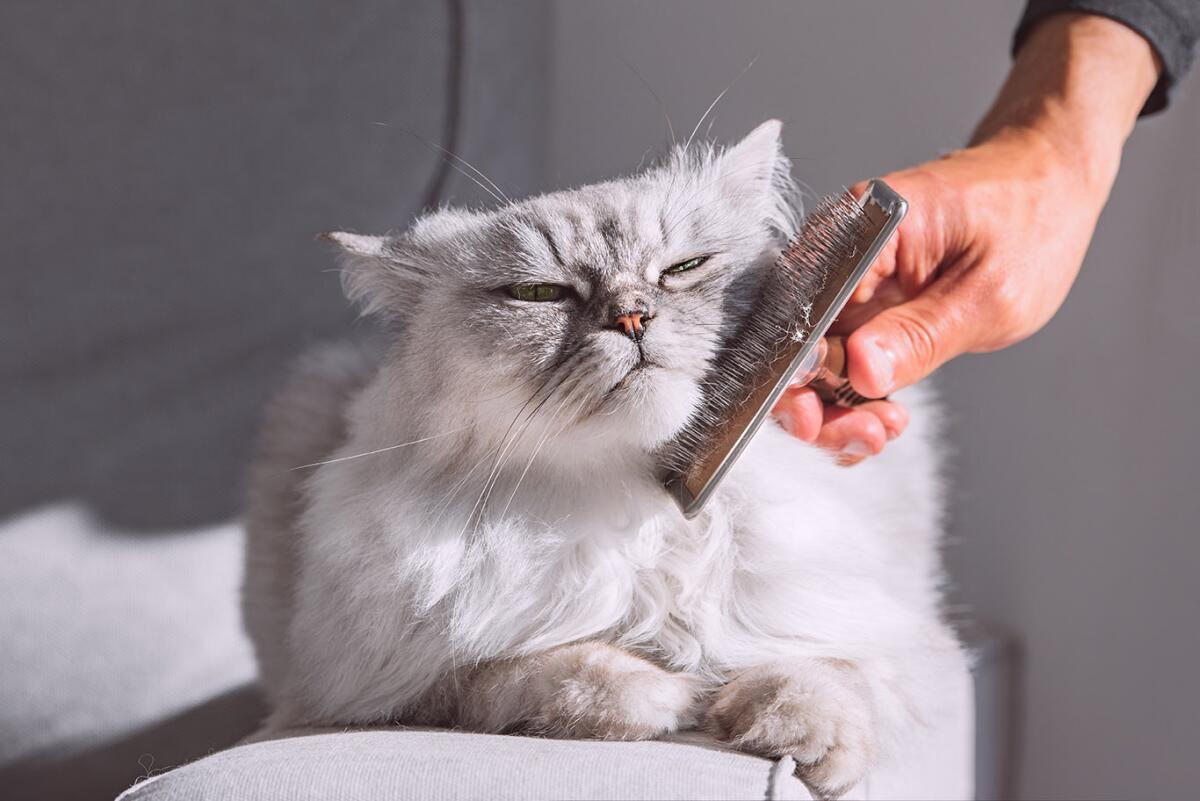
Long-haired cats dedicate much more time to grooming—sometimes up to 50% of their day. Their thick, dense fur can easily mat or tangle, so they lick and comb their coats obsessively. Owners of long-haired breeds often need to step in with daily brushing to prevent painful knots and skin problems. Have you ever tried brushing a long-haired cat? It can be a bonding moment if done gently and patiently.
Hairless Breeds
Hairless cats, like the Sphynx, actually spend quite a bit of time grooming despite having no fur. Their skin produces oils that can build up quickly, so they lick themselves to keep clean. Because they lack a fur barrier, they also need regular baths from their owners to avoid greasy skin and odor. If you have a hairless cat, consider how their grooming routine demands your active involvement.
Grooming Changes Over Cat’s Life
Cats spend a lot of time grooming throughout their lives. This behavior changes as they grow and age. Grooming helps cats stay clean, healthy, and calm. The way cats groom varies from kittenhood to old age. Understanding these changes can help cat owners support their pets better.
Kittens And Grooming
Kittens start grooming themselves at about three weeks old. At first, they lick their fur gently and clumsily. Their mother also licks them to keep them clean. Kittens learn grooming skills by watching their mother. Grooming helps kittens feel safe and warm.
Adult Cats’ Grooming Patterns
Adult cats groom more carefully and often. They spend around 30 to 50 percent of their day grooming. Grooming keeps their coat smooth and free of dirt. It also helps control body temperature. Adult cats use grooming to relax and reduce stress. They lick their fur, paws, and even their face.
Senior Cats And Grooming
Older cats may groom less than younger ones. Arthritis or dental problems can make grooming painful. Their fur might look dull or tangled. Senior cats need help with grooming sometimes. Owners can gently brush their fur to keep it clean. This support helps older cats stay comfortable and healthy.
Health Implications Of Grooming
Cats spend a large part of their lives grooming to keep clean and healthy. Grooming helps remove dirt and parasites while reducing stress. This daily habit supports their skin and fur health over time.
Cats are famously meticulous groomers, spending a significant portion of their day ensuring every inch of their fur is in perfect condition. This behavior isn’t just about looking good; it’s a crucial part of maintaining their overall health. However, grooming habits can sometimes indicate underlying health issues. Understanding these implications can help you ensure your feline friend stays happy and healthy.Overgrooming Signs
Cats sometimes groom to the point of causing harm. This behavior might lead to bald spots or irritated skin. It could be a sign of stress, allergies, or even parasites. If your cat is overgrooming, it’s essential to seek veterinary advice. You don’t want to overlook a potentially serious issue.Undergrooming Concerns
On the flip side, if a cat stops grooming, it might be a red flag. Illness, obesity, or dental problems could be the culprits. An unkempt coat can quickly lead to matting and skin infections. Observe your cat’s grooming habits closely. Is your usually pristine kitty looking a bit shabby? It might be time for a vet visit. Regular grooming is a window into your cat’s health. By paying attention, you can catch potential problems early. So, how often does your cat groom, and what does it tell you about their well-being?How Grooming Strengthens Cat’s Social Bonds
Grooming isn’t just about keeping cats clean. It plays a key role in building and maintaining social connections among cats and between cats and their humans. Understanding this behavior can help you deepen your relationship with your feline friend and even foster harmony among multiple cats in your home.
Mutual Grooming Among Cats
Mutual grooming, or allogrooming, is a powerful way cats show trust and friendship. When cats lick each other’s fur, they share scents and create a sense of belonging within their group. This behavior helps reduce tension and reinforces bonds, especially in multi-cat households.
Have you noticed your cats grooming each other quietly? That’s a sign they feel safe and connected. It also helps keep hard-to-reach areas clean, benefiting their overall health.
Bonding With Owners Through Grooming
Cats don’t limit grooming to themselves or other cats—they often extend this behavior to their human companions. When your cat licks or nibbles your skin or fur, it’s their way of including you in their social circle. These moments can strengthen trust and affection.
If your cat allows you to brush them regularly, you’re tapping into a natural bonding activity. Grooming your cat can calm them, reduce stress, and deepen your emotional connection. Have you tried turning grooming into a daily ritual with your cat?
Frequently Asked Questions
How Much Time Do Cats Spend Grooming Daily?
Cats spend about 30-50% of their waking hours grooming. This means they can groom for 3 to 6 hours daily. Grooming keeps their fur clean, regulates body temperature, and reduces stress.
Why Do Cats Groom Themselves So Often?
Cats groom to remove dirt, loose fur, and parasites. It also helps distribute natural oils, keeping their coat healthy. Grooming is a vital behavior for comfort and hygiene.
Does Grooming Affect A Cat’s Health?
Yes, grooming improves a cat’s skin and coat health. It prevents matting and reduces the risk of infections. Regular grooming also helps cats detect injuries early.
Can Grooming Indicate A Cat’s Mood?
Yes, excessive grooming may signal stress or anxiety in cats. Lack of grooming can indicate illness or discomfort. Observing grooming habits helps monitor a cat’s well-being.
Conclusion
Cats spend a large part of their day grooming. This habit keeps their fur clean and healthy. Grooming also helps cats relax and feel safe. It shows how much they care about themselves. Understanding this behavior helps us appreciate our pets more.
Next time you see a cat grooming, remember it’s normal and important. Their time spent grooming is a small but vital part of their daily life.

Leave a Reply