Have you ever watched your cat carefully licking her fur and wondered, “How often should my cat groom herself?” Grooming is more than just a neat habit for cats—it’s a vital part of their health and happiness. But how much grooming is normal, and when should you step in to help?
Understanding your cat’s grooming routine can reveal a lot about her well-being. Keep reading to discover the signs of a healthy grooming habit and what you can do if things don’t look quite right. Your cat’s comfort and care start here.
Cat Grooming Basics
Cats are natural groomers. Grooming keeps their fur clean and healthy. It also helps them feel comfortable. Understanding cat grooming basics helps owners care better for their pets. Cats spend a good part of their day grooming themselves. This behavior is normal and important for their well-being.
Why Cats Groom Themselves
Cats groom to clean dirt and loose hair from their coats. Grooming removes parasites like fleas and ticks. It also helps regulate body temperature by spreading natural oils. Cats groom to calm themselves when stressed or anxious. Grooming strengthens bonds between cats when done together.
Common Grooming Behaviors
- Licking their fur with a rough tongue
- Biting or nibbling at knots or tangles
- Using their front paws to clean their face
- Scratching with their claws to remove dead skin
- Rolling on the floor to loosen dirt
Benefits Of Self-grooming
Self-grooming keeps a cat’s coat shiny and smooth. It reduces shedding and hairballs. Grooming removes allergens from their fur. It helps cats cool down on hot days. Grooming supports emotional health by reducing anxiety. A well-groomed cat usually feels happier and healthier.
Factors Affecting Grooming Frequency
Understanding the factors that affect how often your cat grooms herself can help you better support her hygiene and health. Grooming frequency isn’t the same for every cat—it changes based on a few key aspects. Paying attention to these can also alert you if something unusual is happening with your cat’s well-being.
Breed And Coat Type
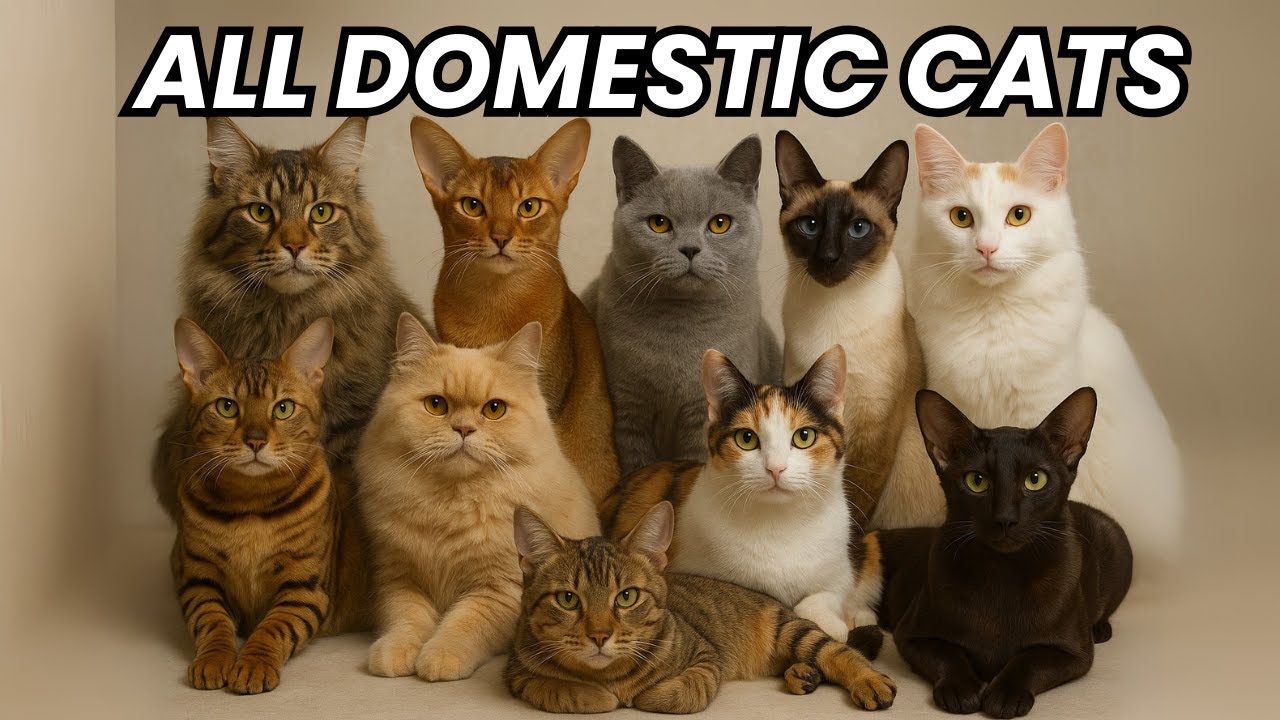
Different breeds have different grooming needs. Cats with long, thick fur like Persians or Maine Coons usually spend more time grooming to prevent mats and tangles. Short-haired breeds, such as the American Shorthair, often groom less frequently because their coats are easier to maintain.
Have you noticed your long-haired cat struggling with knots? You might need to brush her more often or help with grooming sessions. Your cat’s coat type directly affects how much time she invests in keeping clean.
Age And Health Conditions
Older cats tend to groom less because of reduced mobility or arthritis pain. If you see a sudden drop in grooming, it might signal health issues like dental problems or skin infections. Kittens and young cats usually groom more actively as part of learning and maintaining their cleanliness.
Watch for signs like greasy or matted fur, which could indicate your cat isn’t grooming enough. Regular vet check-ups can catch health problems that affect grooming habits early on.
Environmental Influences
Your cat’s surroundings also play a big role. Outdoor cats might groom more often to clean off dirt, pollen, or parasites they pick up. Indoor cats often have less debris to deal with, so their grooming might be less frequent.
Changes in weather can impact grooming too. Dry air might cause itchy skin, prompting more licking and grooming, while hot weather might lead to less grooming as cats try to cool down. How does your cat’s environment affect her grooming routine?
Signs Of Normal Grooming
Understanding the signs of normal grooming in cats helps you keep your pet healthy. Cats groom themselves to stay clean, cool, and comfortable. Watching their grooming habits shows if they feel well or stressed.
Normal grooming keeps their coat shiny and skin healthy. It also helps control hairballs and reduce shedding. Knowing what to expect lets you spot any changes early.
Daily Grooming Habits
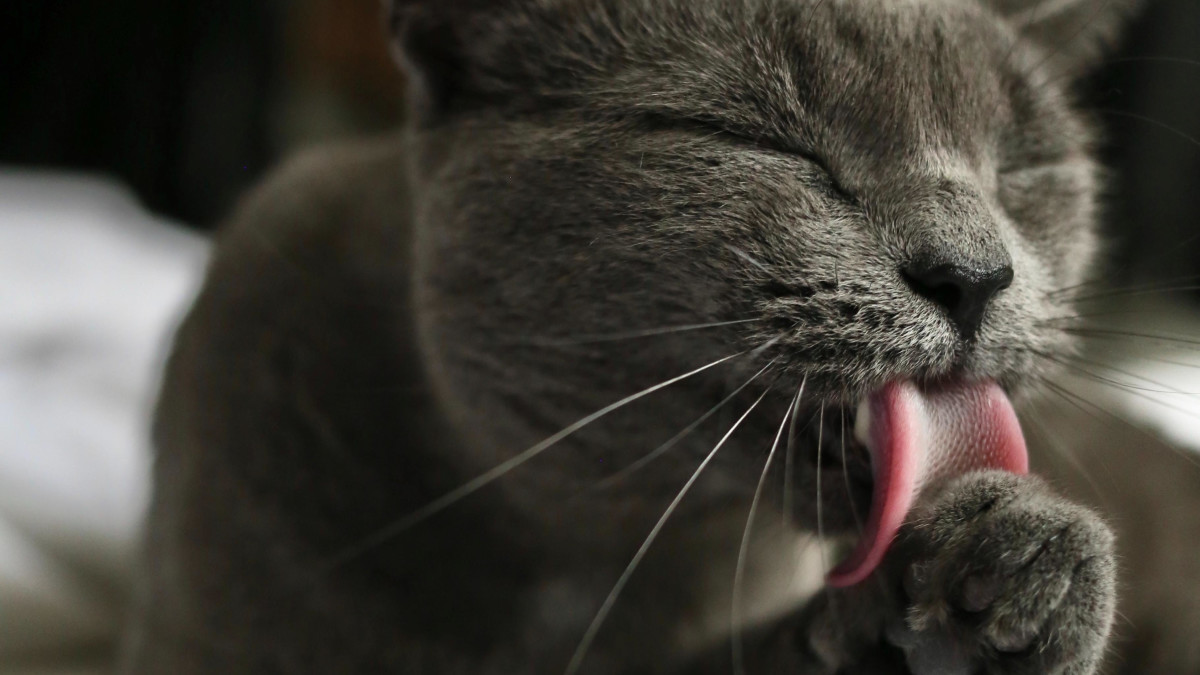
Cats usually groom several times a day. They lick their fur, paws, and face carefully. Grooming often follows eating, waking up, or resting. You may notice your cat using its tongue to clean hard-to-reach spots.
They also use their teeth to remove loose fur and dirt. Grooming is a relaxing routine that helps cats feel calm and safe. Healthy cats will spend about 30 to 50 percent of their waking hours grooming.
Typical Grooming Duration
Each grooming session lasts from a few minutes to about 15 minutes. Short sessions happen throughout the day. Longer grooming might occur after meals or naps. Kittens spend less time grooming than adult cats.
Older cats may groom more slowly but remain thorough. Over-grooming or grooming too little can signal health problems. Normal grooming is balanced and steady, not frantic or rare.
Healthy Coat Indicators
A healthy coat looks smooth and shiny. Fur lies flat without bald patches or mats. The skin beneath should be clean and free from redness or sores. You may notice a soft, pleasant smell from your cat’s fur.
Bright eyes and clean ears often accompany a healthy coat. The coat’s texture feels soft and silky to touch. Dull, greasy, or flaky fur may indicate a grooming or health issue.
When Grooming Frequency Changes
Noticing a change in how often your cat grooms herself can signal important shifts in her health or well-being. Cats are usually meticulous groomers, so any variation in this routine deserves your attention. Understanding these changes helps you catch potential problems early and ensures your cat stays comfortable and healthy.
Over-grooming Symptoms
Over-grooming happens when your cat licks or scratches herself excessively. You might see bald patches, red or irritated skin, or even small wounds. Sometimes, cats over-groom because they feel stressed or anxious—have you noticed if anything in your home has changed recently?
Other signs include constant licking of one spot and restlessness. If your cat seems obsessed with grooming to the point it interferes with her daily activities, it’s time to look closer. Over-grooming can lead to infections, so don’t ignore persistent scratching or hair loss.
Under-grooming Signs
If your cat suddenly grooms less, her coat might look greasy, matted, or dirty. You could find dandruff or notice a strong odor. Cats usually keep themselves clean, so a drop in grooming frequency often points to discomfort or illness.
Watch for changes in behavior like lethargy or hiding, which often go hand-in-hand with under-grooming. Older cats or those with dental pain might avoid grooming because it hurts. If your cat’s fur is dull or tangled, check if she needs extra help with brushing.
Possible Health Issues
Both over-grooming and under-grooming can indicate health problems. Skin allergies, parasites like fleas, or infections often cause over-grooming. On the other hand, arthritis or obesity can make grooming painful or difficult, leading to under-grooming.
Sometimes, internal issues like kidney disease or diabetes affect grooming habits too. If you spot any unusual grooming patterns, it’s smart to visit your vet. Early diagnosis can make a huge difference in treatment and your cat’s comfort.
Helping Your Cat With Grooming
Helping your cat with grooming can strengthen your bond and ensure their coat stays healthy and shiny. While cats are generally diligent self-groomers, they occasionally need a helping hand. Here’s how you can assist your feline friend with their grooming routine.
Brushing Techniques
Regular brushing removes loose fur, prevents tangles, and reduces hairballs. Choose a brush suited to your cat’s fur type, whether it’s short or long. Start by gently brushing in the direction of their fur growth, using slow and calm movements. Make it a relaxing experience by speaking softly to your cat. How often do you brush your cat, and have you noticed any changes in their coat?
Bathing Tips For Cats
Most cats aren’t fans of water, making baths a bit of a challenge. Use a shallow tub with warm water and a cat-friendly shampoo. Wet your cat gently, avoiding their face, and rinse thoroughly. Have a towel ready for a quick dry-off. Remember, bathing should be occasional unless your vet recommends otherwise.
Dealing With Mats And Tangles
Mats and tangles can be uncomfortable and even painful for your cat. Use a detangling spray or conditioner to loosen the mats. Carefully work through the tangle with a mat splitter or wide-tooth comb. Never cut mats out with scissors, as it poses a risk of injury. How do you manage mats in your cat’s fur, and have you found certain tools particularly helpful?
When To Consult A Vet
Knowing when to consult a vet about your cat’s grooming habits can make a huge difference in their health and happiness. Cats usually groom themselves regularly, but changes in this routine might signal underlying problems. Paying attention to specific signs can help you act before minor issues become serious.
Behavioral Changes
If your cat suddenly stops grooming or grooms excessively, it’s a red flag. Behavioral shifts like hiding, irritability, or lethargy often accompany grooming problems. These changes might indicate pain, stress, or illness that needs professional attention.
Have you noticed your cat avoiding their usual spots or becoming less playful? These subtle hints can tell you a lot about how they’re feeling inside. Don’t ignore these signs—your vet can help identify the root cause.
Skin And Coat Problems
Look closely at your cat’s fur and skin. Patchy fur, bald spots, redness, or scabs are clear signals that grooming isn’t going well. These issues can result from allergies, parasites, or infections that require medical treatment.
Sometimes, cats over-groom due to itchy skin, creating sores that worsen over time. If you see this, it’s time to get a vet’s opinion. Early intervention can prevent discomfort and more serious skin conditions.
Persistent Grooming Issues
Occasional missed grooming sessions are normal, but ongoing problems aren’t. If your cat struggles to keep clean for weeks, this could point to arthritis, dental pain, or other health problems. These conditions make grooming physically difficult or painful.
Think about your cat’s age and lifestyle as well. Older cats or those with mobility issues often need extra help. Your vet can offer solutions or treatments to improve your cat’s grooming abilities and overall quality of life.
Frequently Asked Questions
How Often Do Cats Groom Themselves Daily?
Cats groom themselves several times a day, usually between 2 to 6 sessions. This behavior keeps their fur clean and healthy. Grooming also helps regulate body temperature and reduce stress. Regular self-grooming is a sign of a healthy and content cat.
Why Do Some Cats Groom Less Frequently?
Cats may groom less due to illness, stress, or pain. Older cats or those with arthritis might find grooming difficult. Changes in grooming habits can indicate health issues. If your cat grooms less, consult a veterinarian for a proper check-up.
Can Over-grooming Harm My Cat?
Yes, over-grooming can cause hair loss and skin irritation. It may signal allergies, parasites, or anxiety. Persistent over-grooming requires veterinary attention. Addressing the underlying cause is important for your cat’s well-being.
Should I Help My Cat With Grooming?
You should assist if your cat struggles with grooming. Long-haired cats especially benefit from regular brushing. Helping with grooming reduces matting and hairballs. Use gentle tools and make grooming a positive experience.
Conclusion
Cats usually groom themselves several times a day to stay clean. This natural habit helps them remove dirt and loose fur. Some cats need more help, especially older or sick ones. Watch your cat’s grooming habits closely. Changes might show health problems early.
Regular brushing can support your cat’s grooming. It keeps fur smooth and reduces hairballs. A clean cat is a happy cat. Taking small steps helps your pet feel good every day. Keep an eye on grooming to keep your cat healthy and comfortable.

Leave a Reply