Your cat’s belly is one of the most sensitive and important areas to keep clean and well-groomed. But grooming this delicate spot can be tricky, and many cat owners don’t know where to start.
If you want to keep your furry friend comfortable and healthy, learning how to groom your cat’s belly properly is a must. In this guide, you’ll discover simple, effective tips that make the process easy for both you and your cat.
Ready to make belly grooming a stress-free experience? Let’s dive in!
Why Belly Grooming Matters
Grooming your cat’s belly is more important than many pet owners realize. This sensitive area needs gentle care to keep your cat comfortable and healthy. Spending a little time grooming the belly can prevent problems and strengthen your bond with your pet.
Health Benefits For Your Cat
Regular belly grooming helps remove loose fur and dirt. This prevents hairballs and keeps the coat shiny. Grooming also allows you to check for lumps, bumps, or skin changes early. Early detection of issues can lead to faster treatment. It supports your cat’s overall well-being and comfort.
Preventing Matting And Skin Issues
The belly fur is soft and can tangle easily. Mats cause pain and skin irritation if left untreated. Grooming breaks up knots and keeps the fur smooth. It also helps remove dead skin and reduces the risk of infections. Clean skin means a happier, healthier cat.
Building Trust Through Grooming
Grooming the belly requires patience and care. This gentle act builds trust between you and your cat. It shows your cat that you respect their comfort. Over time, your cat will enjoy this bonding time. Trust makes future grooming easier and more pleasant for both of you.
Preparing For Belly Grooming
Grooming your cat’s belly can be a delicate task. Cats often guard this area because it’s sensitive and vulnerable. Preparing properly helps you build trust and makes the experience comfortable for both of you.
Choosing The Right Tools
Pick grooming tools that suit your cat’s fur type. For short-haired cats, a soft-bristle brush works well. Long-haired cats need a wide-tooth comb to detangle without pulling.
Keep nail clippers nearby, but only use them if you’re comfortable. A grooming glove can be a gentle alternative and feels more like petting. Having everything ready before you start avoids sudden interruptions.
Setting A Calm Environment
Find a quiet spot where your cat feels safe. Turn off loud noises like TV or music to reduce distractions. You want your cat to relax, not feel startled.
Try grooming after a nap or meal when your cat is naturally calm. Soft lighting and a familiar blanket or cushion can add comfort. Ask yourself: Is this place cozy enough for your cat to lie down?
Recognizing Your Cat’s Comfort Zones
Observe how your cat reacts when you touch different areas. Some cats tolerate belly touches briefly; others might pull away immediately. Respect these signals to avoid stress or bites.
Start by petting around the sides and slowly move closer to the belly. If your cat purrs or kneads, it’s a good sign. If you notice twitching tails or flattened ears, pause and try again later.
Step-by-step Grooming Process
Gently pet your cat’s belly to help them relax before grooming. Use a soft brush to remove loose fur, moving slowly to avoid startling your cat. Praise and offer treats to make the experience positive and calm.
Grooming your cat’s belly can be a rewarding experience for both you and your feline friend. It’s a chance to bond and ensure your cat stays comfortable and healthy. However, grooming this sensitive area requires patience and the right techniques to avoid distressing your cat. Let’s dive into a step-by-step grooming process that will help make this task easier and enjoyable.Starting With Gentle Petting
Begin by allowing your cat to get comfortable. Spend a few minutes petting them in their favorite spots, such as behind the ears or under the chin. This helps build trust and relax your cat, setting a positive tone for the grooming session. Gradually transition to the belly area. Use gentle strokes and observe your cat’s reactions. If they appear relaxed, continue petting; if not, give them a break. Have you noticed that cats respond to soft whispers and soothing tones? Try talking to them softly during this phase.Brushing Techniques For The Belly
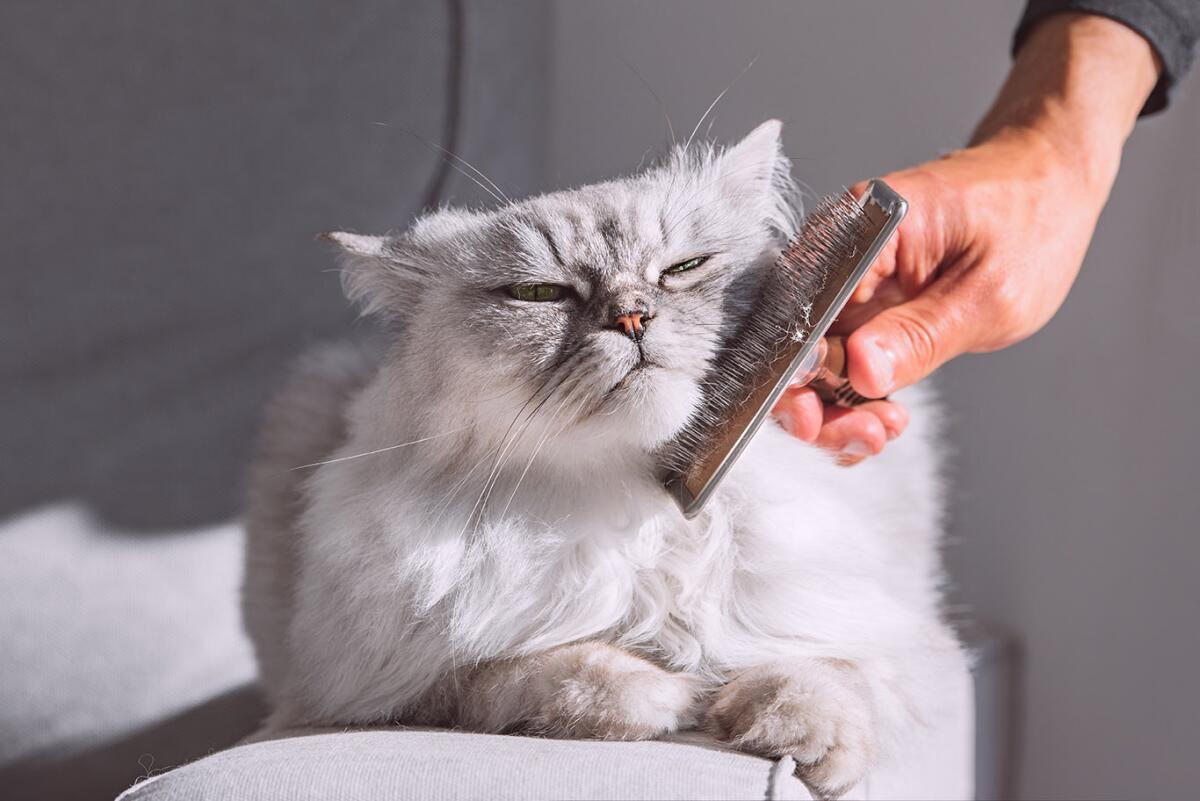
Once your cat is comfortable, introduce a soft-bristled brush. A brush designed for sensitive skin is ideal, as it reduces the risk of irritation. Gently brush in the direction of the fur growth. Make sure to use short, light strokes. This technique helps prevent tugging, which can cause discomfort. Remember to check for any mats or tangles. If you encounter these, use a comb to carefully work them out. Have you ever thought about how your cat reacts differently to various brush types? Experiment to find the one they enjoy the most.Handling Sensitive Areas Safely
The belly can be a particularly sensitive area for cats. Pay close attention to your cat’s body language. Signs of discomfort, like twitching skin or growling, mean it’s time to pause. Use your free hand to gently support your cat’s body, ensuring they feel secure. If your cat becomes anxious, give them a break before continuing. Wouldn’t it be great if every grooming session ended with a happy, purring cat? With patience and practice, you’ll master the art of safe and effective belly grooming.Dealing With Common Challenges
Grooming a cat’s belly can be tricky. Many cats feel vulnerable when their belly is touched. This makes grooming a challenge for pet owners. Patience and gentle care are key. Understanding common challenges helps create a calm experience for both you and your cat.
Managing Cat Anxiety
Most cats feel nervous during belly grooming. Their belly is a sensitive area. Watch your cat’s body language for signs of stress. These include twitching tail, ears back, or wide eyes. Speak softly and move slowly. Use a calm tone to reassure your cat. Offer treats to create positive feelings. Short sessions help avoid overwhelming your cat.
Avoiding Scratches And Bites
Cats may scratch or bite if scared or irritated. Protect your hands by wearing thin gloves. Use a soft brush or comb to reduce direct contact. Keep your cat’s nails trimmed to lessen injury risk. Stop immediately if your cat becomes aggressive. Stay calm and avoid sudden moves. This lowers the chance of defensive reactions.
When To Stop And Try Later
Knowing when to pause is important. If your cat struggles or shows signs of fear, stop the grooming. Give your cat space to relax. Try again after some time or the next day. Patience improves trust and makes grooming easier. Forcing the process can harm your relationship with your cat.
Maintaining Belly Grooming Routine
Maintaining a regular belly grooming routine keeps your cat healthy and comfortable. Cats often groom themselves, but their belly area can be hard to reach. A consistent grooming schedule helps prevent mats, dirt buildup, and skin issues. It also strengthens your bond with your pet and lets you spot problems early.
How Often To Groom
Groom your cat’s belly at least once a week. Long-haired cats may need grooming two or three times weekly. Short-haired cats usually require less frequent care. Adjust the schedule based on your cat’s activity, coat type, and health.
- Weekly for short-haired cats
- Two to three times weekly for long-haired cats
- More often during shedding season
Signs Your Cat Needs Extra Care
Look for signs that your cat needs special attention to belly grooming. These include:
- Mattes or clumps of fur
- Red or irritated skin
- Excessive scratching or licking
- Foul odor from the fur
- Visible dirt or debris
Spotting these early helps prevent discomfort and skin problems.
Involving Your Vet When Necessary
Consult your vet if your cat shows skin redness, swelling, or hair loss. Persistent scratching may indicate allergies or infections. Your vet can recommend treatments or special grooming products. Professional advice ensures your cat stays healthy and comfortable.
Additional Tips For A Happy Cat
Keeping your cat happy during belly grooming takes more than just brushing. Understanding your cat’s feelings and preferences helps build trust. Small actions can make the experience calm and pleasant for both of you.
Incorporating Belly Rubs
Gently rub your cat’s belly to show affection. Use soft, slow strokes to avoid startling your cat. Watch their body language for signs of comfort or stress. Belly rubs can relax your cat and make grooming easier.
Using Treats And Positive Reinforcement
Offer treats during or after belly grooming sessions. This creates a positive link with the grooming process. Praise your cat softly to boost their confidence. Treats help your cat feel safe and eager for the next session.
Recognizing Your Cat’s Preferences
Every cat has unique likes and dislikes. Some cats enjoy belly strokes; others prefer avoiding their belly. Notice how your cat reacts to different touches and adjust accordingly. Respecting preferences keeps your cat calm and happy.
Frequently Asked Questions
How Do I Safely Groom My Cat’s Belly?
Start by gently petting your cat’s belly to build trust. Use a soft brush and short strokes. Avoid sudden movements to prevent stress. Groom in a quiet, comfortable space. Stop if your cat shows discomfort or tries to scratch.
How Often Should I Groom My Cat’s Belly?
Groom your cat’s belly once or twice a week. Regular grooming prevents matting and reduces shedding. Frequency may vary with your cat’s fur type. Long-haired cats need more frequent grooming. Observe your cat’s coat condition to adjust.
What Tools Are Best For Grooming A Cat’s Belly?
Use a soft-bristle brush or grooming mitt. These tools gently remove loose fur without irritating skin. Avoid stiff brushes or combs that may cause discomfort. Choose tools specifically designed for cats to ensure safety and effectiveness.
Can Grooming A Cat’s Belly Help With Hairballs?
Yes, grooming removes loose hair that cats might ingest. Reducing loose fur lowers hairball formation. Regular grooming supports a healthy coat and digestion. Combine grooming with a balanced diet to minimize hairballs effectively.
Conclusion
Grooming your cat’s belly helps keep their fur clean and healthy. Take your time and be gentle to avoid stress. Use a soft brush and watch your cat’s reactions closely. Regular grooming builds trust and strengthens your bond. Enjoy these quiet moments with your pet.
A clean belly means a happy, comfortable cat. Keep grooming simple and consistent for the best results. Your cat will thank you with purrs and affection.

Leave a Reply