Grooming your cat can be a peaceful bonding time, but even the calmest cats might wiggle or resist a little. You want to keep your furry friend safe and comfortable while making the process smooth and stress-free for both of you.
Knowing how to gently restrain a well-behaved cat during grooming is the key to success. You’ll discover simple, effective techniques that help your cat stay relaxed and still, so you can get the job done quickly and easily. Keep reading to learn how to turn grooming into a positive experience for you and your cat.
Preparing Your Cat
Preparing your cat for grooming sets the stage for a smooth and stress-free experience. Even well-behaved cats can become uneasy if they sense something unfamiliar. Taking time to prepare helps your cat feel safe and cooperative throughout the grooming process.
Choose The Right Time
Pick a moment when your cat is naturally calm, like after a nap or play session. Avoid times when they are too energetic or hungry, as they might be less patient. Have you noticed how your cat behaves differently during various parts of the day? Use that to your advantage.
Grooming during quiet times reduces resistance and makes the session shorter. You’ll find your cat more relaxed and easier to handle.
Create A Calm Environment
Find a quiet room free from loud noises and distractions. Turn off the TV, music, and minimize foot traffic. Cats pick up on tension, so your calm attitude will help keep them relaxed.
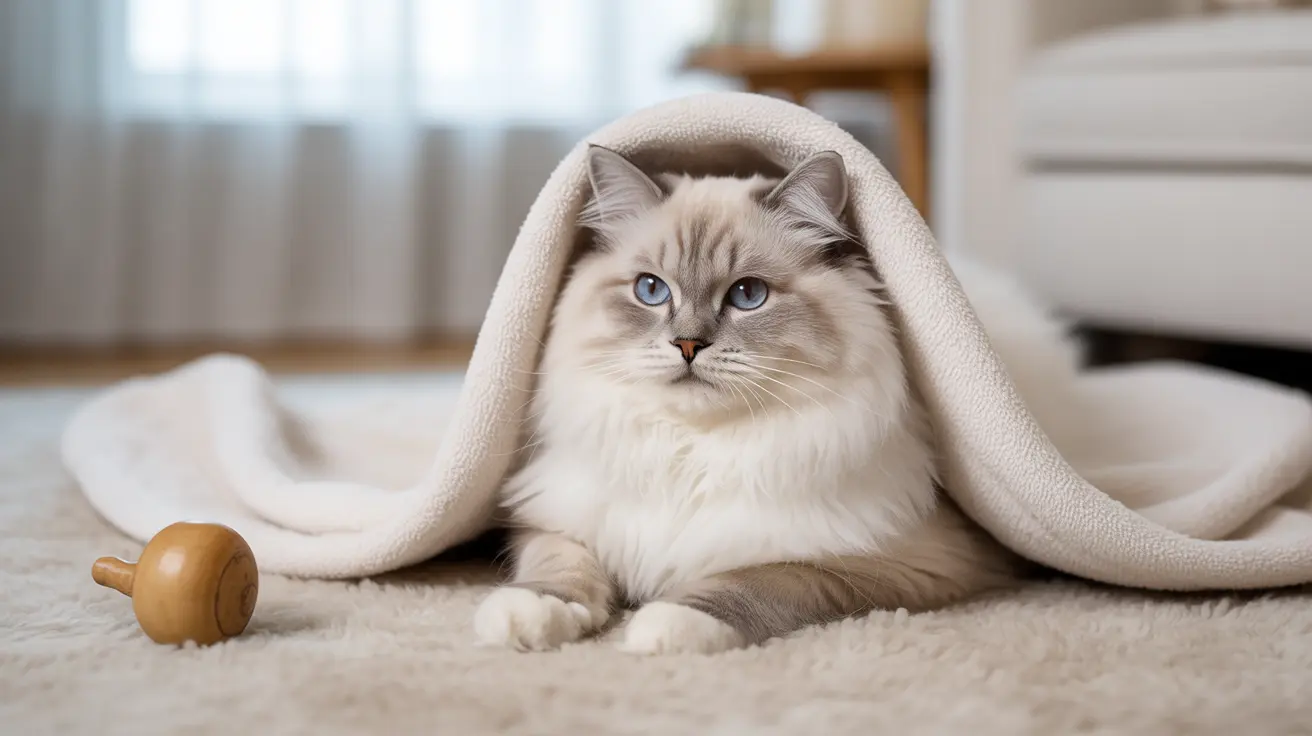
Soft lighting and a familiar blanket or towel can comfort your cat. If your cat enjoys gentle petting, spend a few minutes soothing them before starting. Have you ever noticed how a soft voice can ease your cat’s nerves?
Gather Necessary Grooming Tools
Before you start, collect all the tools you’ll need to avoid interruptions. Common tools include a brush or comb suitable for your cat’s fur type, nail clippers, and grooming wipes.
Keep treats nearby to reward good behavior during grooming. Having everything within reach helps you stay focused and keeps the session smooth.
Credit: www.petscare.com
Approaching Your Cat
Before you begin grooming your cat, how you approach them sets the tone for the entire experience. A calm and respectful approach builds trust and reduces stress for both you and your feline friend. Taking the time to connect with your cat helps make restraint easier and grooming more pleasant.
Use Gentle Movements
Sudden or fast motions can startle even the calmest cats. Move your hands slowly and speak softly as you get close. Let your cat see your hands before touching them, so they don’t feel threatened.
I once tried to grab my cat quickly for a nail trim, and she squirmed away immediately. Slowing down and reaching out gently on the next try made all the difference.
Offer Treats And Praise
Bribing your cat with their favorite treats creates a positive association with grooming time. Give them small bites before and during restraint to keep them relaxed.
Use kind words and a soothing tone to praise your cat’s cooperation. Your voice can calm their nerves and encourage them to stay still.
Read Your Cat’s Body Language
Pay attention to signs like flattened ears, twitching tails, or dilated pupils. These signals mean your cat is uncomfortable or anxious.
If your cat stiffens or tries to escape, pause and give them a break. Respecting their feelings helps you avoid struggles and keeps grooming safe.
Safe Restraint Techniques
Gently hold your cat with calm hands to keep it relaxed during grooming. Use soft strokes and avoid sudden movements to prevent stress. Keeping your cat comfortable helps make grooming easier and safer for both of you.
Grooming your cat can be a bonding experience, but how do you keep them calm and comfortable during the process? Safe restraint techniques are essential to prevent stress and ensure your cat remains cooperative. With a few simple methods, you can make grooming a pleasant experience for both you and your feline friend.Use A Soft Towel Wrap
Wrapping your cat in a soft towel is a gentle way to keep them still. This method, often called the “kitty burrito,” provides a sense of security. How do you do it? Simply wrap the towel snugly around your cat, leaving their head exposed, ensuring they feel snug but not constricted. Remember, the idea is to calm, not to trap. The towel acts as a comforting hug rather than a restraint. If your cat resists, take a break and try again later.Hold The Cat Securely But Gently
Holding your cat securely is all about balance. Use one hand to support their chest and the other to cradle their hindquarters. This position mimics how a mother cat carries her kittens, offering comfort. Avoid squeezing too tightly. Instead, maintain a firm yet gentle grip. If your cat starts to squirm, stay calm and adjust your hold as needed to maintain safety.Avoid Stressful Positions
Positioning your cat correctly can make all the difference. Always keep their body aligned naturally, avoiding awkward angles. This not only prevents discomfort but also minimizes the risk of injury. Remember, grooming should never feel like a wrestling match. Pay attention to your cat’s body language—if they seem tense, give them a moment to relax before continuing. What other techniques do you use to make grooming a more enjoyable experience for your cat?
Credit: icatcare.org
Grooming Tips For Calm Cats
Grooming a calm cat can be a smooth and even enjoyable experience for both you and your feline friend. The key lies in respecting your cat’s comfort and moving at a pace that keeps stress low. Understanding how to approach grooming with patience and the right techniques can make a big difference in maintaining your cat’s well-being and coat health.
Start With Short Sessions
Keep grooming sessions brief to avoid overwhelming your cat. Even five minutes can be enough, especially if your cat is not used to grooming. You can gradually increase the time as your cat becomes more comfortable and relaxed.
Try to end each session on a positive note, maybe with a treat or gentle petting. This helps your cat associate grooming with good experiences. Have you noticed how your cat reacts after a short, calm grooming session?
Focus On Sensitive Areas Last
Areas like the belly, paws, and face tend to be more sensitive for cats. Begin grooming with less sensitive spots like the back or sides to build your cat’s trust. This approach reduces the chance of your cat becoming tense or defensive early on.
Saving sensitive spots for the end also allows you to gauge your cat’s mood. If your cat starts to get restless, you can pause and try again later. Does your cat have a favorite or least favorite area to be brushed?
Use Proper Tools For Comfort
Choosing the right grooming tools is crucial for your cat’s comfort. Soft-bristled brushes or combs designed specifically for cats work best. Avoid harsh or scratchy tools that can irritate your cat’s skin.
Using tools that suit your cat’s fur type makes grooming easier and more pleasant. For example, a fine-toothed comb is excellent for short-haired cats, while a slicker brush suits long-haired breeds. Have you tried different brushes to see which your cat prefers?
Aftercare And Rewards
After grooming your well-behaved cat, proper aftercare and rewards are essential. These steps help your cat feel comfortable and build positive grooming experiences. Taking time for aftercare reduces stress and encourages cooperation in future sessions.
Offer Treats And Affection
Give your cat small, tasty treats right after grooming. This reward helps your cat associate grooming with good things. Gentle petting and soft words provide comfort and show your cat you care. Positive reinforcement encourages calm behavior during grooming.
Monitor For Stress Signs
Watch your cat closely after grooming for signs of stress or discomfort. Look for hiding, excessive licking, or changes in appetite. If stress signs appear, give your cat space and quiet time. Early attention helps prevent anxiety or fear linked to grooming.
Maintain A Regular Grooming Schedule
Keep a consistent grooming routine to make your cat familiar with the process. Regular sessions reduce fear and make handling easier over time. Set grooming days and stick to them for the best results. Routine creates a sense of security for your cat.
Credit: hellopetsinc.com
Frequently Asked Questions
How Do I Safely Hold A Well-behaved Cat For Grooming?
Hold your cat gently but firmly. Support its body with one hand under the chest and the other around the hindquarters. Avoid squeezing. Use a calm voice to keep the cat relaxed during grooming.
What Is The Best Position To Restrain A Calm Cat?
Place the cat on a stable surface like a table. Keep it in a sitting or lying position. Use a towel if needed to gently wrap the cat, ensuring comfort and control during grooming.
How Can I Prevent My Cat From Scratching During Grooming?
Trim your cat’s nails before grooming. Use gentle restraint and calm talking to reduce stress. Offering treats and breaks can help keep your cat cooperative and scratch-free.
When Should I Stop Restraining My Cat During Grooming?
Stop if your cat shows signs of stress like growling, hissing, or struggling. Allow breaks to calm down. Resume only when the cat is relaxed to ensure a safe grooming experience.
Conclusion
Restraint helps keep your cat calm during grooming sessions. Use gentle holds and stay patient throughout the process. Always praise your cat to build trust and comfort. Small steps make grooming easier for both of you. Practice regularly to help your cat stay relaxed.
Safe and gentle handling leads to a happier grooming experience. Remember, kindness and calmness work best when caring for your cat.


Leave a Reply