
Grooming your cat’s belly might sound tricky, but it doesn’t have to be. You probably know how sensitive cats can be when it comes to touch, especially around their tummy.
Yet, keeping this area clean and well-groomed is key to your cat’s health and comfort. In this guide, you’ll discover simple, effective steps to make belly grooming easier for both you and your feline friend. Ready to turn a challenging task into a bonding moment?
Let’s dive in and learn how to care for your cat’s belly the right way.
Why Belly Grooming Matters
Grooming a cat’s belly might seem tricky or even unnecessary. Yet, it plays a key role in your cat’s overall well-being. The belly is a sensitive area that often collects dirt and loose fur. Taking care of this spot can prevent problems and make your cat feel more comfortable.
Benefits For Cat Health
Cleaning the belly removes dirt and loose hair. This helps stop skin infections and matting. Grooming also improves blood flow to the skin. It can reduce shedding and hairballs. Regular care keeps the skin healthy and prevents irritation.
Strengthening Your Bond
Brushing your cat’s belly builds trust. Many cats feel vulnerable when touched there. Gentle grooming shows your cat you care. It creates moments of calm and closeness. This time together deepens your connection and love.

Credit: www.youtube.com
Preparing For Belly Grooming
Grooming a cat’s belly can be a delicate task. Cats are often protective of this area, so preparing properly is key to making the experience smooth for both you and your furry friend. Setting the stage right helps reduce stress and makes belly grooming a moment of bonding rather than a struggle.
Choosing The Right Tools
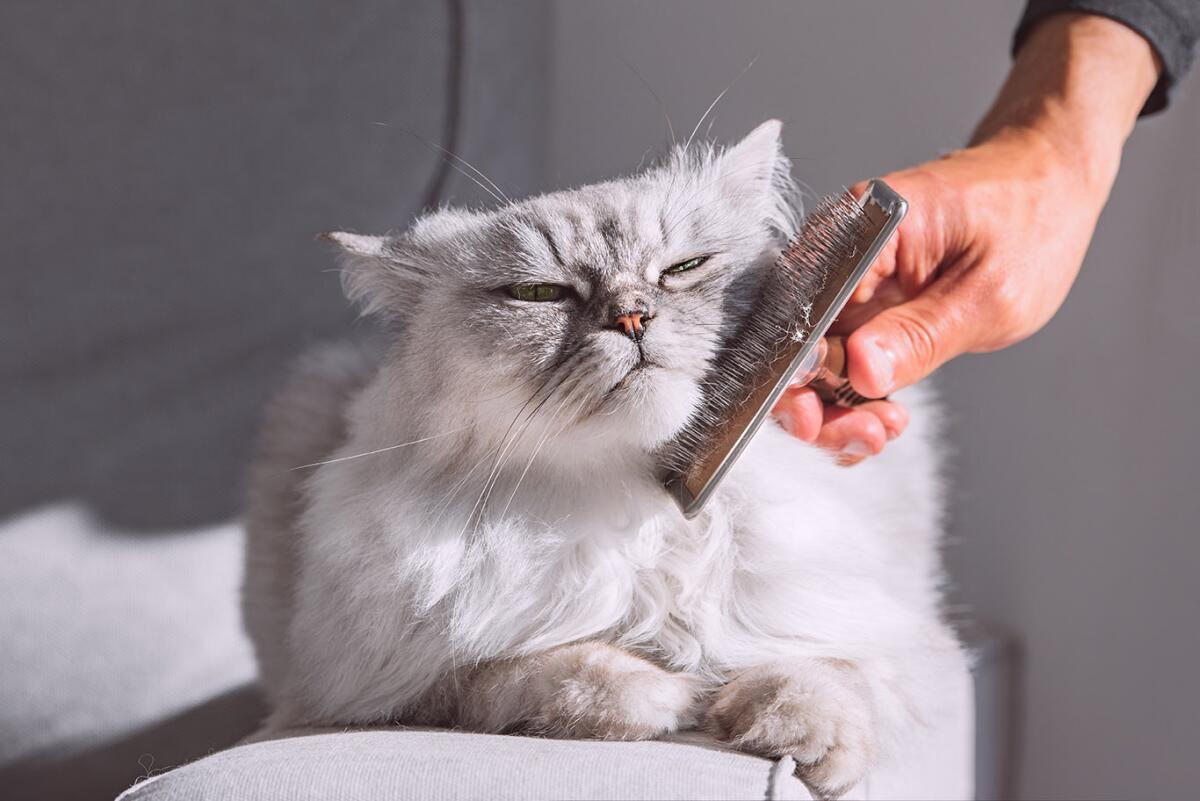
Picking the right tools makes a big difference. A soft-bristled brush or a grooming glove works well on the belly because the skin there is more sensitive than other parts. Avoid harsh combs or brushes with sharp teeth that could irritate your cat.
Keep grooming wipes or a damp cloth handy for gentle cleaning. If your cat has longer fur, a wide-toothed comb can help detangle without pulling. Think about your cat’s coat type and skin sensitivity when selecting tools—you want to make grooming as comfortable as possible.
Creating A Calm Environment
Your cat’s mood affects how well belly grooming goes. Find a quiet spot free from noise and distractions. Soft lighting and a comfortable surface, like a blanket or your lap, can help your cat feel secure.
Try to groom when your cat is relaxed, such as after a nap or meal. Speak softly and move slowly to avoid startling them. Have you noticed how your cat responds to different tones of voice or touch? Use that knowledge to build trust before you start grooming.
Step-by-step Grooming Process
Grooming a cat’s belly requires patience and care. This area is very sensitive, so a gentle approach is best. The process includes calming your cat, using the right brushing techniques, and handling sensitive spots carefully. Follow these steps to make belly grooming easier and pleasant for your cat.
Approaching Your Cat
Start by finding a quiet spot where your cat feels safe. Sit or lie down at your cat’s level to avoid sudden movements. Let your cat sniff your hand before touching the belly. Speak softly to keep your cat calm. Watch your cat’s body language for signs of stress or discomfort.
Brushing Techniques
Use a soft brush designed for cats to avoid hurting the skin. Begin brushing gently from the sides, moving toward the belly. Use short, slow strokes to prevent startling your cat. Brush in the direction of the fur growth. Keep the brushing sessions short and increase the time gradually.
Handling Sensitive Areas
The belly is one of the most sensitive parts for cats. Touch lightly and avoid pressing hard. Use your fingers to detangle small knots carefully. Stop if your cat shows signs of discomfort like twitching or pulling away. Reward your cat with treats and praise to build trust.

Credit: www.youtube.com
Dealing With Common Challenges
Grooming a cat’s belly can be tricky. Cats often feel vulnerable when you touch their stomach. This makes grooming a challenge for many pet owners. Understanding common issues helps keep the process safe and calm. Patience and gentle care work best.
Managing Cat Resistance
Many cats resist belly grooming. They may pull away, scratch, or bite. Watch your cat’s body language closely. Signs like twitching tails or flattened ears show discomfort. Start slowly to build trust. Use soft, slow strokes to calm your cat.
- Choose a quiet, comfortable place
- Use treats to create positive feelings
- Take breaks if your cat gets stressed
- Speak softly to soothe your pet
Avoiding Injury
Grooming the belly risks scratches and bites. Cats have sharp claws and teeth. Protect your hands with gloves or a towel. Keep nails trimmed to reduce scratching. Never force your cat to stay still. Let your cat move freely but gently guide them.
- Use a soft brush or comb
- Keep grooming sessions short
- Watch for signs of pain or fear
- Stop if your cat becomes aggressive
Maintaining A Grooming Routine
Gently stroke your cat’s belly to build trust and comfort. Use soft, slow motions and watch for signs of relaxation or discomfort. Regular grooming helps keep their skin healthy and fur free of tangles.
Maintaining a grooming routine for your cat’s belly is essential to keep them healthy and happy. Cats often need assistance with hard-to-reach areas like their belly, which can easily become matted or dirty. Establishing a routine ensures that your feline friend stays comfortable, and it can also be a bonding experience for both of you.Setting A Schedule
Creating a consistent grooming schedule can make a huge difference. Start by choosing a specific day and time each week to groom your cat. This predictability helps your cat feel more at ease, knowing what to expect. Remember to keep the sessions short to prevent your cat from getting restless. Gradually increase the duration as your cat becomes more accustomed to the routine. Have you noticed how relaxed they get once they recognize the pattern?Monitoring Skin And Fur Health
While grooming, it’s crucial to pay attention to your cat’s skin and fur condition. Look for signs of irritation, redness, or any unusual bumps. These can be indicators of allergies or other health issues that might need a vet’s attention. Check if the fur feels smooth and untangled. If you notice any mats, gently work them out with your fingers or a brush. Are you seeing any changes in their fur or skin that concern you? Regular grooming also allows you to spot parasites like fleas or ticks early. This proactive approach can save you and your cat from future discomfort and vet visits.
Credit: www.youtube.com
When To Seek Professional Help
Knowing when to seek professional help is crucial for your cat’s belly grooming. Some issues need expert care to avoid pain or worsening conditions. Early action can keep your cat healthy and comfortable.
Watch for unusual signs during grooming. A vet can diagnose and treat problems that you cannot handle safely at home.
Signs Of Skin Issues
- Redness or swelling on the belly
- Persistent itching or scratching
- Open sores or scabs
- Hair loss or bald spots
- Unusual lumps or bumps
- Foul odor or discharge
These signs may indicate infections, allergies, or parasites. A professional exam is necessary for proper diagnosis and treatment.
Grooming For Special Needs Cats
Cats with medical conditions or older cats may need special grooming care. Some may have limited mobility or sensitive skin.
Professional groomers or vets can help with:
- Gentle handling to reduce stress
- Special tools for sensitive or thick fur
- Safe trimming around wounds or sensitive areas
- Guidance on at-home care for your cat’s needs
Seek expert help to ensure your cat’s safety and comfort during grooming.
Frequently Asked Questions
How Do I Safely Groom My Cat’s Belly?
Start by gently petting your cat’s belly to build trust. Use a soft brush or comb designed for cats. Avoid applying too much pressure to prevent discomfort or injury. Always groom in a calm environment to keep your cat relaxed and cooperative.
How Often Should I Groom My Cat’s Belly?
Groom your cat’s belly once or twice a week. Regular grooming helps remove loose hair and prevents mats. Adjust frequency based on your cat’s fur type and shedding cycle. Consistency keeps your cat comfortable and fur healthy.
What Tools Are Best For Grooming A Cat’s Belly?
Use a soft-bristled brush or a rubber grooming mitt. Avoid metal combs on sensitive belly skin. Choose tools suitable for your cat’s fur length and texture. Proper tools ensure gentle and effective grooming.
How Can I Calm My Cat During Belly Grooming?
Speak softly and move slowly to avoid startling your cat. Offer treats to create positive associations. Take breaks if your cat shows signs of stress. Patience and gentle handling make grooming a pleasant experience.
Conclusion
Grooming a cat’s belly can build trust and keep them healthy. Start slow and be gentle to avoid stress. Use soft brushes and short strokes for comfort. Regular grooming helps remove loose fur and dirt. Watch your cat’s reactions to know when to pause.
Keep sessions short and calm to make it positive. With patience, your cat will enjoy belly grooming time. This simple care supports their well-being and your bond. Try these tips to make grooming easy and safe.

Leave a Reply