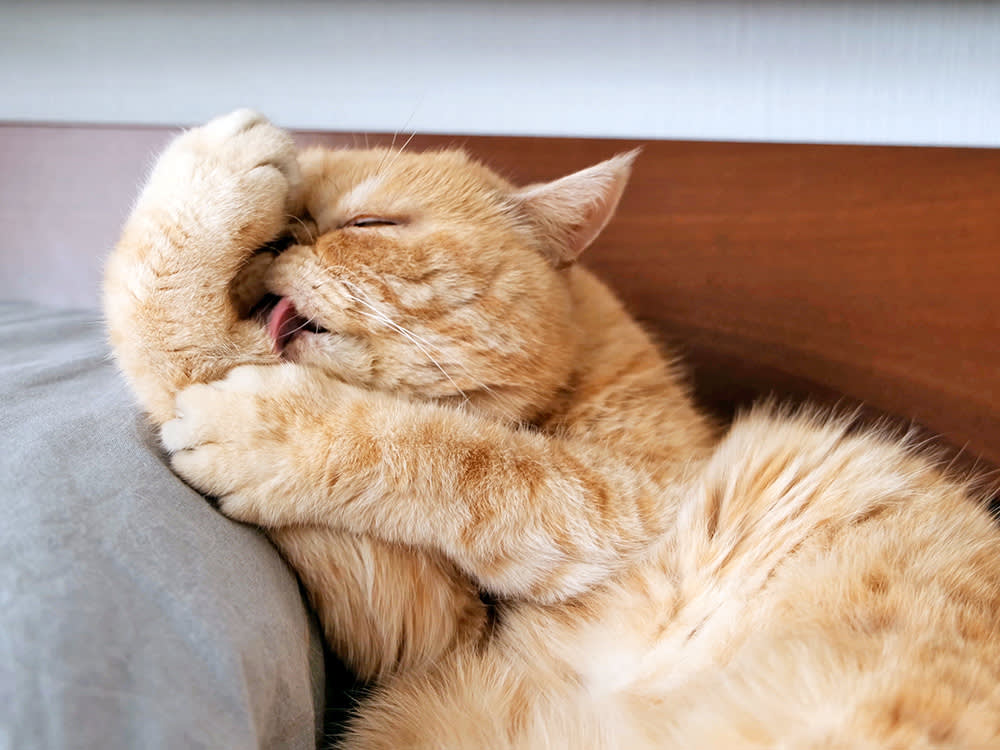
Have you noticed your cat spending more time licking and grooming than usual? You might be wondering, “Why does my cat obsessively groom?” This behavior can be more than just a quirky habit.
It could signal something important about your cat’s health or emotions. Understanding why your furry friend is over-grooming can help you keep them happy and comfortable. You’ll discover the hidden reasons behind this behavior and what you can do to help your cat feel better.
Keep reading to learn the surprising truths your cat might be trying to tell you.

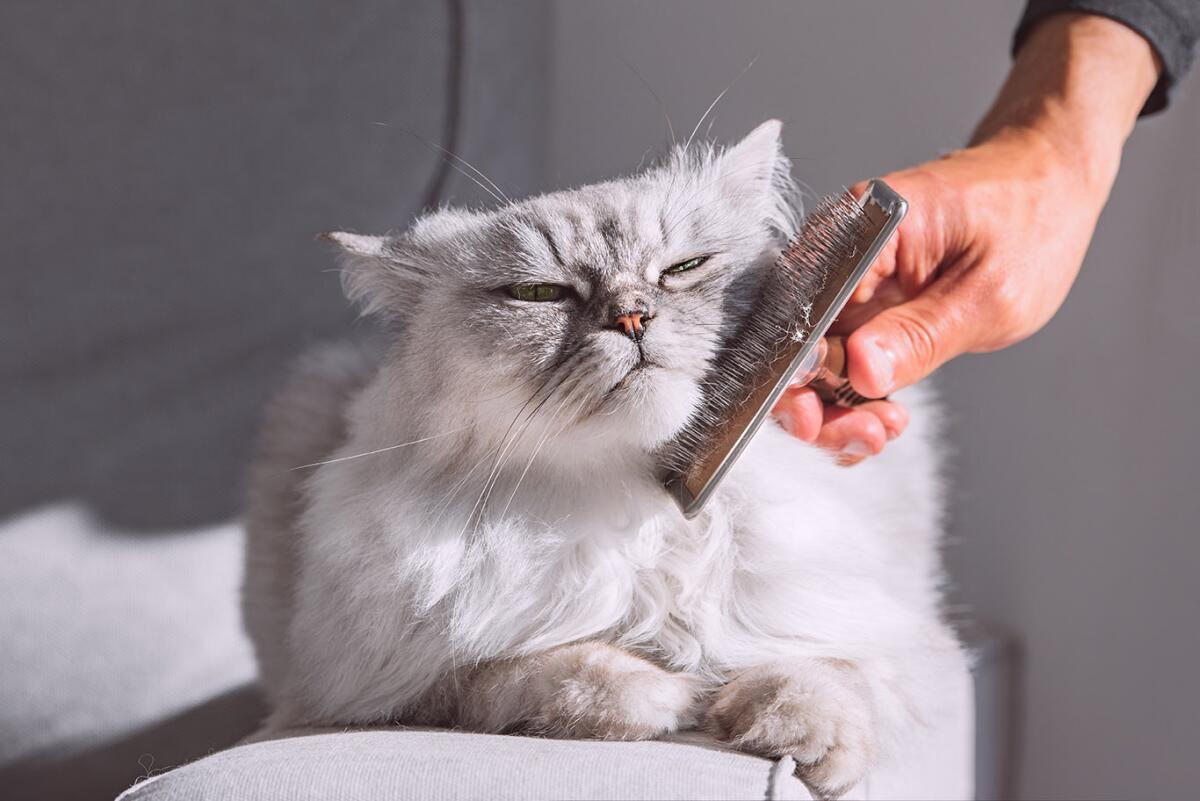
Credit: pennypaws.com
Reasons Behind Excessive Grooming
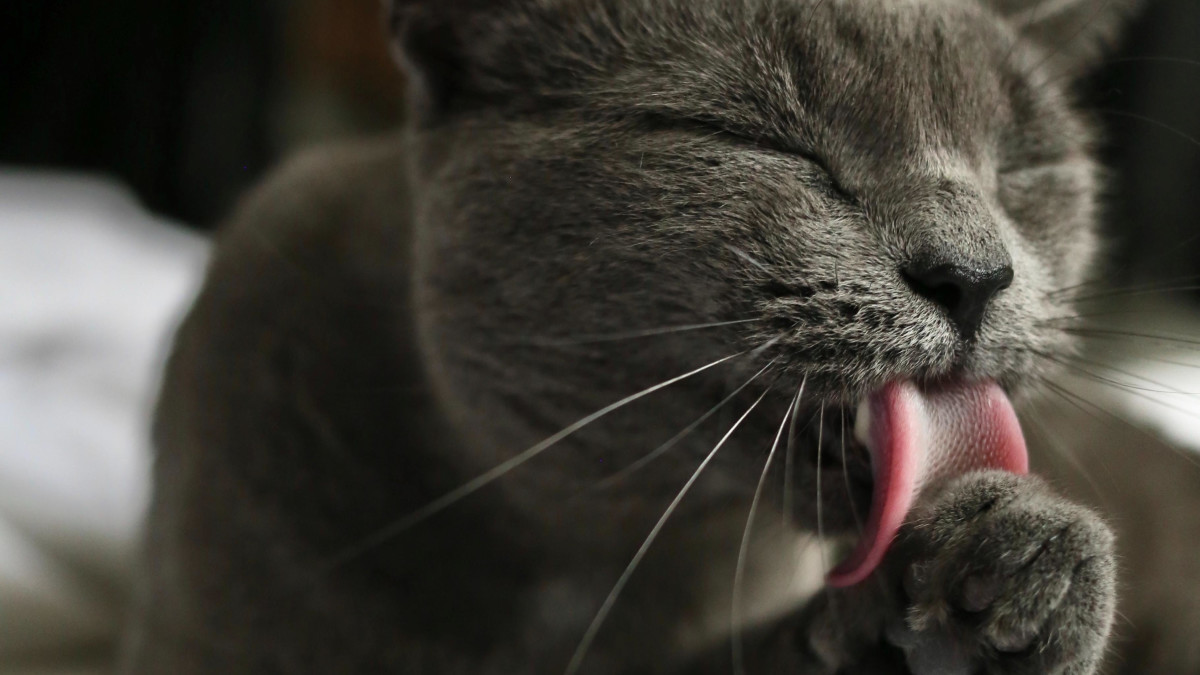
Excessive grooming in cats can be a sign of many underlying issues. Understanding the reasons helps in finding the right solution. Cats groom to stay clean, but too much grooming can cause problems. It may lead to hair loss, skin wounds, or infections. Observing your cat’s behavior closely is important. It helps identify if the grooming is due to stress, health problems, or boredom.
Stress And Anxiety Triggers
Cats often groom more when they feel stressed or anxious. Changes in their environment cause worry. New pets, moving homes, or loud noises can trigger this. Grooming acts as a way to calm themselves. It becomes a habit that is hard to stop.
Skin Allergies And Irritations
Allergies make a cat’s skin itchy and uncomfortable. Food, pollen, or dust can cause reactions. Cats scratch and lick to relieve itching. This leads to excessive grooming and possible skin damage.
Parasite Infestations
Fleas, mites, and ticks cause severe irritation. Cats try to remove parasites by licking and biting. This results in constant grooming and sometimes hair loss. Checking for parasites is essential when grooming increases suddenly.
Underlying Medical Conditions
Health issues like infections, pain, or hormonal imbalances increase grooming. Arthritis or injuries make cats lick painful spots. Skin infections also cause discomfort that leads to over-grooming. A vet visit can diagnose these problems early.
Boredom And Behavioral Issues
Cats need mental and physical stimulation daily. Without enough playtime, they get bored and restless. Excessive grooming can become a coping behavior. It fills time and reduces stress but harms their skin.
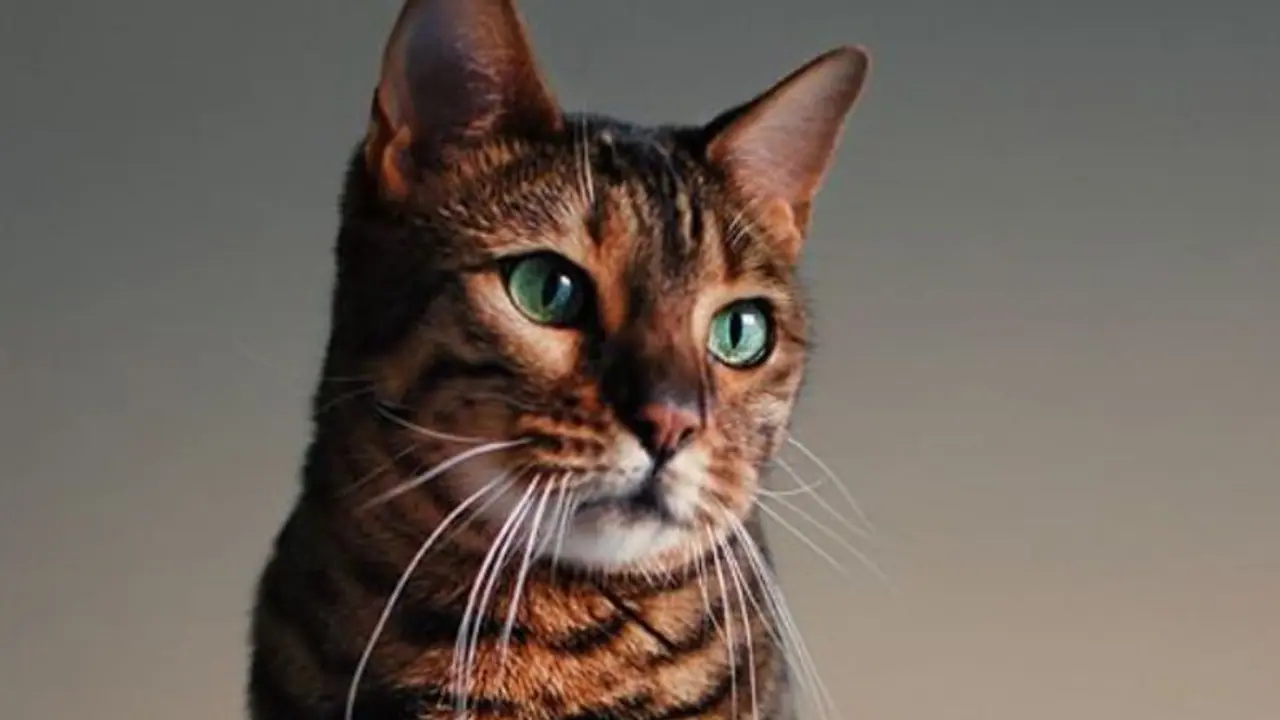
Credit: pethelpful.com
Signs To Watch For
Noticing your cat grooming more than usual can be worrying. It’s important to observe specific signs that hint whether this behavior is normal or a cause for concern. Watching closely can help you decide if a vet visit is needed before the problem worsens.
Hair Loss Patterns
Look carefully at where your cat is losing hair. Is it in small patches or large areas? Uneven or circular bald spots often mean your cat is over-grooming due to irritation or anxiety.
Sometimes hair loss appears near the belly or legs, places your cat can reach easily. This is a red flag that the grooming is not just about cleanliness but possibly discomfort.
Skin Redness And Sores
Check your cat’s skin for redness, swelling, or open sores. These signs show the grooming has become too intense, causing damage.
If you spot scabs or raw patches, your cat might be trying to relieve itching or pain. Such skin conditions often need medical attention to heal properly.
Changes In Behavior
Notice if your cat’s grooming habits come with shifts in mood or activity. Are they hiding more, acting restless, or losing interest in play?
Behavioral changes paired with obsessive grooming can indicate stress, allergies, or other health issues. Your cat might be signaling discomfort in ways beyond just licking.
Frequency And Duration Of Grooming
Pay attention to how often and how long your cat grooms each day. If it’s several times an hour or for extended periods, this could be a problem.
Normal grooming is brief and balanced throughout the day. Excessive time spent grooming can wear down their skin and fur, leading to further complications.
Home Remedies To Calm Your Cat
Obsessive grooming in cats can signal stress or discomfort. Home remedies can help calm your cat and reduce excessive grooming. These simple strategies create a peaceful environment and promote well-being.
Environmental Enrichment
Provide toys and scratching posts to keep your cat busy. Change the toys regularly to maintain interest. Create cozy resting spots with soft blankets. Place perches near windows for bird watching. These actions keep your cat mentally and physically active.
Diet Adjustments
Feed a balanced diet tailored to your cat’s needs. Include omega-3 fatty acids to support skin health. Avoid sudden changes in food to prevent stress. Consult your vet about hypoallergenic options if allergies are suspected. Proper nutrition can improve your cat’s coat and reduce itching.
Stress Reduction Techniques
Maintain a consistent daily routine to reduce anxiety. Use calming pheromone diffusers designed for cats. Play gentle music or white noise to soothe your pet. Spend quiet time petting and bonding with your cat. These methods help your cat feel safe and relaxed.
Safe Topical Treatments
Apply vet-approved soothing creams or sprays on irritated skin. Use natural remedies like aloe vera with caution and vet guidance. Avoid harsh chemicals that may worsen the problem. Keep your cat’s skin clean and dry to prevent infections. These treatments relieve discomfort and support healing.
When To Consult A Veterinarian
Obsessive grooming in cats can signal health or behavioral issues. Knowing when to see a veterinarian is key. Persistent licking, bald patches, or sores need prompt attention. A vet can find the root cause and suggest treatment. Early care helps prevent worsening and keeps your cat comfortable.
Diagnostic Tests
The vet will perform physical exams and skin checks. Blood tests may detect allergies or infections. Skin scrapings can reveal parasites or fungal problems. Allergy testing helps identify triggers. These tests guide accurate diagnosis and treatment plans.
Medical Treatments
Medications may include antibiotics for infections or antifungals for fungi. Anti-inflammatory drugs ease itching and swelling. Flea control products stop parasite-related grooming. Allergy treatments reduce reactions and improve skin health. The vet chooses medicines based on test results and symptoms.
Behavioral Therapy Options
Stress and anxiety often cause over-grooming. Behavioral therapy can help calm your cat. Environmental enrichment adds toys and playtime. Pheromone diffusers create a relaxing space. Training and routine reduce anxiety. The vet may suggest working with an animal behaviorist.
Follow-up Care
Regular check-ups track healing and adjust treatments. Monitor your cat’s skin and behavior daily. Report new or worsening symptoms promptly. Follow the vet’s advice on medication schedules. Consistent care supports full recovery and comfort.
Preventing Future Grooming Issues
Stress and boredom often cause cats to groom too much. Creating a calm, stimulating environment helps reduce this behavior. Regular vet visits can catch health problems early and prevent future grooming issues.
Preventing future grooming issues is crucial to ensuring your cat remains healthy and happy. Obsessive grooming can lead to skin problems, hair loss, and even infections. By taking proactive steps, you can help your feline friend maintain a balanced grooming routine.Regular Health Checks
Regular visits to the veterinarian can catch underlying health issues early. Conditions like skin allergies or hormonal imbalances might cause excessive grooming. Keeping up with these checks ensures your cat remains in top shape.Parasite Control
Parasites like fleas and ticks are a common cause of over-grooming. Use effective flea and tick prevention methods. This not only keeps your cat comfortable but also prevents unwanted grooming habits.Creating A Stress-free Environment
Cats often groom excessively when stressed. Identify and eliminate sources of stress in your home. Whether it’s a noisy environment or changes in routine, reducing stress can greatly impact your cat’s grooming behavior.Consistent Play And Interaction
Engage your cat with regular play sessions. Interactive toys or simple games can distract from obsessive grooming. Consistent interaction also strengthens your bond and provides mental stimulation, reducing the need for stress-related grooming. By taking these steps, you’re not only addressing the grooming issue but also enhancing your cat’s overall well-being. Remember, a happy cat is a healthy cat.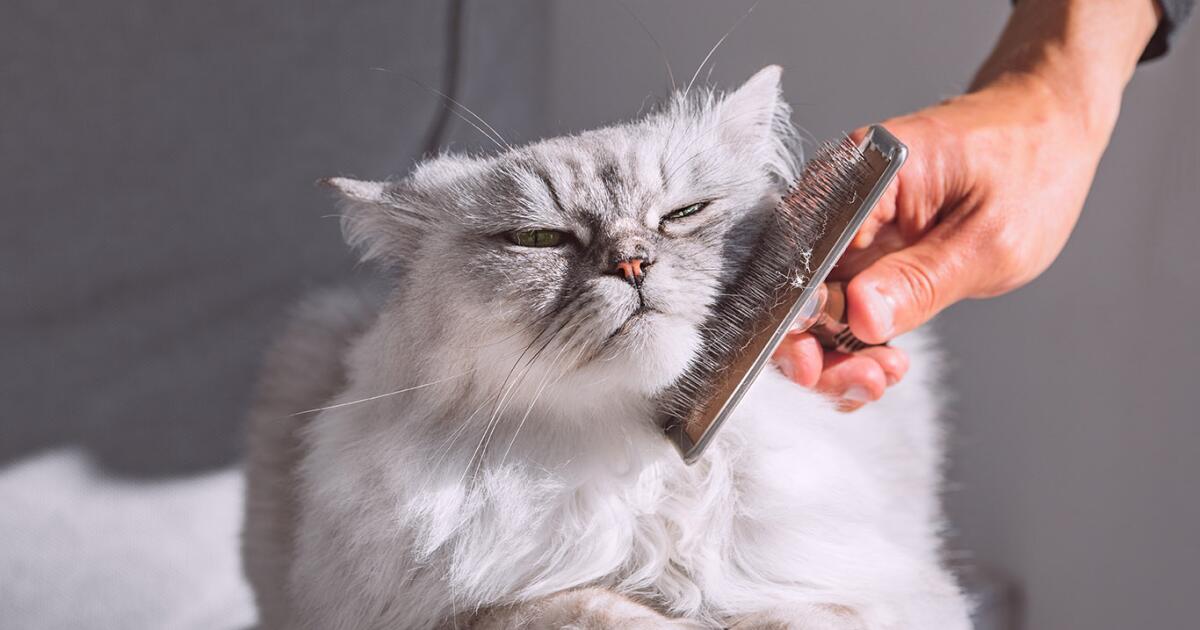
Credit: www.latimes.com
Frequently Asked Questions
Why Is My Cat Grooming Excessively All Of A Sudden?
Sudden excessive grooming may signal stress, allergies, or skin irritation. Observe your cat’s behavior and check for skin issues. Consulting a vet helps identify underlying causes and ensures proper treatment.
Can Obsessive Grooming Harm My Cat’s Health?
Yes, obsessive grooming can cause hair loss, skin wounds, and infections. It may also indicate anxiety or medical problems. Prompt veterinary advice is essential to prevent complications and improve your cat’s well-being.
How Can I Stop My Cat From Over-grooming?
Identify stressors or allergies causing grooming. Provide enrichment, reduce stress, and use vet-recommended treatments. Regular check-ups ensure your cat stays healthy and comfortable.
Is Obsessive Grooming A Sign Of Cat Anxiety?
Obsessive grooming often indicates anxiety or stress in cats. Changes in environment or routine can trigger it. Addressing anxiety with behavior modification and vet support helps reduce grooming.
Conclusion
Cats groom to stay clean and feel calm. Excessive grooming can show stress or health problems. Watch your cat’s habits closely. Changes in grooming might mean your cat needs help. Visit a vet to find the cause. Early care helps your cat feel better fast.
Understanding grooming keeps your cat happy and healthy. Pay attention. Act quickly. Your cat will thank you.

Leave a Reply