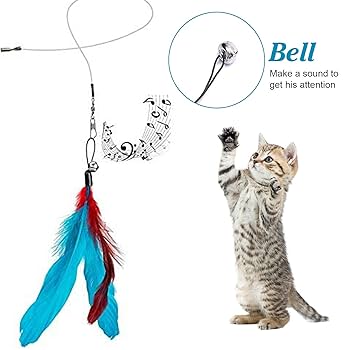
Looking for a simple way to keep your cat entertained and happy? Making a cat feather toy is easier than you think, and it can turn your furry friend into a playful bundle of joy.
Imagine your cat chasing, pouncing, and batting at a colorful feather toy that you made yourself. Not only will you save money, but you’ll also create a special bond with your pet. Ready to learn how to make a fun, safe, and irresistible toy your cat will love?
Keep reading, and you’ll have everything you need to get started right away.

Credit: collegeofems.com
Materials Needed
Gathering the right materials is key to making a cat feather toy that your feline friend will truly enjoy. Using safe and suitable supplies ensures the toy is both fun and durable. Let’s look closely at what you need to create a toy that’s irresistible to cats and safe for their playful nature.
Choosing The Right Feathers
Feathers are the star of the show in a cat feather toy. Opt for natural feathers like those from a turkey or rooster, as they move realistically and attract your cat’s attention. Avoid feathers that are dyed with toxic chemicals or those that shed easily, as these can be harmful if ingested.
Have you noticed your cat prefers certain feather colors or shapes? Paying attention to these preferences can make your toy even more engaging. You can find safe feathers at craft stores or online pet supply shops.
Selecting Safe Craft Supplies
Safety matters as much as fun. Choose non-toxic glue or thread to secure the feathers, ensuring no harmful substances come into contact with your pet. Avoid small parts that could be swallowed, like tiny beads or loose strings.
Consider materials that are easy to clean or replace. For example, using durable felt or soft leather for the base helps the toy last longer and keeps your cat interested. What materials around your home could double as safe craft supplies?
Tools For Assembly
Having the right tools makes the assembly process smooth and enjoyable. Basic supplies like scissors, needle and thread, or a hot glue gun work well. Just be sure to supervise the glue gun closely to prevent accidents.
Sharp scissors help cut feathers precisely without damaging them. If you’re sewing, a thimble can protect your fingers and speed up the process. Do you have these tools handy, or will you need to pick them up before starting?
Preparing The Feathers
Preparing the feathers is a crucial step in making a cat feather toy that your furry friend will love. Properly handled feathers ensure safety, durability, and irresistible playtime fun. Taking the time to clean and shape the feathers can make a surprising difference in how your cat interacts with the toy.
Cleaning And Sanitizing
Feathers can carry dirt and germs that you definitely don’t want your cat to come into contact with. Start by rinsing the feathers gently under cool water to remove surface dust and debris.
Next, soak the feathers in a mild soap solution or a mixture of water and white vinegar for about 10 minutes. This helps kill bacteria without damaging the feathers.
After soaking, rinse thoroughly and lay the feathers flat on a clean towel to dry. You might notice the feathers regain some of their natural softness and shine after this simple cleaning process.
Trimming And Shaping
Once the feathers are clean and dry, look closely at their shape. You may want to trim any uneven or overly long strands to make the toy safer and more appealing.
Use sharp scissors to carefully cut the feathers into shapes that will catch your cat’s attention—pointy tips or rounded edges both work depending on your cat’s play style.
Have you noticed how cats react differently to various feather shapes? Try experimenting with a few styles to find out which sparks your cat’s curiosity the most.
Creating The Toy Base
Creating the toy base is the first step in making a fun and safe cat feather toy. The base acts as the handle or stick that holds the feathers. It must be sturdy and lightweight so your cat can enjoy playing without any trouble. You can choose simple materials that are easy to find and handle.
Using Sticks Or Rods
Choose a stick or rod about 12 to 18 inches long. Wooden dowels, bamboo sticks, or even a strong plastic rod work well. The stick should be smooth to avoid splinters. Light wood is best because it is easy to hold and move. Sand the stick if needed to make it safe for your hands and your cat.
Make sure the stick is not too thick. A diameter of around 0.5 inches is perfect. It fits comfortably in your hand and gives good control. If you want, you can paint the stick with non-toxic paint to add color. Let the paint dry fully before using the toy.
Attaching Strings Or Wires
Attach a string or thin wire to the end of the stick. The string will hold the feathers and allow them to dangle and move. Use a strong string that won’t break easily, like nylon or cotton thread. Cut the string about 12 inches long for good reach.
Secure the string tightly to the stick by wrapping it several times around the end. Use a strong knot to hold it in place. You can add a small drop of glue to keep the knot from slipping. For extra strength, twist a thin wire around the string and stick together.
Make sure the string or wire is safe for your cat. Avoid sharp edges or loose parts. The length should be enough to let the feathers move freely but not too long to tangle easily.

Credit: www.amazon.ca
Assembling The Feather Toy
Bringing your cat feather toy to life requires careful assembly to ensure it’s both safe and enticing. The way you attach feathers and add extra touches can make a big difference in how much your cat enjoys it. Let’s break down how to build a feather toy that’s ready for hours of fun.
Securing Feathers To Base
Start by choosing a sturdy base, like a wooden dowel or a strong stick. Arrange the feathers so they fan out attractively, giving your cat multiple angles to pounce at.
Use a hot glue gun or strong craft glue to attach the feathers securely. Wrap some floral tape or colorful thread around the base where the feathers meet the stick to add extra hold and prevent shedding.
Ask yourself: Is the attachment tight enough that your cat can’t easily pull the feathers off? This is crucial for safety and durability.
Adding Decorative Elements
Adding small bells, colorful ribbons, or even a bit of faux fur can make the toy even more appealing. These extras create sounds and textures that grab your cat’s attention.
Attach these elements using thin wire or craft glue, making sure nothing is loose or could be swallowed. You want your cat to explore the toy safely.
Think about what your cat reacts to most—does she love jingling sounds or bright colors? Tailoring your decorations can turn a simple feather toy into an irresistible plaything.
Safety Tips For Cat Toys
Create a cat feather toy using safe materials. Choose non-toxic feathers and secure them tightly to avoid choking hazards. Supervise playtime to ensure the toy remains intact and safe. Regularly check for any loose parts or damage that could harm your cat.
Creating a cat feather toy can be a delightful and rewarding experience for both you and your feline friend. However, ensuring the safety of your homemade toys is crucial. Cats are naturally curious and playful, which means their toys must be free of hazards. Here are some safety tips to keep in mind when crafting your cat feather toy.Avoiding Small Parts
Small parts can easily become a choking hazard for cats. Ensure that any components of your toy, like beads or small bells, are securely attached or better yet, avoid them altogether. You wouldn’t want to turn playtime into a trip to the vet.Regular Inspection And Maintenance
Regularly inspect the toy for any signs of wear and tear. Loose feathers or frayed strings can pose a threat to your cat’s safety. If you notice any damage, it’s time to repair or replace the toy. A little diligence goes a long way in ensuring your cat’s playtime remains safe and fun. Remember, your cat’s safety is always worth the extra effort.Encouraging Playtime
Encouraging your cat to play with a homemade feather toy can boost their energy and strengthen your bond. Playtime keeps your cat physically active and mentally sharp. But introducing a new toy takes patience and creativity to spark their interest.
Introducing The Toy To Your Cat
Start by gently waving the feather toy near your cat’s nose to catch their attention. Let them sniff and bat at it without pressure. Cats respond well when you move the toy like a small bird or insect, mimicking natural prey.
If your cat seems uninterested, try placing the toy near their favorite resting spot. Sometimes a familiar environment makes them feel more comfortable exploring new objects. Watch their body language—ears perked and eyes wide show curiosity.
Interactive Play Ideas
- Slow teasing:Drag the toy along the floor in short bursts to mimic a fluttering insect.
- Hide and seek:Hide the toy behind furniture or under cushions to encourage your cat to stalk and pounce.
- Joint play:Hold the toy and let your cat chase it while you move it unpredictably.
- Use multiple toys:Pair the feather toy with a ball or laser pointer to keep playtime dynamic and exciting.
Have you noticed your cat’s favorite play style? Adjust your movements based on what excites them most. This makes playtime enjoyable and keeps your cat coming back for more.
Troubleshooting Common Issues
Even the best cat feather toys need a little care and adjustment over time. Troubleshooting common issues keeps your furry friend entertained longer and prevents frustration for both of you. Let’s look at simple fixes that can extend the life of your homemade feather toy and make playtime more fun.
Replacing Worn Feathers
Feathers get worn out or fall off after lots of chasing and pouncing. Check your toy regularly for damaged or missing feathers. Replacing them is easy and saves you from making a new toy every time.
Keep extra feathers on hand—natural ones like turkey or rooster feathers work well and attract cats. Simply remove the old feathers by untying or cutting the thread and attach new ones with a strong glue or by tying them securely.
Have you noticed which colors or feather types your cat prefers? Using those can make the replacement even more exciting for your pet.
Adjusting Toy Length And Size
The toy’s length and size affect how your cat interacts with it. If the toy is too long, your cat may lose interest or get tangled. Too short, and it might not offer enough movement to engage your cat’s hunting instincts.
Try adjusting the length of the stick or string holding the feathers. You can shorten it to make it easier for your cat to bat around or lengthen it for more dramatic swings and jumps.
Observe your cat’s play style closely. Does your cat prefer quick, close swats or big leaps? Tailoring the toy’s size to these preferences makes playtime more satisfying for both of you.

Credit: www.amazon.com
Frequently Asked Questions
What Materials Are Needed To Make A Cat Feather Toy?
To make a cat feather toy, you need feathers, a wooden stick, string, and glue. Optional items include beads or bells for extra fun. These materials are affordable and easy to find at craft or pet stores.
How Do You Safely Attach Feathers To The Toy?
Attach feathers securely by tying them with string or using non-toxic glue. Ensure the feathers are firmly fixed to prevent choking hazards. Safety is key when making toys for cats to avoid ingestion or injury.
How Long Does It Take To Make A Cat Feather Toy?
Making a cat feather toy typically takes 10 to 20 minutes. It involves gathering materials, attaching feathers, and securing them. This quick DIY project is perfect for creating personalized cat entertainment.
Can Homemade Feather Toys Keep Cats Entertained?
Yes, homemade feather toys stimulate cats’ hunting instincts. They provide exercise, mental stimulation, and prevent boredom. Regular play with feather toys improves a cat’s overall health and happiness.
Conclusion
Making a cat feather toy is simple and fun. You only need a few basic materials. Creating this toy helps your cat stay active and happy. It also saves money compared to store-bought toys. Your cat will enjoy chasing and batting the feathers.
Try different colors and shapes to keep things fresh. This small project brings joy to both you and your pet. Give it a try and watch your cat play with excitement. Simple, safe, and enjoyable — a perfect homemade toy.

Leave a Reply