Are you dreaming of having a cat but worried about allergies? You’re not alone.
Many people love cats but hesitate because of sneezing, itching, or watery eyes. What if you could find a furry friend that’s easier on your allergies? This article will help you discover which breeds of cats are hypoallergenic. You’ll learn which cats might be the perfect match for your home and health.
Keep reading to find out how you can enjoy the warmth and companionship of a cat without the allergy struggles.

Credit: pacagen.com
What Makes A Cat Hypoallergenic
Understanding what makes a cat hypoallergenic is key if you want to enjoy feline companionship without the sneezing and itching. Not all cats trigger allergies equally. Some breeds produce fewer allergens, making them better suited for sensitive individuals.
Common Allergens In Cats
Most cat allergies come from proteins found in a cat’s skin cells, urine, and saliva. The primary culprit is a protein called Fel d 1, which sticks to fur and skin flakes. When cats groom themselves, they spread this protein, which then becomes airborne and can irritate your immune system.
Besides Fel d 1, other proteins like Fel d 4 can also cause reactions. These allergens are tiny and light, so they easily linger in your home. This is why even the cleanest cat can trigger symptoms if you’re sensitive.
How Hypoallergenic Cats Differ
Hypoallergenic cats produce less Fel d 1 or shed less fur, reducing the spread of allergens. Breeds like the Siberian or Balinese tend to have lower allergen levels, making them more tolerable for allergy sufferers.
Some hypoallergenic cats also have different grooming habits or coat types that trap allergens closer to the skin, limiting airborne particles. Does this mean you won’t have any reaction? Not always, but many people find relief with these breeds.
Have you noticed how some cats barely cause allergy symptoms while others set off a storm? Understanding these differences helps you pick a cat that fits your lifestyle and health needs.
Top Hypoallergenic Cat Breeds
Finding a cat that won’t trigger your allergies can feel like searching for a needle in a haystack. But some breeds are known to produce fewer allergens, making them better choices for sensitive cat lovers. Understanding which breeds are hypoallergenic helps you enjoy the comfort and companionship of a cat without the sneeze attacks and itchy eyes.
Siberian Cats
Siberian cats are a surprising option for allergy sufferers. Their dense fur actually traps allergens close to their skin, reducing the amount released into the air. Many owners report fewer allergy symptoms after bringing a Siberian home.
Balinese Cats
Often called the “long-haired Siamese,” Balinese cats produce less of the Fel d 1 protein, a common allergen. Their silky coat requires regular grooming, but many find it worth the effort for their friendly and vocal personality.
Russian Blue Cats
Russian Blues have a short, dense coat that sheds less than other breeds. Their lower Fel d 1 levels make them a popular choice for people with mild to moderate allergies. Plus, their calm demeanor makes them great companions.
Sphynx Cats
The Sphynx stands out for its lack of fur, but don’t expect it to be completely allergen-free. They produce skin oils that require frequent baths, which actually helps reduce allergen buildup. If you don’t mind a bit of extra care, their affectionate nature can be very rewarding.
Bengal Cats
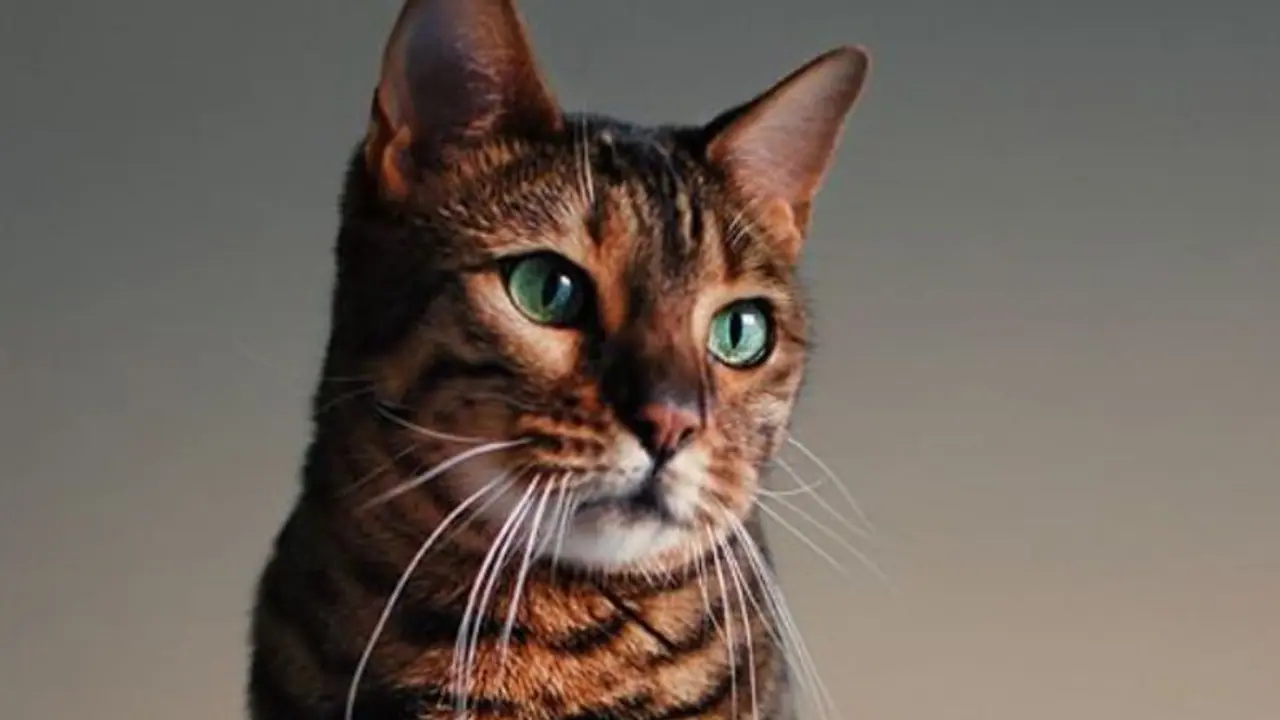
Bengals have a unique, short coat that sheds less and feels more like a wild cat’s fur. They produce fewer allergens, which some owners say helps with allergy symptoms. Their active and playful nature keeps life interesting.
Devon Rex Cats
With soft, wavy fur that sheds minimally, Devon Rex cats are often easier on allergy sufferers. Their low-maintenance grooming and playful attitude make them a favorite for many households. Have you considered how a cat’s personality might balance your allergy concerns?
Cornish Rex Cats
Cornish Rex cats have a curly, thin coat that sheds very little. This means fewer allergens in your home environment. Their energetic and social nature means they often become the center of attention.
Oriental Shorthair Cats
Oriental Shorthairs share a similar coat type with Siamese cats, which is short and fine. They produce lower levels of allergenic proteins, making them suitable for sensitive individuals. Their curious and vocal personality adds charm to any home.
Traits Of Allergy-friendly Cats
Allergy-friendly cats have special traits that reduce allergic reactions. These cats produce fewer allergens or shed less dander. Their unique features make them suitable for people sensitive to cat allergens. Understanding these traits helps in choosing the right breed.
Coat Types And Shedding
Allergy-friendly cats usually have coats that shed less. Some have short hair, while others have fine, silky fur. Low shedding means fewer allergens spread around the home. Cats with curly or wavy fur also trap dander better, reducing airborne particles.
Grooming Needs
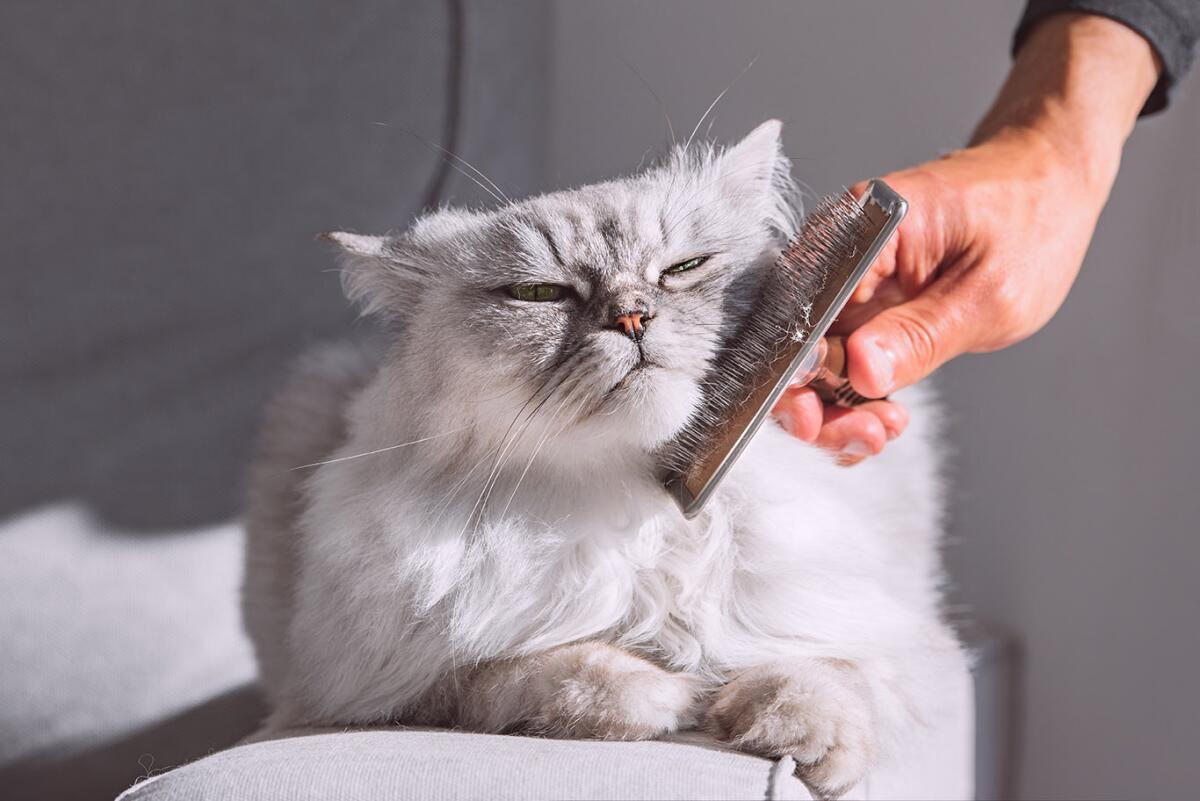
These cats often need regular grooming to keep allergens low. Brushing removes loose fur and dander. Baths can also reduce allergen levels on the coat. Grooming helps maintain a clean, hypoallergenic environment for sensitive owners.
Behavior And Personality
Calm and less active cats spread fewer allergens through movement. Some hypoallergenic breeds are known for their gentle and affectionate nature. These traits make living with allergy-friendly cats more pleasant and comfortable.
Tips For Living With Allergies And Cats
Choosing cat breeds like the Siberian, Balinese, or Sphynx can help reduce allergy symptoms. These breeds produce fewer allergens, making them easier to live with for allergy sufferers. Regular cleaning and grooming also keep allergen levels low.
Living with allergies doesn’t mean you can’t have a cat. You can take steps to minimize allergens. Choose a hypoallergenic breed and follow these tips. Enjoy the company of a feline friend without constant sneezing.Home Cleaning Strategies
Regular cleaning reduces allergens at home. Vacuum carpets and rugs weekly using a HEPA filter vacuum. Wash beddings and curtains often to remove cat dander. Mop floors with a damp cloth to trap dust and hair. Keep your cat out of the bedroom to limit allergen exposure while you sleep.Air Quality Management
Improve air quality with purifiers. Use HEPA air purifiers in key rooms. Change HVAC filters every three months. Keep windows open for fresh air circulation when possible. Consider houseplants to naturally improve air quality.Cat Care Practices
Groom your cat to reduce shedding. Brush your cat daily to remove loose fur. Use hypoallergenic shampoos for regular baths. Feed your cat a high-quality diet for healthy skin and coat. Ensure your cat’s litter box is clean to minimize dust.Choosing The Right Hypoallergenic Cat
Choosing the right hypoallergenic cat means understanding your needs and the cat’s traits. Not all hypoallergenic breeds fit every lifestyle or home environment. It is important to match a cat’s energy, grooming needs, and personality with your daily routine.
Matching Lifestyle And Breed
Some hypoallergenic cats need lots of play and attention. Others are calm and independent. Consider your living space, work hours, and activity level. For example, a Siberian cat enjoys playing but also adapts well to quiet homes. Balancing your lifestyle with the breed’s nature helps create a happy home.
Considering Adoption
Many shelters have hypoallergenic cats waiting for a home. Adopting saves lives and gives cats a second chance. Ask shelter staff about cats that are known to cause fewer allergies. This can be a great way to find a loving pet without supporting breeders.
Trial Periods And Allergy Testing
Spend time with a cat before deciding to bring it home. Some places offer trial periods for hypoallergenic breeds. Allergy testing can also help identify if a cat suits you. These steps reduce the risk of unexpected allergic reactions and ensure a good match.

Credit: scrumbles.co.uk

Credit: pacagen.com
Frequently Asked Questions
What Are Hypoallergenic Cat Breeds?
Hypoallergenic cat breeds produce fewer allergens, reducing allergy risks. Examples include Siberian, Balinese, and Sphynx cats. They are ideal for allergy sufferers seeking feline companionship without severe reactions.
How Do Hypoallergenic Cats Reduce Allergies?
These cats produce less of the Fel d 1 protein, the main allergen. Their fur and dander spread fewer allergens, minimizing allergic responses. Regular grooming further decreases allergen levels in the home.
Are Hypoallergenic Cats Completely Allergen-free?
No cat breed is 100% allergen-free. Hypoallergenic cats only produce fewer allergens, lowering allergy severity. People with allergies may still experience mild reactions but often tolerate these breeds better.
Which Cat Breeds Are Best For Allergy Sufferers?
Siberian, Balinese, Devon Rex, and Cornish Rex cats are popular hypoallergenic breeds. They have unique coats that reduce allergen spread. Choosing these breeds helps allergy sufferers enjoy cats with fewer symptoms.
Conclusion
Choosing a hypoallergenic cat breed helps reduce allergy problems. Breeds like the Siberian, Balinese, and Sphynx often cause fewer reactions. Each cat has a unique personality and care needs. Spending time with a cat before adopting is smart. This helps you find a pet that fits your home.
Remember, no cat is 100% allergen-free. Still, these breeds offer a better chance for allergy sufferers. Enjoy the joy and comfort a cat can bring to your life.


Leave a Reply