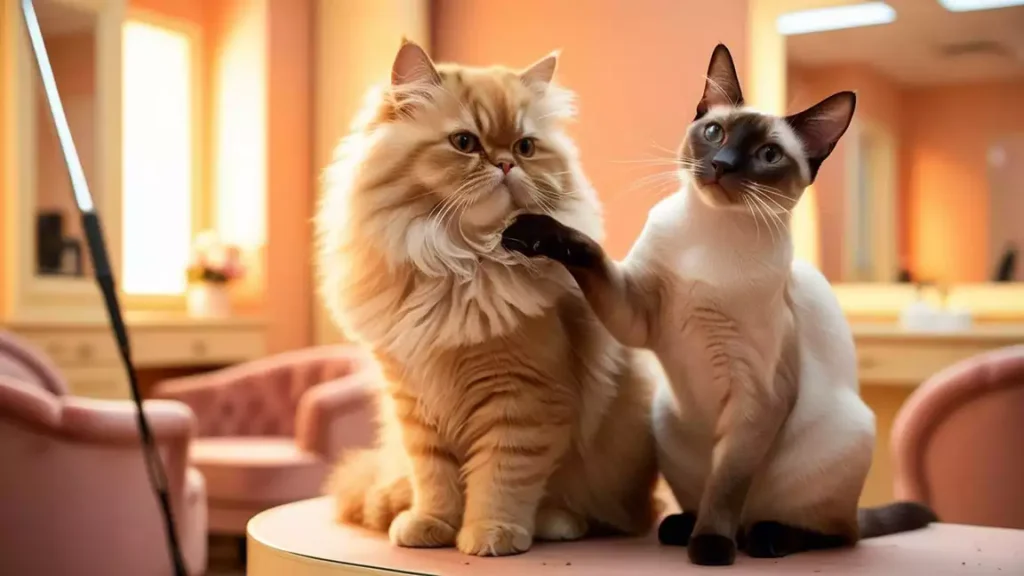
Have you ever wondered if cat grooming is more than just a way for your feline friend to stay clean? Maybe you’ve noticed your cat licking you or other pets and asked yourself, “Is this about dominance?” Understanding why cats groom can change how you see their behavior and improve your bond with them.
You’ll discover surprising facts about cat grooming and what it really means for your relationship with your furry companion. Keep reading to unlock the secrets behind those gentle licks and find out if grooming is a sign of love, control, or something else entirely.

Credit: tryfurgo.com
Feline Grooming Habits
Understanding your cat’s grooming habits can reveal a lot about their behavior and social interactions. Grooming is more than just staying clean; it’s a form of communication and bonding. Observing how your feline friend grooms themselves and others helps you see their personality and social structure more clearly.
Self-grooming Patterns
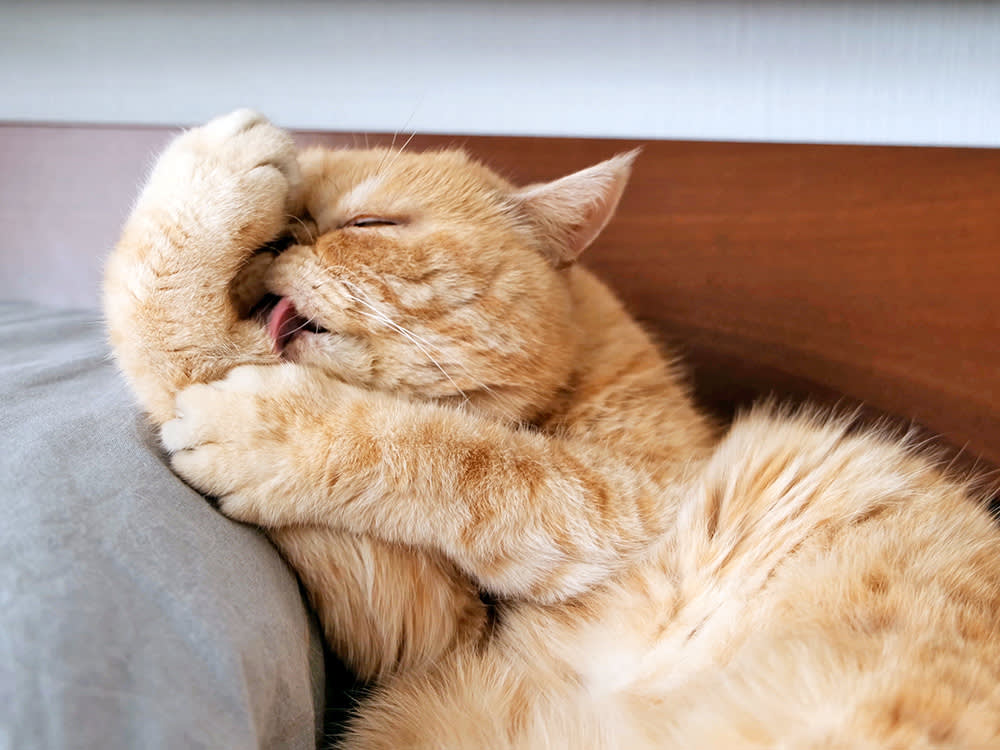
Cats spend a significant part of their day grooming themselves. This behavior keeps their fur clean, regulates body temperature, and even reduces stress. You might notice your cat licking their paws and then rubbing their face—a clever way to reach spots they can’t lick directly.
Have you ever seen your cat stop mid-groom to stare at you? That moment shows they are comfortable and relaxed. If your cat suddenly grooms less, it could indicate discomfort or health issues, so keep an eye on changes in their routine.
Mutual Grooming Among Cats
When cats groom each other, it’s a sign of trust and friendship. This mutual grooming, known as allogrooming, strengthens social bonds and helps reduce tension. You might see cats licking each other’s heads or necks—areas they can’t easily reach themselves.
Mutual grooming also plays a role in establishing social hierarchies but doesn’t mean one cat is trying to dominate the other. Instead, it’s more about cooperation and group harmony. Have you noticed your cats grooming each other more when they spend more time together? This can be a great indicator of their relationship quality.
Social Bonds And Grooming
Cats use grooming to build strong social bonds. It goes beyond just cleaning. Grooming helps cats feel safe and connected. They often groom each other to share warmth and comfort. This behavior shows trust and friendship within their group.
Grooming As A Sign Of Affection
Cats groom each other to show love and care. It is a gentle way to say, “I trust you.” Grooming helps calm nervous cats and reduce stress. It often happens between cats that like each other. This bonding activity strengthens their relationship every day.
Hierarchy In Multi-cat Households
In homes with many cats, grooming can reflect social rank. Dominant cats may groom others more often. Submissive cats usually accept grooming to show respect. Grooming helps keep peace and order in the group. It is part of how cats communicate without fights.
Dominance Or Cooperation?
Understanding whether cat grooming is about dominance or cooperation changes how you view your pet’s behavior. You might have noticed cats licking each other and wondered if one cat was trying to control the other or if it was a sign of friendship. The answer is not always clear, but looking closely at their interactions can offer clues.
Grooming And Power Dynamics
Grooming can sometimes reflect a power balance between cats. The dominant cat may groom the subordinate one, asserting control while also providing care. This behavior helps maintain social order without conflict.
However, grooming isn’t always about control. It can also be a way to build trust and show affection. Pay attention to who initiates grooming and how the other cat responds—this often reveals whether it’s dominance or cooperation.
Case Studies In Feline Behavior
Research shows that cats living together often groom each other in patterns linked to their social ranking. In one study, higher-ranking cats groomed lower-ranking ones more frequently, reinforcing their position.
But some cats form strong bonds through mutual grooming, supporting the idea of cooperation. You might see pairs of cats grooming each other equally, which points to a friendship rather than dominance.
Have you observed your cats grooming each other? What do their reactions tell you about their relationship? Understanding these signals can improve how you support your cats’ social lives.
Credit: www.kinship.com
Body Language During Grooming
Cats often groom each other to show affection and bond. It is not usually about dominance. This behavior helps to strengthen social ties among feline friends.
Understanding your cat’s body language during grooming can reveal whether it’s a simple act of affection or a subtle display of dominance. Cats communicate a lot through their bodies, and observing these signals can offer insights into their social hierarchy. Watching closely can help you decipher whether your feline friend is asserting dominance or merely building a bond.Postures And Signals
During grooming, cats exhibit specific postures and signals that can indicate their intentions. A cat that grooms another might sit or stand over the other, subtly suggesting control. The positioning of their tails is also telling; a high, relaxed tail signifies confidence and a sense of security. Ears play a crucial role too. A cat with forward-facing ears is likely comfortable and content. However, flattened ears might suggest tension or a less friendly interaction.Interpreting Grooming Gestures
Grooming gestures can be complex to interpret. A cat that licks another’s head or neck is often engaging in a sign of affection and trust. However, if one cat frequently initiates grooming while the other remains passive, it might hint at a dominance dynamic. Consider the duration and frequency of grooming sessions. Short, infrequent grooming might just be casual care, whereas prolonged grooming could be a sign of establishing authority. Think about your own experiences with your cats. Have you noticed one taking the lead more often? Observing these interactions can help you better understand the social structure within your feline family. So, next time you see your cats grooming each other, take a moment to observe their body language. What are they really communicating?Impact Of Grooming On Cat Relationships
Grooming plays a key role in how cats interact with each other. It is more than just cleaning fur. Grooming affects trust, comfort, and status within the group. Cats use grooming to show care and to settle disputes. Understanding this helps us see if grooming is about dominance or friendship.
Strengthening Bonds
Grooming helps cats build strong friendships. Cats often lick each other’s heads and necks. This action shows affection and trust. It creates a feeling of safety and calm. Grooming also helps reduce stress in cats. When cats groom together, they share positive moments.
These shared moments help cats feel close. They reinforce social ties. Cats that groom each other usually live in harmony. Grooming spreads a scent that marks the group. This scent keeps the group united and peaceful.
Managing Conflicts
Grooming can also stop fights before they start. Cats use grooming to calm down after a disagreement. It works as a peace signal. When one cat grooms another, it can lower tension. This helps avoid further conflict.
Sometimes, grooming shows who is in charge. The dominant cat may groom others more often. This behavior can remind others of their place. Still, grooming is mostly about peace, not power. It keeps the group stable and safe for all cats.
Human Interaction And Grooming
Human interaction plays a big role in how cats behave around grooming. Cats use grooming to show care and build bonds. When humans join in, this changes how cats express themselves.
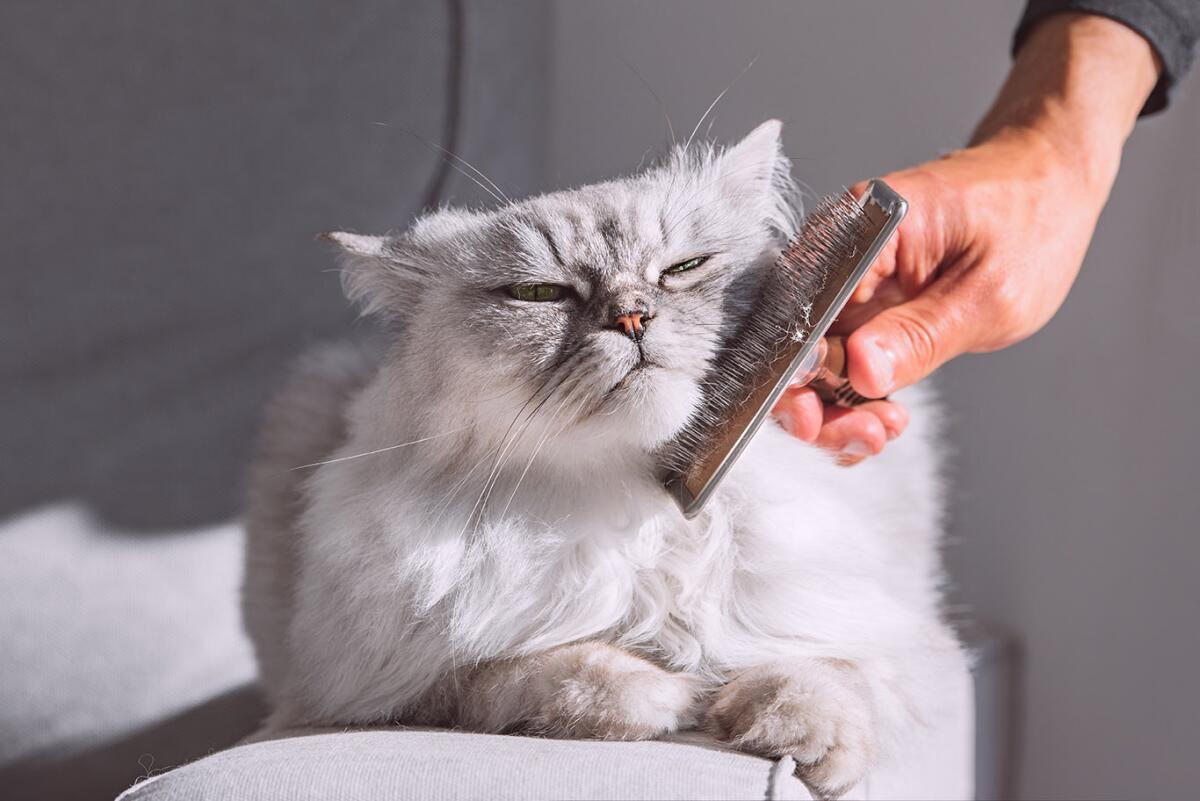
Grooming is not just about keeping clean. It is also about social connection. Cats may groom their owners to show trust and friendship. Owners can guide how their cats behave during these moments.
Cats Grooming Their Owners
Cats sometimes lick or nibble their owners’ skin or hair. This is a way to share their scent and feel close. It can be a sign of affection or comfort. Cats use grooming to create a sense of family.
This action is natural. Cats learn this from grooming other cats in their group. When they groom humans, they treat them like part of their social circle. It is a gentle way to say, “You belong with me.”
Owner’s Role In Grooming Behavior
Owners influence how often and how cats groom them. Calm and patient owners encourage more grooming. Responding softly makes cats feel safe to show care.
Sometimes, owners may need to set limits. If grooming turns rough or too frequent, gentle redirection helps. This teaches cats about boundaries without breaking trust.
Understanding cat body language helps owners respond well. Signs of comfort or stress guide how to interact. Good communication builds a strong bond and positive grooming habits.
Common Misconceptions
Many people believe cat grooming is a sign of dominance. This idea is a common misconception. Grooming in cats is often misunderstood and linked to aggressive or controlling behavior. The truth is quite different. Cats use grooming to build social bonds, not to show power.
Grooming And Aggression
Grooming does not usually mean a cat is aggressive. Cats groom each other to create trust and comfort. It helps reduce stress and strengthens friendships. Aggression in cats shows through hissing, growling, or swatting. Grooming is gentle and caring, the opposite of aggression.
Dominance Myths Debunked
The idea that cats groom to show dominance is false. Grooming is more about connection and care. Cats groom their close friends and family members. This behavior shows affection and support, not control. Understanding this helps improve how we care for cats.

Credit: catgroomerla.com
Frequently Asked Questions
Is Cat Grooming A Sign Of Dominance?
Cat grooming is not always about dominance. It often shows affection and social bonding between cats. Grooming helps build trust and comfort.
Why Do Cats Groom Each Other Frequently?
Cats groom each other to strengthen social bonds and reduce stress. Mutual grooming also helps maintain cleanliness and skin health among cats.
Can Grooming Prevent Cat Fights?
Yes, grooming can reduce aggression by promoting harmony. Cats that groom together tend to have fewer conflicts and stronger relationships.
Do Cats Groom Humans To Show Dominance?
Cats rarely groom humans to show dominance. Grooming humans usually signals affection, trust, and a desire for attention from their owners.
Conclusion
Cat grooming is not about dominance but care and trust. Cats groom to feel safe and loved. Owners should understand this behavior calmly and patiently. Grooming builds a strong bond between you and your cat. Respect your cat’s needs and preferences during grooming.
This helps your cat stay happy and healthy. Enjoy the quiet moments of grooming together. It’s a gentle way to show you care. Keep learning about your cat’s unique ways. That’s the key to a happy pet life.

Leave a Reply