
If you have a Persian cat, you know how beautiful and fluffy they are. But keeping their coat soft and tangle-free takes some special care.
You might wonder, how do you groom a Persian cat without causing stress or making a mess? Grooming your Persian is not just about looks—it’s about keeping your furry friend healthy and happy. You’ll discover simple, effective tips to make grooming easy and even enjoyable for both you and your cat.
Ready to become the best groomer your Persian has ever had? Let’s dive in!
Choosing The Right Grooming Tools
Choosing the right grooming tools makes all the difference when caring for your Persian cat. Their long, dense fur demands specific brushes and accessories that prevent tangles and keep their coat healthy. Using the wrong tools can cause discomfort or even damage their delicate hair.
Best Brushes For Persian Fur
Your Persian cat’s fur needs gentle yet effective brushing to avoid mats and knots. A wide-toothed comb helps detangle stubborn clumps without pulling too hard.
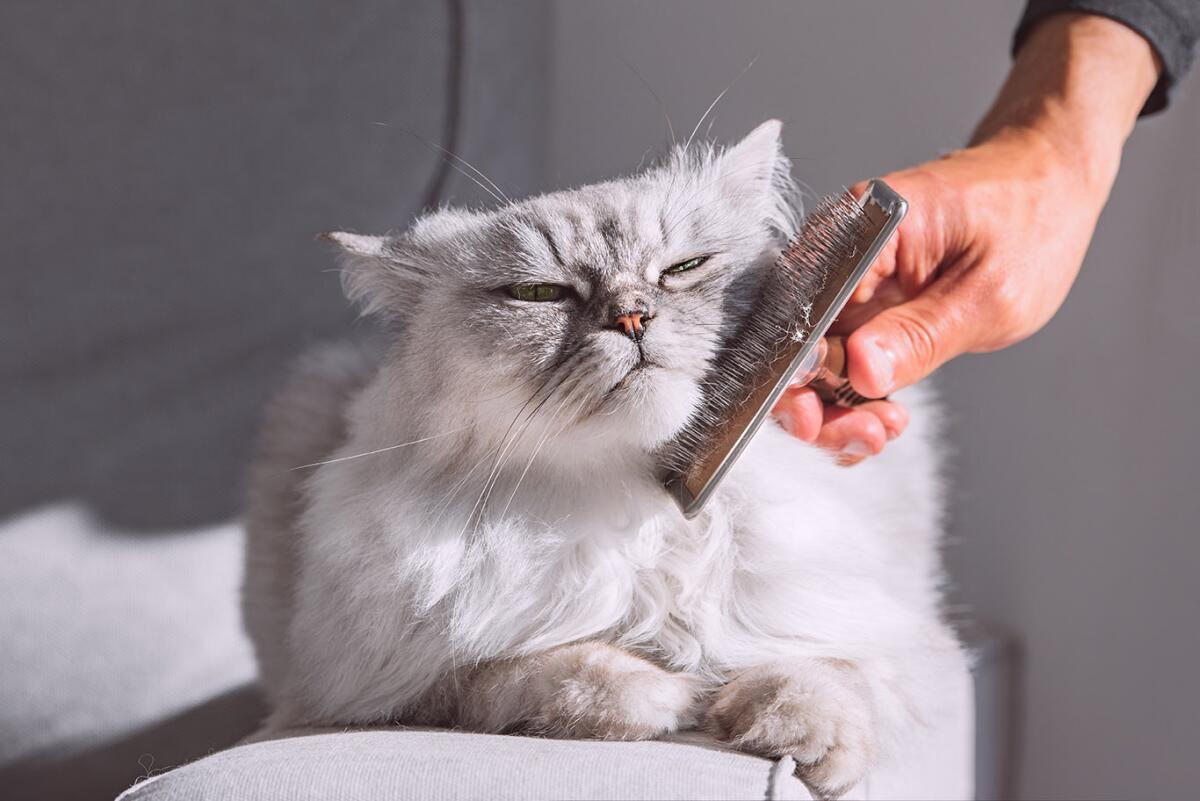
Use a slicker brush with fine, flexible wires to smooth the coat and remove loose hair. This brush works well for daily grooming and reduces shedding around your home.
Consider a pin brush with rounded tips if your cat’s fur is especially thick. It’s gentle on sensitive skin and helps maintain the natural shine of their coat.
- Wide-toothed comb:Best for detangling knots safely.
- Slicker brush:Removes loose fur and smooths the coat.
- Pin brush:Ideal for thick, dense hair and sensitive skin.
Essential Grooming Accessories
Beyond brushes, a few accessories can make grooming easier and more comfortable for your cat. Nail clippers designed specifically for cats help keep their claws trimmed without stress.
A grooming mat or table can provide a stable surface, making your pet feel secure during grooming sessions. You might also want to have detangling spray on hand to soften stubborn mats.
Remember to use a soft towel to wrap your Persian gently if they get restless. This keeps them calm and prevents accidental scratches.
- Cat-specific nail clippers:For safe and precise trimming.
- Grooming mat or table:Provides stability and comfort.
- Detangling spray:Helps loosen tough mats.
- Soft towel:Keeps your cat calm and secure.
Have you tried different brushes or accessories yet? Notice how your cat reacts to each tool and adjust accordingly. Your Persian will thank you with a softer coat and more relaxed grooming time.

Credit: pursianpaws.com
Daily Grooming Routine
Caring for a Persian cat means committing to a daily grooming routine that keeps their luxurious coat healthy and beautiful. This routine not only prevents discomfort but also strengthens the bond between you and your feline friend. Let’s dive into effective brushing techniques and smart ways to handle mats and tangles.
Brushing Techniques
Use a wide-toothed comb first to gently detangle your Persian’s fur. This helps remove loose hair without pulling too hard.
Afterwards, switch to a soft-bristle brush to smooth the coat and distribute natural oils evenly. Brush in the direction of hair growth, working from head to tail for the best results.
Be patient and gentle, especially around sensitive areas like the belly and behind the ears. Your cat will appreciate the care, and you’ll notice less shedding around the house.
Dealing With Mats And Tangles
If you find mats, don’t panic or pull on them. Use your fingers to carefully loosen the knots before brushing.
For tougher mats, apply a small amount of detangling spray designed for cats. Let it sit for a few minutes to soften the fur.
Sometimes, mats near the skin require trimming. If you’re unsure, ask a professional groomer to avoid hurting your pet.
Have you ever noticed how a calm, consistent approach can make grooming easier for both you and your Persian? Your daily attention prevents big problems before they start.
Bathing Your Persian Cat
Bathing your Persian cat is an important part of their grooming routine. Their long, thick coat can trap dirt and oils. A clean coat helps prevent mats and keeps your cat comfortable. Bathing also reduces shedding and keeps their skin healthy. It is important to follow proper steps to avoid stress for your cat.
Frequency And Timing
Persian cats usually need baths every 4 to 6 weeks. This helps keep their coat clean without drying out their skin. During warmer months, you can bathe them more often. Avoid bathing too close to feeding or sleeping time. Choose a calm time when your cat is relaxed.
Safe Shampoo Choices
Always use shampoos made specifically for cats. Human or dog shampoos can irritate your Persian’s skin. Choose mild, hypoallergenic formulas. Look for shampoos that add moisture to prevent dryness. Avoid products with strong fragrances or harsh chemicals.
Drying Methods
After the bath, gently towel dry your cat. Use soft, absorbent towels to remove excess water. Avoid rubbing too hard to prevent tangling. You can use a low heat setting on a pet dryer. Keep the dryer moving and far from their skin. Let your Persian air dry in a warm room if they dislike dryers.
Maintaining Eye And Face Cleanliness
Maintaining eye and face cleanliness is vital for Persian cats. Their flat faces and large eyes often collect dirt and tear stains. Regular cleaning prevents infections and keeps your cat comfortable. It also helps your Persian look its best every day.
Cleaning Tear Stains
Tear stains are common in Persian cats due to their facial structure. Use a soft, damp cloth or cotton ball to gently wipe around the eyes. Choose a mild, pet-safe eye wipe for better results. Clean the area daily to stop stains from building up. Avoid harsh chemicals that can irritate your cat’s eyes.
- Use warm water or a gentle eye cleaner
- Wipe from the inner corner outward
- Be gentle to avoid discomfort
- Dry the area with a soft towel
Handling Facial Fur
Persian cats have thick fur around their face that can trap dirt and moisture. Brush this fur daily with a fine-toothed comb or soft brush. This stops mats and keeps the fur clean. Trim fur near the eyes carefully to avoid irritation. Keep the face dry to prevent fungal infections.
- Brush slowly to avoid pulling fur
- Use blunt scissors to trim around eyes
- Keep the fur dry and clean
- Check for any signs of redness or swelling
Nail And Ear Care
Grooming a Persian cat includes attention to their nails and ears. Regular care prevents infections and discomfort. Here’s how you can manage both effectively.
Trimming Nails Safely
Trim your Persian cat’s nails every 10 to 14 days. Use a pet nail clipper for best results. Ensure the clipper is sharp and clean before use.
Hold your cat gently but firmly. This helps prevent sudden movements. Press the paw pad to extend the nail. Identify the pink area called the quick.
Avoid cutting the quick. It can cause pain and bleeding. Trim just the tip of the nail. Check each nail and trim as needed.
Cleaning Ears Properly
Check your cat’s ears weekly. Look for dirt, wax, or redness. Use a vet-recommended ear cleaner for safety.
Apply a few drops into the ear canal. Gently massage the base of the ear. This helps the cleaner reach deeper.
Use a cotton ball to wipe away dirt. Avoid using cotton swabs inside the ear canal. This can cause harm or push debris further in.
Regular ear checks keep your Persian cat healthy and happy. Always consult your vet if you notice any issues.

Credit: cats.com
Diet And Hydration For Healthy Fur
Maintaining your Persian cat’s luxurious fur starts with what you feed and how you keep them hydrated. Diet and hydration play a vital role in the texture, shine, and overall health of their coat. If you want your Persian’s fur to look its best, you need to pay close attention to these areas.
Nutritional Needs
Your Persian cat’s fur depends heavily on the right nutrients. Protein is essential because it provides the building blocks for strong hair. Look for high-quality protein sources like chicken, turkey, or fish in their diet.
Omega-3 and Omega-6 fatty acids also matter a lot. These fats help reduce inflammation and keep the skin moisturized, which prevents dryness and flakiness. You can find these in fish oil or specially formulated cat foods.
Vitamins such as Vitamin E and biotin support hair growth and repair. If you notice dull fur or excessive shedding, it might mean your cat’s diet lacks these crucial vitamins. Have you checked the ingredients on your cat’s food label lately?
Hydration Tips
Water intake affects your Persian’s fur health more than you might think. Dehydration can cause dry, brittle hair that breaks easily. Make sure your cat always has access to fresh, clean water.
Some cats prefer running water, so using a cat water fountain can encourage them to drink more. You can also add moisture to their diet through wet cat food or by mixing a little water into their dry food.
Watch your cat’s drinking habits and coat condition closely. If the fur starts looking dull or your cat seems lethargic, it might be time to increase hydration. Have you tried changing your cat’s water source to spark more interest in drinking?
Managing Seasonal Shedding
Managing seasonal shedding is a key part of grooming your Persian cat. As the seasons change, your cat’s coat will naturally shed more, which can lead to tangles and mats if not handled properly. Keeping up with shedding helps your cat stay comfortable and reduces the amount of loose fur around your home.
Adjusting Grooming Frequency
During heavy shedding periods, you’ll need to groom your Persian cat more often. Instead of the usual few times a week, daily brushing can make a big difference. This helps catch loose hairs before they clump into mats or spread around your living space.
Use a wide-toothed comb first to gently detangle any knots. Follow up with a fine-toothed comb or a slicker brush to remove loose fur. This two-step approach keeps your cat’s coat smooth and healthy.
Have you noticed your cat’s mood change when their coat feels heavy or itchy? Increasing grooming sessions can improve their comfort and strengthen your bond.
Preventing Hairballs
Excess shedding means more fur ends up in your cat’s stomach. Hairballs can cause discomfort and even digestive problems. Regular grooming reduces the amount of fur your cat swallows while cleaning themselves.
Adding a hairball remedy to your cat’s diet can also help move fur through their digestive system more easily. You can find these in pet stores or ask your vet for recommendations.
- Brush your cat daily during shedding seasons to remove loose fur.
- Offer specialized hairball treats or supplements.
- Ensure your cat drinks plenty of water to aid digestion.
Have you ever been surprised by how much fur a Persian cat sheds in just a week? Keeping up with grooming and hairball prevention can save you from sudden surprises.
When To Seek Professional Grooming
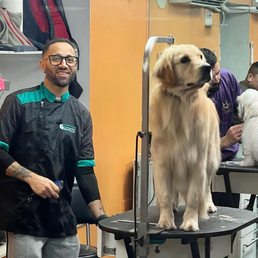
Professional grooming is helpful when your Persian cat’s fur becomes tangled or hard to manage. Regular visits prevent mats and keep their coat healthy and clean. Experts also spot skin problems early, ensuring better care for your cat.
Caring for a Persian cat’s luxurious coat can be a rewarding yet challenging task. While regular home grooming is essential, there are times when professional grooming becomes necessary to ensure your feline friend looks and feels their best. Understanding when to seek expert help can prevent common grooming mistakes and keep your cat in optimal health.Signs Your Cat Needs Expert Care
Every cat is unique, and so are their grooming needs. One clear sign your Persian might need professional grooming is if their coat develops severe mats. These mats can be painful and difficult to handle on your own. Additionally, if you notice excessive shedding, it might indicate underlying issues that a professional could identify. Sometimes, a change in your cat’s behavior, such as increased scratching or discomfort, signals it’s time for expert intervention.Choosing A Grooming Salon
Selecting the right grooming salon is crucial for your cat’s comfort and health. Start by researching local salons that specialize in cats, especially Persians. Reviews from fellow cat owners can provide insight into the quality of service. Visit potential salons to observe their cleanliness and speak with the groomers. Ensure they have experience with Persian cats and can handle their specific needs. Your cat deserves a groomer who treats them with care and patience.
Credit: m.youtube.com
Frequently Asked Questions
How Often Should You Groom A Persian Cat?
Persian cats need daily grooming to prevent mats and tangles. Their long fur requires regular brushing to stay healthy. Frequent grooming also reduces shedding and hairballs, keeping your cat comfortable and clean.
What Tools Are Best For Grooming Persian Cats?
Use a wide-tooth comb, slicker brush, and grooming scissors for Persian cats. These tools help remove tangles, loose fur, and mats gently. Regular use prevents fur damage and keeps their coat shiny and smooth.
How Do You Prevent Mats In A Persian Cat’s Fur?
To prevent mats, brush your Persian cat daily, focusing on problem areas like behind ears and under legs. Regular grooming stops fur from tangling and matting. Bathing occasionally also helps maintain a soft, mat-free coat.
Can Persian Cats Be Bathed At Home Safely?
Yes, Persian cats can be bathed at home with mild cat shampoo. Use lukewarm water and dry them thoroughly afterward. Regular baths keep their fur clean and reduce oil buildup, improving coat health.
Conclusion
Grooming a Persian cat takes time and patience. Brush their fur daily to avoid mats. Clean their eyes gently to prevent stains. Trim nails carefully to keep them safe. Regular grooming keeps your cat happy and healthy. It also strengthens the bond between you and your pet.
Simple steps make a big difference in care. Stay consistent, and your Persian will look great. Enjoy the process and the company of your cat.

Leave a Reply