Can you groom cats? If you’ve ever wondered whether your furry friend enjoys a good brushing or if grooming is even necessary, you’re not alone.
Grooming your cat isn’t just about keeping them looking neat—it can improve their health, strengthen your bond, and even prevent costly vet visits. But how do you do it right? And what if your cat isn’t a fan? Keep reading to discover simple tips and secrets that will make grooming a breeze for both you and your cat.
Benefits Of Grooming Cats
Grooming cats offers many benefits beyond just keeping them clean. It helps maintain their health and comfort daily. Regular grooming supports a shiny coat and reduces common issues cats face. It also strengthens the bond between you and your pet.
Improved Coat Health
Brushing removes dirt and dead skin from the cat’s coat. It spreads natural oils that keep fur soft and shiny. Grooming helps prevent mats and tangles, especially in long-haired cats. A healthy coat means a happier, more comfortable cat.
Reduced Shedding
Regular grooming catches loose fur before it falls around the house. This helps keep your home cleaner and reduces allergens. It also lowers the amount of hair your cat swallows while grooming itself. Less shedding means less cleaning for you.
Prevention Of Hairballs
Hairballs form when cats swallow loose hair while cleaning themselves. Grooming removes loose fur, so less is ingested. This lowers the chance of hairballs causing stomach problems. It keeps your cat feeling better and reduces vomiting.
Early Detection Of Health Issues
Grooming lets you check your cat’s skin and body closely. You can spot lumps, bumps, or wounds early. It helps find signs of parasites like fleas or ticks. Early detection means faster treatment and better health for your cat.

Credit: www.purina.com
Tools Needed For Cat Grooming
Grooming a cat requires the right tools to keep their coat clean and healthy. Using proper equipment makes the process easier and more comfortable for your pet. Different tools serve different purposes, from brushing fur to trimming nails. Understanding these tools helps you care for your cat better.
Types Of Brushes And Combs
Brushes and combs remove dirt, loose hair, and prevent mats. Choose brushes based on your cat’s coat type:
- Slicker brusheswork well for long or thick fur.
- Bristle brushessuit short-haired cats and add shine.
- Wide-tooth combshelp detangle and remove knots gently.
- Flea combscatch fleas and tiny debris.
Nail Clippers And Trimmers
Keeping nails trimmed prevents scratches and injuries. Use clippers designed for cats to avoid splitting nails. There are two main types:
- Scissor-style clipperslook like small scissors, good for beginners.
- Guillotine-style clippershave a hole where the nail fits for precise cutting.
Use nail trimmers carefully to avoid cutting the quick, which hurts the cat.
Shampoos And Wipes
Cats need special shampoos made for their sensitive skin. Avoid human shampoos as they can cause irritation. Choose shampoos that are:
- Gentle and hypoallergenic
- Free from harsh chemicals
- Formulated for cats’ pH balance
For quick clean-ups, grooming wipes are helpful. They remove dirt without water and calm the cat’s skin.
Other Useful Accessories
Other items can improve grooming sessions. Consider these accessories:
- Grooming glovesfor gentle brushing and hair removal.
- Styptic powderto stop bleeding from accidental nail cuts.
- Towelsfor drying after baths.
- Cat treatsto reward and calm your cat during grooming.
Preparing Your Cat For Grooming
Preparing your cat for grooming is a key step to ensure the experience is smooth and stress-free for both of you. Cats can be sensitive to touch and new routines, so setting the stage properly helps build trust and cooperation. Taking time to prepare will make grooming a positive habit rather than a dreaded chore.
Creating A Calm Environment
Start by choosing a quiet, comfortable space with minimal distractions. Turn off loud noises like TVs or radios to keep your cat relaxed.
Soft lighting and a familiar blanket or bed can help your cat feel safe. Have all your grooming tools ready nearby so you don’t have to leave your cat unattended. This reduces anxiety and keeps the session flowing smoothly.
Getting Your Cat Comfortable
Before grooming, spend a few minutes petting and talking gently to your cat. This helps build a connection and reassures them that grooming is not a threat.
Try touching your cat’s paws, ears, and tail lightly during calm moments to get them used to being handled. If your cat pulls away, don’t force it—give them space and try again later. Patience here pays off in the long run.
Choosing The Right Time
Pick a time when your cat is naturally calm or sleepy, such as after a meal or play session. Avoid grooming when your cat is hyperactive or agitated.
Short grooming sessions work best, especially at first. Start with just a few minutes and increase the time as your cat becomes more comfortable. Have you noticed your cat’s daily rhythm? Use that to your advantage for stress-free grooming.

Credit: tryfurgo.com
Step-by-step Grooming Process
Grooming your cat keeps them healthy and happy. Regular care removes loose fur and dirt. It also helps you spot any skin problems early. A calm, patient approach works best. Use gentle tools made for cats. Create a quiet space free from distractions. Talk softly to soothe your pet.
Brushing Techniques
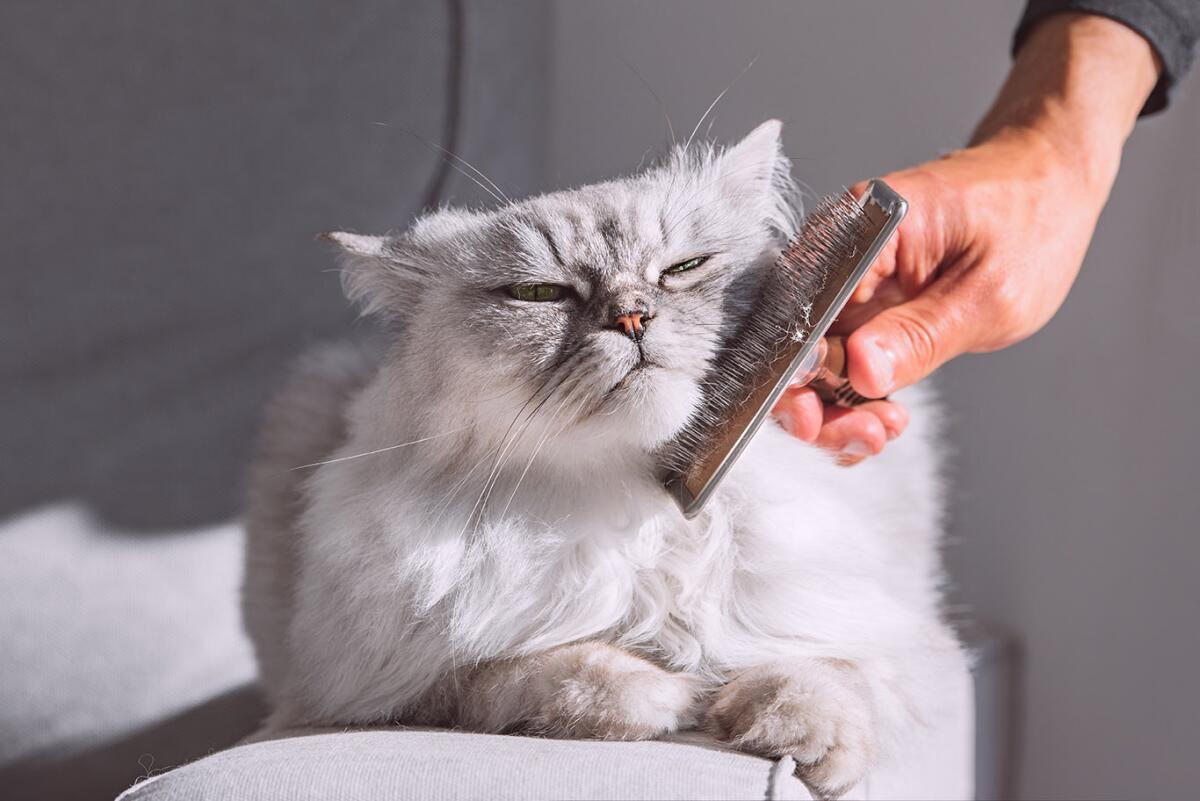
Choose a brush suitable for your cat’s fur type. Long-haired cats need a wide-tooth comb. Short-haired cats do well with a soft bristle brush. Brush in the direction of fur growth. Use slow, gentle strokes to avoid hurting your cat. Focus on areas with knots or mats. Stop if your cat shows signs of stress.
Bathing Your Cat Safely
Bathing is not always necessary but can help with dirt or fleas. Use lukewarm water and cat-friendly shampoo. Wet your cat slowly, avoiding the face. Massage shampoo gently into the fur. Rinse thoroughly to remove all soap. Dry your cat with a soft towel. Keep the room warm to prevent chills.
Nail Trimming Tips
Trim your cat’s nails every few weeks. Use sharp, small pet nail clippers. Hold your cat’s paw firmly but gently. Cut only the white part of the nail. Avoid the pink area called the quick. Trim one nail at a time. Reward your cat with praise or a treat.
Cleaning Ears And Eyes
Check ears and eyes for dirt or discharge. Use a damp cotton ball to clean ears gently. Do not push deep inside the ear canal. Wipe around the eyes with a soft, damp cloth. Use separate cloths for each eye to prevent infection. Stop and seek vet help if you notice redness or smell.
Handling Common Grooming Challenges
Handling common grooming challenges with cats can be tricky. Cats often resist baths and nail trimming. A gentle approach and patience help ease the process.
Handling Common Grooming Challenges Grooming your cat can sometimes feel like an uphill battle, but understanding the common challenges can make the process smoother. These challenges can range from dealing with a fidgety feline to tackling stubborn matted fur. Addressing these issues with patience and the right techniques will ensure your cat stays happy and healthy.Dealing With Fidgety Cats
Do you find your cat wriggling away every time you try to groom them? The key is to keep sessions short and sweet. Use treats or their favorite toys as distractions. Try grooming in a calm environment where your cat feels safe. If they’re particularly restless, consider grooming them when they’re sleepy, like after a meal. Consistency is crucial, so make grooming a regular part of their routine.Managing Matted Fur
Matted fur is not just unsightly; it can be uncomfortable for your cat. Regular brushing can prevent tangles, but if mats form, use a detangling spray or a specialized comb. Start at the tip of the fur and work your way to the skin gently. Be patient and take breaks if needed. If mats are too severe, a trip to a professional groomer might be necessary. Always ensure your cat is calm during the process to avoid injury.Avoiding Stress And Anxiety
Grooming should be a bonding experience, not a stressful one. To minimize anxiety, create a soothing atmosphere with soft music or calming scents. Speak to your cat in a gentle voice throughout the process. Remember, your mood can affect your cat, so stay calm and collected. If your cat shows signs of stress, such as excessive meowing or hiding, pause the session and try again later. Can you make grooming a positive experience for both you and your feline friend? Absolutely, with patience and persistence.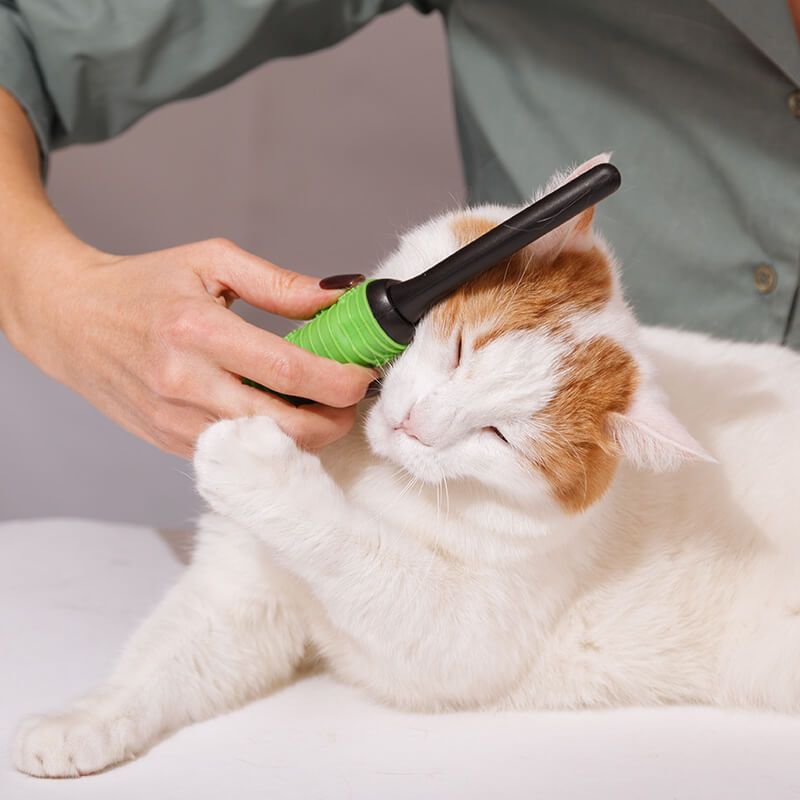
Credit: hellopetsinc.com
Grooming Frequency And Seasonal Care
Grooming cats regularly keeps their coat healthy and shiny. The frequency depends on the cat’s breed, age, and environment. Seasonal changes also affect how often grooming is needed. Adjusting care routines helps manage shedding and skin health throughout the year.
Daily
Daily grooming suits cats with long or thick fur. Brushing removes loose hair and prevents mats. It also reduces hairballs and spreads natural oils. Short-haired cats usually do not need daily care. Still, a quick brush or petting can help bonding and check for skin issues.
Weekly
Most cats benefit from weekly grooming sessions. Use a soft brush to clean the coat and untangle small knots. Check ears, eyes, and teeth during this time. Weekly grooming prevents dirt buildup and keeps skin healthy. It also helps spot ticks or fleas early.
Monthly Routines
Monthly care includes bathing, nail trimming, and deep cleaning. Cats usually groom themselves well but may need a bath if dirty or oily. Trim nails carefully to avoid injury. Monthly grooming helps maintain overall hygiene and comfort.
Adjusting For Seasonal Changes
Cats shed more during spring and fall. Increase brushing frequency to manage extra hair. Warm weather may require more baths to keep skin clean. Cold months call for gentle grooming to avoid dry skin. Seasonal care keeps cats comfortable all year long.
Special Care For Long-haired Breeds
Long-haired cats need extra attention. Their fur can mat quickly without regular brushing. Daily grooming prevents painful knots and skin problems. Use wide-tooth combs for tangles and soft brushes for daily care. Watch for signs of discomfort or irritation often.
When To Seek Professional Grooming
Knowing when to seek professional grooming for your cat is crucial for their health and comfort. While daily brushing and occasional baths can be done at home, some situations demand expert care. Recognizing these moments can save your cat from stress and ensure their coat stays healthy.
Signs You Need Expert Help
Does your cat have matted fur that won’t come out with brushing? Matted hair can cause skin irritation and pain, making professional grooming necessary. If your cat is shedding excessively or showing signs of skin infection like redness, sores, or unusual odor, a groomer can identify and treat these problems early.
Also, if your cat becomes aggressive or overly stressed during grooming attempts, a professional with experience in handling anxious cats can make the process easier for both of you. Cats with very long or thick fur, like Persians or Maine Coons, often need regular expert grooming to prevent severe tangles and hairballs.
Choosing A Professional Groomer
Look for groomers who specialize in cats, not just dogs. Cat-specific groomers understand feline behavior and use appropriate tools and techniques. Ask about their experience, certifications, and how they handle nervous or aggressive cats.
Visit the grooming facility beforehand to check cleanliness and safety standards. Does the groomer offer a quiet environment? This can make a big difference in how your cat reacts. Don’t hesitate to ask for references or read online reviews to get a sense of their reliability and quality of service.
Cost And Frequency Of Professional Services
Professional grooming costs vary depending on your cat’s breed, size, and the services needed. Basic grooming might cost between $50 and $90, while more extensive care, such as de-matting or flea treatments, can increase the price.
Frequency depends on your cat’s coat type and lifestyle. Long-haired cats might need grooming every 4 to 6 weeks, while short-haired cats could manage with a few sessions a year. Think about your budget and your cat’s needs when planning appointments—regular grooming can prevent costly health issues later.
Frequently Asked Questions
Can You Groom Cats At Home Safely?
Yes, you can groom cats at home safely with patience. Use gentle brushes and combs designed for cats. Avoid harsh tools or excessive force. Regular grooming prevents mats and reduces shedding. Always reward your cat to create a positive grooming experience.
How Often Should You Groom A Cat?
Groom short-haired cats weekly and long-haired cats daily or every other day. Frequent grooming controls shedding and prevents mats. Adjust frequency based on your cat’s coat type and activity level. Regular grooming also helps detect skin issues early.
What Tools Do You Need To Groom Cats?
Essential grooming tools include a soft bristle brush, wide-tooth comb, nail clippers, and grooming wipes. Choose tools suitable for your cat’s fur type. A flea comb is helpful for detecting parasites. Keep grooming supplies clean and accessible for regular use.
Can Grooming Reduce Cat Hair Allergies?
Yes, grooming can reduce allergens by removing loose fur and dander. Regular brushing minimizes airborne allergens in your home. Bathing your cat occasionally also helps. However, grooming alone may not eliminate allergies entirely. Consult an allergist for personalized advice.
Conclusion
Grooming cats helps keep their fur clean and healthy. It also reduces hairballs and matting. Cats often enjoy gentle brushing and feel calm. Regular grooming builds trust between you and your cat. It is a simple way to check for any health issues.
With patience and care, grooming becomes easy for both. Give your cat some grooming time every week. This small effort makes a big difference in their life.

Leave a Reply