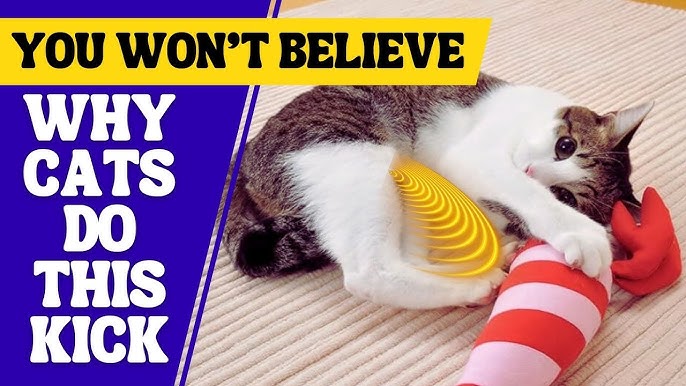
Have you ever watched your cat suddenly grab a toy with their front paws and start kicking it wildly? It’s both funny and puzzling, isn’t it?
You might wonder why your furry friend loves this strange habit so much. Understanding why cats kick toys can help you connect with your pet on a deeper level and even make playtime more enjoyable for both of you. Keep reading, because uncovering the reasons behind this quirky behavior will change the way you see your cat’s playful nature forever.
Credit: pethelpful.com
Instinctive Hunting Behaviors
Cats kicking toys is more than just play—it’s a glimpse into their natural instincts. This behavior taps into deep-rooted hunting skills that domestic cats still carry. Understanding this can help you appreciate why your feline friend engages in such energetic antics.
Predatory Drive In Domestic Cats
Your cat’s desire to kick toys comes from its predatory drive. Even though your cat doesn’t need to hunt for food, this instinct remains strong. It’s the same urge that would help wild cats catch prey, driving them to stalk, pounce, and finally kick to subdue.
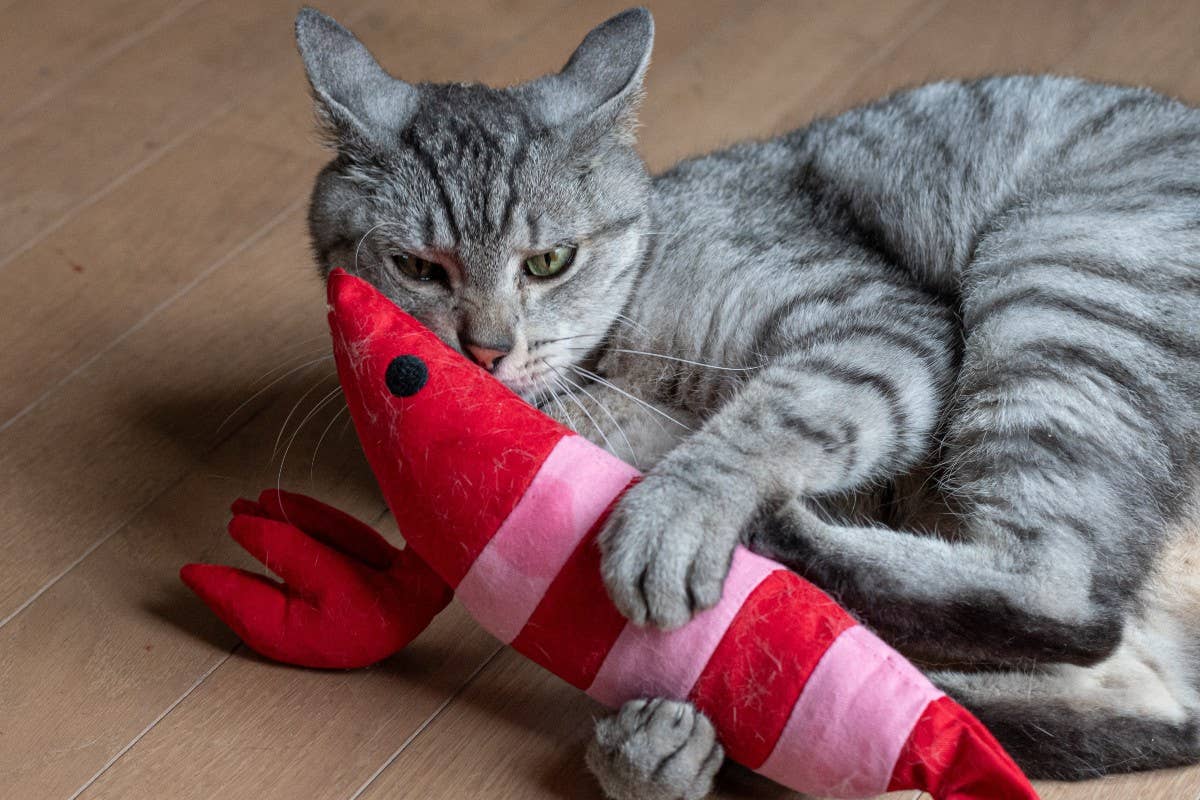
Think about the way your cat locks eyes on a toy, stalks it quietly, then leaps and kicks with its back legs. This mirrors the exact behavior needed to immobilize prey in the wild. It’s their natural way of practicing and expressing essential survival skills.
Simulating The Hunt With Toys
Toys act as stand-ins for prey, allowing cats to act out their hunting sequence safely indoors. When your cat kicks a toy, it’s simulating the final phase of a hunt—using powerful back legs to hold down the catch. This motion helps them release built-up energy and satisfy mental stimulation.
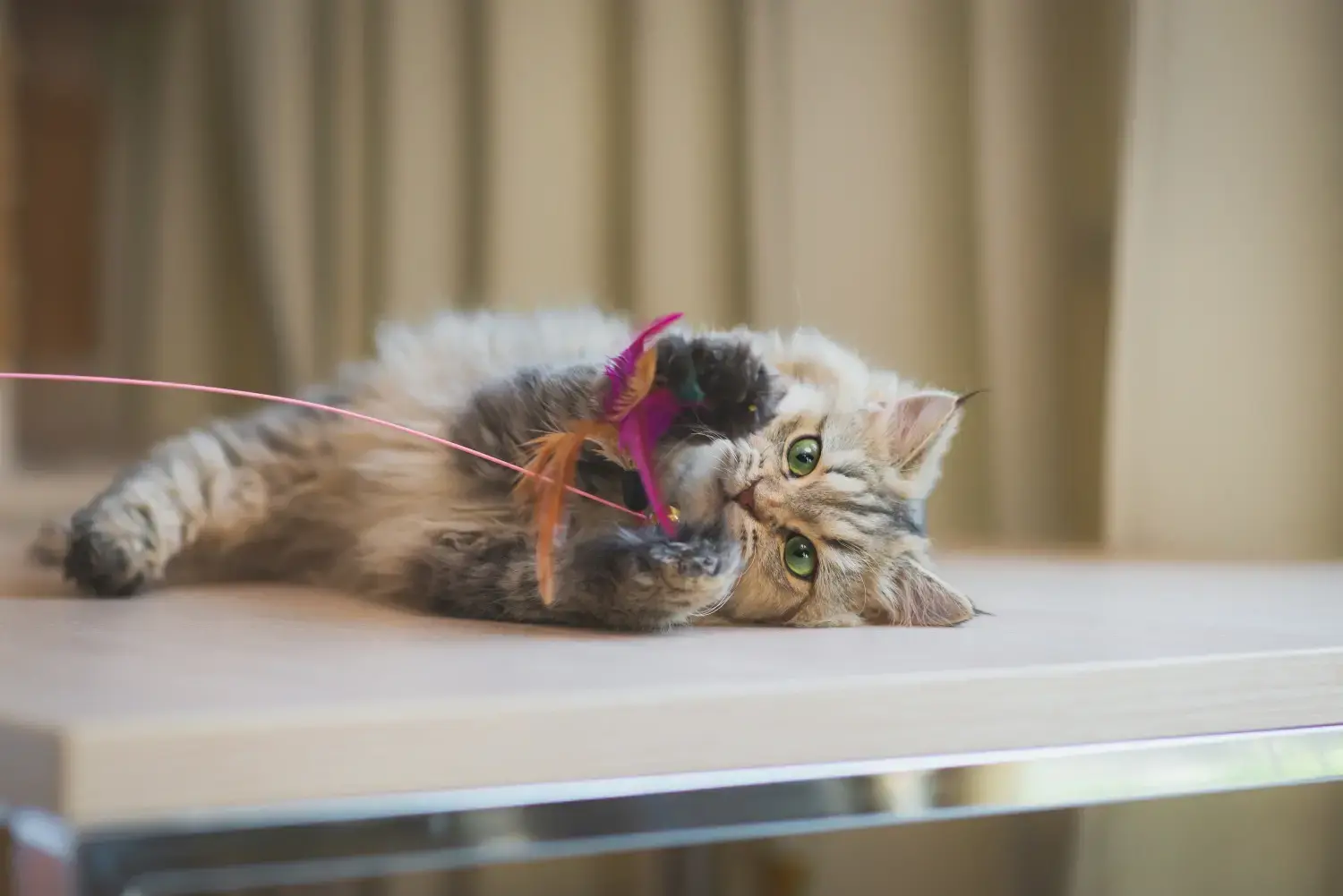
Next time you see your cat vigorously kicking a plush mouse or feather toy, ask yourself: Is this just play, or a vital outlet for their hunting instincts? Providing varied toys that encourage this behavior can improve your cat’s happiness and health.
Credit: blog.homesalive.ca
Energy Release And Exercise
Cats have a lot of energy to burn. Kicking toys helps them stay active and healthy. It is a natural way for cats to release energy and exercise their bodies. This behavior keeps them fit and happy.
Burning Excess Energy
Cats often have sudden bursts of energy. Kicking toys allows them to use this energy in a positive way. Without enough activity, cats can become bored or restless. Kicking helps prevent this by giving cats a fun outlet. It also mimics hunting movements, which are natural for cats.
Physical Benefits Of Kicking
Kicking toys strengthens a cat’s muscles. It improves their coordination and balance. The action involves their legs, paws, and claws. This movement keeps their bodies agile and flexible. Regular exercise through kicking can also help maintain a healthy weight. It supports joint health and reduces stress.
Play And Mental Stimulation
Cats love to play because it keeps their minds sharp and bodies active. Kicking toys is a natural way for them to practice hunting skills. This playful behavior helps cats stay alert and focused. It also gives them mental exercise, which is important for their well-being.
Keeping The Mind Active
Kicking toys helps cats think and solve small challenges. They figure out how to catch or hold their toy. This mental activity prevents boredom and reduces stress. A busy mind makes a cat happier and healthier. It also helps avoid behavior problems caused by lack of stimulation.
Engagement Through Interaction
Cats enjoy toys that move or respond to their actions. Kicking a toy lets them interact and feel in control. This interaction mimics real hunting and keeps their instincts sharp. Playing with toys also strengthens the bond between cats and their owners. Active play sessions encourage cats to stay lively and curious.
Territorial And Possessive Actions
Cats use their toys to communicate more than you might think. Their kicking behavior often reflects a deep-rooted need to establish boundaries and claim ownership. Understanding these territorial and possessive actions can help you connect better with your feline friend.
Marking Toys As Their Own
When your cat kicks a toy, they are often marking it as part of their territory. Cats have scent glands in their paws, so every time they kick, they leave a subtle scent behind. This scent acts like a personal signature, telling other cats, “This belongs to me.”
Have you noticed your cat kicking the same toy repeatedly? That’s their way of reinforcing ownership. It’s similar to how you might place your favorite items in a special spot at home.
Expressing Dominance
Kicking toys is also a way for cats to show dominance over their “prey.” By controlling the toy with their paws and hind legs, they simulate hunting skills and assert power. This behavior is especially common in multi-cat households, where they want to remind others who’s in charge.
Watch how your cat reacts when another pet approaches their toy. Sometimes, the kicking becomes more intense, signaling a clear “hands off” message. Understanding this can help you manage sharing and reduce conflicts between your pets.
Social And Emotional Factors
Cats kick toys to express excitement and practice hunting skills. This behavior also helps them release energy and feel safe. Social bonds and emotions influence why they enjoy this playful action.
Cats are intriguing creatures with complex social and emotional needs. Their behavior often reflects these needs, including their love for kicking toys. Understanding these behaviors can help us connect better with our feline friends.Seeking Attention
Cats sometimes kick toys to get attention from their owners. This behavior can be a playful invitation. Cats may want you to join in their fun. A playful kick can prompt you to engage with them. They enjoy the interaction and feel more connected to you. Sometimes, a cat’s kick might mean, “Look at me!” They cherish your attention and affection.Stress Relief Through Play
Play is a vital outlet for stress in cats. Kicking toys can help them release pent-up energy. This physical activity reduces their stress levels. Cats often use toys to mimic hunting. This action satisfies their natural instincts and provides mental stimulation. Engaging with toys offers them a break from boredom. It helps them stay happy and relaxed.Toy Characteristics That Encourage Kicking
Cats have a natural instinct to kick toys, and the right toy can really bring out this playful behavior. Certain characteristics make toys irresistible for your feline friend, encouraging them to engage and kick with enthusiasm. Understanding these features helps you choose toys that keep your cat active and entertained.
Size And Texture Appeal
The size of a toy plays a big role in whether your cat decides to kick it. Toys that are small enough to grab but large enough not to swallow are ideal. A plush mouse or a soft ball about the size of your cat’s paw usually hits the sweet spot.
Texture also matters a lot. Cats love toys with a mix of soft and slightly rough surfaces because these mimic the feel of prey. Toys covered in faux fur or made from felt can be more enticing for your cat’s claws and teeth to sink into during their kicking frenzy.
Movement And Noise Triggers
Toys that move unpredictably are magnetic to a cat’s hunting instincts. When you toss a toy and it wiggles or rolls away, it sparks the urge to chase and kick. You might notice your cat going wild for toys that bounce or have weighted insides that shift as they kick.
Noise is another key trigger. Toys with bells, crinkles, or squeakers capture your cat’s attention and keep them engaged longer. These sounds imitate the noises prey animals make, making the play session feel more real and exciting.

Credit: www.amazon.com
Frequently Asked Questions
Why Do Cats Kick Toys With Their Back Legs?
Cats kick toys instinctively to mimic hunting behavior. This action helps them practice capturing and subduing prey. Kicking also releases energy and strengthens their leg muscles. It’s a natural, playful way for cats to engage and stay active indoors.
How Does Kicking Toys Benefit A Cat’s Health?
Kicking toys improves a cat’s physical fitness and coordination. It provides mental stimulation and reduces boredom. This activity promotes healthy exercise, which supports muscle tone and agility. It also helps alleviate stress and prevents destructive behaviors caused by inactivity.
Do All Cats Like To Kick Toys?
Not all cats kick toys, but many do. Kicking behavior depends on the cat’s personality and hunting instincts. Some cats prefer pouncing or chasing instead. Offering various toys can help identify which play style your cat enjoys most.
Can Kicking Toys Prevent Destructive Cat Behavior?
Yes, kicking toys can reduce destructive behavior. It channels a cat’s natural hunting instincts into positive play. Engaging toys keep cats entertained and less likely to scratch furniture or cause damage. Regular playtime with toys improves overall behavior.
Conclusion
Cats kick toys because it feels natural and fun. It helps them practice hunting skills and stay active. Kicking also gives cats a way to play and relieve stress. Watching this behavior can show you how your cat thinks and feels.
Knowing why cats kick toys helps you choose better playtime activities. Keep giving your cat safe toys to kick and enjoy. Playtime strengthens your bond and keeps your cat happy and healthy. Simple actions like kicking toys mean a lot to your cat.




Leave a Reply