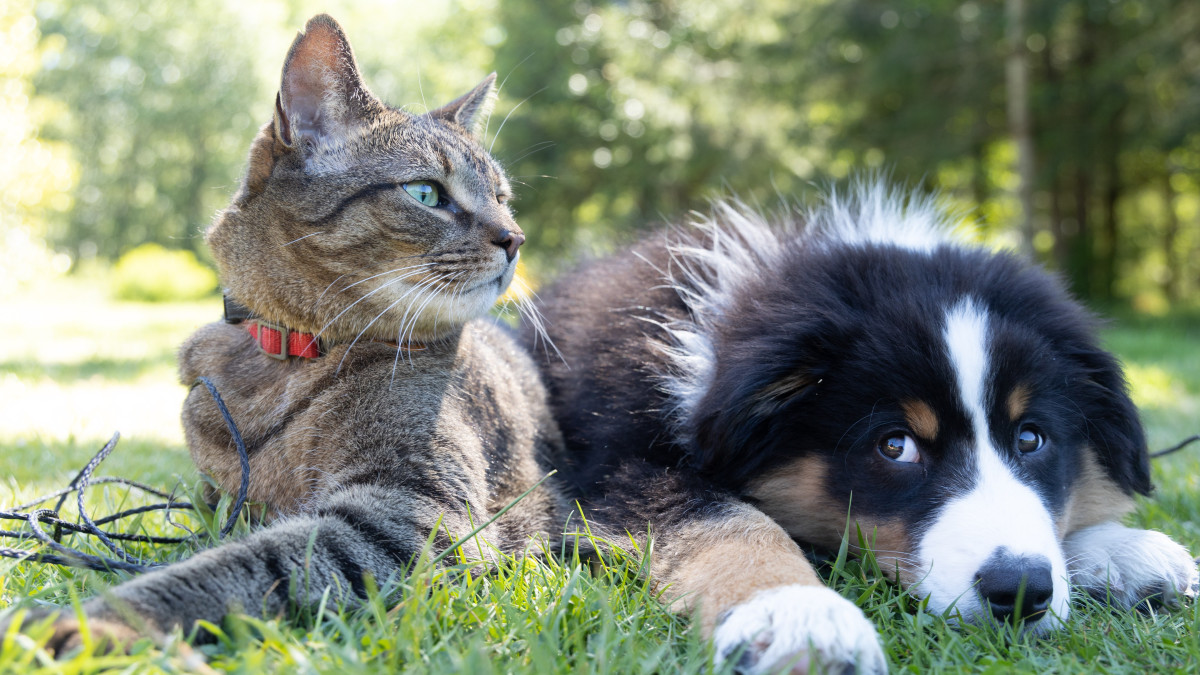
Are you thinking about adding a small dog to your home but worried about how it will get along with your cat? You’re not alone.
Many pet owners want a furry friend who fits perfectly with their current family, and that includes keeping peace between dogs and cats. Finding the right small dog breed that naturally gets along with cats can save you stress and create a happy, loving environment for everyone.
You’ll discover which small dog breeds are known for being friendly and calm around cats — making it easier for you to choose a new pet that feels like family from day one. Keep reading to find the perfect match for your furry family!
Credit: rockykanaka.com
Traits That Help Dogs And Cats Bond
Dogs and cats can form strong friendships. Certain traits help these animals bond well. Understanding these traits can guide you in choosing a dog that fits with your cat. The right match creates a peaceful and happy home.
Temperament Matters
Calm and gentle dogs usually get along better with cats. Dogs that are patient and not overly aggressive tend to build trust. Friendly and easygoing pets are less likely to scare cats. A dog’s mood affects how well it adapts to a feline friend.
Energy Levels And Play Styles
Matching energy levels helps dogs and cats enjoy each other’s company. Cats often prefer dogs that play gently and calmly. High-energy dogs might overwhelm a quiet cat. Dogs with playful but controlled behavior encourage safe interactions.
Socialization And Training
Dogs trained to respect other animals make better companions for cats. Early socialization around cats reduces fear and aggression. Consistent training teaches dogs to follow boundaries with cats. Well-trained dogs understand how to behave around feline friends.
Small Dog Breeds Known For Cat Compatibility
Small dog breeds often adapt well to living with cats. Their gentle nature and lower prey drive make them good companions. Choosing the right breed can help create a peaceful home for both pets.
These small dogs tend to enjoy the company of cats. They show patience and friendliness toward feline friends. Understanding their traits helps in making a happy multi-pet household.
Cavalier King Charles Spaniel
The Cavalier King Charles Spaniel is known for its calm and friendly personality. This breed loves socializing and is gentle with cats. Their easygoing nature helps reduce tension in a shared home.
Bichon Frise
Bichon Frises are playful and affectionate dogs. They usually get along well with cats due to their friendly attitude. This breed enjoys being part of a family, including feline members.
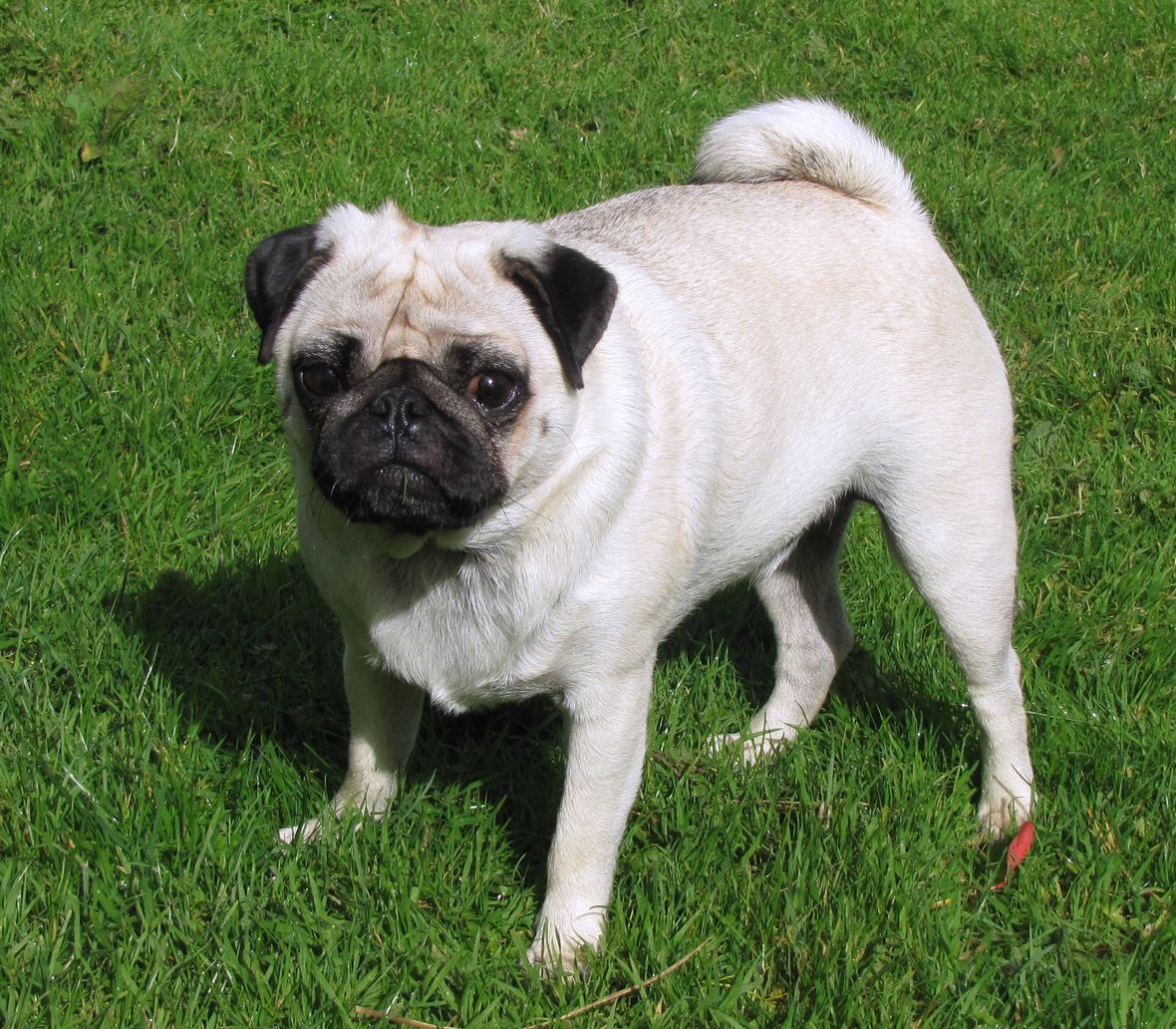
Pug
Pugs have a charming and sociable temperament. They rarely show aggression toward cats and enjoy companionship. Their playful yet easygoing style suits homes with cats.
Papillon
Papillons are smart and lively, yet gentle with smaller animals. They often accept cats as friends and playmates. Their adaptable nature makes them good for multi-pet homes.
Shih Tzu
Shih Tzus are known for their sweet and calm behavior. They tend to be patient with cats and enjoy quiet company. This breed fits well in homes with feline friends.
Maltese
The Maltese is a loving and gentle dog breed. They usually bond easily with cats and other pets. Their calm demeanor helps create a peaceful environment for all.
How To Introduce Small Dogs To Cats
Introducing a small dog to a cat requires patience and care. Both animals need time to get used to each other’s presence. A slow, calm introduction reduces stress and helps build trust. Follow clear steps to ensure a safe and positive meeting.
Preparing A Safe Space
Create separate areas for your dog and cat at first. Each should have its own food, water, and resting spots. Use baby gates or closed doors to keep them apart but able to see each other. This setup lets them observe without feeling threatened.
Gradual Introduction Steps
- Start by allowing short, supervised visits with the dog on a leash.
- Let the cat move freely and approach if it feels safe.
- Use treats to reward calm and gentle behavior from both pets.
- Increase the time they spend together slowly over days or weeks.
- Avoid forcing any interaction to prevent fear or aggression.
Monitoring Early Interactions
Watch body language closely. Signs of stress include growling, hissing, or stiff posture. Interrupt any rough play or chasing immediately. Praise calm and friendly behavior with soft voices and treats. Keep sessions short and positive, ending them before either pet feels overwhelmed.

Credit: www.newsweek.com
Tips For Maintaining A Peaceful Dog-cat Relationship
Maintaining peace between small dogs and cats takes effort and care. Both animals have unique needs and behaviors. Understanding these helps create a calm home. Clear rules and gentle guidance make a big difference. Consistency keeps both pets comfortable and happy.
Establishing Boundaries
Set safe spaces for each pet to retreat to. Use baby gates or separate rooms if needed. Teach your dog to respect the cat’s area. Never force interactions; let them meet on their own terms. Boundaries prevent stress and reduce conflicts.
Shared Playtime Activities
Encourage gentle play that involves both pets. Use toys like feather wands or balls to engage them. Play helps build positive associations between dog and cat. Keep sessions short and fun to avoid overstimulation. Praise calm behavior to reinforce good habits.
Recognizing Stress Signals
Watch for signs of discomfort in both animals. Dogs may growl, bark, or stiffen their bodies. Cats might hiss, swat, or hide away. Respond quickly by separating them calmly. Early action stops tensions from escalating. Understanding stress signals protects their well-being.
Common Challenges And Solutions
Small dogs and cats may face challenges like jealousy or fear during introductions. Patient, slow meetings and positive reinforcement help build trust and friendship. Consistent supervision ensures both pets feel safe and comfortable together.
Common Challenges and Solutions Introducing a small dog to a cat can be tricky. They have different personalities and instincts. Challenges often arise, but solutions can help. Understanding common issues can ease the process.Managing Prey Drive
Small dogs sometimes chase cats. It’s their prey drive kicking in. Training can help manage this behavior. Use commands like “sit” or “stay” to redirect attention. Reward good behavior with treats. Positive reinforcement works wonders. Provide toys to satisfy their hunting instincts. Keep playtime structured and supervised. This ensures safety for both pets.Addressing Territorial Behavior
Territorial behavior can cause conflicts. Dogs and cats may guard their spaces. Create separate areas for each pet. This gives them personal territory. Introduce them in neutral spaces. This reduces territorial aggression. Gradually allow them to explore each other’s areas. Supervise these interactions closely. Praise calm behavior and offer rewards.Dealing With Jealousy
Jealousy can occur with new pets. Dogs and cats may compete for attention. Spend time with each pet individually. This ensures they feel loved and secure. Use treats and praise to reward sharing. Encourage positive interactions between them. Monitor their behavior and address issues early. Consistent routines help reduce jealousy.
Credit: worldanimalfoundation.org
Frequently Asked Questions
Which Small Dog Breeds Are Best With Cats?
Breeds like Cavalier King Charles Spaniel, Pug, and Bichon Frise usually get along well with cats. Their gentle nature helps build positive relationships. Early socialization also plays a key role in harmony between small dogs and cats.
How Can I Introduce My Small Dog To A Cat?
Introduce them slowly in a neutral space. Use leashes and allow supervised interactions. Reward calm behavior with treats. Gradually increase their time together to build trust and prevent aggression.
Are Small Dogs Or Big Dogs Better With Cats?
Small dogs often adapt better to living with cats due to lower prey drive. However, temperament matters more than size. Some big dogs can also coexist peacefully with cats if trained properly.
Do Small Dog Breeds Need Special Training With Cats?
Yes, training is important to ensure respect and safety. Teach commands like “leave it” to reduce chasing. Positive reinforcement helps both pets understand boundaries and coexist happily.
Conclusion
Small dog breeds can be great friends for cats. Choosing a calm and friendly dog helps both pets feel safe. Always introduce them slowly and watch their first meetings. Patience and care build a happy home for dogs and cats.
These pets can enjoy playtime and rest together. Finding the right small dog breed makes living with cats easier. A peaceful, loving home is possible with the right pets. Trust and kindness help dogs and cats get along well.



Leave a Reply