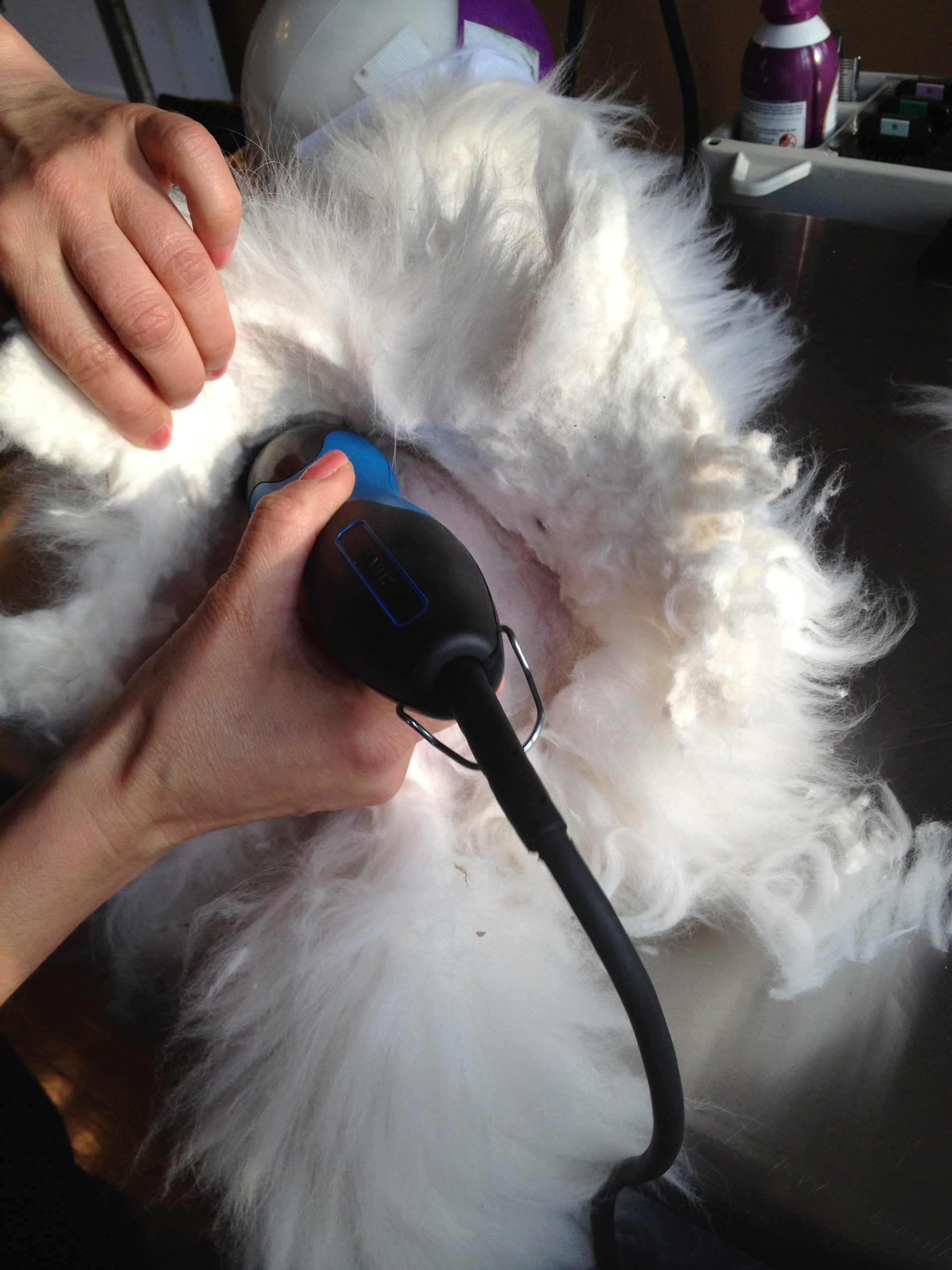
Grooming your cat can feel tricky, but it doesn’t have to be. If you want your furry friend to look and feel their best, knowing the right grooming tips is key.
Whether your cat hates baths or gets tangled fur easily, this guide will help you handle it like a pro. You’ll discover simple tricks that save time, reduce stress, and keep your cat happy during every grooming session. Ready to become the cat groomer your pet deserves?
Keep reading to unlock the secrets that make grooming easy and enjoyable for both of you.
Preparing Your Cat For Grooming
Preparing your cat for grooming sets the stage for a smoother experience for both of you. Cats are sensitive creatures, and rushing into grooming without preparation can cause stress or resistance. Taking the time to get your cat ready helps build trust and makes the grooming process easier and more effective.
Choosing The Right Time
Timing can make a big difference in how your cat responds to grooming. Pick a moment when your cat is relaxed or sleepy, like after a meal or nap. Avoid times when your cat is energetic or agitated, as they may resist more.
Think about your own schedule too. Are you calm and free from distractions? Grooming sessions work best when you’re not rushed or stressed. Have you noticed your cat’s daily routine and moods? Align your grooming time with those calm periods.
Creating A Calm Environment
Your cat’s surroundings affect their comfort level during grooming. Choose a quiet, familiar spot with good lighting. Turn off loud noises like the TV or vacuum, which might startle your cat.
Use gentle, reassuring tones when you speak to your cat. You might try soft petting before you start to help relax them. Have you ever seen your cat respond positively to a particular scent or sound? Incorporate that to enhance calmness.
Gathering Essential Tools
Having the right tools within reach can prevent interruptions and frustration. Prepare a soft brush, nail clippers, a comb, and grooming wipes. Avoid surprises by checking that each tool is clean and in good condition.
Keep treats nearby to reward your cat during and after grooming. If your cat has sensitive areas, consider specific brushes designed for those spots. What grooming tools does your cat seem to prefer? Start with those to encourage cooperation.

Credit: www.latimes.com
Brushing Techniques For Different Coats
Brushing your cat is more than just a grooming task—it’s a way to connect with your feline friend and keep their coat healthy. Different coat types need different brushing techniques to avoid discomfort and ensure effectiveness. Understanding these techniques helps you care for your cat’s unique fur while preventing common issues like shedding and tangles.
Short-haired Cats
Short-haired cats usually require less brushing, but they still benefit from regular grooming. Use a soft-bristle brush or a rubber grooming mitt to gently remove loose hairs and dirt. Brush in the direction of hair growth to avoid irritating your cat’s skin.
Short-haired cats can be sensitive to harsh brushing, so keep sessions brief and calm. Try to make brushing a positive experience by talking softly or offering treats. Have you noticed how a short grooming session can actually strengthen your bond?
Long-haired Cats
Long-haired cats need more attention to prevent their fur from matting. A wide-toothed comb works well to detangle knots, followed by a slicker brush to smooth the coat. Brush gently but thoroughly, covering all areas including behind ears and under the legs.
Patience is key here—long-haired cats often dislike grooming at first. Break the process into short sessions if your cat gets restless. Remember, consistent brushing helps reduce hairballs and keeps your cat comfortable.
Dealing With Mats And Tangles
Mats can cause pain and skin problems, so it’s important to handle them carefully. Use a dematting comb or specialized scissors designed for pet grooming, but never cut too close to the skin. Start by loosening the mat edges gently with your fingers or a comb before trying to remove it.
If a mat is too tight or close to the skin, consider professional help to avoid injury. Regular brushing reduces mats, but if your cat has thick or curly fur, mats might still form. Do you know where mats most commonly appear on your cat?
Bathing Your Cat Safely
Bathing a cat can be a delicate task. Cats usually dislike water, so safety and calmness matter a lot. Preparing well helps keep your cat relaxed and clean. Use gentle products and soft handling to avoid stress.
Focus on your cat’s comfort. Keep everything ready before starting. Speak softly and move slowly to build trust. This makes the whole experience smoother for both of you.
Selecting Cat-friendly Shampoo
Choose shampoo made specifically for cats. Human or dog shampoos can irritate their skin. Look for products with natural ingredients and no harsh chemicals. Hypoallergenic shampoos work well for sensitive skin.
Check the label to avoid fragrances and dyes. Mild formulas keep your cat’s coat healthy and shiny. Always buy from trusted brands to ensure safety.
Step-by-step Bathing Process
- Brush your cat to remove loose fur and knots.
- Fill a sink or tub with warm water, not hot.
- Gently place your cat in the water, supporting its body.
- Use a cup or small container to wet the fur slowly.
- Apply shampoo carefully, avoiding eyes and ears.
- Massage the shampoo in with light, gentle strokes.
- Rinse thoroughly with warm water to remove all soap.
- Keep calm and speak softly during the bath.
Drying Tips And Tricks
Wrap your cat in a soft towel immediately after the bath. Pat dry gently without rubbing. Change towels if they get too wet. Use a quiet area to reduce stress.
Some cats tolerate a low-heat blow dryer. Keep the dryer far and move it continuously. Avoid the face and ears. Let your cat air dry if it prefers.
Offer treats and praise to make drying a positive experience. Keep your cat warm until fully dry to prevent chills.

Credit: www.youtube.com
Nail Care And Clipping
Nail care and clipping are essential parts of grooming a cat. Keeping your cat’s nails trimmed helps prevent scratches and damage to furniture. It also keeps your cat comfortable and healthy. Proper nail care reduces the risk of nails growing too long or curling into the paw pads. This section explains how to care for your cat’s nails safely and calmly.
Identifying The Quick
The quick is a small pink area inside the nail. It contains nerves and blood vessels. Cutting the quick can cause pain and bleeding. In light-colored nails, the quick is easy to see. Dark nails make it harder to find the quick.
Look closely at the nail tip. Cut only the sharp, white part. Avoid the pink or dark center area. Use good lighting and a magnifying glass if needed.
Using The Right Clippers
Choose clippers made for cats or small animals. They are sharp and shaped to cut nails cleanly. Avoid human nail clippers or scissors. These can crush or split the nail.
- Use guillotine-style or scissor-style clippers.
- Keep clippers sharp and clean.
- Have styptic powder nearby to stop bleeding.
Keeping Your Cat Comfortable
Keep your cat calm during nail clipping. Choose a quiet place with little distraction. Hold your cat gently but firmly. Speak in a soft, soothing voice.
Clip one or two nails at a time. Take breaks if your cat becomes stressed. Reward your cat with treats or petting after each session. This builds positive feelings about nail care.
Ear And Eye Maintenance
Clean your cat’s ears gently with a soft cloth to remove dirt and wax. Check eyes for discharge or redness and wipe carefully with a damp cloth. Regular care helps keep your cat healthy and comfortable.
Keeping your cat’s ears and eyes healthy is vital for their overall well-being. Cats are naturally curious creatures, often poking their noses into various nooks and crannies. This adventurous spirit can lead to dirt and debris accumulating in sensitive areas like ears and eyes. Regular maintenance not only ensures cleanliness but also helps in early detection of potential health issues. Let’s dive into the specifics of ear and eye care for your feline friend.Cleaning Ears Without Harm
Cats have sensitive ears that require gentle care. Begin by using a soft, damp cloth or a cotton ball. Avoid using cotton swabs, as they can push debris further into the ear canal. Gently wipe the outer part of the ear, being cautious not to insert anything into the ear canal itself. If your cat shows signs of discomfort, take a break and try again later. Consistency is key, so make ear cleaning a part of your regular grooming routine.Managing Tear Stains
Tear stains are more common in some cat breeds than others. However, they can occur in any feline due to various reasons like allergies or blockages. Use a clean, damp cloth to gently wipe away the stains daily. This simple task can prevent build-up and discomfort. If you notice excessive tearing, it might be time to consider environmental factors or dietary changes. Could there be a trigger in your home causing your cat’s eyes to water?When To Seek Veterinary Help
Despite your best efforts, some ear and eye issues require professional attention. Persistent redness, swelling, or discharge in your cat’s eyes or ears should not be ignored. These could be signs of infections or other underlying health issues. A veterinarian can provide the necessary treatment and guide you on preventive measures. Remember, it’s always better to be safe and consult a professional if you’re uncertain about your cat’s health.Professional Groomer Insights
Understanding the perspective of a professional groomer can make a big difference in how you care for your cat’s grooming needs. Groomers see firsthand what cats require to stay healthy and comfortable. They also know how to handle cats who might be nervous or sensitive during grooming sessions.
When To Visit A Groomer
Knowing the right time to bring your cat to a groomer can save you from stress and discomfort. Cats with long or thick fur often need grooming every 4 to 6 weeks to prevent mats and tangles.
If your cat is shedding excessively or has started scratching more than usual, it might be time to schedule an appointment. Senior cats or those with health issues may require more frequent visits to keep their coats and skin in good condition.
What To Expect During A Session
A professional groomer will start by assessing your cat’s coat and overall condition. They look for signs of skin problems, parasites, or injuries that might require vet attention.
The grooming process usually includes brushing, nail trimming, ear cleaning, and sometimes a bath. Your cat’s comfort and safety are top priorities, so the groomer will work patiently and gently.
During your visit, the groomer might share tips on home care, like how to brush your cat properly or what products to use. Have you ever wondered how to keep your cat calm during grooming? Groomers often use calming techniques that you can try at home too.
Choosing The Right Grooming Salon
Not all grooming salons offer the same quality of care. Look for a place with experienced groomers who specialize in cats rather than just dogs.
Visit the salon beforehand to check cleanliness and observe how staff handle the animals. Ask about their approach to dealing with anxious or aggressive cats.
Reading reviews and asking other cat owners for recommendations can point you to trusted groomers. Would you feel comfortable leaving your cat in their hands? That feeling is often the best indicator of a good grooming salon.
Common Grooming Challenges
Grooming cats involves unique challenges that require patience and care. Many cats feel nervous or scared during grooming. Their fur can shed heavily at times, creating extra work. Some cats have sensitive skin or health issues that need attention. Understanding these common challenges helps groomers provide better care and comfort for cats.
Handling Anxious Cats
Many cats become tense or scared during grooming. Gentle handling and a calm voice help ease their fears. Use soft brushes and avoid sudden movements. Short grooming sessions reduce stress. Offering treats builds trust and positive association with grooming.
Dealing With Shedding Seasons
Shedding increases during spring and fall. Loose fur can clog brushes quickly. Use a deshedding tool to remove undercoat efficiently. Groom cats daily during heavy shedding times. Regular brushing helps keep fur smooth and reduces hairballs.
Addressing Skin Issues
Dry skin, redness, or bumps need careful attention. Use hypoallergenic shampoos made for cats. Avoid over-bathing, which can dry out skin. Check for fleas, ticks, or infections regularly. Consult a vet if skin problems persist or worsen.

Credit: www.purina.com
Maintaining Grooming Habits
Grooming your cat regularly keeps them healthy and happy. It’s not just about brushing fur. Regular grooming prevents matting, reduces shedding, and checks for fleas or ticks. Establishing consistent habits makes the process smoother for both you and your feline friend.
Establishing A Routine
Cats thrive on routine. Pick a time when your cat is relaxed. Daily or weekly sessions work best. Keep sessions short and gentle. Start with a few minutes and gradually increase the time. Use a calm voice and gentle strokes to reassure your cat.
Rewarding Your Cat
Positive reinforcement works wonders. Give treats after grooming sessions. Use your cat’s favorite treat to make grooming a positive experience. Praise your cat during the session. This creates a positive association with grooming.
Tracking Progress And Health
Regular grooming helps monitor your cat’s health. Check for any changes in the skin, fur, or nails. Keep a journal to track grooming sessions. Note any unusual findings, like lumps or scratches. This helps in early detection of health issues.
Frequently Asked Questions
How Often Should I Groom My Cat Professionally?
Professional grooming is recommended every 4 to 6 weeks. This frequency keeps your cat’s coat healthy and reduces shedding. Regular sessions also help spot skin or health issues early. Frequency may vary based on your cat’s breed and coat type.
What Are The Benefits Of Hiring A Cat Groomer?
Professional groomers ensure thorough cleaning, trimming, and nail care. They reduce matting and hairballs, improving your cat’s comfort. Groomers also handle anxious cats safely. Their expertise maintains your cat’s hygiene and appearance effectively.
How Do Groomers Handle Anxious Or Aggressive Cats?
Experienced groomers use calm techniques and gentle restraint. They create a stress-free environment to ease the cat’s anxiety. Groomers often take breaks and use treats for positive reinforcement. Safety for both cat and groomer is a top priority.
What Grooming Tools Do Cat Groomers Use?
Groomers use specialized brushes, combs, clippers, and nail trimmers. They select tools based on the cat’s coat type and condition. Professional-grade equipment ensures effective grooming without harming the cat’s skin. Proper tools make grooming faster and safer.
Conclusion
Grooming a cat needs patience and gentle care. Regular brushing keeps their coat clean and healthy. Trim nails carefully to avoid hurting your pet. Use the right tools for a smooth grooming session. Make grooming a calm, positive experience for your cat.
Small steps help build trust and comfort. Remember, happy cats enjoy grooming time more. Keep these tips in mind for better results. Your cat will thank you with purrs and affection. Simple grooming routines make a big difference every day.


Leave a Reply