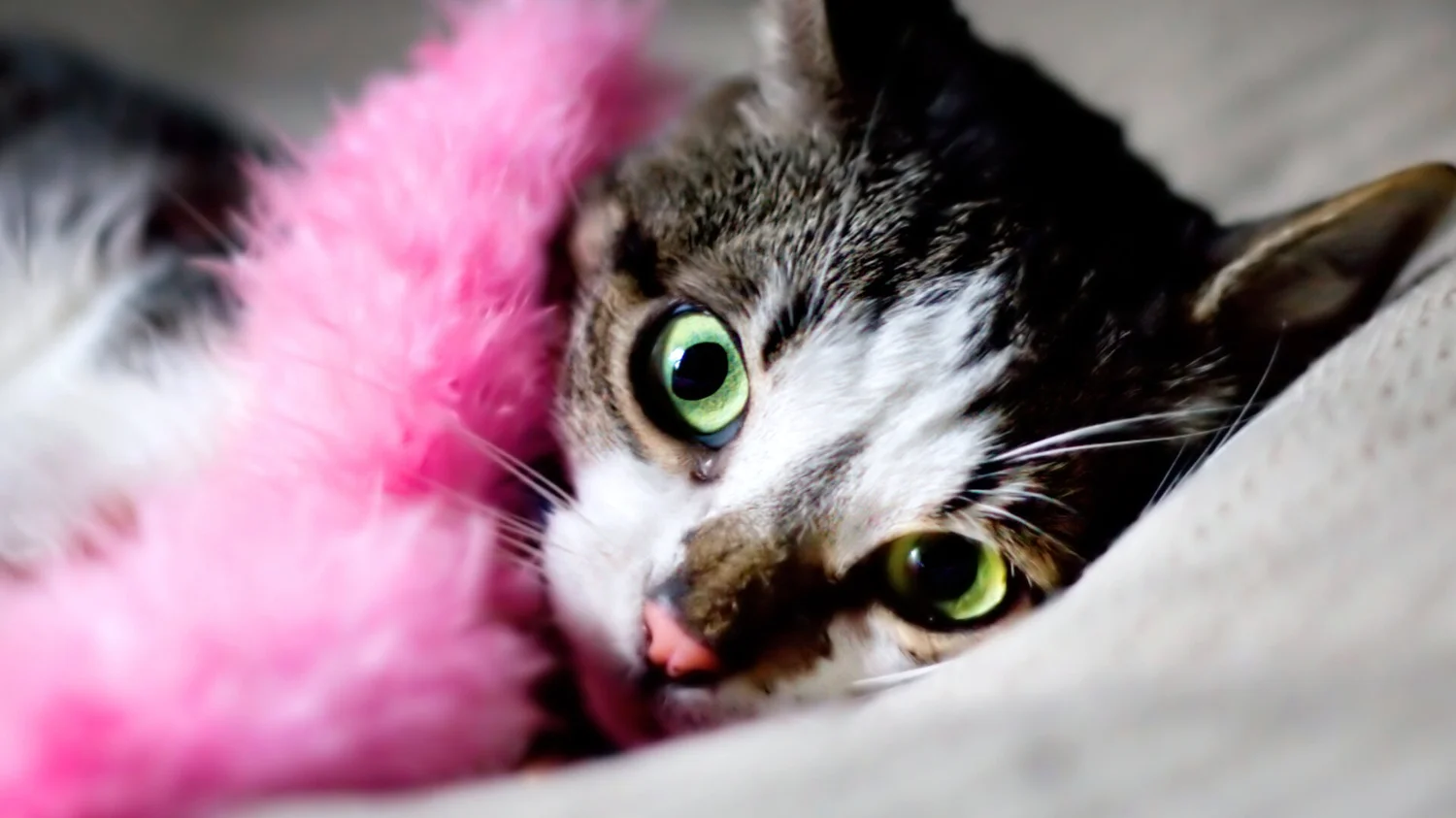
Have you ever noticed your cat crying over a simple toy and wondered why? It can be confusing and even a little heartbreaking to see your furry friend so upset over something that seems harmless.
But there’s more going on beneath those tears than you might think. Understanding why your cat cries over a toy can help you connect with them better and make sure they’re happy and healthy. Keep reading, and you’ll discover surprising reasons behind this behavior and how you can respond in the best way for your beloved pet.

Credit: www.yahoo.com
Cat Vocalizations Explained
Cats communicate in many ways, and their vocalizations are a key part of how they express emotions and needs. Understanding why your cat cries over a toy means first knowing what different cat sounds mean. This insight can help you respond better to your feline friend and strengthen your bond.
Different Types Of Cat Cries
Cats use various cries to send different messages. Some common types include:
- Meowing:Usually directed at humans, meows can mean anything from “I’m hungry” to “Pay attention to me.”
- Purring:Often a sign of contentment but can also indicate pain or stress.
- Chirping or Trilling:Sounds made when cats are excited or want to engage, often heard when they spot prey or toys.
- Yowling:A loud, drawn-out cry that shows distress, frustration, or territorial behavior.
- Hissing and Growling:Clear warnings to back off or express fear.
When your cat cries over a toy, it might be using chirps or meows to express excitement or frustration. Have you noticed if the cry changes when the toy moves or disappears?
When Cats Use Vocal Sounds
Cats don’t vocalize randomly; they use sounds to get your attention or communicate specific feelings. For example, your cat might cry over a toy because it wants you to play with it or because it’s frustrated that the toy isn’t responding.
Vocal sounds can also occur when cats feel lonely or seek interaction. If your cat’s cry feels urgent when near a toy, it may be asking for more engagement or trying to share its excitement.
Think about how your cat’s cries change throughout the day. Do they become louder or more frequent when you’re busy or not paying attention? Understanding these patterns can help you meet your cat’s emotional needs better.
Emotions Behind Crying
Cats express many feelings through crying. Their meows and cries are more than sounds. They show emotions like sadness, fear, or excitement. Understanding these feelings helps care for cats better.
Sometimes, a cat cries over a toy. This behavior reveals what the cat feels inside. It can mean the cat is stressed, wants attention, or feels frustrated. Each reason shows a different emotion.
Signs Of Distress Or Anxiety
Crying can show a cat feels scared or worried. Changes in the environment can cause stress. Loud noises or new people may upset them. When a cat clings to a toy and cries, it may seek comfort. The toy feels safe and familiar.
Seeking Attention Or Play
Cats use crying to ask for playtime. A cat may cry while holding a toy to get your focus. They want you to join the fun. This cry is often short and sharp. It invites interaction and bonding.
Frustration And Overstimulation
Sometimes, a cat cries because it feels stuck. The toy may be hard to catch or catchable but quickly lost. This causes frustration. Too much play can also make a cat stressed. Crying shows their need to pause or change activity.
Attachment To Toys
Cats often form strong attachments to their toys, which can explain why they sometimes cry over them. This bond goes beyond simple play; it reflects deeper emotional and instinctual connections. Understanding this attachment helps you respond better to your cat’s behavior and needs.
Toys As Comfort Objects
Some cats treat toys like security blankets. These objects provide a sense of safety and familiarity, especially when your cat feels stressed or lonely.
Think about how your cat might clutch or nuzzle a favorite toy. This behavior shows the toy offers emotional comfort, similar to how a child might seek reassurance from a cherished item.
If your cat cries over a toy, it could be expressing anxiety or a need for comfort. Have you noticed whether your cat clings to certain toys during changes in the environment?
Imitating Hunting Behavior
Cats are natural hunters, and toys often become stand-ins for prey. When your cat cries over a toy, it might be mimicking the excitement and frustration of a real hunt.
This vocalization can signal eagerness or impatience, especially if the toy is just out of reach or hasn’t been “caught” yet. Your cat’s cries may encourage you to engage and complete the game.
Consider how your cat’s cries change depending on the type of toy or play style. Does your cat get louder when chasing a feather wand compared to a small ball?
Possessiveness And Territory
Cats view their toys as part of their territory. Crying can be a way of expressing possessiveness or warning others to stay away.
This behavior is especially common if your cat shares a home with other pets. Your cat might be trying to protect its prized possession from perceived threats.
Have you seen your cat growl or swat while holding a toy? These actions often go hand-in-hand with vocalizations, reinforcing their claim over the toy.

Credit: moderncat.com
Health Factors Influencing Crying
Health factors can strongly influence why a cat cries over a toy. A cat’s vocalization often reflects its physical state. Sometimes, crying signals discomfort or health issues. Understanding these health factors helps identify if the crying needs attention.
Pain Or Discomfort
Cats may cry if a toy causes pain or discomfort. Sharp edges or hard parts can hurt their mouth or paws. Cats with dental problems may find biting toys painful. Crying acts as a warning sign to stop playing. Observing your cat’s behavior during play helps catch pain early.
Age-related Vocal Changes
Older cats often change how they vocalize. Aging can make their cries louder or more frequent. This happens due to changes in their voice box or brain. Some senior cats cry over toys more because of confusion or anxiety. Understanding these changes helps care for aging pets better.
How To Respond To Crying Over Toys
Cats may cry over toys because they feel frustrated or want attention. Sometimes, they are upset if the toy is hard to catch or taken away. Respond calmly by offering another toy or gentle comfort to ease their feelings.
Responding to a cat crying over toys can be puzzling. Cats express emotions through sounds, so understanding their needs is key. Engage with them positively and provide comfort. This will help your feline friend feel secure and happy.Encouraging Positive Play
Create an inviting play environment. Use a variety of toys to maintain interest. Rotate toys every few days. This keeps them excited and engaged. Interactive play sessions strengthen your bond. Use wand toys for hunting practice. Praise them during play to boost confidence.Reducing Anxiety Triggers
Identify stressors in your cat’s environment. Loud noises or changes can cause anxiety. Provide a safe space for your cat to retreat. Use calming products if necessary. Maintain a consistent routine for feeding and play. Consistency helps reduce stress and crying.When To Consult A Vet
Observe your cat’s behavior closely. Excessive crying may signal health issues. Consult a vet if crying persists. A professional can rule out medical concerns. Early intervention ensures your cat’s wellbeing. Your vet can offer additional advice and solutions.
Credit: moderncat.com
Frequently Asked Questions
Why Does My Cat Cry Over A Toy?
Cats may cry over toys due to attachment or frustration. The toy often represents prey, triggering hunting instincts. Crying can signal a desire to play or seek attention from their owner.
Is My Cat Stressed When Crying At Toys?
Yes, crying can indicate stress or anxiety. The cat might feel possessive or confused if the toy is moved or taken away. Observing behavior helps identify stress and address it properly.
Can A Cat Cry Due To Boredom With Toys?
Absolutely. Cats may cry if toys no longer stimulate them. Boredom leads to vocalizing as a way to express dissatisfaction or to seek interaction and new play experiences.
Does Crying Over Toys Indicate Health Issues?
Crying alone is usually not a health issue. However, if combined with lethargy or appetite loss, consult a vet. Behavioral changes may sometimes signal underlying health problems.
Conclusion
Cats cry over toys for many reasons. Sometimes, they feel lonely or want attention. Other times, they may feel frustrated or excited. Toys help cats show their feelings in a clear way. Understanding why your cat cries helps you care for them better.
Watch their behavior closely and respond with love. This strengthens your bond and keeps your cat happy. Remember, every cat is unique and may cry for different reasons. Patience and kindness go a long way in caring for your furry friend.



Leave a Reply