Have you ever wondered how your cat seems to know exactly where it last groomed itself? You watch as it cleans a spot, then moves on, never missing a beat or going over the same area too soon.
It’s almost like your cat has a built-in map of its own fur! You’ll discover the surprising ways your cat keeps track of its grooming habits. Understanding this can help you connect with your furry friend on a deeper level and even spot signs if something’s wrong.
Keep reading—you’re about to uncover secrets that make your cat’s behavior even more fascinating.
Cat Grooming Behavior
Understanding your cat’s grooming behavior can give you a window into how it manages its hygiene and comfort. Cats are meticulous groomers, and their self-care routines involve more than just cleaning—they also help regulate body temperature and reduce stress. But how does your cat keep track of where it has already groomed?
Why Cats Groom Themselves
Cats groom themselves to stay clean and healthy. Their rough tongues remove dirt, loose fur, and parasites. Grooming also helps distribute natural oils across their coat, keeping it shiny and waterproof.
Beyond cleanliness, grooming is a calming activity for cats. If you’ve noticed your cat licking itself after a stressful event, that’s its way of self-soothing. You might wonder: does your cat remember which spots it already cleaned? Yes, it does, using a combination of memory and sensory feedback.
Common Grooming Patterns
Cats typically follow a consistent grooming order. They often start with their face, then move to their neck, chest, and legs. The back and tail usually come last.
This pattern isn’t random—it helps cats avoid missing any spots and prevents over-grooming a single area. If your cat suddenly changes its grooming routine or focuses too much on one spot, it might signal discomfort or skin issues.
- Face and ears first for sensory cleansing
- Neck and chest next to cover easily reachable areas
- Legs and paws cleaned carefully for dirt removal
- Back and tail last due to limited flexibility
Have you ever watched your cat pause between grooming sessions? This break allows it to assess which areas still need attention. That’s your cat’s way of keeping track without a checklist.
Senses Involved In Grooming
Understanding how your cat keeps track of where it has groomed involves looking closely at the senses it uses. Grooming is more than just cleaning; it’s a precise and sensory-guided activity. Your cat relies on multiple senses working together to ensure every spot gets attention without unnecessary repetition.
Role Of Smell
Your cat’s sense of smell plays a crucial part in grooming. After cleaning a patch, the scent on its fur changes, signaling that area has been tended to. Cats have a highly developed olfactory system that helps them detect these subtle scent differences.
Think about how cats rub their faces on furniture or even you. This transfers their unique scent, marking territory and grooming progress. Next time you see your cat pause while grooming, it might be checking its scent map to avoid over-grooming the same spot.
Sense Of Touch
The sense of touch guides your cat’s tongue and paws during grooming. Their tongues have tiny, hook-like structures called papillae that feel rough to us but help remove dirt and loose fur. These papillae also give your cat feedback on the texture and cleanliness of their coat.
Have you noticed your cat using its paws to clean hard-to-reach areas? Those paws are sensitive tools that help gauge where grooming is needed. This tactile feedback ensures your cat covers every inch without missing spots.
Visual Cues
While cats rely less on sight during grooming compared to smell and touch, visual cues still matter. Cats often groom in well-lit areas where they can see their reflection or the shadows on their fur. This helps them spot dirty or tangled fur more easily.
Sometimes, your cat may pause and look around during grooming. This isn’t just a break—it’s a way to visually assess which areas need attention next. You might observe your cat choosing spots based on what it sees, especially if the fur looks uneven or messy.
Memory And Tracking
Cats have a strong memory that helps them track where they have groomed. Their brains store information about the spots they clean. This memory prevents them from missing areas or over-grooming the same place. It also helps keep their fur healthy and neat.
Tracking grooming is part of a cat’s natural behavior. Cats use different senses and brain functions to remember their grooming routine. Understanding this helps us appreciate how smart and careful cats are about their hygiene.
How Cats Remember Groomed Areas
Cats use their senses to mark areas they have groomed. Their tongues leave a unique scent on the fur. This scent acts like a signal for the cat’s nose. It tells the cat that this area is already clean.
The cat’s brain also stores a mental map of these spots. This helps avoid repeating the same grooming too soon. Cats rely on this memory to keep a balanced grooming routine. It works like a checklist in their mind.
Spatial Awareness In Cats
Spatial awareness helps cats understand their body position. They know where their paws, tail, and head are at all times. This skill helps them reach and groom every part of their body.
Cats use their whiskers and vision to navigate their space. This ability helps them avoid missing any spots. They move their bodies carefully to cover all areas. Their spatial awareness keeps their grooming efficient and thorough.

Credit: smart.dhgate.com
Physical Mechanisms
Your cat’s ability to keep track of where it has groomed is rooted in fascinating physical mechanisms. These mechanisms help your feline friend maintain a clean and well-kept coat without missing a spot. Understanding these can give you a deeper appreciation of your cat’s grooming habits and how its body helps manage this essential task.
Whiskers And Sensory Feedback
Whiskers are not just cute features; they are powerful sensory tools. Your cat’s whiskers detect subtle changes in the environment, including the position of its paws and fur during grooming. This sensory feedback helps the cat know exactly where it has licked or scratched.
Think about how your cat’s whiskers twitch and move as it cleans itself. They provide constant information about the fur’s texture and the space around the face and body. This allows your cat to adjust its movements and avoid overlapping or missing areas.
Fur Texture Changes After Grooming
Have you ever noticed how your cat’s fur feels different right after grooming? The texture changes because grooming smooths the fur and redistributes natural oils. These subtle differences in texture serve as physical cues that help your cat remember which parts are freshly groomed.
Your cat’s tongue acts like a brush, aligning the fur and leaving it sleek and shiny. When your cat touches a previously groomed area, it can feel the difference between the smoothed fur and the untouched, rougher patches. This tactile contrast guides your cat during its grooming sessions, making the process efficient.
Behavioral Patterns
Cats are fascinating creatures with distinct grooming habits. Understanding their behavioral patterns helps us appreciate how they maintain their cleanliness. Observing their grooming techniques reveals their meticulous nature. Each grooming session is an essential part of their daily routine.
Self-checking Movements
Cats use their paws and tongue to groom themselves. They often start by licking a specific area. Their paws help reach difficult spots. This self-checking ensures no area is left unattended. Cats may pause and evaluate their progress. They adjust their position for better access. Their flexibility aids in thorough grooming.
Repetitive Grooming Cycles
Cats follow a consistent grooming cycle. They groom in a set order, often starting with the head. This cycle includes the neck, back, and then the tail. Repetition helps them maintain a clean and healthy coat. By sticking to a routine, they ensure every part is attended to. This repetition also helps them relax and reduce stress.
Health And Grooming
Understanding how your cat keeps track of where it’s groomed offers valuable insights into their health and daily habits. Grooming isn’t just about looking clean; it plays a crucial role in maintaining skin health and detecting early signs of illness. By observing your cat’s grooming behavior, you can gain clues about its well-being and intervene if something seems off.
Grooming And Skin Health
Your cat’s grooming routine directly affects its skin condition. When cats lick their fur, they remove dirt, debris, and loose hair, helping to prevent matting and skin infections.
Grooming also spreads natural oils evenly across their coat, which keeps the skin hydrated and fur shiny. If you notice your cat grooming one spot excessively, it may indicate irritation or discomfort in that area.
Have you ever seen your cat stop grooming a particular spot? That could be a sign of pain or a skin problem that needs attention. Regularly checking your cat’s fur and skin during grooming sessions helps you spot changes early.
Detecting Issues Through Grooming Habits
Changes in grooming habits can signal health problems before other symptoms appear. A cat that suddenly grooms less might be feeling unwell or experiencing joint pain making it hard to reach certain areas.
On the other hand, over-grooming can point to allergies, parasites, or stress. I once noticed my cat licking one paw obsessively, which led me to discover a small wound hidden under the fur.
Pay attention to the frequency and focus areas of your cat’s grooming. Are they avoiding certain spots? Are they grooming more than usual? Your observations can help your vet diagnose potential issues early.
Comparisons With Other Animals
Understanding how your cat keeps track of where it has groomed can become clearer when you compare this behavior with other animals. Different species have unique ways to manage their grooming routines, which reflect their lifestyles and environments. Looking at dogs and wild cats helps reveal interesting contrasts and similarities that might surprise you.
Grooming Tracking In Dogs
Dogs don’t groom themselves like cats do. Instead, they often rely on you or other dogs to help keep them clean. But how do they know which spots need attention?
Dogs mainly use their sense of smell to track areas that need grooming. They detect odors on their fur and might lick or scratch those spots more. Unlike cats, dogs don’t have a systematic grooming pattern, so their tracking is less precise.
Have you noticed your dog focusing on a particular itchy spot? This is their way of telling themselves where to groom next. So, while dogs do track grooming needs, it’s mostly driven by immediate sensations rather than memory or routine.
Wild Cats And Grooming
Wild cats, like your domestic cat, groom themselves regularly to stay clean and avoid predators. But their grooming habits are shaped by survival needs rather than comfort alone.
These cats rely heavily on memory and environmental cues to keep track of where they have groomed. Since they roam large territories, remembering which parts of their body are clean helps them stay stealthy and healthy.
Wild cats also use scent marking during grooming to communicate with other cats. This adds another layer to how they keep track of their grooming status — it’s not just about cleanliness but also about territory and social signals.
Next time you watch your cat grooming, think about the wild instincts behind those actions. Does your cat pause or focus on certain spots as if remembering past grooming sessions? This memory plays a key role in their behavior.

Credit: www.latimes.com
Tips For Cat Owners
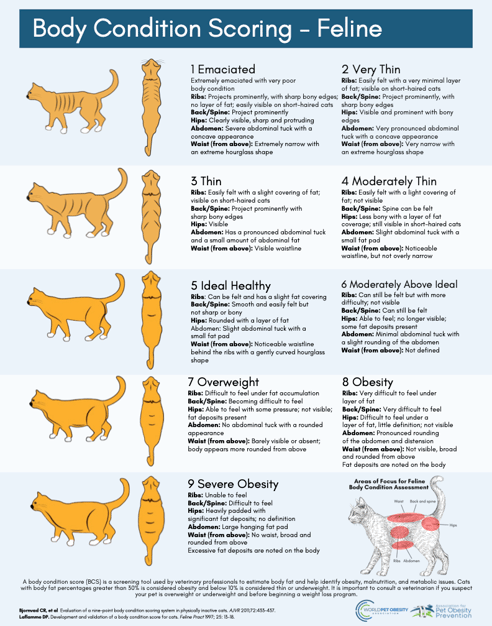
Understanding your cat’s grooming habits can help improve its well-being. Cats groom to keep clean and manage stress. As a cat owner, supporting your pet’s grooming routine is vital. Here are some tips to help you encourage healthy grooming and know when to seek veterinary advice.
Encouraging Healthy Grooming
Provide a calm and safe environment for your cat. Stress can affect grooming habits. Ensure your cat has a quiet space to relax. Regularly brush your cat to reduce shedding. Use a brush suited for your cat’s fur type. This helps prevent mats and tangles. Offer a balanced diet to promote healthy skin and fur. Hydration is also important; ensure fresh water is always available.
When To Seek Veterinary Advice
Observe any changes in grooming habits. Excessive grooming can indicate stress or health issues. Look for bald spots or skin irritation. These may need medical attention. If your cat stops grooming, visit the vet. This could be a sign of illness or discomfort. Regular veterinary check-ups ensure your cat stays healthy.
Credit: www.preventivevet.com
Frequently Asked Questions
How Do Cats Remember Their Grooming Spots?
Cats use their keen sense of smell and spatial memory to recognize where they groomed. Their scent marks and familiar surroundings help them track these spots easily.
Why Is Grooming Location Important For Cats?
Grooming location helps cats feel secure and comfortable. Familiar spots reduce stress and allow cats to maintain their hygiene routine effectively.
Do Cats Use Scent To Track Grooming Areas?
Yes, cats leave scent markers on their fur and surroundings. These scents help them identify and return to previously groomed areas.
How Often Do Cats Revisit Grooming Spots?
Cats revisit grooming spots regularly, especially if they feel safe there. This habit supports their grooming habits and personal comfort.
Conclusion
Cats use their strong senses to remember where they groomed. Their whiskers, smell, and touch help them track these spots. This helps keep their fur clean and healthy. Understanding this can improve how you care for your cat. Watch how your cat grooms to learn more about its habits.
Small actions show big details about your pet’s world. Caring well means paying attention to these simple signs. Your cat’s grooming is a natural, smart routine worth respecting.



Leave a Reply