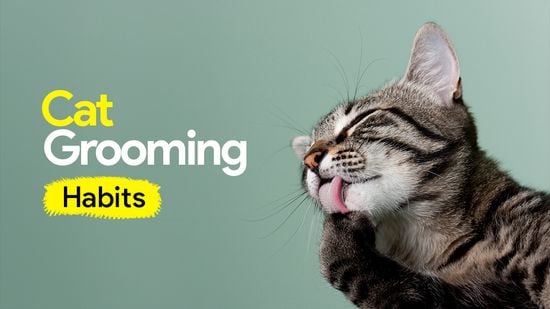
Have you ever watched your cat spend long minutes licking its fur and wondered just how much time they actually spend grooming themselves? It’s more than just a cute habit—your feline friend invests a surprising amount of effort keeping clean and comfortable.
Understanding how much time cats dedicate to grooming can reveal a lot about their health, mood, and behavior. If you want to know why your cat spends so much time on this daily ritual and what it means for their well-being, keep reading—you might be surprised by what you discover.
Cat Grooming Basics
Cats spend a lot of time cleaning themselves. Grooming is a key part of their daily routine. It keeps their fur clean and helps them stay healthy. Understanding the basics of cat grooming reveals why cats are such neat animals. Their grooming habits are instinctive and serve many purposes.
Why Cats Groom Themselves
Cats groom to remove dirt and loose fur. This helps prevent skin problems. Grooming also cools cats down by spreading saliva over their fur. It can calm them and reduce stress. Cats also use grooming to mark their scent. This signals safety and territory to other cats. Grooming keeps their coat shiny and free of parasites.
Common Grooming Behaviors
- Licking their fur with a rough tongue
- Biting at tangled or dirty fur
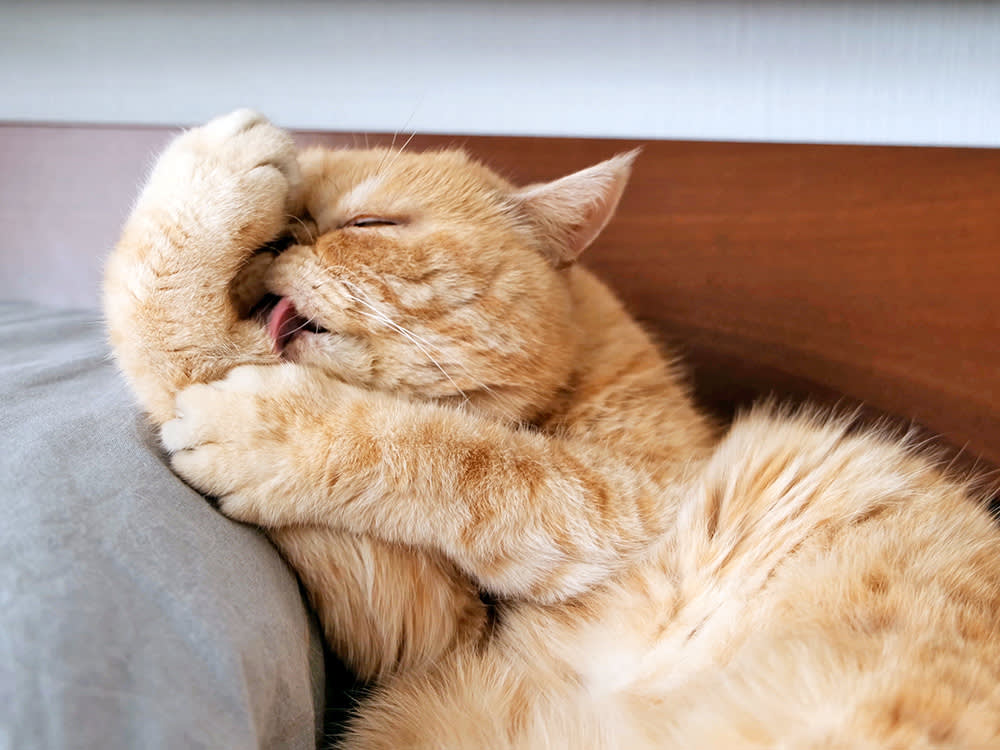
- Using their paws to clean their face
- Nibbling on their claws
- Stretching and twisting to reach hard spots
- Rubbing their head and cheeks on objects
These behaviors help cats stay clean and comfortable. Grooming is a natural way to care for their body. It also helps cats bond with other cats when they groom each other.
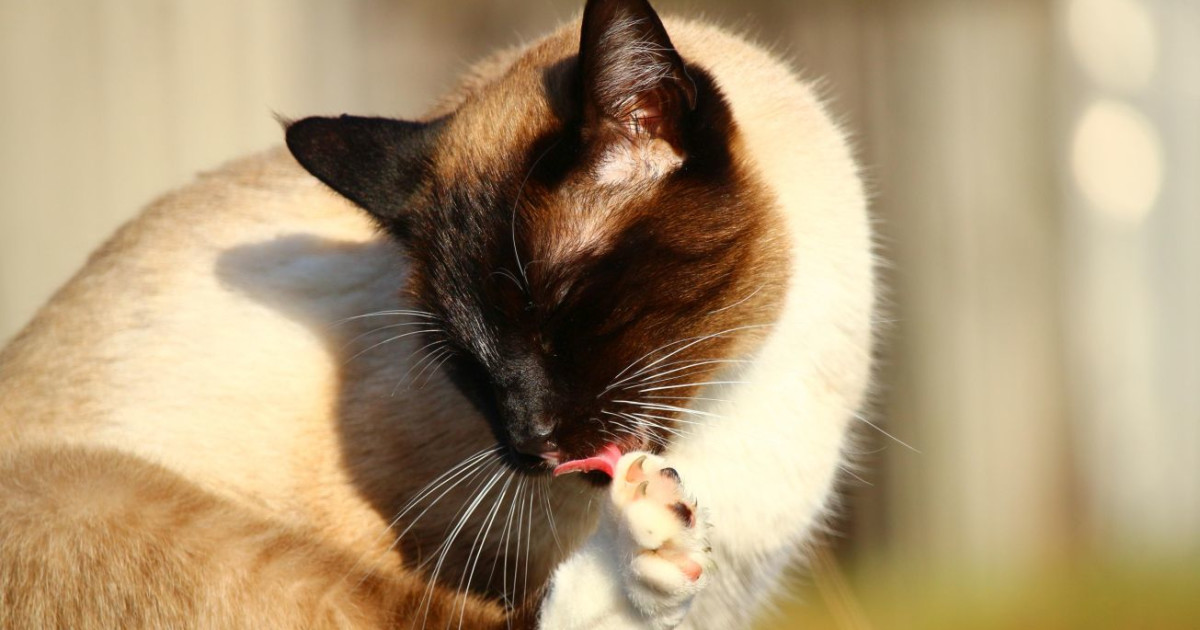
Credit: pethelpful.com
Time Spent Grooming
Cats are known for their fastidious grooming habits, but have you ever wondered just how much time they dedicate to keeping themselves clean? Understanding the time cats spend grooming can give you insights into their health and behavior. Let’s break down how much of their day your feline friend spends on this self-care ritual.
Daily Grooming Duration
On average, cats spend about 30% to 50% of their waking hours grooming themselves. This can mean anywhere from 1 to 4 hours per day depending on the individual cat.
Some cats may have shorter grooming sessions multiple times a day, while others prefer longer, less frequent sessions. If you’ve noticed your cat meticulously cleaning every inch, you’re witnessing a natural routine that helps them regulate body temperature and reduce stress.
Factors Affecting Grooming Time
Several factors influence how much time a cat spends grooming:
- Age:Younger cats often groom more actively, while senior cats might groom less due to mobility issues.
- Breed:Long-haired breeds like Persians require more grooming to prevent mats, so they might spend more time licking and cleaning.
- Health:Cats with skin conditions or pain might groom excessively or, conversely, avoid grooming certain areas.
- Environment:Outdoor cats or those exposed to dirt and debris usually spend more time cleaning.
Think about your own cat’s routine—is their grooming time consistent, or does it change with seasons or stress levels? Observing these patterns can help you spot potential health issues early.
Benefits Of Grooming
Cats spend a surprising amount of time grooming themselves, and this behavior offers more than just a clean coat. Grooming plays a vital role in their overall well-being, impacting both their physical health and emotional state. Understanding these benefits can help you appreciate why your feline friend invests so much time in this daily ritual.
Health And Hygiene
Grooming keeps a cat’s fur free from dirt, parasites, and loose hair. This reduces the risk of skin infections and helps maintain a shiny, healthy coat. You might notice your cat licking a specific spot repeatedly; this focused grooming can soothe minor irritations or remove debris.
Additionally, grooming helps regulate body temperature. By spreading saliva on their fur, cats can cool themselves down on hot days. Have you ever seen your cat pause after grooming to rest? That’s their way of managing energy and staying comfortable.
Social And Emotional Benefits
Grooming is not just about cleanliness; it’s a way for cats to feel calm and secure. When your cat licks itself, it releases endorphins—natural chemicals that reduce stress. This explains why they often groom after a stressful event or when settling down for a nap.
Social grooming, like when cats lick each other, strengthens bonds and builds trust. If you observe your cat grooming you or another pet, it’s a sign of affection and acceptance. Next time your cat spends extra time grooming, ask yourself if this is their way of coping or connecting with their environment.

Credit: medium.com
Grooming Differences Among Breeds
Cats spend a lot of time grooming themselves. This habit keeps them clean and healthy. Different cat breeds have different grooming needs. These needs affect how much time cats spend grooming daily. Breed traits like hair length and coat type play a big role. Understanding these differences helps cat owners care better for their pets.
Short-haired Vs Long-haired Cats
Short-haired cats usually spend less time grooming than long-haired cats. Their fur is easy to maintain and less prone to tangles. Long-haired cats have thick, dense coats that require more care. They often spend more time licking and cleaning to avoid mats.
- Short-haired cats groom to remove dirt and loose hair.
- Long-haired cats focus on preventing knots and tangles.
- Long-haired breeds like Persians groom more than short-haired breeds.
- Short-haired cats like the American Shorthair spend less time grooming.
Breed-specific Grooming Needs
Each breed has unique grooming habits and challenges. Some breeds need extra care to stay clean and comfortable.
- Sphynx cats have no fur but need skin cleaning to avoid oil buildup.
- Devon Rex cats have curly fur that can tangle easily.
- Maine Coons need frequent grooming due to their thick, long coats.
- Siamese cats have short fur and groom mostly to stay clean.
Knowing a cat’s breed helps predict its grooming time. Some breeds need brushing and baths more often. Others groom themselves efficiently with little help.
Signs Of Overgrooming
Cats spend a lot of time grooming, but too much can cause hair loss and skin sores. Watch for bald patches or constant licking as signs of overgrooming. These behaviors may indicate stress or health problems needing attention.
Cats are known for their meticulous grooming habits, spending a significant portion of their day cleaning themselves. However, there are times when this grooming becomes excessive, leading to potential health issues. Recognizing the signs of overgrooming is essential for any cat owner. Cats who groom excessively may develop bald patches, irritated skin, or wounds from constant licking or biting. You might notice your cat spending more time grooming than usual or see evidence of hairballs more frequently. These signs can indicate that your feline friend is stressed or experiencing a medical condition.Causes Of Excessive Grooming
Excessive grooming in cats can be triggered by a variety of factors. Stress is a common cause, often resulting from changes in the household, new pets, or routine disruptions. Allergies or skin parasites like fleas can also lead to overgrooming as your cat tries to soothe itchy skin. Even boredom can cause your cat to groom excessively, turning it into a repetitive behavior.How To Help Your Cat
There are several ways you can help your cat if they are overgrooming. First, ensure their environment is stress-free by maintaining consistent routines and providing safe spaces. Regular playtime can alleviate boredom and reduce stress. If allergies or skin issues are suspected, consult your veterinarian for appropriate treatments. Checking for fleas and maintaining a flea-free home can also prevent overgrooming caused by parasites. Have you ever noticed your cat grooming more than usual? It might be time to pay closer attention. Understanding their behavior can make a significant difference in their well-being and happiness.Owner’s Role In Cat Grooming
Caring for your cat’s grooming needs goes beyond just watching them lick their fur. As an owner, you play a vital role in ensuring your feline friend stays clean, comfortable, and healthy. Your involvement can help prevent problems before they start and strengthen the bond you share with your cat.
Assisting With Grooming
Some cats groom themselves thoroughly, but others might miss spots or struggle with tangled fur. You can help by gently brushing your cat’s coat regularly, which removes loose hair and reduces shedding around the house. This also gives you a chance to check for skin issues, parasites, or unusual lumps.
Long-haired cats especially benefit from daily brushing to avoid painful mats. Even short-haired cats appreciate occasional grooming sessions—they often enjoy the attention. Have you noticed your cat trying to groom but stopping abruptly? That could be a sign they need your help.
- Use a soft brush or grooming glove suited to your cat’s fur type.
- Brush in the direction of hair growth to keep the coat smooth.
- Be gentle around sensitive areas like the belly and tail.
When To Visit The Vet
If your cat suddenly stops grooming or over-grooms one area, it might mean pain or discomfort. Skin infections, allergies, or dental problems can make grooming difficult or painful. Watch for signs like bald patches, redness, swelling, or unusual odors.
Regular vet visits can catch these issues early. Don’t hesitate to schedule a checkup if you see your cat’s grooming habits change suddenly. Your vet can provide treatments or advice to get your cat back to their usual self.
Have you ever noticed your cat licking one spot nonstop or refusing to clean themselves? That’s your cue to consult a professional. Timely intervention keeps your cat comfortable and prevents more serious health problems.
Credit: www.kinship.com
Frequently Asked Questions
How Much Time Do Cats Spend Grooming Daily?
Cats spend about 30-50% of their waking hours grooming themselves. This varies by age, breed, and environment. Grooming helps them stay clean, regulate body temperature, and reduce stress.
Why Do Cats Groom Themselves So Often?
Cats groom to remove dirt, loose fur, and parasites. It also helps distribute natural oils for a healthy coat. Grooming soothes them and strengthens social bonds when done with other cats.
Does Grooming Affect A Cat’s Health?
Yes, grooming maintains skin and fur health by preventing mats and infections. It also helps control parasites and supports overall hygiene, keeping cats comfortable and healthy.
Can Excessive Grooming Indicate Health Problems?
Excessive grooming might signal stress, allergies, or skin issues. If a cat grooms excessively and develops bald spots, consult a vet to diagnose underlying causes promptly.
Conclusion
Cats spend a lot of time grooming themselves every day. This helps keep their fur clean and healthy. Grooming also helps cats stay calm and feel safe. It shows how much they care about their own health. Watching a cat groom can be fascinating and relaxing.
Understanding this behavior helps us appreciate our pets more. Next time you see your cat grooming, remember it’s their natural way to stay happy. Simple but important.


Leave a Reply