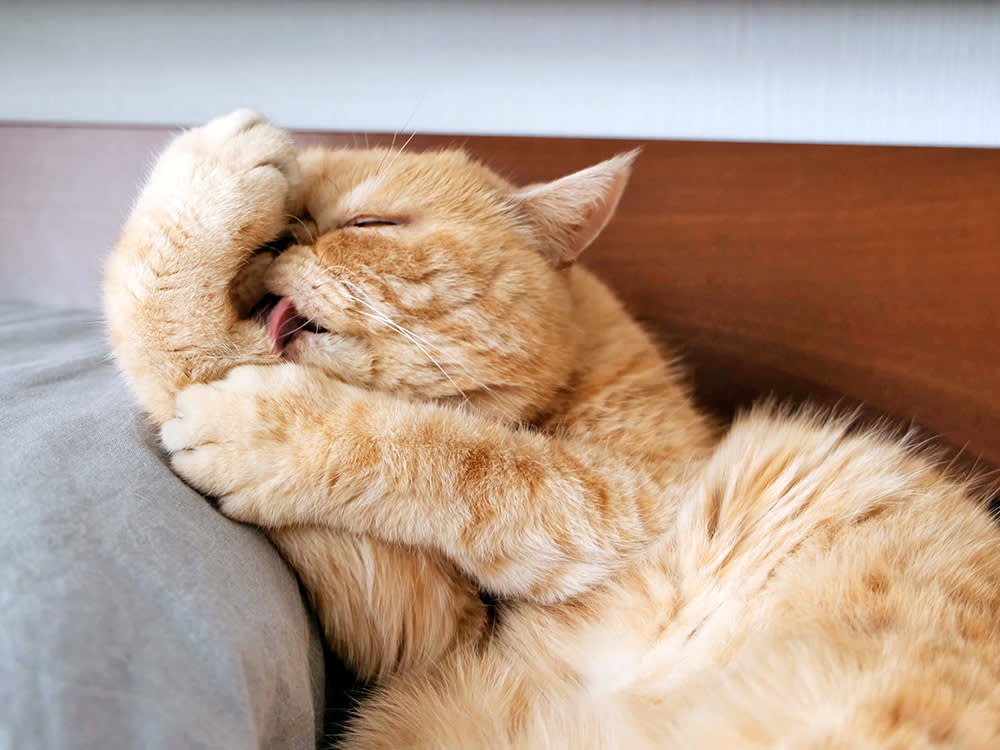
Have you ever watched your cat carefully licking their fur and wondered, “What does it mean if a cat grooms themselves?” It’s more than just a simple habit. When your cat spends time grooming, they’re actually sending you important signals about their health, mood, and comfort.
Understanding these signs can help you take better care of your furry friend and even spot problems early. Keep reading, and you’ll discover the surprising reasons behind your cat’s grooming routine—and what it tells you about their world.
Reasons Cats Groom Themselves
Cats spend a significant part of their day grooming themselves, but have you ever wondered why they do it so often? Grooming is more than just a cleanliness routine; it serves several important purposes that affect your cat’s health and well-being. Understanding these reasons can help you better care for your feline friend and recognize when something might be off.
Maintaining Cleanliness
Grooming helps cats keep their fur clean and free from dirt, dust, and parasites like fleas. When your cat licks its coat, it removes loose hairs and debris, reducing the risk of skin infections. Have you noticed your cat grooming more after playing outside? That’s their way of tidying up their fur.
Regulating Body Temperature
Cats use grooming to help control their body temperature. The saliva they spread on their fur evaporates, providing a cooling effect during hot days. This natural method is similar to how humans sweat, but cats rely on it because they don’t have sweat glands all over their bodies.
Reducing Stress
Grooming can be a calming activity for cats, similar to how you might take deep breaths when stressed. When your cat feels anxious or uneasy, licking their fur can soothe their nerves. Have you ever seen your cat groom intensely after a loud noise? It’s their way to self-comfort.
Stimulating Blood Flow
Regular grooming stimulates the skin and improves blood circulation. This helps maintain healthy skin and promotes the growth of a shiny coat. If your cat suddenly grooms less, it might be a sign of discomfort or health issues affecting their circulation.
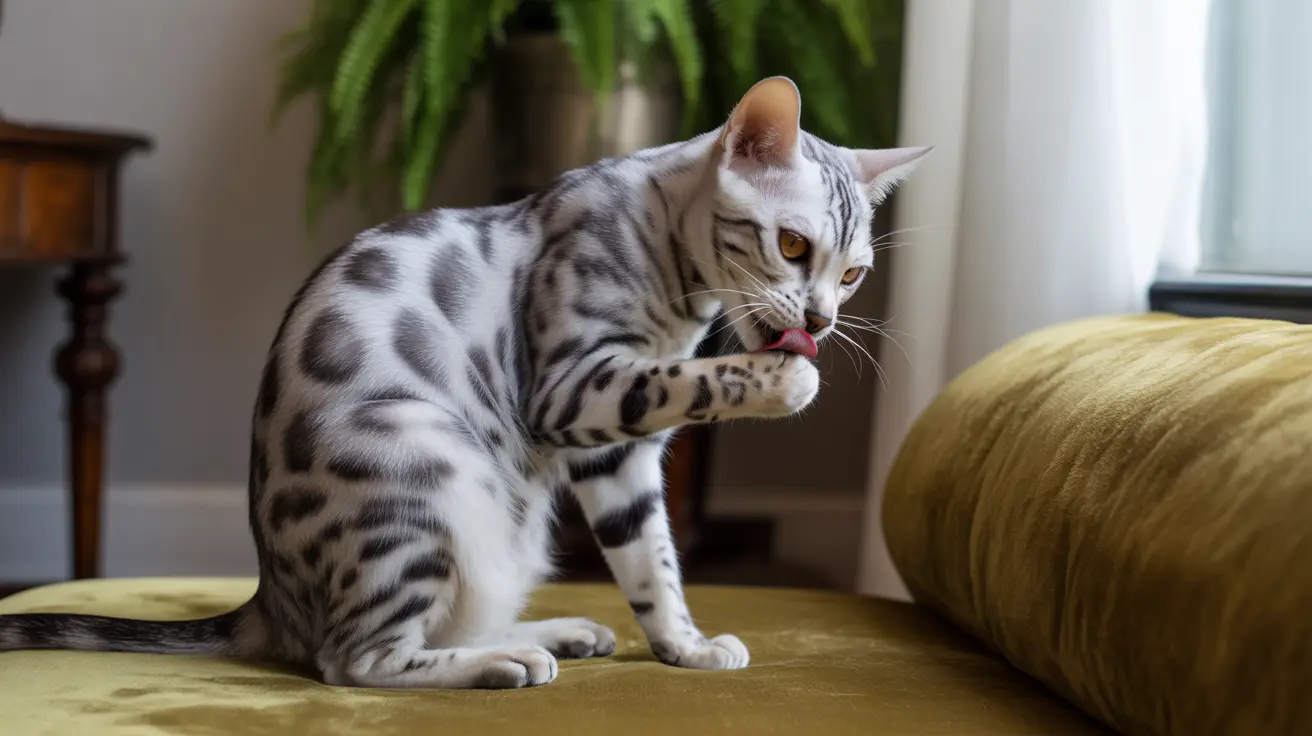
Credit: www.petscare.com
Behavioral Signals In Grooming
Grooming is a key behavior in cats that shows more than just cleanliness. It reveals their feelings and social habits. Cats use grooming to communicate both to themselves and others. Watching how a cat grooms helps understand their mood and health. Their grooming actions send clear signals about their emotional state and social interactions.
Signs Of Contentment
A calm and relaxed cat grooms slowly and gently. Soft licking and smooth strokes show comfort. Cats often groom after eating or resting. This behavior means they feel safe and happy. Purring while grooming is another sign of contentment. A well-groomed cat usually has shiny fur and clear eyes.
Indicators Of Anxiety
Excessive grooming may signal stress or worry. Cats might lick the same spot repeatedly. This can cause bald patches or sores. Sudden changes in grooming habits also warn of anxiety. A cat that stops grooming might feel unwell or scared. Watch for fast, nervous licking or biting at fur.
Social Grooming Habits
Cats groom each other to build bonds. This behavior is called allogrooming. It helps reduce tension and strengthens friendships. Mother cats groom their kittens to clean and comfort. Cats in the same home often groom each other. Social grooming shows trust and affection between cats.
Health Implications Of Grooming
Grooming is more than just a cleanliness routine for your cat; it is a vital indicator of their health. Paying attention to how your cat grooms can reveal a lot about their physical and emotional state. Understanding these health implications helps you spot potential problems early and keep your furry friend happy and healthy.
Normal Grooming Patterns
Most cats spend about 30-50% of their waking hours grooming. This behavior keeps their fur clean, removes loose hair, and helps regulate body temperature. If your cat grooms regularly but not obsessively, their coat should look shiny and smooth without any bald patches.
Normal grooming also serves as stress relief for cats. Have you noticed your cat licking itself after a stressful event? This is their way of calming down. Watching these patterns helps you know when grooming is healthy and when it might be a problem.
Excessive Grooming Concerns
Excessive grooming can be a red flag. If your cat is licking or biting the same spot repeatedly, it might cause hair loss or skin irritation. This behavior often signals allergies, parasites, or even anxiety.
One cat I cared for started licking its belly nonstop after moving to a new home. It turned out to be anxiety-related. Offering extra playtime and comfort helped reduce the over-grooming. Could your cat be trying to tell you something by grooming too much?
Lack Of Grooming Warning Signs
A sudden drop in grooming activity is just as worrying. Cats that stop grooming may be feeling pain, suffering from illness, or experiencing depression. Their fur might look matted, dirty, or oily.
Older cats or those with arthritis often struggle to reach certain areas, leading to patches of unkempt fur. If you notice your cat’s grooming routine slowing down, it’s time to check with your vet. Are you ready to spot these warning signs before they become serious?

Credit: medium.com
How Environment Affects Grooming
Your cat’s grooming habits don’t just reflect their personal hygiene—they reveal how their environment influences their well-being. Changes around them can shift how often and how thoroughly they groom themselves. Understanding these environmental impacts helps you support your cat’s health better.
Impact Of Stressful Surroundings
Stress can make a cat groom more or less than usual. If your cat suddenly licks excessively, it might be a sign of anxiety or discomfort. Conversely, a stressed cat might neglect grooming altogether, leading to a messy coat.
Think about recent changes at home—new pets, loud noises, or even moving furniture. Have you noticed your cat’s grooming pattern shift during these times? Addressing the source of stress can help normalize their grooming habits.
Role Of Diet And Hydration
Your cat’s food and water intake directly affect their skin and coat health. Poor diet or dehydration can cause dry, flaky skin, prompting your cat to groom more to soothe irritation. On the other hand, a balanced diet rich in omega fatty acids helps maintain a shiny, healthy coat, reducing the need for excessive grooming.
Are you providing fresh water daily and a diet suited to your cat’s specific needs? Small changes in nutrition can lead to noticeable improvements in how your cat grooms themselves.
Seasonal Grooming Changes
Seasonal shifts bring changes in your cat’s grooming routine. In warmer months, cats often groom more to cool down and remove extra fur. During colder seasons, they might groom less, allowing their coat to thicken for warmth.
Observing these natural grooming cycles can help you spot when something unusual happens. If your cat suddenly stops grooming during summer or over-grooms in winter, it might indicate health issues needing attention.
Tips To Support Healthy Grooming
Cats are known for their meticulous grooming habits, but did you know that you can play an active role in supporting their healthy grooming routine? By following a few simple tips, you can ensure your feline friend remains clean, comfortable, and content. Let’s explore how you can enhance your cat’s grooming experience.
Regular Vet Checkups
Regular vet checkups are crucial to maintaining your cat’s overall health, which directly impacts their grooming habits. A vet can identify any underlying health issues that might affect your cat’s ability to groom themselves effectively. For example, dental problems or arthritis can hinder self-grooming, leading to matted fur or skin issues.
By scheduling routine visits, you ensure your cat remains in peak condition, which helps them continue their grooming with ease. Plus, it’s a great opportunity to discuss any concerns you might have about your cat’s grooming behavior.
Creating A Calm Space
Cats thrive in calm environments, and creating a peaceful space can encourage healthier grooming habits. Consider setting up a quiet corner in your home where your cat can groom without distractions or stress. This space should be free from loud noises and heavy foot traffic.
Using soft bedding or a cozy cat bed can make this area even more inviting. When your cat feels safe and relaxed, they’re more likely to engage in thorough grooming, keeping their coat in top shape.
Proper Nutrition And Hydration
A balanced diet is essential for a healthy coat and effective grooming. Ensure your cat receives high-quality food that meets their nutritional needs. Foods rich in omega-3 and omega-6 fatty acids can promote a shiny, healthy coat.
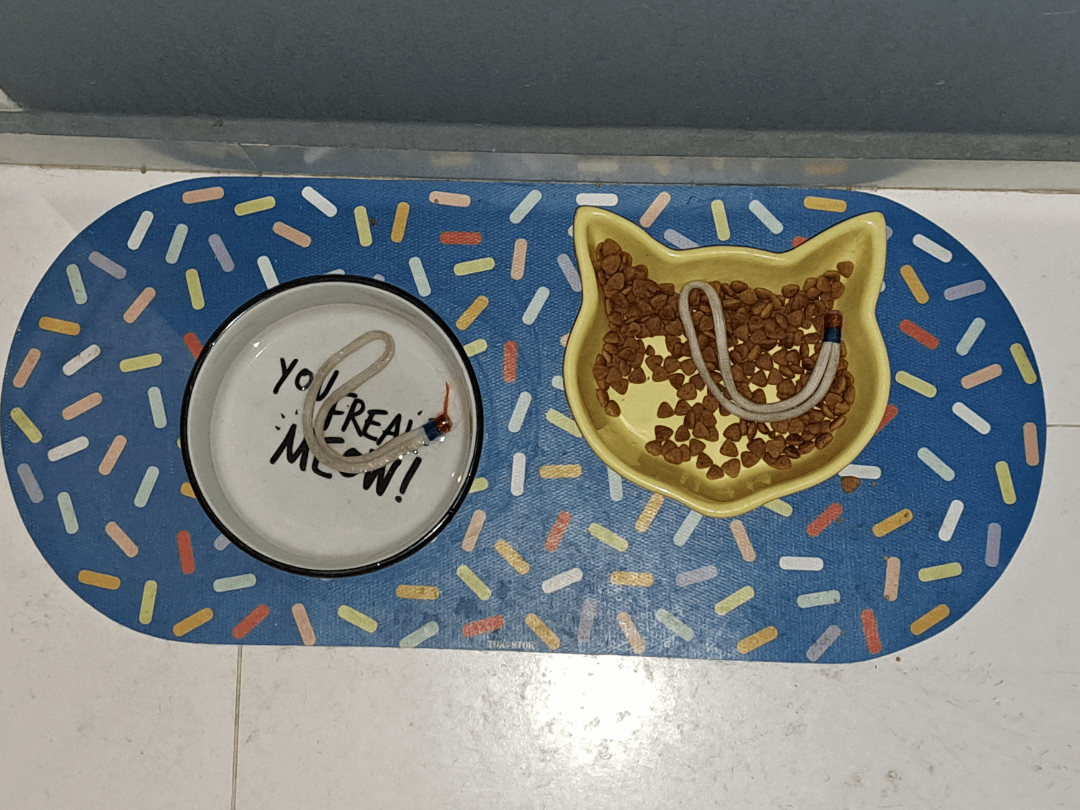
Don’t forget about hydration. Cats often don’t drink enough water, which can lead to dry skin and a dull coat. Encourage your cat to drink more by providing fresh water daily and considering a pet water fountain, which many cats find irresistible.
By supporting your cat’s grooming habits with these tips, you’re not only enhancing their well-being but also strengthening your bond with them. Isn’t it amazing how small changes in their environment and care can make such a big difference?

Credit: www.reddit.com
Frequently Asked Questions
Why Do Cats Groom Themselves Frequently?
Cats groom themselves to stay clean and remove dirt or loose fur. Grooming also helps regulate body temperature and reduce stress. It’s a natural behavior that promotes health and comfort.
Can Grooming Indicate A Cat’s Health Status?
Yes, changes in grooming habits can signal health issues. Excessive grooming might mean skin problems or anxiety. Lack of grooming can indicate illness or pain.
How Does Grooming Affect A Cat’s Behavior?
Grooming helps cats relax and feel secure. It reduces stress and strengthens their bond with their environment. Grooming is essential for a cat’s emotional well-being.
Is Grooming A Way Cats Communicate?
Yes, grooming can be a form of communication. Cats groom themselves and others to show affection and build social bonds. It’s a sign of trust and comfort.
Conclusion
Cats grooming themselves shows they care about cleanliness and health. It also helps them relax and feel safe. Sometimes, grooming can mean stress or health problems, so watch closely. Knowing why cats groom helps you understand your pet better. Keep an eye on changes in their grooming habits.
This simple act reveals a lot about your cat’s mood and well-being. Caring for your cat means noticing these small but important signs.


Leave a Reply