Have you ever noticed how calm and happy you feel while grooming your cat? That warm, fuzzy feeling might be more than just comfort—it could be your brain releasing oxytocin, the so-called “love hormone.” But does cat grooming really trigger this powerful chemical in your body?
Understanding this can change the way you connect with your furry friend and improve your well-being. Keep reading to discover the surprising science behind cat grooming and how it might boost your mood in ways you never expected.
Oxytocin And Its Role
Understanding the role of oxytocin helps explain why cat grooming feels so rewarding for both you and your feline friend. This hormone is often called the “love hormone” because it plays a key part in building trust and emotional bonds. But what exactly is oxytocin, and how does it connect to your interactions with cats?
What Is Oxytocin?
Oxytocin is a hormone and neurotransmitter produced in the brain. It influences social bonding, reduces stress, and promotes feelings of relaxation and happiness. You might have heard of it in relation to childbirth and breastfeeding, where it helps mothers bond with their babies.
Beyond those roles, oxytocin is released during positive social interactions, like hugging or petting. This release encourages you to seek out more connections, creating a cycle of trust and comfort. Have you ever noticed how calm you feel after spending time petting your cat? That’s likely oxytocin at work.
Oxytocin In Human-animal Bonding
When you groom or pet your cat, your brain releases oxytocin, and so does your cat’s. This shared hormonal response strengthens the bond between you two. It’s a two-way street where both parties feel safer and more connected.
Studies show that people who regularly interact with their pets have lower stress levels and more stable heart rates. Your cat experiences similar benefits, which explains why they often purr and nuzzle during grooming sessions. Could this be why your cat seeks you out for those quiet moments?
Next time you’re brushing your cat’s fur, pay attention to how both of you seem to relax. That simple act is more powerful than you might think—it’s a moment of mutual trust and affection, fueled by oxytocin.
Credit: catgroomerla.com
Cat Grooming Behavior
Cats spend a lot of time grooming themselves and others. Grooming helps keep their fur clean and free from dirt. It also plays a big role in their social life. Grooming can create strong bonds between cats and can even affect their mood. Scientists believe grooming may trigger the release of oxytocin, a hormone linked to happiness and trust.
How Cats Groom Themselves
Cats use their tongues to clean their fur. Their tongues have tiny, hook-like structures that help remove loose hair and dirt. Grooming also spreads natural oils across their coat. This keeps their fur soft and shiny. Cats often lick their paws and then use them to clean hard-to-reach areas like their face and ears. Grooming helps them cool down and relax too.
Social Grooming Among Cats
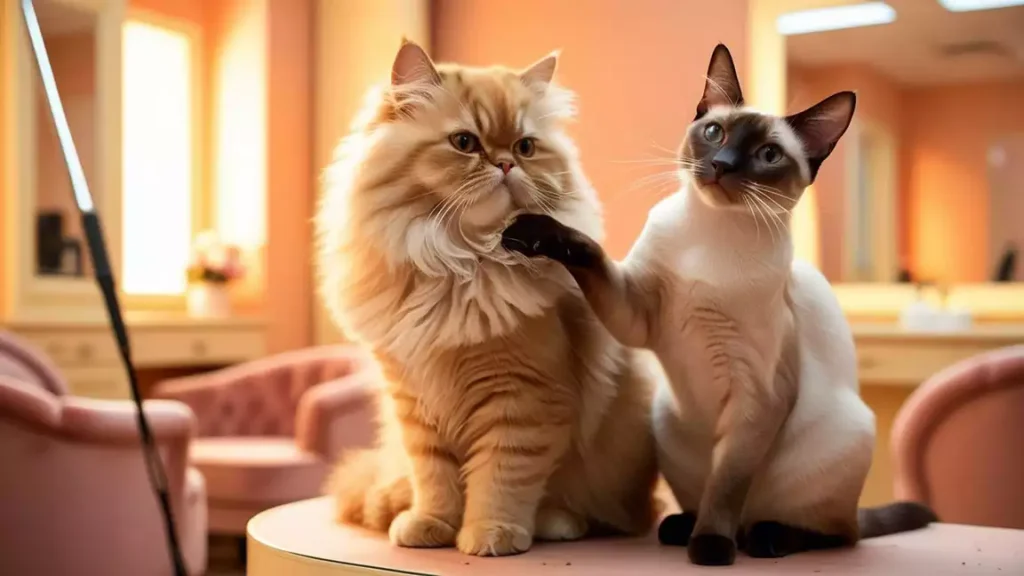
Social grooming, or allogrooming, happens when cats groom each other. It strengthens friendships and reduces stress. Cats usually groom the head and neck of their companions. These areas are hard for a cat to reach on its own. Social grooming helps build trust and shows care. It may also increase oxytocin levels, making cats feel calm and happy.
Grooming And Oxytocin Release
Grooming is more than just a way to keep cats clean. It can also affect brain chemistry, especially the release of oxytocin. Oxytocin is known as the “love hormone” because it helps build bonds and reduce stress. Both cats and humans may feel calmer and happier during grooming sessions. Understanding this link helps explain why petting cats feels good for both sides.
Evidence From Animal Studies
Studies with animals show grooming triggers oxytocin release. In cats and other mammals, grooming lowers stress hormones. It also boosts oxytocin, which promotes social bonding. Researchers found that cats groom each other to strengthen their group ties. Oxytocin helps create trust and calm feelings in these social interactions. This hormone encourages cats to stay close and feel safe together.
Human Interaction With Cats
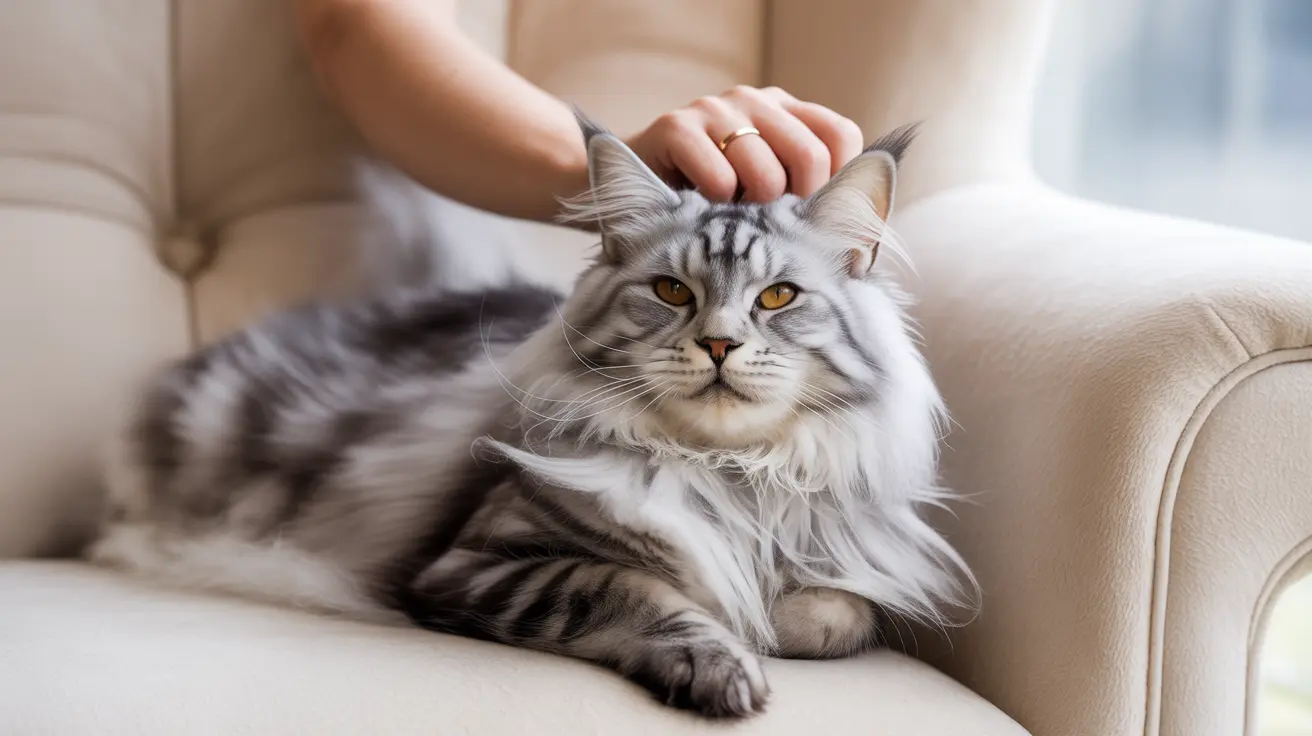
Petting and grooming cats can raise oxytocin levels in humans too. Touching a cat gently sends signals to the brain. These signals stimulate oxytocin release, which reduces anxiety. People often feel relaxed and happy after spending time grooming their cats. This hormone helps deepen the bond between owner and pet. Simple acts like brushing your cat can improve mood and lower stress.
Credit: www.petscare.com
Benefits Of Grooming For Cats
Grooming offers more than just a clean coat for your cat—it plays a crucial role in their overall well-being. Beyond the physical benefits, grooming can trigger the release of oxytocin, a hormone linked to feelings of calm and bonding. Understanding these benefits helps you appreciate why regular grooming sessions matter for your feline friend.
Stress Reduction And Comfort
Grooming can significantly lower your cat’s stress levels. The gentle stroking mimics a soothing massage, which can calm anxious or restless cats. Have you noticed how your cat purrs or relaxes deeply during brushing? That’s oxytocin at work, helping them feel safe and comfortable.
Even cats that usually dislike handling may tolerate grooming if it’s done gently and patiently. Try to observe your cat’s reactions and adjust your approach. This simple act can turn grooming into a relaxing ritual instead of a stressful chore.
Strengthening Social Bonds
Grooming also strengthens the bond between you and your cat. When you groom your cat, you’re not just cleaning them—you’re communicating trust and affection. This interaction encourages your cat to feel closer and more secure around you.
Think about the cats you know that enjoy being groomed by their owners—they often seem more affectionate and connected. Could regular grooming deepen your relationship with your cat too? It’s a powerful way to build mutual understanding and love.
Benefits Of Grooming For Humans
Grooming cats can help humans feel calm and happy by releasing oxytocin, the bonding hormone. This simple act reduces stress and boosts mood through gentle touch and care. Sharing these moments strengthens the connection between people and their pets.
Grooming your cat is not just about maintaining their hygiene; it offers surprising benefits for you as well. This often overlooked bonding activity can significantly enhance your emotional and physical well-being. Let’s explore how this simple act can make a difference in your life.Emotional Well-being
Grooming your cat can be a calming ritual. The rhythmic strokes of the brush and the soothing sound of your cat’s purring can create a sense of peace. This simple interaction releases oxytocin in your brain, often referred to as the “love hormone,” which can elevate your mood and decrease stress levels. When you groom your cat, you might notice a deeper connection forming. This connection can help alleviate feelings of loneliness. Are you feeling down or anxious? Spending just a few minutes brushing your cat can help lift your spirits and offer comfort.Physical Health Effects
The act of grooming your cat can have physical benefits too. Engaging in this gentle activity can lower blood pressure and heart rate. These effects contribute to overall cardiovascular health. Regular grooming sessions also encourage you to be more active. Even if it’s just small movements, it adds a bit of physical activity to your day. This is especially beneficial if you lead a sedentary lifestyle. Have you ever noticed how relaxed you feel after a grooming session with your cat? This relaxation can improve your sleep quality, making you feel more refreshed and energetic the next day. So, the next time you reach for the brush, remember it’s not just for your cat’s benefit—it’s for yours as well.
Credit: catgroomerla.com
Tips For Effective Cat Grooming
Grooming your cat is more than just a hygiene task; it’s a chance to strengthen your bond and even boost oxytocin levels for both of you. How you approach grooming can make a big difference in your cat’s comfort and willingness to participate. Let’s look at some practical tips that ensure grooming sessions are effective and enjoyable.
Choosing The Right Tools
Your cat’s coat type should guide your tool selection. Short-haired cats often do well with a soft-bristle brush, while long-haired breeds need a slicker brush or a comb to prevent mats.
Pay attention to the size and grip of the tools. Comfortable handles help you maintain control and reduce grooming time.
Have multiple tools on hand to address different needs, such as nail clippers for trimming and grooming wipes for quick clean-ups.
Creating A Calm Environment
Think about where you groom your cat. A quiet, familiar space helps reduce anxiety.
Try to keep the environment consistent. Grooming in the same spot signals to your cat that it’s time to relax.
Use gentle, soothing tones and slow movements. If your cat tenses up, pause and give them a moment to settle.
Have treats nearby to reward positive behavior and build a positive association with grooming sessions.
Signs Your Cat Enjoys Grooming
Recognizing whether your cat enjoys grooming can deepen your bond and make the experience more rewarding for both of you. Cats have unique ways of showing pleasure, and tuning into these signs helps you know if you’re doing it right. Observing their reactions closely can reveal if grooming releases that feel-good oxytocin hormone, boosting their happiness.
Behavioral Cues
Your cat’s behavior during grooming tells a lot about their comfort level. If they purr softly or knead their paws, it’s a clear sign they’re relaxed and content. Some cats might even nuzzle against your hand or lick you in return, showing affection and trust.
On the other hand, watch out for sudden movements or attempts to escape; these often mean your cat isn’t enjoying the session. Have you noticed your cat leaning into your brush or nudging you to keep going? These little signs suggest that grooming is a positive experience for them.
Body Language Indicators
Body language is a powerful way your cat communicates enjoyment during grooming. Look for a relaxed posture, with ears in a neutral position and eyes half-closed or blinking slowly. These subtle signals mean your cat feels safe and comfortable.
Tail movements can also provide clues. A gently swaying or still tail often indicates calmness, while a twitching or flicking tail usually shows irritation. Have you seen your cat’s whiskers forward and alert during grooming? That’s another hint they’re engaged and happy.
Potential Risks And Precautions
Grooming your cat can be a bonding experience that enhances your relationship and provides numerous benefits for your feline friend. However, it’s essential to be mindful of potential risks and take necessary precautions to ensure a safe and enjoyable experience for both you and your pet. Understanding these risks can help you mitigate them effectively.
Allergies And Sensitivities
Just like humans, cats can have allergies or sensitivities to certain grooming products. Always check the ingredients in shampoos or conditioners before using them on your cat. Look for products labeled as hypoallergenic and avoid those with strong fragrances.
Observe your cat for any signs of irritation or discomfort after grooming. Redness, itching, or excessive licking could indicate an allergic reaction. If you notice these symptoms, discontinue the product and consult your veterinarian for alternative options.
Avoiding Overgrooming
While grooming is beneficial, overgrooming can lead to skin irritations and hair loss. Ensure you’re not brushing too hard or too often, especially if your cat is short-haired. Aim for a gentle grooming session that leaves your cat relaxed and comfortable.
Monitor your cat’s behavior for signs of stress or agitation during grooming. Cats have unique grooming needs, and what works for one may not suit another. Could your cat be telling you it’s time for a break?
Always prioritize your cat’s comfort and health. By being attentive and informed, you can create a nurturing environment that strengthens your bond and keeps your cat happy and healthy.
Frequently Asked Questions
Does Cat Grooming Trigger Oxytocin Release?
Yes, cat grooming can trigger oxytocin release in both cats and owners. This hormone promotes bonding and reduces stress.
How Does Oxytocin Affect Cats During Grooming?
Oxytocin helps cats feel calm and secure during grooming. It strengthens the bond between cats and their owners.
Can Grooming Reduce Stress Through Oxytocin?
Grooming releases oxytocin, which lowers stress and anxiety levels. Both cats and humans experience this calming effect.
Is Oxytocin Responsible For Cat-owner Bonding?
Oxytocin plays a key role in deepening the bond. Grooming sessions increase oxytocin, enhancing affection and trust.
Conclusion
Cat grooming can help both you and your cat feel calm. It often brings comfort and happiness to your pet. Oxytocin, the “love hormone,” may increase during grooming. This hormone helps build trust and a strong bond. Regular grooming creates a special connection between you and your cat.
It’s a simple way to show care and affection. So, spend time grooming your cat often. It benefits your cat’s health and your relationship too. A small daily habit with big rewards.


Leave a Reply