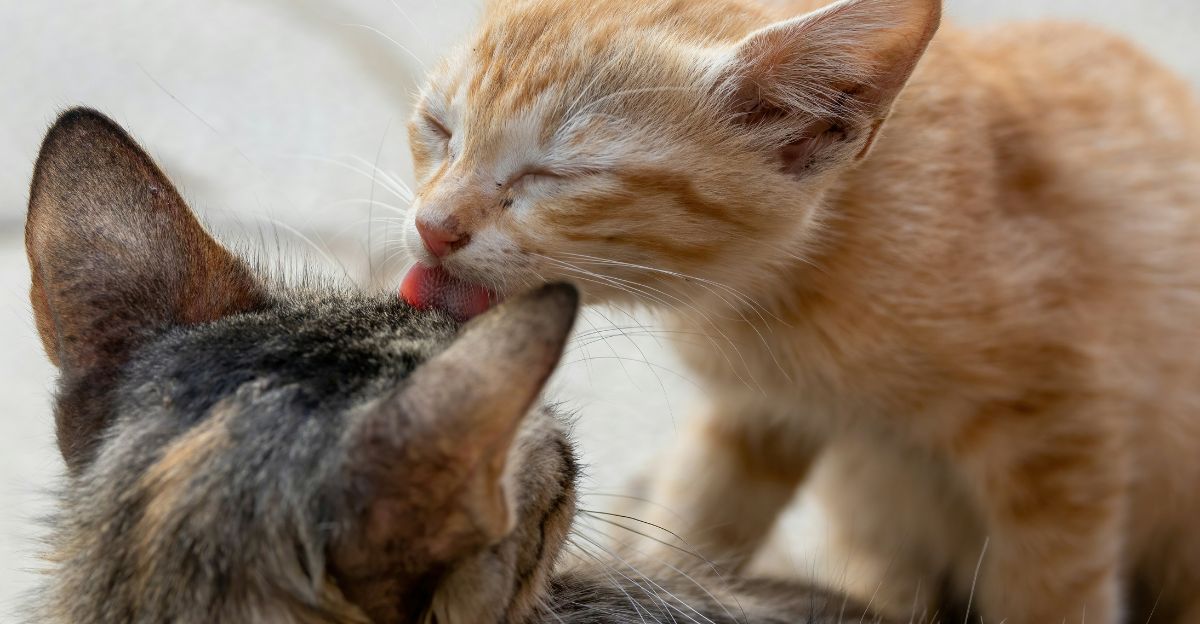
Have you ever noticed your cat licking another cat and wondered why? Is it just about cleaning, or is there something more?
When cats groom each other, it might seem like a simple act of care. But what if this behavior is actually about showing who’s in charge? Understanding whether cats groom for dominance can change the way you see your furry friend’s relationships.
Keep reading to uncover the surprising reasons behind your cat’s grooming habits—and how it affects their social world.
Cat Grooming Habits
Understanding your cat’s grooming habits can reveal a lot about their behavior and social dynamics. Grooming is not just about cleanliness; it plays a role in communication and relationships among cats. Have you noticed how your cat spends a significant part of the day licking themselves or others? This habit is layered with meaning beyond simple hygiene.
Self-grooming Patterns
Your cat’s self-grooming is a precise and deliberate routine. They use their tongue to clean every part of their body, removing dirt and loose fur while also spreading natural oils for a healthy coat.
Notice when your cat grooms intensely after waking up or before eating. It’s a way for them to calm down and prepare for what’s next. If grooming becomes excessive, it might signal stress or discomfort, so keep an eye on changes in their habits.
Social Grooming Explained
When cats groom each other, it’s more than just sharing cleanliness. Social grooming builds trust and strengthens bonds between them. Cats usually groom areas they can’t reach themselves, like the head and neck, showing care and acceptance.
Have you observed your cats grooming each other right after a tense moment or when they meet? This behavior often helps ease tension and reaffirm social hierarchy without conflict. Next time you see your cat grooming a companion, consider it a silent conversation about friendship and respect.

Credit: basepaws.com
Grooming And Social Hierarchy
Grooming plays a key role in a cat’s social life. It helps build bonds and sets their place in the group. Cats use grooming to show trust and sometimes to assert control. Understanding this behavior reveals how cats communicate within their social hierarchy.
Dominance Signals In Cats
Cats show dominance through grooming in subtle ways. A dominant cat may groom a lower-ranking cat more often. This action signals control without aggression. The dominant cat remains calm and confident while grooming. Submissive cats usually accept grooming quietly. They may even groom back as a sign of respect.
Grooming As A Social Tool
Grooming strengthens relationships between cats. It lowers stress and creates peace in the group. Cats groom each other to share scents. This makes the group smell alike and feel united. Grooming also helps resolve conflicts. It acts as a peaceful way to communicate feelings and status.
Benefits Of Grooming Among Cats
Grooming among cats is more than just keeping clean. It plays a key role in their social lives. Cats use grooming to connect and communicate. It helps create trust and calm in their groups. This behavior benefits both individual cats and the whole group.
Bond Strengthening
Grooming builds strong bonds between cats. When one cat licks another, it shows care and trust. This action helps cats feel safe and loved. Cats that groom each other often share a close friendship. It also helps new cats fit into a group more easily.
Conflict Reduction
Grooming lowers stress and tension among cats. It works like a peace signal. Cats that groom each other tend to fight less. This behavior helps avoid fights over space or food. Grooming creates a calm atmosphere in shared living areas.

Credit: basepaws.com
When Grooming Reflects Dominance
Grooming among cats is more than just keeping clean. It often acts as a social signal that reflects the balance of power within their group. When you notice one cat grooming another, it might be showing dominance rather than simple affection.
Observing Grooming Order
Watch which cat starts the grooming and who receives it. Usually, the dominant cat initiates grooming, choosing the subordinate partner. The order in which grooming happens often follows the social hierarchy.
If you see a cat repeatedly grooming another without being groomed back, it could indicate a clear power difference. Have you noticed how some cats let others groom them but rarely return the favor? This is a strong sign of dominance in action.
Behavioral Cues To Watch For
Look for body language during grooming sessions. Does the groomed cat remain relaxed or show signs of submission like lowering its head or purring softly? These cues often confirm the dominant role of the groomer.
Conversely, if a cat tries to move away or swats gently, it might be resisting dominance. Pay attention to the intensity and duration of grooming. Dominant cats often groom longer and more thoroughly, reinforcing their status.
Comparing Grooming Across Cat Groups
Understanding how cats groom can reveal a lot about their social structures. While cats are often seen as independent creatures, their grooming habits can be quite telling. Comparing grooming behaviors across different groups of cats gives insights into their social dynamics and hierarchies.
Feral Vs. Domestic Cats
Feral cats often groom each other as a form of social bonding. In the wild, grooming can help establish trust and strengthen group ties. It’s a survival mechanism, ensuring that the group works cohesively.
Domestic cats, on the other hand, may groom each other or even their human companions for different reasons. Some domestic cats groom out of affection, while others might do so to assert dominance or claim territory. Observing your cat’s grooming habits can provide clues about its feelings and intentions.
Multi-cat Household Dynamics
In a multi-cat household, grooming dynamics can be complex. Some cats may groom others to establish a social hierarchy. The dominant cat often initiates grooming, which can be a subtle way of asserting control.
However, grooming in a multi-cat home isn’t always about dominance. It can also be a sign of friendship and mutual respect. Watching how your cats interact can help you understand their unique relationship dynamics.
So, next time you see your cats grooming, ask yourself—what are they really saying to each other?
Other Ways Cats Show Dominance
Cats have unique ways to establish dominance beyond grooming. Observing their behavior closely can reveal subtle signals they use to communicate power and control. Recognizing these signs helps you better understand your feline’s social interactions and manage their environment effectively.
Body Language
Body language is a powerful tool for cats to show dominance. A dominant cat often stands tall with an upright tail and ears pointed forward. You might notice them staring down other cats or blocking access to favorite spots.
Sometimes, they puff up their fur to appear larger and more intimidating. Have you seen a cat slowly blink or hold direct eye contact? These are confident gestures that say, “I’m in charge here.”
Vocalizations
Dominant cats use vocal sounds to assert control. Loud meows, growls, or hisses can serve as warnings or commands. They often increase the volume and intensity to make sure their message is clear.
Pay attention to how your cat’s tone changes when interacting with others. A dominant cat’s meow might sound more demanding compared to the soft, pleading meows of a submissive cat. Understanding these differences can help you respond appropriately.
Territorial Marking
Marking territory is a clear way cats claim dominance over their space. They use scent glands on their cheeks, paws, and tails to leave their signature on objects. Scratching surfaces is another common way to mark territory visually and with scent.
You may notice your cat rubbing their face against furniture, walls, or even your legs. This behavior is not just affection; it’s a way to spread their scent and signal ownership. Have you ever thought about how this affects the dynamics between multiple cats in your home?
Implications For Cat Owners
Understanding cat grooming as a sign of dominance helps owners care better for their pets. Cats use grooming to show social status and build bonds. This behavior affects how cats live together in one home. Owners need to notice grooming habits to keep peace between cats. Knowing these signs can prevent fights and stress in multi-cat households.
Managing Multi-cat Relationships
Multiple cats in one home need clear social order. Grooming can show which cat leads and which follows. Watch for grooming that seems one-sided or forced. This may mean one cat dominates the other. Provide separate feeding and resting areas. This reduces competition and stress. Observe cats often to spot changes in grooming patterns. Early action helps avoid bigger conflicts.
Encouraging Positive Interactions
Encourage cats to groom each other gently and willingly. Positive grooming strengthens bonds and lowers tension. Use playtime and treats to reward calm behavior. Create quiet spaces where cats feel safe. Avoid forcing cats to interact if they resist. Let them choose when to groom or rest together. A calm environment supports healthy grooming habits and friendships.

Credit: basepaws.com
Frequently Asked Questions
Do Cats Groom Each Other To Show Dominance?
Cats groom each other mainly to bond, not to show dominance. Mutual grooming strengthens social ties and reduces stress among cats. Dominance is usually expressed through body language, not grooming behavior.
Can Grooming Indicate A Cat’s Social Rank?
Yes, grooming can reflect social rank in multi-cat households. Dominant cats may receive more grooming from submissive cats, showing respect and social hierarchy within the group.
Why Do Dominant Cats Sometimes Groom Submissive Cats?
Dominant cats groom submissive ones to reinforce social order and reduce tension. This behavior helps maintain peace and clear roles within the cat group.
Is Grooming A Way Cats Communicate Status?
Grooming partly communicates status by showing trust and acceptance. However, cats use other signals like posture and vocalizations more often to indicate dominance.
Conclusion
Cats grooming each other shows care, not just dominance. It helps build trust and friendship. Grooming also keeps their fur clean and healthy. Sometimes, it may hint at social order, but love is stronger. Watching cats groom teaches us about their bonds.
Next time you see it, think about their feelings. Cats connect in many gentle ways, not only by power. Understanding this helps us enjoy their unique world more.


Leave a Reply