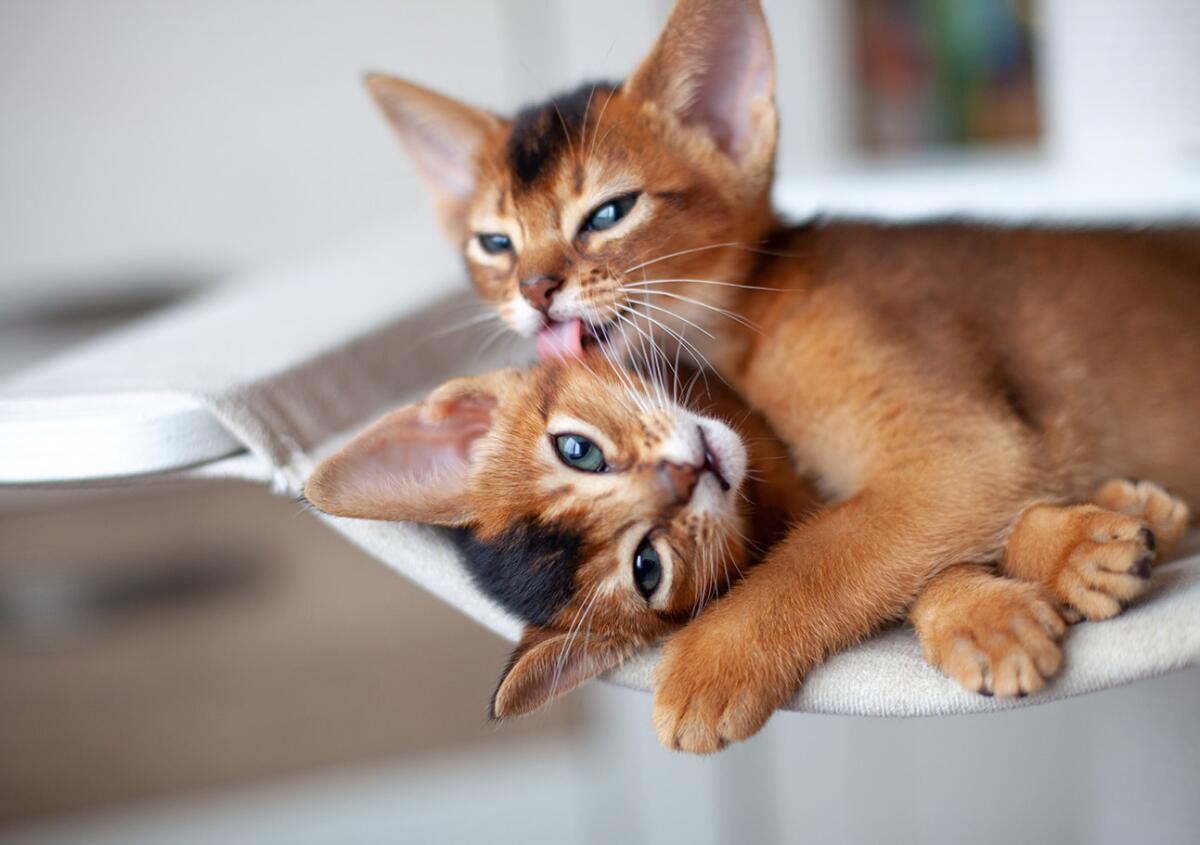
Are you thinking about adding a furry friend to your home? Choosing the right cat breed can make all the difference in your daily happiness.
Some cats are playful and energetic, while others are calm and cuddly. Finding a breed that fits your lifestyle means more joy and less stress. You’ll discover which cat breeds make the best pets, helping you pick the perfect companion for your family.
Keep reading to find out which furry friend is waiting just for you!
Traits Of Friendly Cats
Friendly cats make wonderful companions because they bring warmth and joy into your home. Understanding the traits that define a friendly cat can help you choose a pet that fits well with your lifestyle. These traits often reveal themselves through social behavior, affection levels, and adaptability.
Social Behavior
Friendly cats tend to seek out interaction rather than avoid it. They enjoy being around people and often welcome visitors with curiosity. You might notice your cat following you from room to room or sitting nearby while you work.
Some breeds, like the Ragdoll or Maine Coon, are known for their outgoing nature. They get along well with children and other pets, which makes them great for busy households. Ask yourself, does your future cat need to be a social butterfly, or would a quieter companion suit your home better?
Affection Levels
Not all friendly cats show affection in the same way. Some love to be petted and will purr loudly in your lap, while others might prefer gentle head bumps or simply being near you. Pay attention to what type of affection feels most natural to you.
Breeds like the Siamese are famously vocal and affectionate, often demanding attention and cuddles. Meanwhile, a British Shorthair might show love with a calm presence rather than constant contact. Consider how much time you can devote to physical interaction with your cat daily.
Adaptability
A friendly cat often adjusts well to changes in their environment. This is important if you move frequently or have an unpredictable schedule. Cats that adapt easily tend to handle new people, places, and routines without stress.
For example, the Burmese cat is known for its flexibility and calm demeanor in new situations. On the other hand, some cats prefer a stable environment and might become anxious if disrupted. Think about your living situation—does it support a cat that thrives on routine or one that embraces change?

Credit: www.rd.com
Traits Of Low-maintenance Cats
Low-maintenance cats make great pets for many people. They need less time and effort daily. These cats fit well in busy homes or for first-time cat owners. Understanding their traits helps pick the right pet. Here are key traits of low-maintenance cats.
Grooming Needs
Low-maintenance cats usually have short fur. Their coats do not tangle or mat easily. They need brushing only once a week. This reduces shedding and keeps fur clean. Cats with short hair clean themselves well. They rarely need professional grooming.
Health Considerations
Healthy cats require fewer vet visits. Low-maintenance breeds have fewer genetic health problems. They tend to have strong immune systems. Regular checkups still matter to catch issues early. Vaccines and parasite control are basic care steps.
Activity Levels
These cats have moderate or low energy levels. They enjoy playtime but also rest a lot. Low activity means less damage to furniture. They adapt well to indoor living. These cats suit calm homes or apartments.
Top Friendly Cat Breeds
Choosing a friendly cat breed makes pet ownership joyful and rewarding. Friendly cats enjoy company and adapt well to family life. They often seek attention and love to play with their owners. These breeds are ideal for homes with children or other pets. Their gentle nature creates strong bonds with their humans.
Ragdoll
Ragdolls are known for their calm and sweet personality. They enjoy cuddling and often go limp when held. These cats love to follow their owners around the house. Ragdolls are patient and good with kids. Their soft, silky fur adds to their charm.
Siamese
Siamese cats are very social and vocal. They communicate with loud, expressive meows. These cats form deep bonds and enjoy interactive play. Siamese cats are smart and curious, needing mental stimulation. They thrive in homes where they get plenty of attention.
Maine Coon
Maine Coons are large cats with a gentle heart. They are friendly and get along well with other pets. These cats enjoy playing fetch and being part of family activities. Maine Coons have thick fur and tufted ears. Their easygoing nature makes them great companions.
Burmese
Burmese cats are affectionate and love to be near people. They are playful and stay active throughout their lives. These cats often greet visitors and enjoy meeting new friends. Burmese cats have short, shiny coats and expressive eyes. Their loving nature makes them perfect pets.

Credit: gladdogsnation.com
Top Low-maintenance Cat Breeds
Choosing a cat breed that fits your lifestyle can make a huge difference in your experience as a pet owner. Low-maintenance cats are perfect if you want a furry friend that doesn’t require constant grooming or attention. These breeds often have calm temperaments and easy-care coats, making them ideal for busy individuals or first-time cat owners.
British Shorthair
The British Shorthair is known for its easy-going nature and plush, dense coat that doesn’t mat easily. You won’t need to spend hours brushing, just a quick weekly comb will keep their fur in great shape. They’re friendly but not overly demanding, making them a great companion if you enjoy quiet, affectionate pets.
Imagine coming home to a cat that’s happy to lounge beside you without requiring nonstop playtime. That’s the British Shorthair. Wouldn’t you appreciate a pet that fits seamlessly into a relaxed routine?
American Shorthair
American Shorthairs are sturdy, adaptable cats with short fur that practically takes care of itself. Their grooming needs are minimal, so you can focus more on enjoying their playful and loving personality. These cats are known for their good health and longevity, which means fewer vet visits and worries.
If you want a pet that’s lively but not too demanding, this breed might be your match. Have you ever wondered how a resilient, low-fuss cat could brighten your daily life?
Russian Blue
The Russian Blue boasts a dense double coat that sheds very little, making grooming quick and easy. They tend to be shy but deeply loyal, preferring calm environments. Their low-maintenance coat combined with a reserved personality means less stress for you and a peaceful home for them.
Think about a cat that greets you with gentle affection rather than constant attention-seeking. Could the quiet companionship of a Russian Blue suit your lifestyle?
Scottish Fold
Scottish Folds are instantly recognizable by their unique folded ears, but their care routine is just as simple as their appearance is charming. Their short to medium fur requires only occasional brushing, and they adapt well to various living environments. These cats are affectionate without being clingy, offering just the right balance of love and independence.
Would you like a pet that’s both distinctive and easy to care for? The Scottish Fold’s easygoing nature makes it a solid choice for many cat lovers.
Choosing The Right Breed For Your Lifestyle
Choosing a cat breed that fits your daily routine helps ensure a happy pet and owner. Some breeds need more attention, while others enjoy quiet time alone. Matching energy levels makes pet care easier and more enjoyable.
Choosing the Right Breed for Your Lifestyle Selecting a cat breed that aligns with your lifestyle can make all the difference in ensuring a harmonious home. Each breed has its unique characteristics that may or may not suit your living situation, time availability, and even your health considerations. Understanding these factors can help you find the perfect feline companion that fits seamlessly into your life.Living Space Considerations
Your home environment plays a crucial role in choosing the right cat breed. If you live in a small apartment, breeds like the British Shorthair or Russian Blue, known for their calm demeanor and moderate activity level, might suit you best. On the other hand, larger living spaces can accommodate more active breeds such as the Bengal, which loves to explore and climb.Time Commitment
Consider how much time you can dedicate to your cat daily. Breeds like the Siamese or the Abyssinian thrive on interaction and play, requiring more attention and mental stimulation. If your schedule is tight, a more independent breed like the Persian might be a better fit, as they are often content with less constant engagement.Allergy-friendly Options
If allergies are a concern, some cat breeds may be more suitable for your household. The Balinese and Siberian are often recommended for their lower allergen levels, making them easier on sensitive noses. Always spend time with the breed beforehand to ensure you or your family members have no allergic reactions. Choosing the right cat breed involves more than just aesthetics; it’s about finding a pet that complements your lifestyle. Have you considered how your daily routines might mesh with a new feline friend?
Credit: blog.feliway.com
Tips For Introducing A New Cat
Introducing a new cat to your home can be exciting but also challenging. It’s important to approach the process thoughtfully to help your new feline friend settle in comfortably. Careful preparation and patience can prevent stress and build a positive relationship from the start.
Preparing Your Home
Before bringing your new cat inside, create a safe and quiet space just for them. This could be a spare room with their litter box, food, water, and a cozy bed. Keeping this area separate at first helps your cat feel secure and less overwhelmed.
Remove any hazards such as toxic plants or loose wires in the area. Also, make sure you have scratching posts and toys ready to keep your cat entertained. Have you thought about where your cat will retreat when they need alone time?
Managing First Interactions
When introducing your new cat to other pets, take it slow. Allow them to sniff under doors or through baby gates before meeting face-to-face. This gradual exposure reduces tension and lets each pet get used to the other’s scent first.
Watch their body language carefully during initial meetings. Signs like hissing or puffed fur mean you should give them more time apart. Try short, supervised visits and gradually increase interaction time as they grow comfortable.
Building A Bond
Spend quiet time with your new cat daily to build trust. Use gentle talking, slow blinking, and offering treats to encourage positive associations. Play interactive games like feather wands to help them feel more relaxed and engaged.
Remember, every cat has a unique personality—some may warm up quickly, while others need weeks or months. What small gestures can you add to your routine to make your cat feel truly at home?
Frequently Asked Questions
What Cat Breeds Are Best For Families?
Breeds like Ragdolls, Maine Coons, and Siamese are great for families. They are gentle, friendly, and enjoy interaction with children, making them ideal companions in a family setting.
Which Cat Breeds Are Low Maintenance Pets?
British Shorthairs, Scottish Folds, and Russian Blues require less grooming and are independent. These breeds adapt well to various living environments and suit owners seeking a low-maintenance cat.
Are Certain Cat Breeds Better For Apartment Living?
Yes, breeds like Burmese, Scottish Fold, and Persian cats thrive in apartments. They are generally calm, adapt well to indoor spaces, and need moderate activity, fitting apartment lifestyles.
What Cat Breeds Are Known For Their Affectionate Nature?
Ragdolls, Siamese, and Sphynx cats are famously affectionate. They seek human companionship, enjoy cuddling, and often follow their owners around the home, making them loving pets.
Conclusion
Choosing the right cat breed makes pet ownership joyful and easy. Some cats love to play, while others enjoy quiet time. Think about your home and lifestyle before deciding. Each breed has its own unique needs and traits. Remember, patience and love help any cat feel at home.
A happy cat means a happy owner. Take time to learn about breeds that fit you best. Your perfect feline friend is waiting.


Leave a Reply