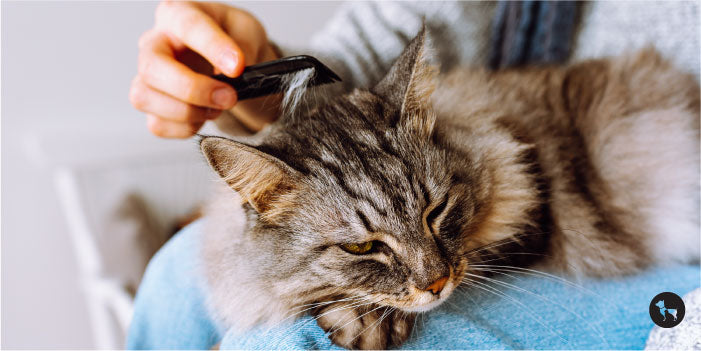
Are you wondering which breed of cat needs the most grooming? Taking care of your cat’s coat is more important than you might think.
Some cats require regular brushing to stay healthy and comfortable, while others need only occasional care. Knowing your cat’s grooming needs can save you time, keep your pet happy, and even prevent health problems. Keep reading to discover which breeds demand extra attention and how you can make grooming easy and stress-free for both you and your furry friend.

Credit: www.oakleighcentralvet.com.au
Cats That Need Regular Grooming
Not all cats need the same level of grooming, but some breeds definitely require more attention to keep their coats and skin healthy. Understanding which cats need regular grooming helps you prevent common issues like mats, hairballs, and skin problems. Paying attention to your cat’s breed can guide you in establishing a grooming routine that fits their unique needs.
Long-haired Breeds
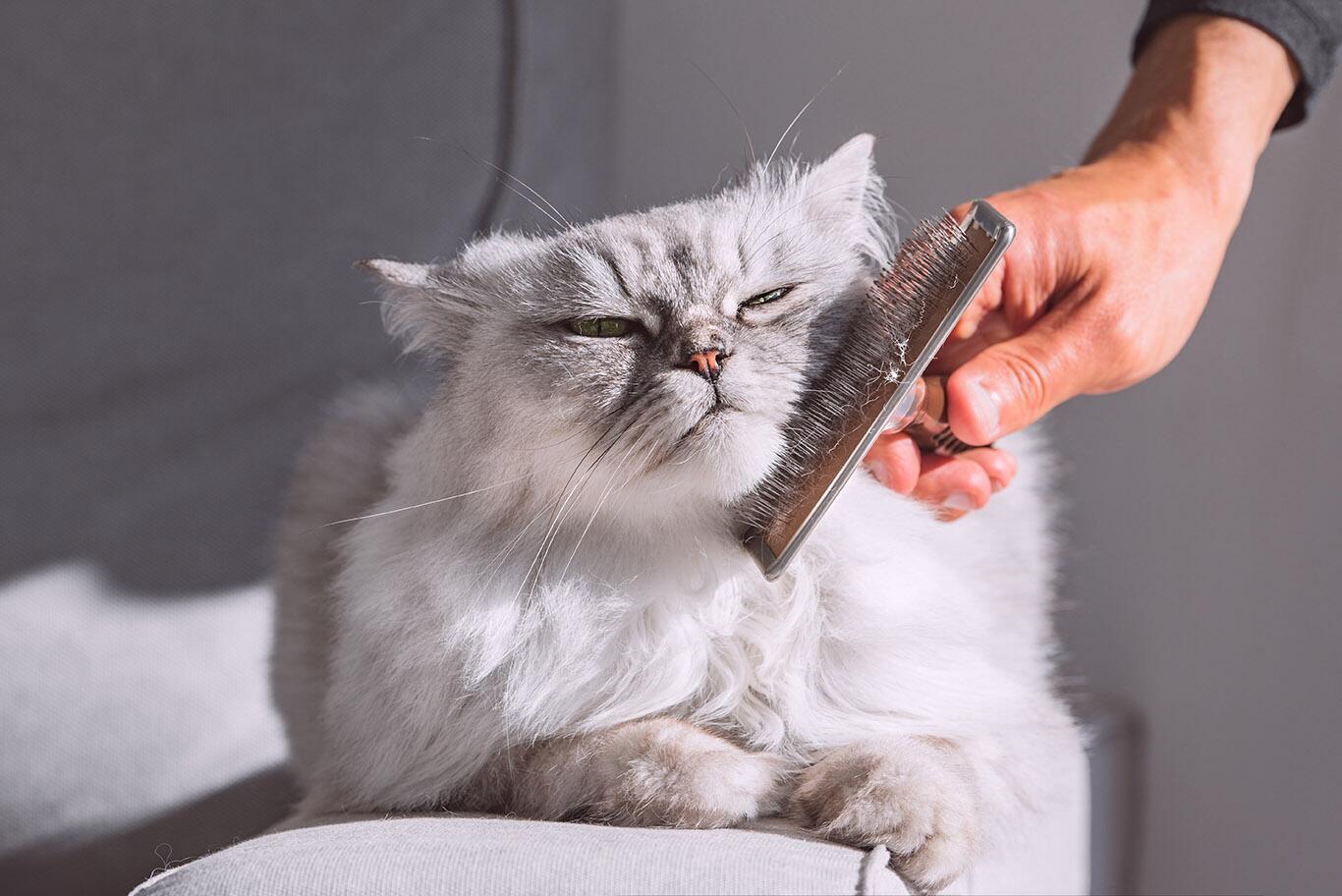
Long-haired cats like Persians, Maine Coons, and Ragdolls need daily brushing to avoid painful mats and tangles. Their thick coats trap dirt and loose hair easily, which can lead to skin irritation if not removed regularly.
If you have a long-haired cat, try setting aside a few minutes each day for brushing. This not only keeps their fur clean but also reduces shedding around your home.
Short-haired Breeds With Grooming Needs
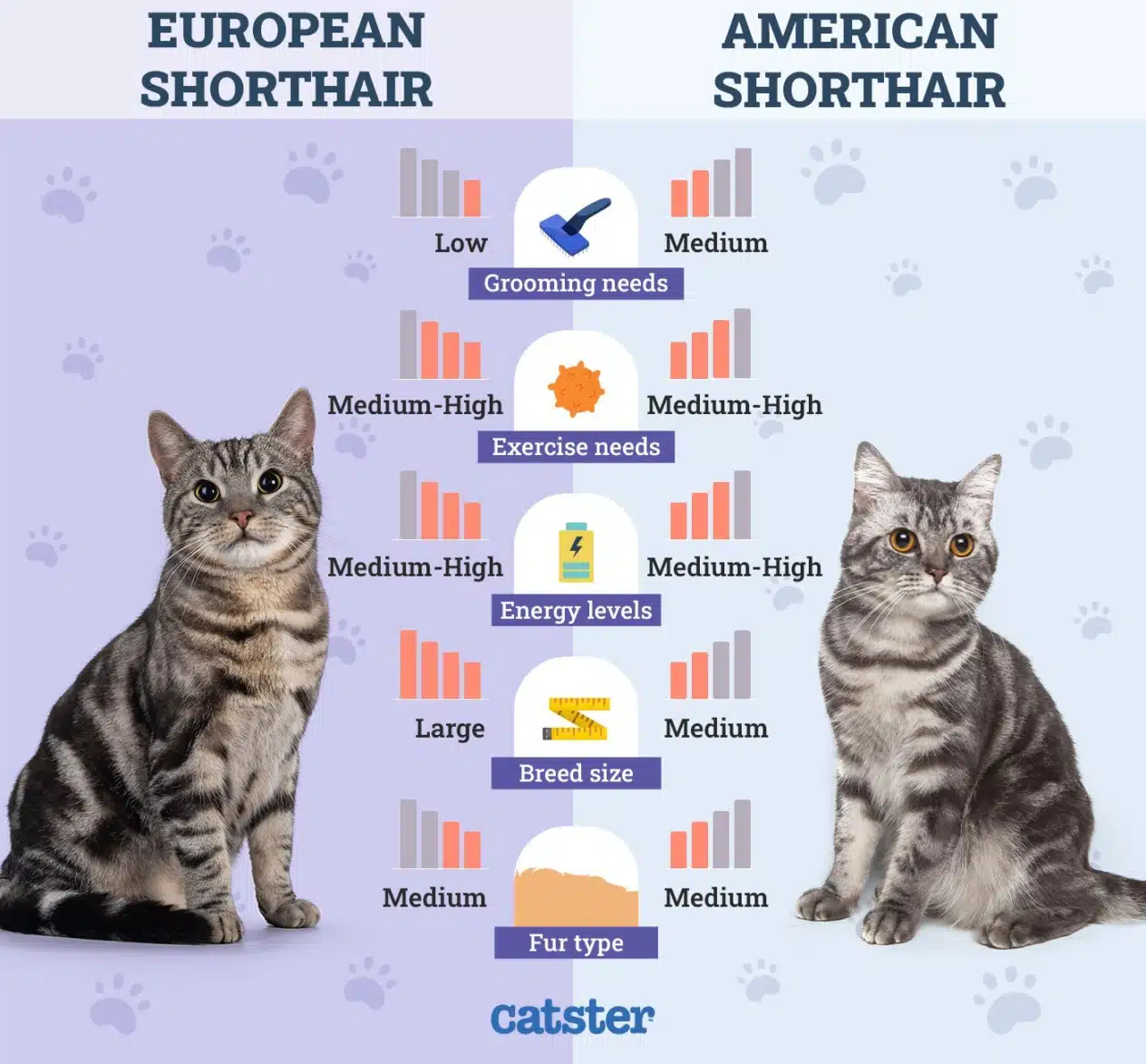
Short-haired cats like Bengals and British Shorthairs may seem low maintenance, but they also benefit from weekly grooming. Brushing removes dead hair and stimulates natural oils that keep their coats shiny and skin healthy.
Have you noticed your short-haired cat shedding more during certain seasons? Regular grooming during these times can help control loose fur and reduce hairballs.
Hairless Breeds And Skin Care
Hairless breeds such as the Sphynx need special skin care rather than fur grooming. Their exposed skin can get oily and dirty quickly, so regular baths are necessary to prevent clogged pores and infections.
Besides bathing, hairless cats require moisturizing and protection from sun exposure. Do you know how to balance keeping their skin clean without drying it out? Using gentle, cat-safe products is key.
Credit: www.latimes.com
Benefits Of Grooming Cats
Grooming cats offers many important benefits. It helps keep their fur clean and healthy. Regular grooming also supports their overall well-being. Cats enjoy a better quality of life with consistent care. Understanding the benefits encourages regular grooming habits.
Preventing Matting And Hairballs
Grooming removes loose fur that can cause mats. Mats are tight clumps of fur that hurt cats. Brushing stops mats from forming and keeps fur soft. It also reduces the amount of fur cats swallow. Less fur swallowed means fewer hairballs. Hairballs can cause discomfort and digestive issues.
Improving Skin Health
Brushing stimulates blood flow to the skin. This promotes healthy skin and fur growth. Grooming helps spot skin problems early, such as irritation or parasites. Removing dirt and dead skin prevents infections. Clean skin means a happier and healthier cat.
Bonding And Stress Reduction
Grooming time strengthens the bond between you and your cat. Gentle brushing calms nervous or anxious cats. It creates a safe and trusting environment. Cats often purr and relax during grooming sessions. Regular grooming reduces stress and promotes emotional well-being.
Essential Grooming Tools
Grooming a cat needs the right tools to keep its coat healthy and clean. These tools help remove loose hair, dirt, and prevent mats. They also make the grooming process easier and more comfortable for your cat. Choosing the correct tools depends on your cat’s fur type and grooming needs. Below are the essential grooming tools every cat owner should have.
Brushes And Combs
Brushes and combs are vital for removing loose fur and preventing tangles. Short-haired cats need a soft bristle brush to remove dirt and spread natural oils. Long-haired cats benefit from a slicker brush to detangle and remove mats. A metal comb helps find and remove small knots and debris. Regular brushing reduces shedding and keeps fur shiny.
Nail Clippers
Nail clippers keep your cat’s claws trim and prevent scratches. Use clippers designed for cats for safety and ease. Regular trimming stops nails from growing too long and curling into the paw. It also protects your furniture from damage. Be careful to avoid cutting the quick, the sensitive part inside the nail.
Shampoos And Wipes
Shampoos made for cats keep their coat clean and healthy. Use gentle, cat-specific formulas to avoid skin irritation. Bathing is rarely needed but helps with dirt or allergens. Wipes offer a quick way to clean paws and fur between baths. They are useful for cats that dislike water or need spot cleaning.
Grooming Techniques For Different Fur Types
Understanding how to groom your cat based on their fur type can make a huge difference in keeping them healthy and comfortable. Each fur type requires different tools and techniques. Knowing these can save you time and reduce stress for both you and your feline friend.
Brushing Long Fur
Long-haired cats need daily brushing to prevent mats and tangles. Use a wide-toothed comb first to gently work through knots, then switch to a slicker brush for a smooth finish. This two-step process helps avoid pulling on their skin and keeps their coat shiny.
Have you noticed how your long-haired cat reacts to brushing? Many enjoy the extra attention, but some may resist if their fur is matted. Make grooming a calm and positive experience by using treats and speaking softly during the session.
Maintaining Short Fur
Short-haired cats usually require less grooming, but regular brushing still helps reduce shedding and hairballs. A rubber brush or grooming glove works well to remove loose hair and stimulate skin oils. Try brushing your cat a few times a week to keep their coat sleek.
Think about your cat’s activity level and shedding patterns. If you see more hair on your clothes or furniture, increasing grooming frequency can help. Short fur may seem low-maintenance, but consistent care improves your cat’s comfort and your home’s cleanliness.
Special Care For Sensitive Skin
Cats with sensitive skin need extra gentle grooming to avoid irritation. Choose soft-bristled brushes and avoid over-brushing, which can cause redness or discomfort. Keep an eye out for skin changes like dryness or flakiness during grooming sessions.
Have you ever noticed your cat scratching more after grooming? It might be a sign to switch products or slow down the process. Using hypoallergenic wipes between brushings can soothe the skin without causing harm.
Tips For Grooming Reluctant Cats
Long-haired cats like Persians and Maine Coons need regular grooming to prevent mats. Short-haired breeds require less frequent brushing but still benefit from it. Regular grooming keeps all cats clean, healthy, and comfortable.
Grooming a reluctant cat can feel like a daunting task. Some cats simply do not enjoy being fussed over, which makes grooming sessions a challenge. However, with patience and the right approach, you can make the experience less stressful for both you and your feline friend.Creating A Calm Environment
Set the stage for a peaceful grooming session by creating a calm environment. Choose a quiet room where your cat feels safe and secure. Consider using a soft mat or towel for them to sit on, which can provide extra comfort. Lower any noises or distractions that might startle your cat. Soft background music can sometimes help to soothe them. Remember, a relaxed cat is more likely to be cooperative.Using Treats And Positive Reinforcement
Incorporate treats into your grooming routine as a form of positive reinforcement. Reward your cat with a small treat each time they remain calm or allow a particular grooming action. This will help them associate grooming with positive experiences. Praise them verbally with a gentle voice to reinforce good behavior. Over time, they may even look forward to grooming sessions as a bonding time with you.Handling Difficult Areas Safely
Focus on being gentle and methodical when tackling difficult areas like the belly or tail. Use a soft brush and take slow, deliberate strokes. If your cat becomes agitated, pause and give them a moment to relax. Avoid applying too much pressure or pulling on their fur. If an area is particularly sensitive, consider addressing it over multiple short sessions instead of trying to do it all at once. Your cat’s comfort should always be the priority. Have you ever noticed how your cat reacts to being groomed? Understanding their cues can make a world of difference. With patience and consistency, even the most reluctant cat can learn to tolerate, if not enjoy, grooming sessions.When To Seek Professional Grooming
Knowing when your cat needs professional grooming can save you a lot of stress and keep your feline friend comfortable and healthy. Some cats manage well with regular home grooming, but others require expert care to handle specific needs. Recognizing the right moment to seek professional help ensures your cat receives the best attention without unnecessary discomfort.
Signs Your Cat Needs Help
Watch for signs like persistent matting that you can’t untangle, excessive shedding, or a greasy coat that doesn’t improve with brushing. If your cat starts to scratch or bite their fur more than usual, it might indicate skin irritation or parasites. Also, if your cat becomes stressed or aggressive during grooming sessions at home, professional groomers have the experience to handle these situations calmly.
Choosing A Grooming Service
Look for groomers who specialize in cats, not just dogs. Ask about their handling techniques and whether they offer services like nail trimming, ear cleaning, and dental care. Reading reviews and getting recommendations from your vet or other cat owners helps you find a trusted professional. Don’t hesitate to visit the grooming salon beforehand to see if it’s clean and cat-friendly.
Frequency Of Professional Care
The frequency depends on your cat’s breed, coat length, and lifestyle. Long-haired breeds like Persians may need professional grooming every 4 to 6 weeks to prevent matting. Short-haired cats typically require less frequent visits but could still benefit from seasonal grooming, especially if they shed heavily. How often do you think your cat would feel comfortable being handled by a groomer?
Credit: vogdog.com
Frequently Asked Questions
Which Cat Breeds Need Regular Grooming?
Long-haired breeds like Persians, Maine Coons, and Ragdolls need frequent grooming. Their thick fur mats easily and requires daily brushing. Short-haired cats generally need less grooming but benefit from weekly brushing to reduce shedding and hairballs.
How Often Should A Persian Cat Be Groomed?
Persian cats require daily grooming to prevent mats and tangles. Their dense coat traps dirt and debris easily. Regular brushing also reduces shedding and keeps their skin healthy, preventing hairballs and skin infections.
Do Short-haired Cats Require Grooming?
Yes, short-haired cats benefit from weekly brushing. Grooming removes loose hair, reduces shedding, and helps prevent hairballs. It also promotes healthy skin and strengthens the bond between you and your cat.
What Grooming Tools Suit Different Cat Breeds?
Long-haired cats need wide-toothed combs and slicker brushes to detangle fur. Short-haired cats benefit from soft bristle brushes or grooming gloves. Nail clippers and ear cleaners are essential for all breeds.
Conclusion
Cats need grooming to stay clean and healthy. Long-haired breeds like Persians need regular brushing. Short-haired cats also benefit from occasional grooming. Grooming helps prevent mats, hairballs, and skin problems. It also strengthens the bond between you and your cat.
Keep your cat comfortable and happy by grooming often. A little care goes a long way for your furry friend.


Leave a Reply