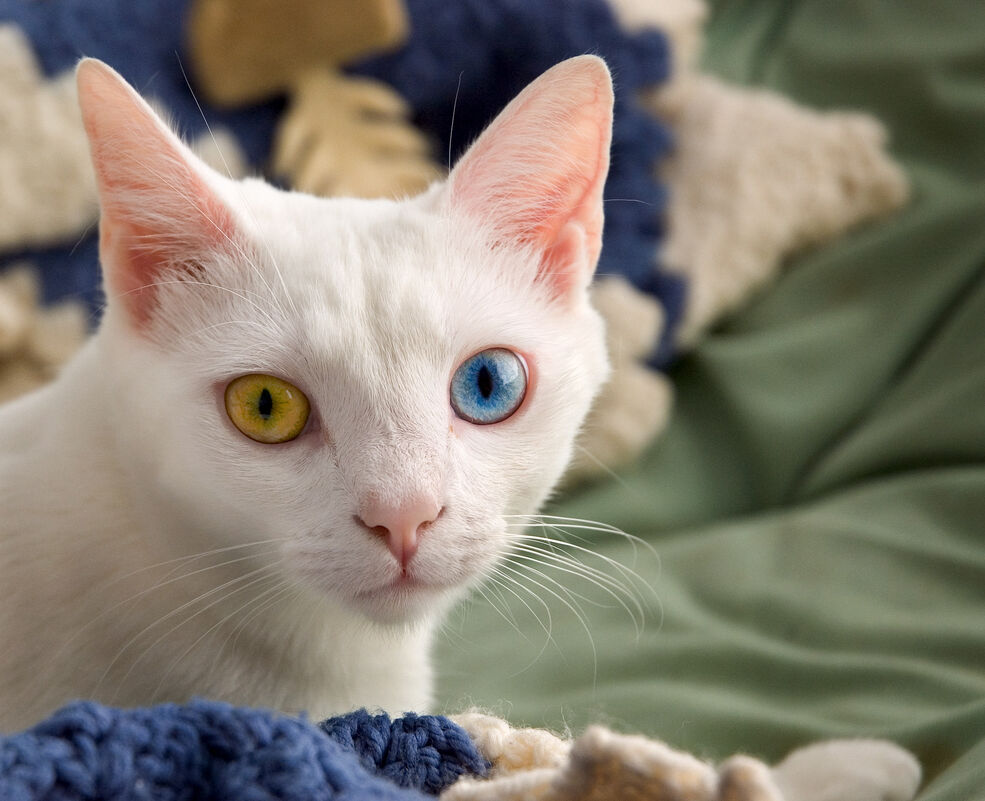
Have you ever looked into a cat’s eyes and noticed something truly unique—two different colors staring right back at you? This rare trait is called heterochromia, and it makes certain cats stand out in the most beautiful way.
If you’re curious about which cat breeds can have this striking feature, you’re in the right place. Keep reading to discover the fascinating world of cats with heterochromia and learn how these colorful eyes add to their charm and personality.
Your next feline friend might just have a pair of eyes you’ll never forget!

Credit: jennywilsons.medium.com
What Is Heterochromia In Cats
Heterochromia in cats is a fascinating eye condition that captures the attention of many pet lovers. It means your cat has two different colored eyes, which can make them look truly unique. But what causes this striking feature, and how common is it among various cat breeds?
What Exactly Is Heterochromia?
Heterochromia refers to a difference in coloration, usually of the iris but sometimes of hair or skin. In cats, it specifically means each eye has a distinct color. One eye might be blue while the other could be green, yellow, or brown.
This isn’t just a random trait; it stems from the way pigment cells develop in the iris during growth. A disruption or variation in the distribution of melanin causes this difference. Have you ever noticed how some cats seem to have a mysterious sparkle? That might just be heterochromia at work.
Types Of Heterochromia In Cats
- Complete Heterochromia:Each eye is a completely different color.
- Sectoral Heterochromia:One eye has two different colors, split into sections.
- Central Heterochromia:The inner ring of the iris has a different color from the outer ring.
Understanding these types can help you identify heterochromia more clearly when you see it in your cat or others.
Is Heterochromia Common In Cats?
You might wonder if this eye condition is rare or something you’ll encounter often. While not every cat has heterochromia, it’s more common than many think, especially in certain breeds.
White cats and those with a lot of white fur are more prone to this trait. The gene responsible for white fur can also influence eye color. Have you met a cat with one blue eye and one amber eye? Chances are, that cat’s heterochromia is linked to its coat color.

Credit: jennywilsons.medium.com
Genetics Behind Cat Eye Colors
Cat eye colors come from genetics, which control pigment and light reflection. These colors vary due to different genes working together. Some genes affect how much pigment the iris has. Others control the pattern and distribution of pigment.
Eye color also depends on the structure of the iris. Light scattering in the iris creates different shades of blue or green. The amount of melanin, a dark pigment, influences whether the eye looks yellow, green, or brown.
How Melanin Affects Cat Eye Colors
Melanin is the key pigment in cat eyes. More melanin means darker eyes, like amber or copper. Less melanin makes eyes look blue or green. Cats with very little melanin may have pale or icy blue eyes.
Role Of Genetics In Heterochromia
Heterochromia occurs when a cat has two different colored eyes. This happens because genes affect pigment unevenly in each eye. One eye may have more melanin than the other. This genetic variation causes the striking color difference.
Common Cat Breeds With Unique Eye Colors
- Siamese cats often have blue eyes due to low melanin.
- Turkish Vans show heterochromia with one blue and one amber eye.
- Ojos Azules have deep blue eyes regardless of coat color.
- Japanese Bobtails sometimes display heterochromia.
Common Cat Breeds With Heterochromia
Heterochromia in cats is a fascinating genetic trait where each eye displays a different color. This unique feature can add an extra layer of charm to your feline friend. Certain cat breeds are more likely to have this striking characteristic, making them especially captivating to look at.
Turkish Van
The Turkish Van is famous for its stunning white coat and love of water. Many of these cats have heterochromia, typically showing one amber eye and one blue eye. Their playful and affectionate nature makes them memorable companions, especially when you catch their mismatched eyes glinting in the light.
Turkish Angora
Known for their silky, long fur, Turkish Angoras often sport heterochromia. One eye might be emerald green while the other is icy blue, creating a dramatic look. Their intelligence and agility match their striking appearance, making them a joy to watch and interact with.
Japanese Bobtail
Japanese Bobtails are recognizable by their short, bobbed tails and lively personality. Heterochromia appears frequently in this breed, adding to their unique charm. Their bright eyes, sometimes in contrasting colors, seem to communicate their playful spirit directly to you.
Siberian Cat
The Siberian Cat is a robust breed with a thick triple coat perfect for cold climates. While not as common as in other breeds, heterochromia can appear in Siberians, often with one golden and one green eye. These cats are both strong and affectionate, making their eye colors even more captivating.
Ojos Azules
Ojos Azules cats are rare and prized for their deep blue eyes, but some show heterochromia with one eye a different shade of blue or even another color. Their mysterious look can make you stop and stare, wondering about the story behind those unusual eyes. Owning one means having a truly extraordinary pet.
How Heterochromia Affects Cat Vision
Heterochromia in cats, where each eye sports a different color, is not just a striking visual trait—it can also influence how your feline friend sees the world. Understanding how this unique condition affects a cat’s vision helps you better care for and appreciate your pet’s special characteristics.
What Heterochromia Means For A Cat’s Vision
Heterochromia usually results from variations in melanin distribution, affecting eye color but rarely impacting sight quality. Most cats with heterochromia see just as well as those with matching eyes. However, it’s essential to watch for any signs of vision problems, as some underlying conditions related to heterochromia might affect eyesight.
Are Cats With Heterochromia More Sensitive To Light?
Some people believe that cats with different colored eyes might react differently to light. In reality, the difference in iris color does not significantly change light sensitivity. Your cat’s ability to adapt to dim or bright environments depends more on their overall eye health than on the color difference.
Potential Vision Issues Linked To Heterochromia
- Deafness:While not directly related to vision, deafness sometimes accompanies heterochromia in white cats, which can affect how your cat navigates their environment.
- Underlying Eye Conditions:In rare cases, heterochromia might signal an eye disease or injury, so keep an eye out for redness, cloudiness, or unusual behavior.
- Genetic Factors:Some breeds prone to heterochromia may have genetic predispositions that influence eye health.
How To Monitor Your Cat’s Eye Health
Watch for changes in your cat’s behavior that might indicate vision issues, such as bumping into furniture or reluctance to explore. Regular vet check-ups can catch potential problems early. If your cat has heterochromia, ask your vet if any special eye care is recommended.
Have you noticed any difference in how your cat with heterochromia reacts to their surroundings? Paying attention to these details can help you ensure they enjoy a happy, healthy life.
Rare Variations Of Heterochromia In Cats
Cats with heterochromia captivate us with their mesmerizing eyes, each telling a unique story. This rare condition, where cats have two different colored eyes, isn’t just limited to one type. It manifests in several fascinating variations, each with its own charm. Let’s dive into the rare variations of heterochromia in cats and explore what makes each type so special.
Complete Heterochromia
Complete heterochromia is perhaps the most striking form, where each eye is a completely different color. Imagine gazing into a cat’s eyes, one a deep, oceanic blue, the other a warm, golden hue. This variation often occurs in breeds like the Turkish Van and the Japanese Bobtail. The stark contrast of colors in complete heterochromia can leave you speechless. Have you ever wondered what it would be like to see the world through eyes as unique as these? Next time you meet a cat with complete heterochromia, take a moment to appreciate its rarity and beauty.
Sectoral Heterochromia
Sectoral heterochromia is a subtler, yet equally intriguing variation. In this case, one or both eyes display more than one color within the same iris. Picture a cat with an eye that’s predominantly green but with a splash of blue. This mosaic of colors can be found in breeds like the Cornish Rex and the Sphynx. Sectoral heterochromia adds an artistic flair to a cat’s gaze. It’s like having a miniature work of art right in their eyes. Have you noticed this fascinating detail in any cat you’ve encountered?
These rare variations of heterochromia are more than just a genetic anomaly; they’re a reminder of the extraordinary diversity in the feline world. So next time you see a cat with different colored eyes, remember it’s not just about looks, it’s about the unique story each pair of eyes tells.

Credit: jennywilsons.medium.com
Caring For Cats With Heterochromia
Caring for cats with heterochromia is mostly about treating them like any other feline friend, but with a little extra attention to their unique eyes. These captivating cats often have no special health issues linked to their eye color difference. However, keeping an eye on their vision and overall health is important to make sure those beautiful eyes stay bright and healthy.
Understanding Your Cat’s Unique Eyes
Heterochromia means your cat has two different colored eyes. This trait is usually harmless but can sometimes be linked to genetic conditions, especially in white cats. Knowing your cat’s breed and eye history helps you watch for any signs of trouble early on.
Ask your vet about regular eye checks. Early detection of problems like infections or vision changes can save your cat discomfort later.
Maintaining Eye Health
- Keep the area around the eyes clean by gently wiping with a damp cloth if you notice any discharge.
- Watch out for redness, swelling, or excessive tearing, which could signal infection.
- Provide a calm environment to reduce stress, as it can affect your cat’s immune response.
One of my cats with heterochromia once developed a mild eye infection. Quick vet attention and daily cleaning made a huge difference. That experience taught me how small changes in care can prevent bigger issues.
Regular Vet Visits And Eye Exams
Schedule routine vet visits that include a thorough eye exam. Cats rarely complain about eye discomfort, so you need a professional to catch subtle symptoms. Your vet might recommend specific tests if your cat’s breed is prone to eye conditions.
Have you noticed your cat squinting or avoiding bright light? These signs deserve prompt attention, especially for cats with unique eye colors.
Creating A Safe Environment
Protect your cat from eye injuries by removing sharp objects and keeping their play area safe. Cats with heterochromia don’t need special toys, but preventing trauma to their eyes is crucial. Think about how you arrange your home and cat’s space to minimize risks.
Do you have a high shelf or window where your cat likes to jump? Ensure it’s free of hazards that could cause eye scratches or other injuries.
Frequently Asked Questions
What Is Heterochromia In Cats?
Heterochromia in cats means having two different colored eyes. It occurs due to variations in melanin distribution. This condition is harmless and purely cosmetic. It often adds to a cat’s unique and striking appearance.
Which Cat Breeds Commonly Have Heterochromia?
Breeds like Turkish Van, Turkish Angora, and Japanese Bobtail often have heterochromia. White cats in particular show this trait frequently. It is genetically linked and more common in some specific breeds than others.
Is Heterochromia Harmful To Cats?
No, heterochromia is not harmful to cats. It does not affect vision or health. It is simply a genetic variation in eye pigmentation. Cats with heterochromia live normal, healthy lives without any special care.
Can Heterochromia Occur In Cats Of Any Color?
Heterochromia is most common in white or mostly white cats. However, it can occasionally appear in other coat colors. The gene linked to white fur also influences eye color differences. This makes it more prevalent in light-colored cats.
Conclusion
Cat breeds with heterochromia are truly special to see. This unique eye color difference adds charm and beauty. Not all cats have this trait, but some breeds do. It shows nature’s creativity in a simple way. Owning such a cat can bring joy and wonder.
Remember, every cat is unique beyond just their eye color. Appreciate their personality as much as their looks. Heterochromia makes cats stand out, but love makes them family.




Leave a Reply