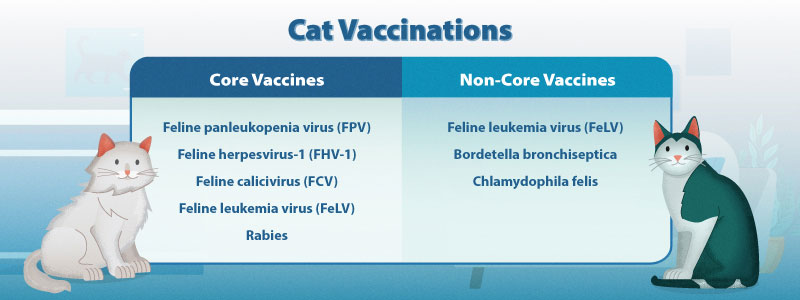
If you have a cat, you want to keep them safe and healthy. One question you might be asking is: Should cats get the leukemia vaccine, especially if they stay indoors and visit a groomer?
It’s a tricky decision because you want to protect your furry friend without giving unnecessary shots. This article will help you understand the risks and benefits, so you can make the best choice for your cat’s health. Keep reading to find out what vets say and what factors you should consider before deciding on the leukemia vaccine for your indoor cat.
Credit: triangleanimalclinic.com
Leukemia In Cats
Leukemia in cats is a serious viral disease that can affect their immune system and overall health. It’s caused by the feline leukemia virus (FeLV), which targets white blood cells, making cats vulnerable to infections and illnesses. Understanding this disease helps you make better decisions about protecting your indoor cat.
Causes And Transmission
The feline leukemia virus spreads mainly through close contact with infected cats. This includes grooming, sharing food bowls, and bite wounds. Kittens and cats with weak immune systems are especially at risk.
Indoor cats can still get exposed if another cat carrying the virus comes into the home or if you bring in items contaminated with saliva or blood. Do you carefully check the health status of new cats before introducing them to your home?
Symptoms To Watch For
Symptoms of leukemia in cats can be subtle at first and may include:
- Loss of appetite and weight
- Persistent fever
- Swollen lymph nodes
- Gum inflammation or mouth ulcers
- Difficulty breathing or pale gums
These signs might look like other illnesses, so regular vet check-ups are vital. Noticing these symptoms early can make a big difference in your cat’s treatment and comfort.
Risks For Indoor Cats
Many people assume indoor cats are safe from leukemia, but that’s not always true. If your indoor cat has contact with other cats who go outside or if you adopt a new cat without testing, the virus can enter your home.
Even a single exposure can pose a risk, so consider vaccination as a preventive step. How often do you evaluate your cat’s environment and potential risks? Taking these precautions can help keep your feline friend healthy and happy.
Leukemia Vaccine Basics
The leukemia vaccine protects cats from feline leukemia virus (FeLV). FeLV is a dangerous virus that affects a cat’s immune system. It spreads through saliva, blood, and close contact with other cats. Indoor cats have less risk but can still catch FeLV.
Understanding the basics of the leukemia vaccine helps pet owners decide on the best care. The vaccine helps the cat’s body fight the virus before it causes illness. Let’s explore how the vaccine works, its effectiveness, and possible side effects.
How The Vaccine Works
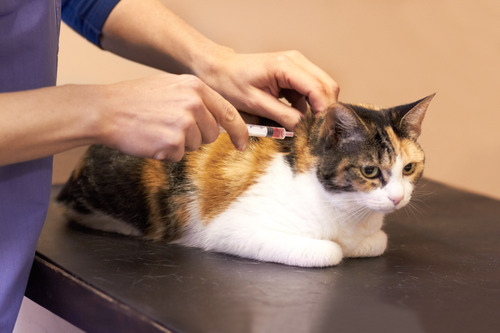
The vaccine trains the cat’s immune system to recognize FeLV. It introduces a small, safe part of the virus to the body. This does not cause disease but triggers the immune response. The cat produces antibodies that fight the real virus if exposed later.
Vaccine Effectiveness
The vaccine significantly lowers the chance of infection. It is most effective in healthy cats under one year old. Vaccinated cats have a stronger defense against FeLV. Boosters are needed to keep protection strong over time.
Possible Side Effects
- Mild swelling or soreness at the injection site
- Temporary tiredness or low energy
- Rare allergic reactions like itching or swelling
Most side effects are short-lived and mild. Serious reactions are very uncommon. Monitoring your cat after vaccination ensures quick care if needed.
Indoor Cats And Vaccination
Keeping your cat indoors might seem like the safest choice to protect them from diseases, including feline leukemia. However, the question of whether indoor cats need the leukemia vaccine isn’t always straightforward. Understanding the risks and options can help you make the best decision for your furry friend’s health.
Exposure Risks Indoors
You might think an indoor cat has zero risk of catching feline leukemia virus (FeLV), but that’s not always true. If your cat ever interacts with other cats—whether through open windows, visits to the vet, or even brief outdoor access—they could be exposed.
Additionally, FeLV can spread through shared food bowls or litter boxes if other cats have access to them. Even a single encounter with an infected cat can be enough to transmit the virus, so it’s important to consider all possible exposure points.
When Vaccination Is Recommended
Vaccinating an indoor cat against leukemia is often advised if there’s any chance they’ll come into contact with other cats. This includes multi-cat households where new cats might be introduced or if your cat occasionally visits a groomer or boarding facility.
Your veterinarian can help assess your cat’s lifestyle and exposure risk to decide if vaccination is necessary. Cats that never leave the home and have no contact with other cats might not need the vaccine, but careful evaluation is key.
Alternatives To Vaccination
If you decide against vaccination, you still have ways to reduce your cat’s risk of FeLV. Keeping your cat strictly indoors and maintaining a clean environment limits exposure significantly.
You can also test your cat regularly for FeLV, especially before introducing new cats into your home. This helps catch any infection early, giving you a better chance to manage their health.

Credit: millsanimalhospital.com
Role Of Groomers In Cat Health
The role of groomers in cat health goes beyond just making your feline friend look good. Groomers can help spot early signs of illness and maintain your cat’s overall well-being. Their actions can either protect your cat or expose them to potential risks, especially when it comes to contagious diseases like feline leukemia.
Hygiene Practices
Good hygiene during grooming is essential to keep your cat safe. Groomers should clean their tools and workstations regularly to prevent the spread of germs. You might want to ask if they sanitize combs, brushes, and grooming tables between pets.
Some groomers use disposable gloves and towels, which adds an extra layer of protection. If you notice any signs of dirt or leftover fur on their equipment, it’s okay to speak up. Your cat’s health depends on these small but important details.
Potential Exposure During Grooming
Even indoor cats can face risks during grooming sessions if other cats have contagious diseases. Groomers often handle multiple animals daily, which increases the chance of disease transmission. Knowing how your groomer manages this risk is crucial.
Ask about their policies for separating sick or new cats from healthy ones. Do they check each cat’s health history or vaccination status before grooming? Understanding this can help you decide if your cat needs the leukemia vaccine as an extra precaution.
Communicating With Your Groomer
Clear communication with your groomer is key to protecting your cat’s health. Share your concerns about feline leukemia and ask how they minimize infection risks. A good groomer will appreciate your questions and be transparent about their procedures.
Tell them if your cat has any health issues or special needs. This helps them adjust their grooming approach and watch for warning signs. Remember, your involvement can make grooming a safer and more positive experience for your cat.
Making The Vaccination Decision
Deciding whether to vaccinate your indoor cat against leukemia can be challenging. This decision involves considering various factors. Understanding these can help you make an informed choice.
Consulting Your Veterinarian
Your veterinarian is your best resource for vaccination advice. They understand your cat’s health history. Discussing your concerns with them is crucial. They can provide insights tailored to your cat’s needs.
Assessing Your Cat’s Lifestyle
Consider your cat’s daily environment. Does your cat interact with other animals? Think about exposure to outdoor spaces or other cats. These factors influence vaccination needs.
Weighing Benefits And Risks
Vaccines protect against serious diseases. Leukemia can be life-threatening. But vaccines may have side effects. Assess the benefits of prevention against potential risks. This balance is essential in decision-making.
Aftercare And Monitoring
After your cat receives the leukemia vaccine, careful aftercare and close monitoring become essential parts of the process. Your role doesn’t end at the vet’s office—watching your cat’s behavior and health closely helps catch any issues early. This attention ensures your feline friend stays safe and comfortable after vaccination.
Post-vaccine Care Tips
Keep your cat calm and indoors for at least 24 to 48 hours after the vaccine. Avoid any strenuous play or activities that might stress them out during this time.
Offer plenty of fresh water and a favorite treat to keep their spirits up. It’s normal for your cat to feel a little tired or have a mild fever, but these symptoms usually pass quickly.
If you notice any swelling or soreness at the injection site, gently applying a cool compress can provide relief. However, resist the urge to massage the area, as this could cause irritation.
Recognizing Adverse Reactions
Noticing how your cat reacts to the vaccine is key. Watch for symptoms like vomiting, diarrhea, difficulty breathing, or swelling beyond the injection site.
Some cats might develop hives or show signs of itching and discomfort. These reactions need prompt veterinary attention.
Ask yourself: Is my cat acting unusually withdrawn or aggressive? Changes in behavior can signal a problem.
Regular Health Checks
Routine vet visits remain important even after vaccination. Regular health checks help track your cat’s overall well-being and detect any early signs of illness.
Keep a health journal or notes on any changes you observe, especially after vaccines. This record can be invaluable during vet appointments.
Are you scheduling annual or bi-annual exams for your indoor cat? Staying consistent with these visits supports your cat’s long-term health.
Credit: www.diamondpet.com
Frequently Asked Questions
Should Indoor Cats Get The Leukemia Vaccine?
Indoor cats have a lower risk of leukemia but can still benefit from vaccination. It protects against accidental exposure to infected cats or outdoor environments.
Is The Leukemia Vaccine Safe For Indoor Cats?
Yes, the leukemia vaccine is generally safe for indoor cats. Side effects are rare and mild, such as soreness or mild fever.
How Often Should Indoor Cats Receive The Leukemia Vaccine?
Indoor cats typically need the leukemia vaccine initially and a booster after one year. After that, boosters are given every one to three years.
Can Indoor Groomers Transmit Cat Leukemia Virus?
Indoor groomers are unlikely to transmit the virus if proper hygiene is followed. The virus spreads mainly through bite wounds or close contact with infected cats.
Conclusion
Cats living indoors still face some risk of leukemia exposure. Vaccination can help protect your pet from serious illness. Talk to your vet about your cat’s lifestyle and health needs. Regular grooming and good hygiene reduce disease chances too. Keep your cat safe and healthy with smart choices.
Every pet deserves the best care you can give. Stay informed and make decisions that fit your cat’s life.




Leave a Reply