Is your older cat losing interest in toys? You’re not alone.
As cats age, they often slow down and seem less playful, but that doesn’t mean your furry friend can’t enjoy fun and games again. Getting your senior cat to play with toys can boost their mood, keep them active, and strengthen your bond.
You’ll discover simple, effective ways to spark your older cat’s curiosity and bring back the joy of playtime. Keep reading to find out how you can make play a part of your cat’s life once more.

Credit: www.purina.com
Reasons Older Cats Avoid Toys
Older cats often avoid toys for several reasons. Understanding these reasons helps to encourage play. Their behavior changes as they age. Play is less appealing or harder for them. Knowing what affects their interest in toys is key.
Changes In Energy Levels
Older cats have lower energy than young cats. They tire quickly and prefer resting. Sudden bursts of play feel too tiring. Their body slows down naturally with age. They may enjoy gentle play but avoid active toys.
Health And Mobility Issues
Health problems affect older cats’ movement. Joint pain or arthritis can make play painful. Vision or hearing loss may reduce interest in toys. Cats with mobility issues find chasing toys hard. Toys that require less movement work better.
Preference For Familiarity
Older cats prefer what they know well. New toys may seem strange or scary. They like familiar smells and textures. Sudden changes in their environment stress them. Offering toys similar to old favorites helps.
Choosing The Right Toys
Choosing the right toys is key to getting an older cat interested in play. Older cats may have different needs than younger ones. Their joints might hurt, or their energy may be lower. Toys that match their abilities and interests can encourage fun and movement without stress.
Consider toys that are easy to handle and gentle on your cat’s paws. Toys that spark curiosity and mimic natural hunting habits can also work well. The goal is to make playtime enjoyable and safe for your older cat.
Soft And Lightweight Options
Soft toys are gentle on aging teeth and gums. Lightweight toys are easy to bat and carry. These toys prevent discomfort during play. Look for plush mice or small fabric balls. Avoid hard or noisy toys that may scare your cat.
Interactive And Stimulating Toys
Interactive toys keep your cat mentally active. Toys with moving parts or sounds can spark interest. Puzzle feeders or treat dispensers also stimulate the mind. These toys encourage gentle exercise and problem-solving. They help keep your cat alert and engaged.
Toys That Mimic Prey
Older cats often respond to toys that look like prey. Feathers, small rodents, or insects can attract their attention. Toys on strings or with fluttering parts mimic real prey movements. They trigger natural hunting instincts in a low-impact way. This makes play exciting without tiring your cat too much.
Creating A Play-friendly Environment
Creating a play-friendly environment is key to encouraging your older cat to engage with toys. Older cats often need spaces that feel safe and inviting to spark their curiosity. Adjusting your home to meet their comfort and accessibility needs can make all the difference.
Quiet And Comfortable Spaces
Older cats tend to avoid noisy or busy areas. Choose a calm corner or a cozy nook where your cat can relax without distractions. Soft bedding or a familiar blanket can help your cat feel more secure and open to play.
I noticed my senior cat only showed interest in toys when she was in her favorite quiet spot by the window. That peaceful setting helped her focus and enjoy her playtime.
Think about how noise and activity levels affect your cat’s mood. Could reducing background sounds or moving toys to a quieter room encourage your cat to play more?
Safe And Accessible Play Areas
Older cats may have limited mobility or arthritis, so make sure play areas are easy to reach and free of obstacles. Avoid high places or tight spaces where your cat might struggle to jump or climb.
Keep toys within easy reach on the floor or low surfaces. Use lightweight toys that are easy to bat around without causing strain.
Observe your cat’s movements. Does she avoid certain areas or toys because they’re hard to access? Adjusting the setup to her comfort can invite more interaction with toys.

Credit: www.reddit.com
Encouraging Play Gradually
Getting your older cat to play with toys requires patience and a gentle approach. Sudden changes or overly long playtimes can overwhelm your feline friend, especially if they haven’t been active for a while. Encouraging play gradually helps your cat build interest and confidence without stress.
Using Treats And Positive Reinforcement
Treats are powerful motivators. Offer small, tasty rewards when your cat shows any interest in toys. This positive reinforcement helps them associate playtime with something enjoyable.
Try placing a treat near a toy or gently encouraging your cat to touch it before giving the reward. Over time, your cat will start to explore toys on their own, knowing good things come from playing.
Short And Frequent Play Sessions
Older cats may tire quickly, so keep play sessions short but frequent. Aim for 5 to 10 minutes several times a day instead of a long 30-minute session. This approach respects their energy levels and keeps playtime fun.
Notice how your cat reacts—if they lose interest or seem tired, it’s time to stop. Regular, brief play encourages steady engagement without pressure.
Involving Yourself In Play
Your presence can make all the difference. Use toys that allow you to interact together, like feather wands or laser pointers. This invites your cat to engage in play while feeling safe and connected to you.
Try moving the toy slowly at first to catch their attention. Your involvement shows your cat that play is a shared and rewarding experience, boosting their willingness to participate.
Adapting To Your Cat’s Preferences
Observe which toys catch your cat’s eye and offer gentle encouragement. Change toys often to keep interest fresh and match their mood. Patience helps older cats enjoy playtime at their own pace.
Adapting to your older cat’s preferences when it comes to playing with toys can be a rewarding journey. You might wonder why your cat shows little interest in toys it once loved or why it seems indifferent to new ones. Understanding and adapting to your cat’s unique likes and dislikes can transform playtime into a joyful experience for both of you.Observing Favorite Toys And Activities
Pay attention to the toys your cat naturally gravitates towards. Is it a feather wand, a crinkly ball, or a plush mouse? Once, my older cat completely ignored a new toy until I realized he preferred the texture of an old, worn-out one. Observe if your cat shows interest in certain activities, like chasing or pouncing. Cats often have a distinct play style. Does your cat enjoy swatting or batting at objects? Tailor your toy selection to match these preferences and spark that playful spirit.Respecting Mood And Energy Fluctuations
Older cats have their own rhythm. Some days, your cat might be energetic, while other times, it just wants to nap. Respect these mood swings. Invite your cat to play when it’s naturally more active. Early morning or late evening might be ideal times. If your cat seems uninterested, try again later rather than forcing the interaction. This flexibility helps maintain a positive association with toys and playtime. Have you ever noticed how a relaxed approach encourages more engagement? Sometimes stepping back can lead to more fun.Addressing Health Concerns
Getting your older cat to play with toys can feel like a challenge, especially if health issues are holding them back. Addressing these concerns first can make a big difference in their willingness and ability to engage. Understanding your cat’s physical condition is key to helping them find joy in play again.
Regular Vet Check-ups
Regular vet visits are crucial for spotting any hidden health problems that might affect your cat’s activity level. Cats often hide discomfort, so only a professional can identify issues like dental pain or organ trouble early. Have you noticed your cat avoiding toys suddenly? A vet check can help pinpoint why.
Managing Pain And Arthritis
Pain, especially from arthritis, is a common reason older cats stop playing. Simple signs like limping or stiffness can mean your cat needs help managing discomfort. Your vet can suggest treatments or medications that reduce pain, making it easier for your cat to move and enjoy toys again.
Diet And Exercise For Vitality
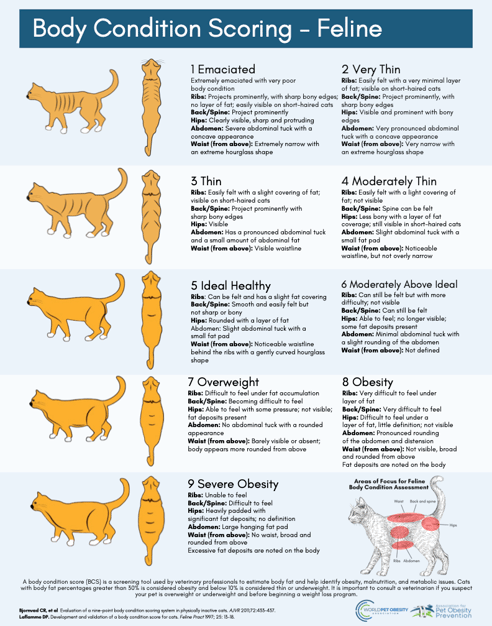
Good nutrition supports your cat’s energy and overall health, which plays a big role in their interest in play. Feeding a balanced diet designed for older cats can improve vitality and joint health. Pair this with gentle, regular exercise to keep muscles strong—have you tried short play sessions to encourage movement without overwhelming your cat?
Credit: www.preventivevet.com
Frequently Asked Questions
How Can I Encourage My Older Cat To Play With Toys?
Offer interactive toys and play gently to match their energy. Use treats and praise to motivate participation. Rotate toys regularly to keep interest high.
What Types Of Toys Suit Senior Cats Best?
Soft, lightweight toys like feather wands or plush mice are ideal. Avoid noisy or fast-moving toys that may scare them. Choose toys that stimulate natural hunting instincts.
How Often Should I Engage My Older Cat In Play?
Daily play sessions lasting 5 to 10 minutes help maintain activity. Short, frequent sessions prevent fatigue and keep them interested. Consistency improves their physical and mental health.
Can Certain Toys Improve My Older Cat’s Health?
Yes, toys that encourage gentle exercise promote joint health. Puzzle feeders stimulate their mind and reduce boredom. Active play supports weight management and overall wellbeing.
Conclusion
Getting your older cat to play with toys takes patience and care. Choose toys that match their energy and interests. Play in short sessions to keep them engaged. Use treats or gentle encouragement to spark curiosity. Remember, every cat is different and moves at its own pace.
Keep trying and enjoy the moments you share. Play helps keep your cat happy and healthy. A little effort can bring big smiles and fun.




Leave a Reply