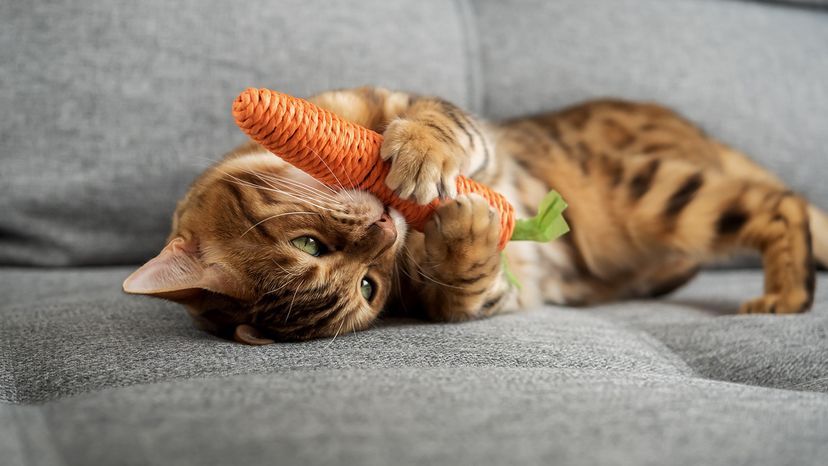
Have you ever noticed your old cat suddenly getting affectionate or even amorous with a toy? It might seem strange or even a little funny, but there’s more to this behavior than meets the eye.
If you’re wondering why your senior feline shows this unexpected side, you’re not alone. Understanding what’s behind your cat’s actions can help you connect better with your furry friend and care for them in the best way possible. Keep reading to uncover the surprising reasons why your old cat acts this way and what it means for their health and happiness.

Credit: www.petscare.com
Changes In Senior Cat Behavior
As your cat ages, you might notice changes in their behavior that seem puzzling. Senior cats often act differently, showing new habits or preferences. Understanding these shifts helps you respond with patience and care, improving your cat’s comfort and your bond.
Hormonal Shifts In Aging Cats
Just like humans, cats experience hormonal changes as they grow older. These shifts can affect their mood and behavior, including increased affection or unusual attachments. Your old cat’s amorous behavior with a toy might be a way to express lingering instincts or hormonal impulses.
Spaying or neutering influences hormone levels, but some hormonal activity remains. This can explain why your senior cat might suddenly show interest in objects as if they were companions. Have you noticed if this behavior spikes at certain times or after specific events?
Increased Attachment To Comfort Objects
Older cats often seek comfort to cope with aging challenges like reduced mobility or sensory decline. Toys can become a source of security, much like a child’s favorite blanket. Your cat may cuddle or nuzzle a toy to feel safe and calm.
This attachment is a coping mechanism, not just playfulness. You might see your cat returning repeatedly to the same toy, treating it as a companion or stress reliever. Consider offering soft, familiar toys to help your cat feel more at ease during their senior years.
Credit: animals.howstuffworks.com
Role Of Toys In Emotional Well-being
Toys play a key role in the emotional well-being of older cats. They offer comfort and mental stimulation. Older cats may form strong bonds with their toys as a source of security. Toys can also help reduce stress and encourage playful behavior. Understanding this can explain why your old cat acts amorous toward a toy.
Toys As Sources Of Security
Older cats often seek comfort in familiar objects. Toys can become a safe space for them. These toys smell familiar and provide a sense of calm. They help cats feel less lonely or anxious. Holding or rubbing against a toy can mimic social bonding. This security helps cats cope with changes in their environment or health.
Stress Relief Through Play
Play is important for emotional health, even for old cats. Toys encourage gentle activity that releases happy hormones. This helps lower stress and anxiety levels. Play also distracts cats from discomfort or boredom. Engaging with toys keeps their minds sharp and bodies active. It offers a positive outlet for energy and emotions.
Health Factors Influencing Affection
Health plays a big role in why older cats show more affection to toys. Changes inside their bodies and minds can affect how they act. Aging cats may turn to toys for comfort and attention. Understanding these health factors helps explain this behavior.
Impact Of Cognitive Decline
Older cats can suffer from cognitive decline, similar to dementia in humans. This can cause confusion and memory loss. They may forget usual ways to show affection. Toys become a safe way to express feelings and reduce stress. Cognitive decline can make cats seek comfort in familiar objects.
Effects Of Medical Conditions
Medical problems also influence how cats behave with toys. Pain or discomfort may make a cat less active with people. Toys offer a less demanding way to interact and feel good. Conditions like arthritis or dental issues can limit a cat’s energy. Toys help keep the cat engaged without causing pain.
Mating Instincts And Toy Interaction
Understanding why your older cat suddenly acts amorous with a toy can be puzzling. It often ties back to their deep-rooted mating instincts and how these instincts interact with objects in their environment. Even as cats age, these natural drives don’t just disappear; they find new outlets, sometimes in unexpected ways.
Residual Sexual Behaviors
Older cats may still carry residual sexual behaviors, especially if they were not neutered early. These behaviors can include rubbing, mounting, or vocalizing, which might be directed toward toys instead of other cats. Your cat’s toy can become a stand-in for a mate, satisfying these lingering urges.
Have you noticed your cat’s favorite toy getting more attention than usual? This often happens because the toy provides a safe, non-threatening outlet for expressing those instincts. It’s a way for your cat to relieve built-up energy or frustration without causing harm.
Redirected Mating Drives
Your cat’s mating drives don’t just vanish; they often get redirected toward available objects when no real partner is around. Toys, especially soft or plush ones, can mimic the feel or movement of another cat, triggering your pet’s natural behaviors. This redirection is a coping mechanism rather than a sign of distress.
Consider how your cat interacts with the toy—are they biting, kneading, or purring? These actions reflect redirected instincts seeking satisfaction. Understanding this can help you provide better outlets, like interactive playtime or new types of toys, to keep your cat engaged and happy.
Behavioral And Environmental Triggers
Old cats may act amorous with toys due to memories linked to past behaviors. Changes in their environment or routine can also trigger this playful affection. Such actions often reflect comfort or stress relief rather than real mating intent.
Cats often exhibit behaviors that puzzle their owners. An old cat getting amorous with a toy can seem odd. Understanding the behavioral and environmental triggers can help. These triggers often influence your cat’s actions. Let’s dive deeper into some common reasons.Loneliness And Boredom
Cats are social creatures. They may seem independent, yet they need interaction. An old cat might feel lonely if left alone often. This feeling can lead them to seek companionship. Toys become substitutes for this lack of interaction. They provide comfort, mimicking the presence of another being. Boredom also plays a key role. Without enough stimulation, a cat may turn to toys for amusement. Interactive playtime can greatly help. It not only entertains but also strengthens your bond.Changes In Routine Or Environment
Cats thrive on routine. Any change can unsettle them. A shift in daily activities can cause stress. Moving to a new home or rearranging furniture might trigger behaviors. An old cat might turn to toys for a sense of familiarity. They offer a constant in a world of change. Even small changes, like new scents, can affect them. Providing a stable environment reassures your feline friend. Keep changes gradual whenever possible.Tips For Managing Amorous Behavior
Managing your older cat’s amorous behavior can feel tricky, especially when the signs come as a surprise. Understanding how to guide this behavior positively helps maintain harmony in your home and keeps your cat comfortable. Here are some practical tips to help you handle these moments with care and confidence.
Providing Appropriate Outlets
Your cat needs a safe and satisfying way to express their feelings. Offering specific toys designed for interactive play can redirect their energy. Soft, plush toys or catnip-filled options often catch their interest and provide a healthy outlet.
Try rotating different toys regularly to keep your cat engaged and curious. You might notice your cat prefers certain textures or sizes—use this to your advantage. Have you observed which toys your cat goes back to repeatedly?
Consulting A Veterinarian
If your cat’s amorous behavior seems sudden or unusually intense, a vet visit is a smart move. Sometimes, hormonal changes or health issues can trigger these actions. Your veterinarian can help identify underlying causes and suggest treatments or behavioral strategies.
Discuss whether spaying or neutering might benefit your cat if not already done. Medical advice can also guide you on managing stress or discomfort that might be influencing behavior. Don’t hesitate to ask questions; your vet is a crucial ally in your cat’s well-being.
Enhancing Enrichment
Keeping your cat mentally and physically stimulated reduces excess energy that might lead to amorous behavior. Introduce puzzle feeders, climbing trees, or new play routines to challenge your cat. This keeps their mind sharp and body active.
Spend time daily engaging in interactive play sessions. This strengthens your bond and provides a positive focus. How can you adjust your cat’s environment today to make it more exciting and fulfilling?
Credit: www.petscare.com
Frequently Asked Questions
Why Does My Old Cat Show Affection To Toys?
Older cats may seek comfort and companionship from toys. Toys provide stimulation and help reduce loneliness in aging cats. This behavior is normal and shows their need for interaction and security.
Is It Normal For Senior Cats To Be Amorous With Toys?
Yes, senior cats can develop attachments to toys. Toys offer mental engagement and simulate hunting instincts. This behavior helps them stay active and emotionally satisfied.
Can Toys Replace Real Feline Companionship For Old Cats?
Toys can partially substitute companionship but do not replace real interactions. They help alleviate boredom and stress but social contact remains important for cats’ well-being.
What Types Of Toys Attract Old Cats The Most?
Soft, plush toys or ones with catnip often attract older cats. Toys that mimic prey movements also engage their hunting instincts. Choose safe, comfortable toys for your senior cat.
Conclusion
Old cats may act amorous with toys for comfort and fun. This behavior shows their natural instincts and desire for attention. Toys help them stay active and happy even as they age. Understanding this helps you care better for your furry friend.
Keep providing safe toys and gentle playtime. Your cat’s unique habits make them special. Enjoy these moments—they bring joy and companionship. Caring for an old cat means patience and love every day.




Leave a Reply