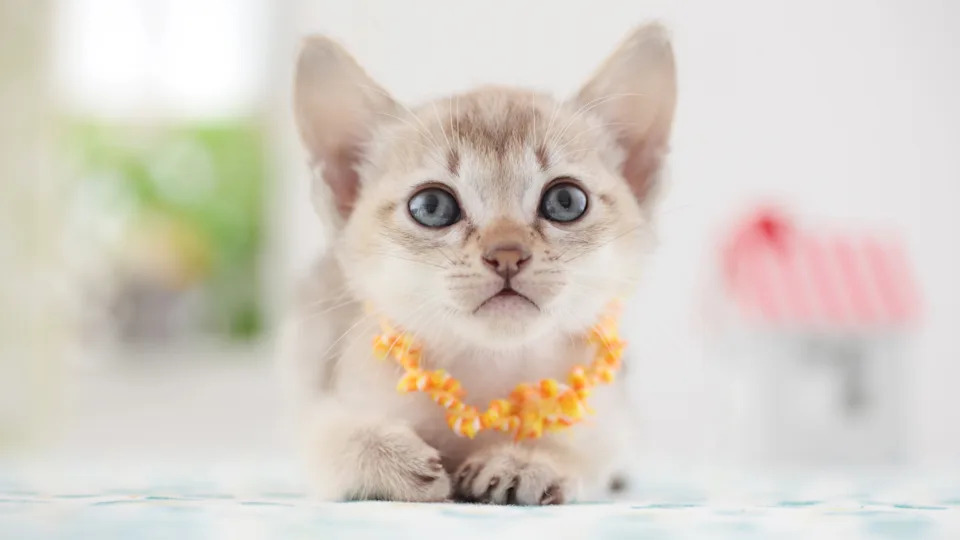
Are you thinking about adding a furry friend to your home? Before you choose your new cat, it’s important to know that not all cat breeds are easy to care for.
Some require more time, patience, and special attention than others. If you want to avoid surprises and make sure you’re ready for the challenge, you need to find out which cat breeds are the hardest to take care of. Keep reading to discover the truth—it could save you from a lot of stress and help you find the perfect companion for your lifestyle.
Credit: www.petsradar.com
Traits That Make Cats Challenging
Some cat breeds come with traits that can make caring for them a real challenge. These traits often demand more time, patience, and resources than the average cat requires. Understanding these characteristics helps you decide if you’re ready to meet their unique needs.
High Energy Levels
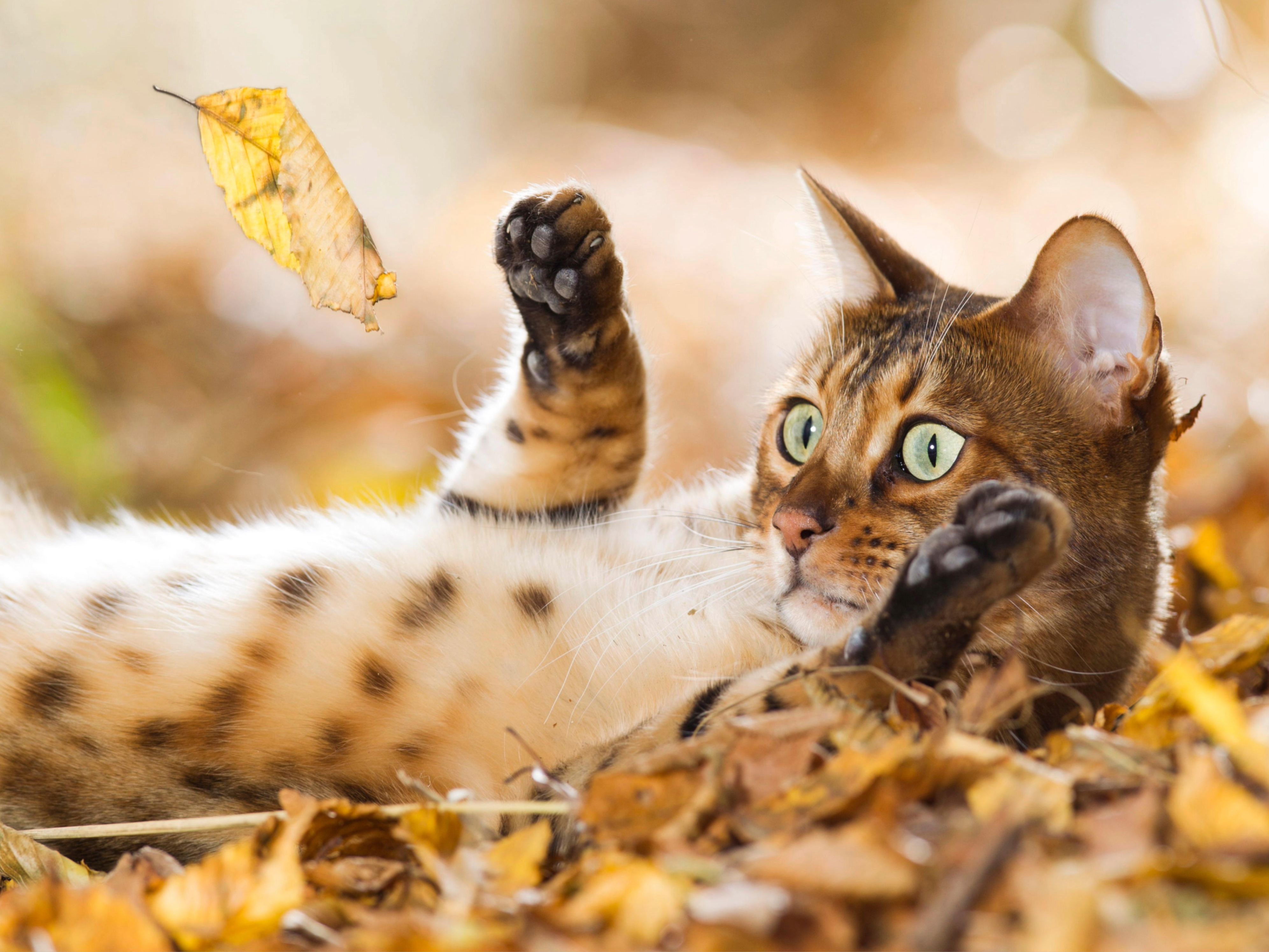
Certain breeds, like the Bengal or Abyssinian, have boundless energy. They need plenty of playtime and mental stimulation to stay happy. Without it, you might find your furniture scratched or your belongings knocked over.
Are you prepared to dedicate time every day to interactive play? If not, these active cats may become frustrated or even develop behavior problems.
Special Dietary Needs
Some cats require specific diets due to allergies, sensitivities, or breed-related health issues. For example, Siamese cats can be prone to digestive problems that need tailored nutrition.
Meeting these dietary needs means careful meal planning and possibly higher costs. Do you have the commitment to manage special feeding routines and monitor your cat’s health closely?
Grooming Requirements
Long-haired breeds like Persians or Maine Coons need daily brushing to prevent mats and hairballs. Neglecting grooming can lead to skin issues and discomfort for your cat.
Are you ready to make grooming a regular part of your routine? It’s not just about aesthetics; it’s essential for their well-being.
Temperament And Behavior
Some cats have strong personalities that can be challenging to handle. Breeds like the Sphynx or Scottish Fold may be affectionate but also very demanding or prone to anxiety.
Understanding your cat’s behavior helps you create a supportive environment. Can you adapt your lifestyle to meet their emotional needs and avoid stress triggers?
Credit: worldanimalfoundation.org
Most Demanding Cat Breeds
Some cat breeds require more time, attention, and care than others. These demanding breeds can challenge even the most experienced cat owners. Understanding their unique needs can help you decide if you’re ready to welcome one into your home.
Sphynx
The Sphynx stands out with its hairless body, but that comes with special care. Their skin needs regular bathing to remove oils that would usually be absorbed by fur. You’ll also need to protect them from cold weather since they lack a natural coat.
Are you prepared to give your cat daily skin care and keep your home warm enough? These cats often crave human attention, so be ready for a lot of social interaction.
Bengal
Bengals are energetic and intelligent, requiring plenty of stimulation. Without enough activity, they can become bored and destructive. You’ll need to invest in interactive toys and playtime to keep them happy and healthy.
Do you have the time and energy to match a Bengal’s high activity level? Their strong hunting instincts also mean they might try to chase smaller pets or break household items.
Siamese
Siamese cats are vocal and emotionally demanding. They want constant companionship and may become stressed if left alone for long periods. Their social nature means they thrive in homes where someone is frequently present.
Can you provide the attention a Siamese needs without feeling overwhelmed? Their talkative behavior might surprise you, as they often “chat” with their owners throughout the day.
Persian
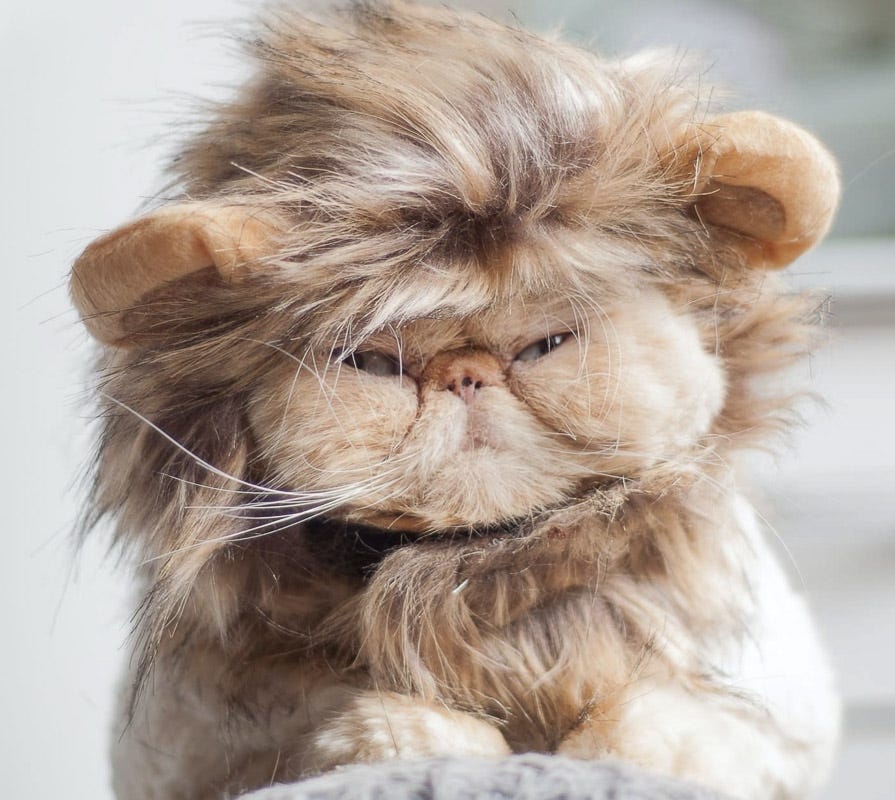
Persians are beautiful but require daily grooming due to their long, thick coats. Neglecting their fur can lead to painful mats and skin problems. Their calm temperament doesn’t mean low maintenance—they still need regular vet visits and a clean environment.
Are you ready to commit to daily brushing and regular eye cleaning? Their flat faces can also cause breathing issues, so monitoring their health is essential.
Scottish Fold
Scottish Folds are known for their unique folded ears, but this feature can bring health challenges. Ear infections and cartilage problems are common, so regular vet checks are necessary. They also need a balanced diet and mental stimulation to avoid boredom.
How comfortable are you with managing potential medical needs over your cat’s lifetime? Their gentle personality makes them great companions, but they still require dedicated care.
Care Tips For Challenging Breeds
Taking care of challenging cat breeds requires special attention and care. Each breed has unique needs that must be met to keep them happy and healthy. Understanding these needs helps avoid stress for both the cat and owner. Below are essential care tips for some of the most demanding cat breeds.
Meeting Exercise Needs
Active breeds need daily physical activity to stay healthy. Provide climbing trees and interactive toys. Play sessions help release energy and prevent boredom. Short, frequent playtimes work best for cats with high energy. Engage your cat with wand toys or laser pointers. Offer puzzles that challenge their minds and bodies.
Managing Grooming Routines
Long-haired breeds require regular brushing to avoid mats and tangles. Use a wide-toothed comb or slicker brush for best results. Grooming also reduces shedding and hairballs. Bathe your cat only if necessary, using cat-safe shampoo. Check ears and trim nails every two weeks. Maintain cleanliness to avoid infections and discomfort.
Providing Proper Nutrition
Choose high-quality food suited to your cat’s breed and age. Some breeds need diets rich in protein and low in carbs. Fresh water should always be available. Monitor weight closely to prevent obesity. Offer small, frequent meals to support metabolism. Avoid giving human food that may harm your cat.
Handling Behavioral Issues
Some breeds show strong territorial or social behaviors. Be patient and consistent with training. Provide safe spaces where your cat can relax alone. Use positive reinforcement to encourage good behavior. Redirect unwanted actions with toys or distractions. Consult a vet or behaviorist for serious problems.
Credit: thediscerningcat.medium.com
When To Choose A Low-maintenance Cat
Choosing the right cat breed goes beyond looks and personality. Your daily routine, energy levels, and available time play a huge role in how well you can care for your feline friend. Understanding when to opt for a low-maintenance cat can save you stress and ensure a happier home for both you and your pet.
Assessing Your Lifestyle
Before picking a cat, take a close look at your schedule. Are you often away for work or travel? Do you have energy left to engage with a demanding pet after a long day? Cats that require less grooming and attention fit better into busy or unpredictable lifestyles.
Think about your home environment as well. Do you live alone, or are there multiple people around? Some cats thrive on constant interaction, while others are content being more independent. Matching your lifestyle with a cat’s needs prevents frustration and promotes a strong bond.
Breeds With Easy Care
Some cat breeds naturally demand less upkeep, making them perfect for those seeking simplicity. Breeds like the British Shorthair, American Shorthair, and Russian Blue have short coats that need minimal grooming. Their calm and adaptable nature also reduces the need for constant attention.
Another breed to consider is the Scottish Fold, known for its low-maintenance coat and gentle temperament. These cats usually groom themselves well and don’t require frequent baths or trimming. Choosing such breeds means less time spent on routine care and more on enjoying your pet’s company.
Benefits Of Low-maintenance Pets
Low-maintenance cats offer more than just easier care—they fit smoothly into your life, reducing stress and time commitment. You can focus on other priorities without feeling guilty about neglecting your pet’s needs. Plus, these cats often adapt well to changes, making travel or sudden schedule shifts less disruptive.
Imagine coming home after a long day to a cat that is happy to relax alongside you without demanding constant play. Doesn’t that sound like a perfect balance? A low-maintenance cat gives you companionship without overwhelming your daily routine.
Frequently Asked Questions
Which Cat Breed Is The Hardest To Take Care Of?
The Siamese cat is often considered the hardest to care for. They need constant attention and mental stimulation. Their vocal nature and sensitivity require patient, experienced owners. Without proper care, they may develop behavioral issues.
Why Are Sphynx Cats Challenging To Maintain?
Sphynx cats need regular bathing due to their lack of fur. Their skin can get oily and dirty quickly. They also require temperature regulation, as they get cold easily. This breed demands extra grooming and care compared to others.
What Makes Persian Cats Difficult Pets?
Persian cats require daily grooming to prevent matting. Their flat faces cause breathing problems and eye issues. Persians need a calm environment and regular vet visits. These factors make them a high-maintenance breed.
Do Bengal Cats Need Special Care?
Yes, Bengal cats are active and intelligent, needing lots of play. They require stimulation to prevent boredom and destructive behavior. Bengals also need a secure environment and social interaction for happiness.
Conclusion
Choosing a cat breed means thinking about care needs first. Some breeds need more time and effort daily. They may require special grooming or attention. Owning a difficult cat can be rewarding but also challenging. Know what you can handle before adopting.
This helps your cat stay happy and healthy. Care matters most for a good pet-owner bond. Remember, every cat is unique, no matter the breed. Choose wisely and enjoy your feline friend’s company.




Leave a Reply