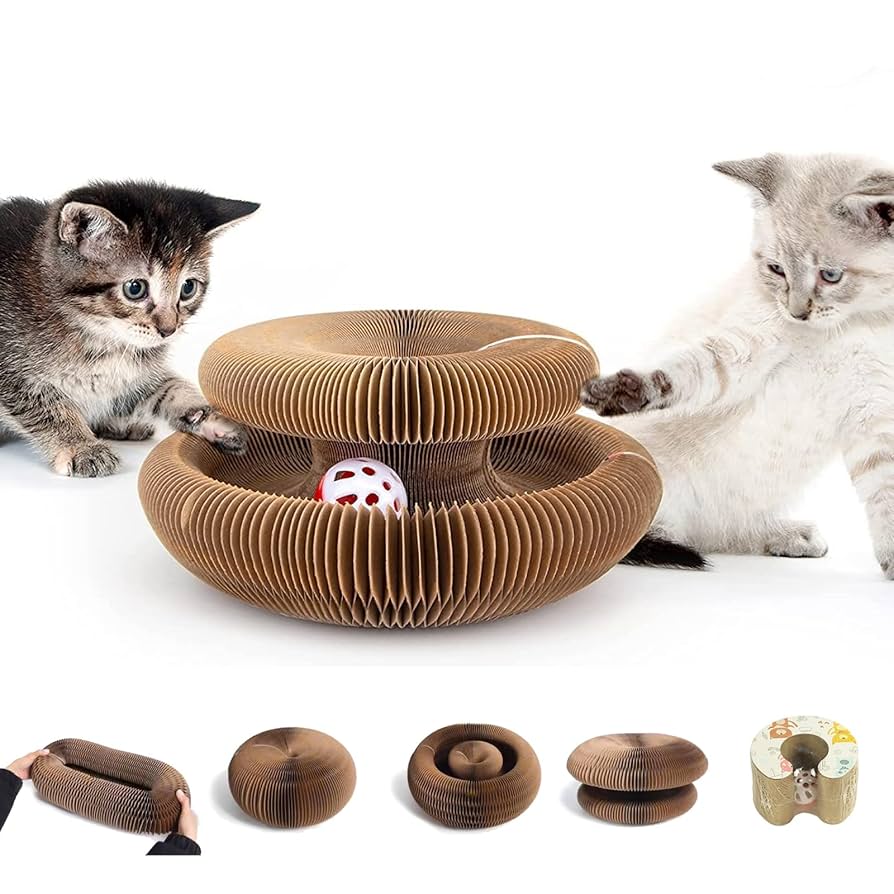
Are you looking for a fun and safe way to keep your cat entertained? Making a wood cat toy might be just what you need.
It’s simple, affordable, and you can customize it to match your cat’s favorite games. Imagine watching your furry friend pounce and play with a toy you crafted yourself. In this guide, you’ll discover easy steps to create a durable and engaging wooden toy that your cat will love.
Ready to bring more joy and activity into your pet’s life? Let’s get started!
Choosing The Right Wood
Choosing the right wood is the foundation of making a safe and enjoyable cat toy. The wood you pick affects not only your cat’s health but also how much they’ll love their new plaything. It’s important to know which types are safe, which to avoid, and how to find materials that are good for the environment and your pet.
Safe Wood Types For Cats
Some woods are naturally safer for cats because they don’t contain harmful oils or toxins. Maple, birch, and untreated pine are popular choices. These woods are smooth, non-toxic, and less likely to splinter, making them perfect for your cat’s claws and teeth.
I once tried making a toy from cedar, thinking its smell would be nice. My cat avoided it completely—turns out cedar oil can be irritating. Choosing safe woods like untreated maple ensures your cat will actually want to play with the toy.
Avoiding Toxic Woods
Some woods release oils that are toxic to cats, so it’s crucial to avoid them. Woods like cedar, walnut, and yew can cause allergic reactions or poisoning if your cat chews on them. Even small amounts of these woods can be dangerous, so steer clear entirely.
Always check if the wood is treated with chemicals or stains; these can be even more harmful than the wood itself. If you’re unsure, test a small piece first or consult a pet expert before crafting the toy.
Sourcing Sustainable Materials
Choosing wood that is sustainable benefits both your pet and the planet. Look for reclaimed wood or pieces from responsibly managed forests. This reduces waste and ensures you’re not contributing to deforestation.
Local woodworking shops often have scrap wood that’s perfect for small projects like cat toys. Sourcing locally also means fresher materials and less environmental impact from transportation. Would you feel better knowing your cat’s toy helps protect the environment?

Credit: www.amazon.com
Essential Tools And Materials
Creating a wooden cat toy starts with gathering the right tools and materials. Having the essentials ready makes the process smoother and safer for both you and your furry friend. Let’s look at what you need to bring your idea to life.
Basic Woodworking Tools
You don’t need a full workshop, but a few key tools will make your work easier and more precise. A handsaw or a small jigsaw helps cut shapes cleanly. Sandpaper or a sanding block is essential to smooth any rough edges that could hurt your cat.
A drill with different bit sizes lets you add holes for strings or attachments. Clamps can hold the wood steady while you work, reducing accidents. If you have a small workbench, it keeps everything organized and within reach.
Non-toxic Finishes And Paints
Since your cat will be chewing and scratching the toy, safety is a priority. Choose water-based, non-toxic paints and finishes labeled safe for children or pets. These finishes protect the wood and add color without harmful chemicals.
Natural oils like mineral oil or beeswax can also seal the wood without toxicity. Avoid sprays or varnishes that contain solvents, as these might irritate your cat’s nose or skin. Always let the finish dry completely before giving the toy to your cat.
Additional Craft Supplies
Beyond wood and tools, some craft supplies can make your toy more fun and interactive. Strong cotton or jute twine works well for attaching feathers or bells. Small bells, feathers, or pom-poms add sensory interest for your cat.
Hot glue is handy for attaching lightweight decorations quickly, but use it sparingly and ensure no residue is left where your cat can chew. Think about the textures and sounds your cat enjoys, and pick supplies that encourage playful engagement.
Simple Wood Cat Toy Designs
Simple wood cat toy designs bring joy to cats with natural materials. These toys are safe, durable, and easy to make at home. Wood appeals to cats because it feels solid and natural under their paws. Crafting toys from wood also helps reduce plastic waste.
Each toy design focuses on stimulating different cat instincts. Some encourage hunting, others problem-solving or playing with feathers. These toys keep cats active and entertained for hours.
Wooden Mouse Toy
Create a small wooden mouse to mimic prey. Use a smooth piece of wood shaped like a mouse. Paint it with non-toxic colors or leave it natural. Attach a cotton tail or small feather for extra fun. Cats love to chase and bat this simple toy.
Interactive Cat Puzzle
Make a wooden puzzle to challenge your cat’s mind. Cut several small boxes or compartments in wood. Hide treats inside to encourage problem-solving. Your cat will learn to open the boxes with paws or nose. This toy improves focus and reduces boredom.
Dangling Feather Wand
Combine wood and feathers for a playful wand toy. Use a wooden stick as the wand handle. Tie colorful feathers at the end with string or leather strips. Move the wand slowly to simulate bird movements. Cats enjoy jumping and swatting at the feathers.
Step-by-step Crafting Guide
Creating a wooden cat toy can be a fun and rewarding project. It’s not just about making something cute; it’s about crafting a safe, durable, and engaging toy for your furry friend. Here’s a detailed guide to help you through the process, breaking down each stage into manageable steps.
Measuring And Cutting Wood
Start by selecting the right type of wood—softwoods like pine are gentle on your cat’s claws and easy to work with. Measure carefully to ensure the toy will be the right size for your cat to bat around or carry.
Use a ruler and pencil to mark your cuts clearly. Precision matters here; uneven pieces can lead to instability or sharp edges. Cut slowly with a saw, keeping safety in mind to avoid splinters or rough surfaces.
Sanding And Smoothing Edges
After cutting, your wood pieces will likely have rough spots. Sand each edge thoroughly with fine-grit sandpaper to create a smooth, safe surface. This step is crucial to prevent your cat from getting splinters while playing.
Don’t rush—spend extra time on corners and curves. Run your fingers over the wood to feel for any roughness you might have missed. If you notice any sharp points, sand them down until they’re rounded.
Assembling And Decorating
Now, it’s time to put your toy together. Use non-toxic glue or small screws to join the pieces securely. Make sure everything fits tightly and there’s no chance of parts coming loose during play.
Decorate the toy with pet-safe paint or natural finishes. Avoid anything toxic or with strong scents. Adding feathers, bells, or strings can make your toy more exciting, but double-check that all attachments are secure to keep your cat safe.
Safety Tips For Diy Toys
Creating a wood cat toy requires careful attention to safety. Use non-toxic materials and smooth all rough edges to prevent injuries. Always supervise your pet while they play to ensure their safety.
Creating DIY wooden cat toys can be a fun project. But ensuring your pet’s safety is key. While crafting these toys, certain precautions are necessary to keep your furry friend safe. Paying attention to details can prevent accidents and ensure hours of safe play. Below are some crucial safety tips for making wooden cat toys.Checking For Sharp Edges
Inspect the toy thoroughly after crafting. Check for any sharp edges or splinters. Cats love to play rough, and sharp edges can cause injuries. Sand down any rough areas. Use fine sandpaper to smooth the surface. This ensures a safe playtime for your cat.Using Pet-safe Materials
Choose non-toxic wood for your toy. Avoid using woods treated with chemicals. Opt for natural, untreated wood. Use non-toxic glue if needed. Ensure any paint or finish is pet-safe. Cats often chew on toys, so safety is crucial.Regular Toy Maintenance
Regularly inspect the toy for wear and tear. Check for loose parts or splinters. Repair or replace the toy if needed. Clean the toy to prevent bacteria buildup. A well-maintained toy lasts longer and keeps your cat safe.Customizing Toys For Your Cat
Customizing wood cat toys lets you tailor playtime to your cat’s unique preferences. A toy that suits their personality keeps them engaged longer and strengthens your bond. Small changes can make a big difference in how much your cat enjoys their new wooden plaything.
Incorporating Catnip
Adding catnip to your wooden toy can instantly boost its appeal. You can carve small holes or grooves into the wood and fill them with dried catnip. Sealing the catnip inside with a bit of natural beeswax helps keep the scent fresh for weeks.
If your cat is sensitive to catnip, consider using silvervine or valerian root instead. These alternatives offer similar stimulation without overwhelming your feline friend. Have you noticed how certain scents spark your cat’s curiosity more than others?
Adjusting Size And Shape
Not all cats like the same size or shape of toys. Some prefer small, lightweight pieces they can bat around, while others enjoy larger, sturdier toys to wrestle with. Try cutting the wood into different shapes like balls, fish, or simple blocks to see what your cat prefers.
Think about your cat’s age and energy level. A kitten might enjoy a smaller, easier-to-carry toy, while an older cat might need something larger for slower play. Watch your cat’s reactions closely to fine-tune the size and shape for maximum fun.
Adding Interactive Elements
Interactive features make wooden toys more stimulating and keep your cat entertained for longer periods. You can attach feathers, bells, or strings to the wood to add movement and sound. These extras encourage your cat to chase and pounce, mimicking natural hunting behavior.
Try making parts of the toy movable, like a swinging wooden arm or a spinning disk. These dynamic elements surprise your cat and hold their attention. What kind of interactive feature do you think would excite your cat the most?
Benefits Of Homemade Wood Toys
Homemade wood toys offer many benefits for cats and their owners. These toys provide a safe and engaging way for cats to play. They help keep cats happy and healthy. Wood is a natural material that cats enjoy exploring with their paws and teeth. Creating toys at home also gives you control over the design and materials used.
Stimulating Cat’s Mind
Wood toys challenge a cat’s brain through different textures and shapes. Cats love to solve puzzles and figure out new objects. Homemade toys can include hidden treats or moving parts. This mental stimulation reduces boredom and destructive behavior. A busy mind means a happier cat.
Encouraging Physical Activity
Wood toys promote active play that keeps cats fit. Cats need exercise to stay healthy and strong. Toys made from wood can be lightweight or sturdy for chasing and batting. Encouraging movement helps prevent obesity and related health issues. Playtime with wood toys can boost agility and coordination.
Cost-effective And Eco-friendly
Making wood toys at home saves money compared to store-bought options. Wood scraps or recycled materials can be used creatively. This reduces waste and lowers your environmental impact. Natural wood is biodegradable and safer for cats than plastic. Crafting toys yourself supports a greener lifestyle and helps the planet.
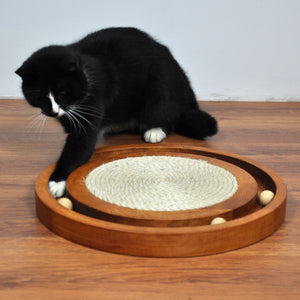
Credit: catscozyspace.com

Credit: www.amazon.com
Frequently Asked Questions
What Materials Are Best For Making Wood Cat Toys?
Use non-toxic, smooth wood like untreated pine or hardwood. Avoid toxic woods like cedar. Sand edges well for safety. Natural wood is durable and safe for cats to chew and play with.
How Do I Make A Safe Wooden Cat Toy?
Ensure all surfaces are smooth and splinter-free. Use pet-safe finishes or leave the wood natural. Avoid small parts that can be swallowed. Test the toy for stability before giving it to your cat.
Can I Add Catnip To Wooden Toys?
Yes, you can glue or carve a small compartment for catnip. This attracts cats and encourages play. Make sure the catnip is fresh and safe. Catnip enhances engagement with the wooden toy.
How Long Does A Wooden Cat Toy Usually Last?
Wooden cat toys can last months to years with proper care. Durability depends on the wood type and how vigorously your cat plays. Regularly inspect the toy for damage and replace if needed.
Conclusion
Making a wood cat toy is simple and fun. It keeps your cat active and happy. Use safe wood and smooth edges for safety. Add feathers or strings for extra play. You can customize the toy to fit your cat’s style.
Crafting your own toy saves money and feels rewarding. Your cat will enjoy the new, natural plaything. Try making one today and watch your pet smile. A little effort brings lots of joy.




Leave a Reply