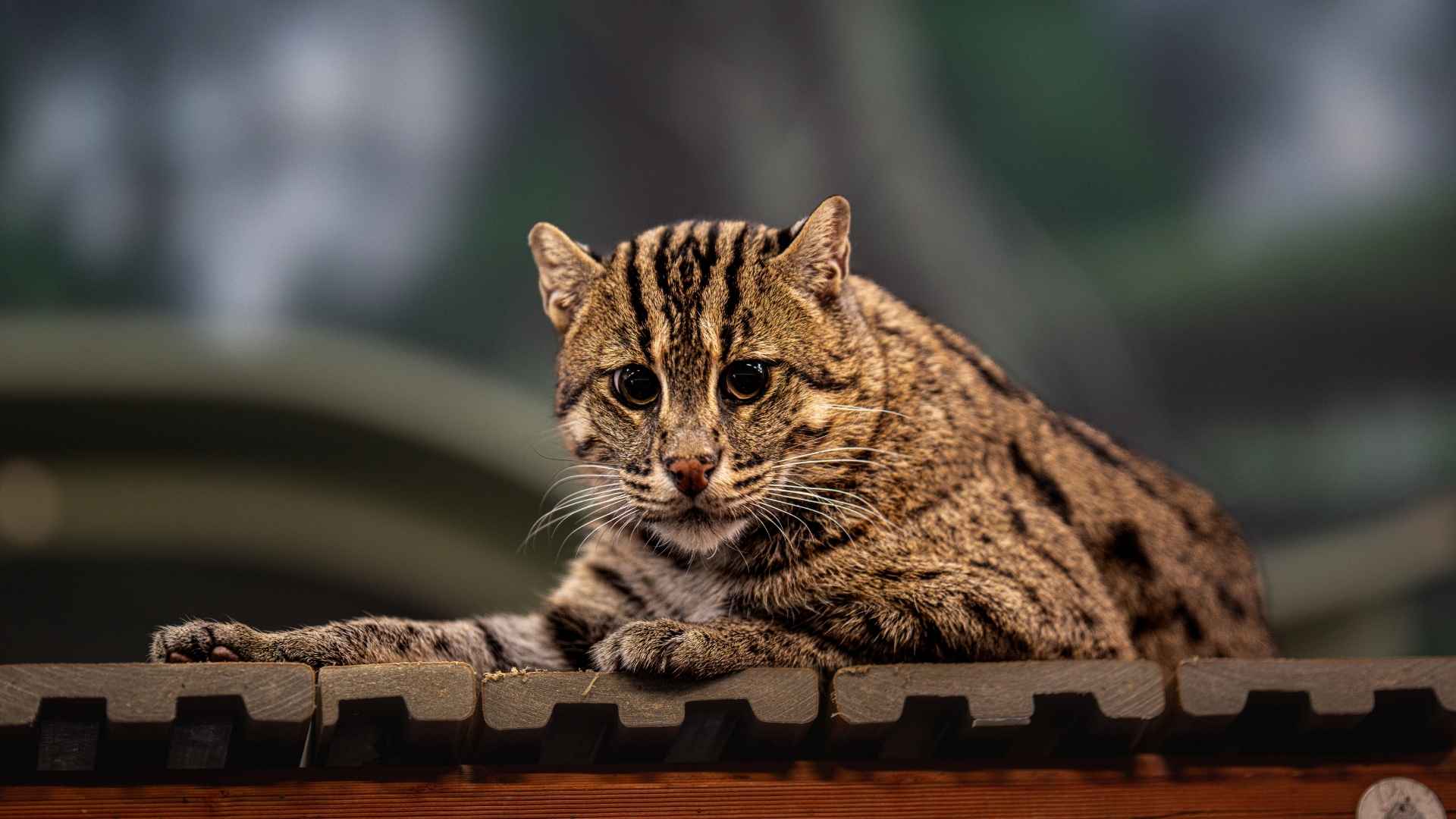
Have you ever wondered what makes certain cats stand out from the rest? Exotic cat breeds are not just about looks—they bring unique personalities and fascinating histories into your home.
If you’re curious about these rare and captivating feline friends, this article is made for you. By the end, you’ll know exactly what sets exotic cat breeds apart and why they might be the perfect companion for you. Keep reading to discover the charm and secrets behind these extraordinary cats!
Credit: worldanimalfoundation.org
Exotic Cat Breeds At A Glance
Exotic cat breeds capture attention with their unique looks and distinct personalities. They often stand out from common domestic cats due to their rare features and captivating charm. Understanding these breeds can help you decide if one fits your lifestyle and preferences.
What Defines An Exotic Cat Breed?
Exotic cat breeds are known for their unusual physical traits or origins. Some have striking coat patterns, unusual eye colors, or distinctive body shapes. These traits are often the result of careful breeding to highlight specific characteristics.
For example, the Exotic Shorthair looks like a short-haired Persian but with a plush, dense coat. This breed shows how a simple change in fur length can create a completely new appeal.
Popular Exotic Cat Breeds
- Exotic Shorthair:Soft, round face with a short, dense coat.
- Bengal:Wild leopard-like spots and an energetic personality.
- Sphynx:Hairless with wrinkled skin, known for being affectionate.
- Scottish Fold:Unique folded ears and a calm disposition.
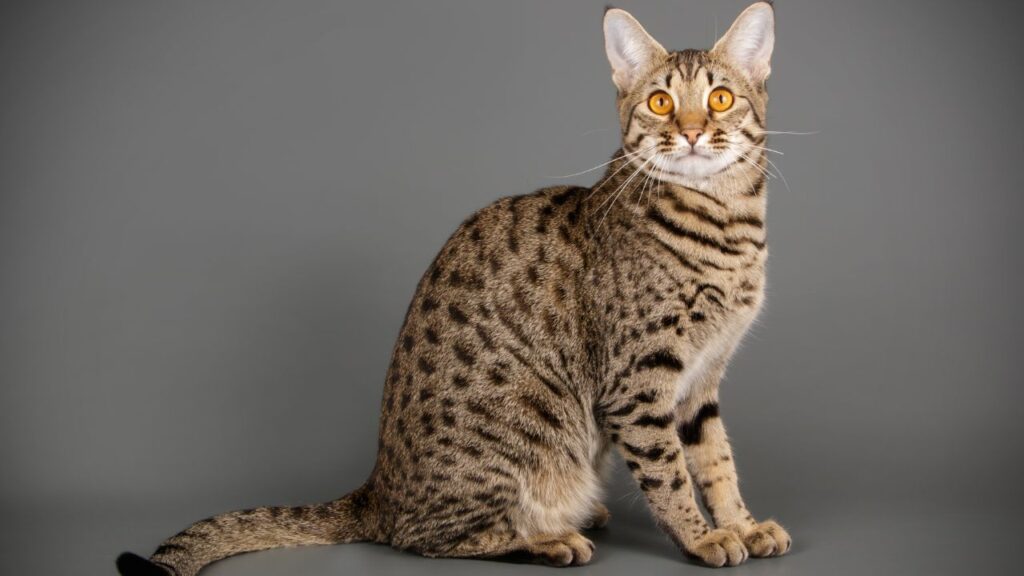
- Savannah:Tall, lean with spotted fur resembling a wild cat.
Each breed offers something special. Have you considered which traits matter most to you in a cat?
Why Choose An Exotic Cat?
Exotic cats often bring a sense of novelty and excitement. Their unusual looks can spark conversations and admiration. But beyond appearances, they require specific care and attention.
For instance, the Sphynx needs regular bathing due to its lack of fur. This might surprise you if you expect a low-maintenance pet. Are you ready to meet the unique needs of an exotic breed?
How To Care For Exotic Cats
Feeding, grooming, and health care can differ widely among exotic breeds. Some need special diets to support their energy levels or coat health. Others benefit from extra warmth or skin care.
Knowing your breed’s requirements helps you build a strong bond and keep your cat happy. Would you research a breed’s care before bringing one home?
Traits That Set Them Apart
Exotic cat breeds capture attention with traits that make them stand out in any room. Their unique characteristics go beyond looks, touching on behavior and personality that can surprise even seasoned cat lovers. Understanding what sets these breeds apart helps you appreciate their special charm and decide if one fits your lifestyle.
Distinctive Physical Features
Exotic cats often boast striking appearances that differ from common breeds. Their fur textures can range from plush and dense, like the Exotic Shorthair’s teddy bear coat, to sleek and shiny, seen in the Bengal’s leopard-like spots.
Some breeds display unusual body shapes or markings. The Sphynx, for example, is known for its hairless skin and wrinkled appearance, making it instantly recognizable. Meanwhile, the Scottish Fold’s folded ears add a distinctive silhouette that catches your eye.
These physical traits aren’t just about looks—they often influence care needs, such as grooming routines or temperature sensitivity. Have you considered how your daily care habits might change with a unique coat or body type?
Unique Personality Traits
Exotic cats bring intriguing personality traits that can differ greatly from typical domestic cats. Many are known for their playful nature combined with a calm demeanor, offering a perfect balance for families or individuals seeking companionship without high energy demands.
Some breeds, like the Siamese, are highly vocal and demand interaction, while others, such as the Burmese, prefer close bonding and affectionate behavior. Understanding these traits helps you connect better and meet their emotional needs effectively.
When choosing an exotic breed, think about your lifestyle. Do you want a chatty cat that keeps you company, or a more laid-back friend who enjoys quiet moments? Your choice shapes the relationship you’ll build with your pet.
Popular Rare Cat Breeds
Exotic cat breeds captivate with their unique looks and charming traits. While many adore the common domestic cat, rare breeds offer something extraordinary. These cats often have distinct features or unusual origins. Let’s explore some popular rare cat breeds that fascinate feline enthusiasts worldwide.
Bengal Cats
Bengal cats are known for their striking leopard-like spots. Their glossy coat shimmers in the light, adding to their allure. Bengals are energetic and love to climb and play. They are intelligent and require lots of mental stimulation. Bengal cats are a perfect choice for active households.
Sphynx Cats
Sphynx cats are famous for their hairless bodies and large ears. Their skin feels warm and soft to touch. Despite lacking fur, they have a charming personality. Sphynx cats are affectionate and enjoy human company. They thrive on attention and love to snuggle.
Scottish Fold
Scottish Folds are easily recognized by their unique folded ears. This distinct feature gives them a sweet, owl-like appearance. They are gentle and calm, making them great companions. Their playful nature ensures they remain a family favorite. Scottish Folds adapt well to different environments.
Savannah Cats
Savannah cats are a cross between domestic cats and servals. They boast a striking appearance with bold spots and tall ears. Known for their adventurous spirit, they love exploring and playing. Savannah cats are social and build strong bonds with their families. They require space to roam and explore.

Credit: talis-us.com
Care Tips For Exotic Cats
Exotic cat breeds bring a unique charm and personality to your home, but they also come with specific care needs. Understanding these needs helps you provide the best environment for your feline friend. Let’s look at essential care tips that keep your exotic cat happy and healthy.
Diet And Nutrition
Your exotic cat’s diet should be rich in protein and low in fillers. Many exotic breeds have active metabolisms, so high-quality cat food with real meat as the first ingredient works best.
Consider adding wet food to their meals; it helps with hydration and mimics their natural diet. Avoid foods with too many grains or artificial additives, which can lead to allergies or digestive issues.
Have you noticed your cat’s energy levels drop after certain meals? That could be a sign to adjust their diet to better suit their unique needs.
Grooming Needs
Exotic cats often have distinct coat types that require regular grooming. Short-haired breeds may only need weekly brushing, but long-haired or dense-coated cats need daily attention to prevent mats and tangles.
Bathing isn’t usually necessary unless your cat gets particularly dirty, but nail trimming and ear cleaning should be part of your routine. Regular grooming also helps you spot skin problems or parasites early.
Remember, grooming time is also bonding time. How do you make grooming a positive experience for your cat?
Health Considerations
Exotic cats can be prone to breed-specific health issues, such as respiratory problems or genetic disorders. Regular vet check-ups are crucial to catch any signs early.
Vaccinations, dental care, and parasite prevention should never be overlooked. Pay attention to subtle changes in your cat’s behavior or appetite—they often signal health problems before visible symptoms appear.
Have you ever caught a health issue early just by noticing something unusual in your cat’s routine? Staying observant is your best tool for keeping your exotic cat in top shape.
Choosing The Right Exotic Cat
Choosing the right exotic cat is a key step for a happy pet and owner. Each breed has its own needs and personality. Understanding these helps you find a cat that fits your home and lifestyle. This ensures a strong bond and less stress for both.
Matching Lifestyle And Breed
Exotic cats vary in energy, grooming, and social needs. Some breeds need lots of play and attention. Others prefer quiet and alone time. Consider how much time you can spend daily. Think about your home size and family members. This helps pick a breed that matches your life easily.
Adoption And Ethical Breeding
Choose cats from shelters or rescue groups first. They need loving homes and care. If buying, seek breeders who care about cat health. Ethical breeders follow strict rules and avoid overbreeding. Ask about health checks and living conditions. This protects the cat’s well-being and supports good practices.
Credit: worldanimalfoundation.org
Myths And Facts About Exotic Cats
Exotic cat breeds often spark curiosity and wonder. Many people have ideas about these cats that are not always true. Separating myths from facts helps us understand these beautiful pets better. This section explores common beliefs and truths about exotic cats.
Common Misconceptions About Exotic Cats
Many think exotic cats are wild and dangerous. Actually, most exotic breeds are friendly and gentle. They enjoy human company and can be great pets. Another myth is that exotic cats need special care. In truth, their care is similar to other cats.
Behavioral Traits: Myths Versus Reality
Some believe exotic cats are always active and noisy. Many exotic breeds are calm and quiet. People also assume they don’t adapt well to home life. Many exotic cats adjust easily and form strong bonds with owners.
Health And Lifespan Facts About Exotic Cats
There is a myth that exotic cats are unhealthy. While some breeds have specific health concerns, many live long, healthy lives. Regular vet visits and good care help keep them well. Their lifespan is often similar to regular domestic cats.
Exotic Cats And Their Interaction With Children
Some say exotic cats do not like children. Many exotic breeds are patient and playful with kids. They can be excellent family pets. Teaching children to respect cats improves their relationship greatly.
Frequently Asked Questions
What Defines An Exotic Cat Breed?
Exotic cat breeds are unique due to their rare appearance or origin. They often have unusual colors, patterns, or traits. These cats attract attention for their distinct looks and personalities. They are popular among cat lovers seeking something different from common breeds.
Are Exotic Cat Breeds Hypoallergenic?
Most exotic cat breeds are not hypoallergenic. They produce the same allergens as regular cats. However, some breeds may cause fewer allergic reactions due to less shedding or dander. Always spend time with a cat before adopting if allergies are a concern.
How Do Exotic Cat Breeds Differ In Personality?
Exotic cat breeds often have playful and affectionate temperaments. Many are social and enjoy human interaction. Their personalities can vary, but they generally adapt well to family life. Understanding each breed’s traits helps in choosing the right pet.
What Are The Care Needs Of Exotic Cats?
Exotic cats need regular grooming, balanced diet, and routine vet visits. Some breeds require special attention due to unique coat types or health risks. Proper care ensures they remain healthy and happy companions.
Conclusion
Exotic cat breeds bring unique beauty and charm to any home. They have special traits that make them stand out. These cats need love, care, and attention like all pets. Knowing their needs helps you give the best care possible.
Choosing an exotic cat means welcoming a loyal and playful friend. Their rare looks and gentle nature make them great companions. Enjoy learning about these fascinating cats and consider if one fits your life.




Leave a Reply