Have you ever watched your cat carefully cleaning every inch of its body and wondered, “Do cats groom their own nails too?” It’s a question many cat owners ask but few know the answer to. Your cat’s nails are important for their comfort and health, yet you might not realize how much effort they put into keeping them in shape.
If you want to understand your furry friend better and learn how to help them maintain healthy nails, keep reading. This article will reveal surprising facts about your cat’s nail care habits and what you can do to support them.
Cat Nail Anatomy
Understanding cat nail anatomy helps explain how cats care for their claws. Cat nails are not simple; they have a complex design. This design supports many of their natural behaviors like climbing, hunting, and scratching. Knowing the structure and growth of cat nails can help owners keep them healthy and prevent problems.
Structure Of Cat Claws
Cat claws are sharp and curved. They have a hard outer shell made of keratin. Inside, there is a soft tissue called the quick. The quick contains nerves and blood vessels. It is sensitive and can bleed if cut. Claws are retractable, meaning cats can pull them in or push them out. This keeps claws sharp and protects surfaces.
How Nails Grow
Cat nails grow from the base near the quick. New cells form here and push old cells forward. As the nail grows, it hardens and extends past the toe. Nails grow continuously and shed old layers naturally. Sometimes cats scratch surfaces to remove the outer nail layers. This helps keep nails sharp and clean.
Self-grooming Behavior
Cats are known for their meticulous self-care routines, and their grooming behavior is a key part of staying healthy and comfortable. You might wonder if this careful attention extends to their nails. Understanding how cats manage their own nail care can help you decide when and how to step in to assist them.
Typical Grooming Actions
Cats spend a large part of their day grooming themselves. They use their tongues to clean their fur, remove dirt, and even regulate body temperature. Grooming also helps cats bond with their environment and feel secure.
You may have noticed your cat licking its paws and then rubbing its face. This is a common grooming action that keeps sensitive areas clean. But do these actions include nail care? Not directly, but they are part of a broader self-maintenance routine.
Nail Care Habits
Cats naturally keep their nails in good condition through scratching. Scratching on surfaces like posts or furniture helps remove old nail sheaths and sharpens the claws. This instinctive behavior also provides exercise and stress relief.
Unlike dogs, cats don’t usually need you to trim their nails frequently if they have plenty of opportunities to scratch. However, if your cat is indoors with limited scratching options, you might notice their nails becoming overgrown. Have you seen your cat’s nails catching on fabric or furniture? That’s a sign they may need a little help.
Pay attention to your cat’s scratching habits and nail length. Providing scratching posts can encourage natural nail care. And if you decide to trim their nails yourself, start slowly and reward your cat to make the experience positive.
Mechanics Of Nail Grooming
Cats keep their nails healthy through a natural grooming process. Their nails grow continuously and need regular trimming to stay sharp and functional. Cats use a combination of teeth and scratching actions to manage the length and condition of their claws. This natural behavior helps prevent overgrowth and damage.
How Cats Use Their Teeth
Cats often nibble on their nails to trim loose or damaged parts. Their sharp teeth can bite off rough edges or broken tips. This action keeps nails smooth and prevents snagging on fabrics or skin. Cats usually focus on one claw at a time, carefully grooming each nail.
Scratching Surfaces Role
Scratching is a vital part of nail grooming. Cats scratch rough surfaces like trees, posts, or special pads to wear down their nails. This action removes old nail layers and sharpens the tips. Scratching also helps cats mark territory and stretch their muscles. Providing proper scratching posts supports this natural habit and promotes healthy nails.

Credit: www.purina.com
Why Nail Grooming Matters
Nail grooming plays a key role in a cat’s overall well-being. Cats use their nails for climbing, hunting, and defending. Keeping nails clean and trimmed helps cats stay comfortable and active. Ignoring nail care can lead to pain and infections. Understanding why nail grooming matters helps owners support their pets better.
Health Benefits
Proper nail care prevents painful issues for cats. Overgrown nails can curl and dig into the paw pads. This causes wounds and infections. Clean nails reduce the chance of bacteria buildup. Healthy nails help cats maintain good balance and agility. Groomed nails allow cats to scratch safely and naturally.
Preventing Nail Problems
Untrimmed nails often cause problems for cats. Long nails can break or split easily. Broken nails hurt and may bleed. Sharp nails may catch on fabrics or furniture. This can injure cats or damage homes. Regular grooming stops nails from growing too long. It also lowers the risk of nail infections and pain.
When Cats Need Help
Cats are known for their grooming habits, including maintaining their nails. Sometimes, they might need help. Cats don’t always manage their nail care perfectly. When they face issues, owners should step in.
Signs Of Nail Issues
Watch for signs of nail problems. A cat might limp or favor one paw. Check for nails that look long or curved. Broken or split nails may cause pain. Listen for clicking sounds as they walk.
How Owners Can Assist
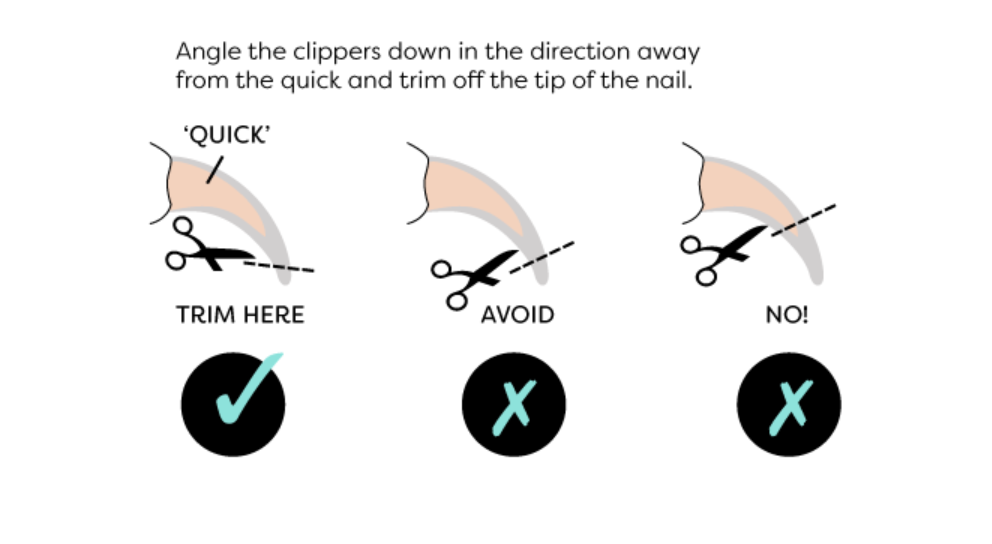
Help your cat with regular nail trims. Use clippers designed for cats. Trim nails when your cat is calm. Avoid cutting too close to the quick. If unsure, consult a vet for guidance.
- Use treats to make nail trimming positive.
- Gently hold their paw to examine nails.
- Offer a scratching post for natural nail wear.

Credit: www.latimes.com
Tips For Maintaining Cat Nails
Maintaining your cat’s nails keeps them healthy and prevents damage. Regular care avoids painful overgrowth and broken nails. It also protects your furniture and skin from scratches. Learning simple nail care tips helps both you and your cat stay comfortable.
Safe Trimming Techniques
Trim nails in a quiet, calm space to reduce stress. Hold your cat gently but firmly to prevent sudden moves. Use a sharp, clean trimmer designed for cats. Cut only the sharp tip, avoiding the pink quick inside the nail. Stop immediately if you see bleeding or your cat resists. Reward your cat with treats or praise after trimming. Check nails regularly to keep them at a safe length.
Best Tools For Nail Care
- Cat nail clippers: Small, sharp, and easy to handle.
- Guillotine-style trimmers: Good for precise cuts.
- Scissor-style clippers: Ideal for thick nails.
- Nail files or grinders: Smooth rough edges safely.
- Styptic powder: Stops bleeding if trimming goes too deep.
Choose tools that feel comfortable for you and your cat. Keep tools clean and sharp for best results.
Common Myths About Cat Nails
Cats are often seen as self-sufficient creatures, and many believe they manage all aspects of their grooming, including their nails. However, there are several myths surrounding how cats handle their claws that can mislead even the most attentive cat owners. Understanding these myths helps you better care for your feline friend’s paws and avoid unnecessary worries.
Nail Shedding Misconceptions
One common myth is that cats regularly shed their nails like snakes shed their skin. While cats do shed the outer layers of their claws, it’s a subtle process that you might miss unless you look closely. The old nail layer peels away as the new one grows underneath, which helps keep their claws sharp.
If you’ve ever found tiny claw shells on the floor, you might have wondered if your cat is losing nails or if something is wrong. Rest assured, this is a natural process. But if your cat’s nails are breaking off in chunks or bleeding, that’s a sign to consult your vet.
Debunking Overgrowth Fears
Many cat owners worry that their cats’ nails will grow too long and cause pain or injury if left ungroomed. While it’s true that indoor cats need regular nail trims, cats naturally wear down their nails through scratching and activity. Scratching posts and outdoor adventures usually help manage nail length.
If your cat isn’t scratching enough, their nails can become overgrown, which may lead to discomfort or even infection. You might notice your cat walking differently or catching claws on fabrics. In those cases, trimming nails or encouraging scratching behavior is important.
Have you ever checked your cat’s nails and wondered if they needed trimming? How often do you notice your cat scratching their posts or furniture? Paying attention to these signs can prevent nail problems before they start.

Credit: barkofthetownmobilegrooming.com
Frequently Asked Questions
Do Cats Groom Their Own Nails Regularly?
Yes, cats naturally groom their own nails by licking and scratching. This helps keep their claws clean and sharp. It also removes dirt and dead nail layers, maintaining healthy claws without human intervention.
How Do Cats Keep Their Nails Sharp Naturally?
Cats sharpen their nails by scratching surfaces like furniture or trees. This action removes the outer nail sheath and sharpens the claw underneath. It’s an instinctive behavior that also marks their territory visually and with scent glands.
Can Cats Over-groom Their Nails?
Yes, some cats may over-groom their nails due to stress or irritation. Excessive licking or biting can cause nail damage or infections. If you notice this behavior, consult a vet to rule out health issues.
Should Owners Trim Cats’ Nails If They Groom Themselves?
Yes, owners should still trim their cats’ nails occasionally. Grooming helps but doesn’t fully replace nail trimming. Regular trimming prevents overgrowth, reduces damage to furniture, and avoids accidental scratches.
Conclusion
Cats do groom their own nails by scratching and licking them. This keeps their claws sharp and clean. Sometimes, nails may need extra trimming from owners. Watching a cat’s grooming habits helps you understand their health. Healthy nails mean a happy cat.
Remember to check your cat’s claws regularly. Simple care keeps your cat comfortable and safe. Small steps make a big difference in pet care. Keep your furry friend’s nails neat and tidy. It shows love and care for your pet’s well-being.




Leave a Reply