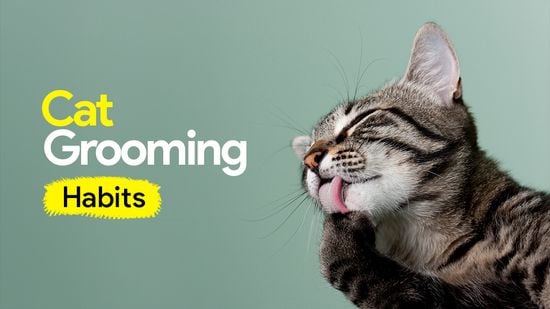
How often should you groom your cat? It might seem like the more, the better, but can too much grooming actually harm your furry friend?
You want your cat to look and feel great, but knowing the right balance is key. If you’re unsure whether you’re overdoing it or missing important signs, this article is for you. Keep reading to discover how much cat grooming is just right—and when it might be time to ease up for your cat’s health and happiness.

Credit: www.latimes.com
Cat Grooming Basics
Understanding the basics of cat grooming helps you keep your feline friend healthy and comfortable without overdoing it. Grooming is more than just brushing fur; it involves checking your cat’s overall condition and giving attention to areas that need care. Knowing the right balance between grooming too much and too little can save you and your cat from unnecessary stress.
Essential Grooming Tasks
Every cat needs a few key grooming activities to stay clean and healthy. These include brushing their coat, trimming their nails, cleaning their ears, and occasionally bathing them. Brushing removes loose fur and reduces hairballs, while nail trimming prevents scratches and injuries. Ear cleaning helps avoid infections, but it should be done gently and only when necessary.
Think about your cat’s breed and fur type—long-haired cats need more brushing than short-haired ones. Some cats dislike nail trimming, so use calm, slow movements to keep them comfortable. What signs does your cat give when they enjoy or dislike grooming? Paying attention to these clues can make grooming easier for both of you.
Recommended Grooming Frequency
How often you groom your cat depends on their coat type, age, and health. Most cats benefit from brushing at least once a week, but long-haired breeds might need daily attention. Nail trimming usually works best every two to three weeks, but watch for signs of overgrowth or discomfort.
Bathing cats is rarely needed unless they get unusually dirty or have a skin condition. Overbathing can strip natural oils and irritate their skin. If your cat starts avoiding you or shows stress during grooming, it might be time to reduce the frequency or change your approach.
Have you noticed changes in your cat’s behavior during grooming? Adjusting how often and how you groom can make a big difference in their comfort and your bond.

Credit: brooklynpetspa.com
Signs Of Over-grooming
Recognizing the signs of over-grooming in your cat is crucial to maintaining their health and happiness. Grooming is a natural behavior, but too much of it can signal stress or health issues. Watching for these signs helps you step in before problems get worse.
Behavioral Indicators
Over-grooming often shows up in your cat’s behavior first. You might notice your cat licking or biting the same spot repeatedly. This can happen more often than usual or last for long periods.
Does your cat seem restless or anxious? Over-grooming can be a coping mechanism for stress or boredom. You might also see your cat avoiding social interaction or hiding more than usual.
- Excessive licking or biting of fur
- Restlessness or pacing
- Hiding or avoiding people
- Frequent scratching at specific areas
Physical Symptoms
Physical signs of over-grooming are often easier to spot. Look for patches of missing fur or red, irritated skin. Your cat may develop sores or scabs where they groom too much.
Sometimes, the skin might look shiny or thickened from constant licking. If you see hairballs becoming more frequent, it could be a sign your cat is ingesting too much fur. These symptoms warrant a vet visit to rule out allergies or infections.
- Hair loss in patches
- Red, inflamed skin
- Sores or scabs
- Thickened or shiny skin
- Increased hairballs
Factors Influencing Grooming Needs
Caring for a cat’s coat is not a one-size-fits-all task. Several factors shape how much grooming your cat needs. Understanding these factors can help keep your cat healthy and comfortable.
Breed And Coat Type
Different breeds have different fur types. Long-haired cats need more brushing to prevent tangles. Short-haired cats require less frequent grooming. Some breeds shed heavily, needing regular care. Others have fine or curly coats, needing special attention.
Age And Health Conditions
Young cats groom themselves well and stay clean. Older cats may struggle to reach all areas. Illness or injury can reduce grooming habits. Skin problems or allergies might increase grooming needs. Regular checks help spot health issues early.
Lifestyle And Environment
Indoor cats usually stay cleaner with less dirt. Outdoor cats face more dirt, debris, and parasites. Active cats may need more grooming to remove debris. Stressful environments can affect grooming habits. A calm space supports better coat care.
Expert Grooming Tips
Proper grooming keeps your cat healthy and happy. It also prevents fur mats and skin problems. Expert tips can guide you to groom your cat safely and effectively. These tips help avoid over-grooming or hurting your cat.
Choosing The Right Tools
Select tools based on your cat’s fur type. Short-haired cats need a soft brush. Long-haired cats benefit from a wide-toothed comb. A slicker brush removes loose fur and tangles. Nail clippers designed for cats keep claws neat. Avoid using human grooming tools on cats.
- Soft brush for short fur
- Wide-toothed comb for long fur
- Slicker brush for mats and loose fur
- Cat-specific nail clippers
Safe Grooming Techniques
Start grooming in a calm, quiet place. Use slow, gentle strokes to avoid stress. Watch for signs of discomfort or agitation. Avoid pulling on knots or mats hard. Trim nails carefully to avoid cutting the quick. Clean ears with a soft, damp cloth only.
- Groom in a quiet, calm spot
- Use gentle, slow strokes
- Watch your cat’s reactions
- Do not pull on mats forcefully
- Trim nails carefully
- Clean ears gently
When To Seek Professional Help
Seek help if your cat has severe mats or skin problems. Professional groomers handle difficult fur safely. Cats with aggressive behavior may need expert grooming. Vets can treat skin infections or allergies. If unsure about grooming, consult a professional for advice.
- Severe mats or tangled fur
- Skin infections or irritation
- Aggressive or stressed cats
- Unclear about grooming methods
Balancing Grooming And Cat Comfort
Too much grooming can stress your cat and cause skin problems. Balance regular brushing with your cat’s comfort and mood. Pay attention to signs of irritation or dislike during grooming sessions.
Balancing Grooming and Cat Comfort Finding the right balance between grooming and keeping your cat comfortable is crucial. Over-grooming can lead to stress and even health issues, while under-grooming might result in matted fur and skin problems. The key is to understand your cat’s needs and preferences.Reading Your Cat’s Signals
Cats are excellent communicators, if you know how to listen. Pay attention to their body language during grooming sessions. If your cat’s ears are flat, tail is twitching, or they attempt to escape, it’s a signal they’re uncomfortable. Consider using treats or gentle petting to reassure them. A relaxed purr or gentle kneading often indicates they’re enjoying the grooming.Creating A Stress-free Grooming Routine
A calm environment can make a significant difference in your cat’s grooming experience. Choose a quiet space and use soft brushes that don’t pull or snag fur. Start with short sessions to avoid overwhelming your cat. Gradually increase the time as they become more comfortable. Consistency is key, so try to maintain a regular grooming schedule that aligns with your cat’s comfort level. Have you ever noticed how your cat responds differently to various grooming tools? Experiment to find what works best for them. Your cat’s comfort should always guide your grooming practices, ensuring they remain happy and healthy.Common Grooming Mistakes To Avoid
Grooming your cat is important, but mistakes can cause harm. Some common errors can irritate your cat’s skin or leave parts unclean. Avoiding these mistakes helps keep your cat healthy and happy. Pay attention to how much grooming is enough.
Over-brushing And Skin Irritation
Brushing too much can hurt your cat’s skin. It may cause redness, soreness, or even cuts. Cats with sensitive skin need gentler care. Use soft brushes and short sessions. Watch for signs of discomfort or irritation. Stop brushing if your cat tries to escape or shows pain.
Neglecting Problem Areas
Some spots need extra attention, like under the chin, behind ears, and near the tail. These areas can collect dirt and mats easily. Skipping them can lead to bad smells and skin problems. Be gentle and check these areas during every grooming session. Use a comb to remove tangles and dirt carefully.

Credit: pennypaws.com
Frequently Asked Questions
How Often Should I Groom My Cat?
Most cats benefit from grooming once or twice a week. Long-haired cats may need daily grooming to prevent mats and tangles. Over-grooming can irritate the skin, so balance is key for maintaining your cat’s coat health.
Can Grooming Too Much Harm My Cat’s Skin?
Yes, excessive grooming can cause skin irritation, redness, and dryness. It may also lead to hair loss or discomfort. Always watch for signs of stress or skin issues and reduce grooming frequency if needed.
What Are Signs Of Over-grooming In Cats?
Look for bald patches, redness, scabs, or constant licking. Over-grooming can indicate stress, allergies, or skin problems. Consult a vet if you notice these symptoms to address underlying causes promptly.
Is Professional Grooming Necessary For Cats?
Professional grooming is helpful for cats with thick or matted fur. It ensures thorough cleaning and trimming without causing injury. However, regular home grooming usually suffices for most cats.
Conclusion
Finding the right balance in cat grooming is key. Too much grooming can irritate your cat’s skin. Too little can cause mats and discomfort. Watch your cat’s behavior and skin closely. Regular, gentle grooming helps keep your cat healthy. Remember, every cat is different and needs care in its own way.
Keep grooming simple and consistent for the best results. Your cat will thank you with a happy purr.

Leave a Reply