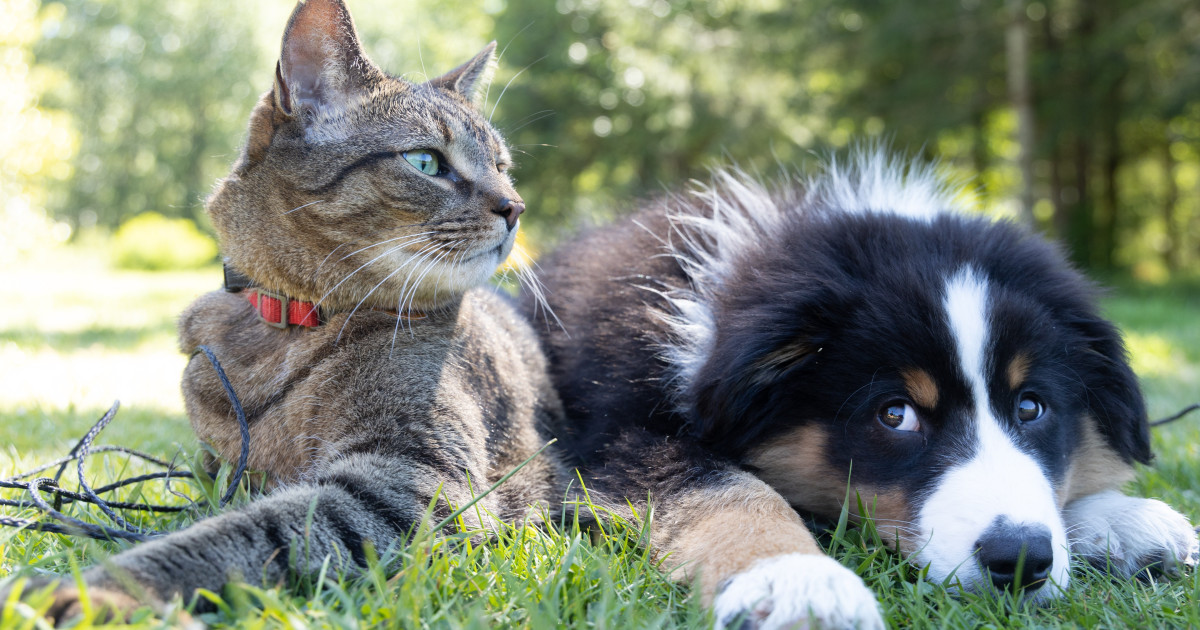
If you have a cat at home but dream of adding a large dog to your family, you’re probably wondering which big breeds can get along well with your feline friend. Choosing the right dog is important to keep your home peaceful and your pets happy.
You’ll discover which large dog breeds are known for being gentle and friendly with cats. By the end, you’ll feel confident about finding the perfect canine companion that fits your family’s needs. Keep reading to find out how to create a loving environment where both your dog and cat can thrive together.
Traits Of Cat-friendly Large Dogs
Large dogs that get along with cats share special traits. These traits help them live peacefully with feline friends. Understanding these traits helps choose the right dog for a home with cats. It also makes life easier for both pets and owners.
Temperament Factors
Cat-friendly large dogs have calm and gentle temperaments. They are patient and rarely show aggression. Such dogs remain relaxed around small animals. They often display curiosity without causing stress. A friendly attitude helps build trust between pets.
Socialization Importance
Early socialization is key for dogs and cats to bond. Dogs exposed to cats as puppies adapt better. Proper socialization teaches dogs to respect cats’ space. It reduces chasing and aggressive behaviors. Positive interactions create a peaceful household atmosphere.
Energy Levels And Compatibility
Matching energy levels helps dogs and cats live together well. Large dogs with moderate energy fit best with most cats. High-energy dogs may overwhelm shy cats. Calm dogs offer a stable environment for cats to feel safe. Balance in activity keeps both pets happy.
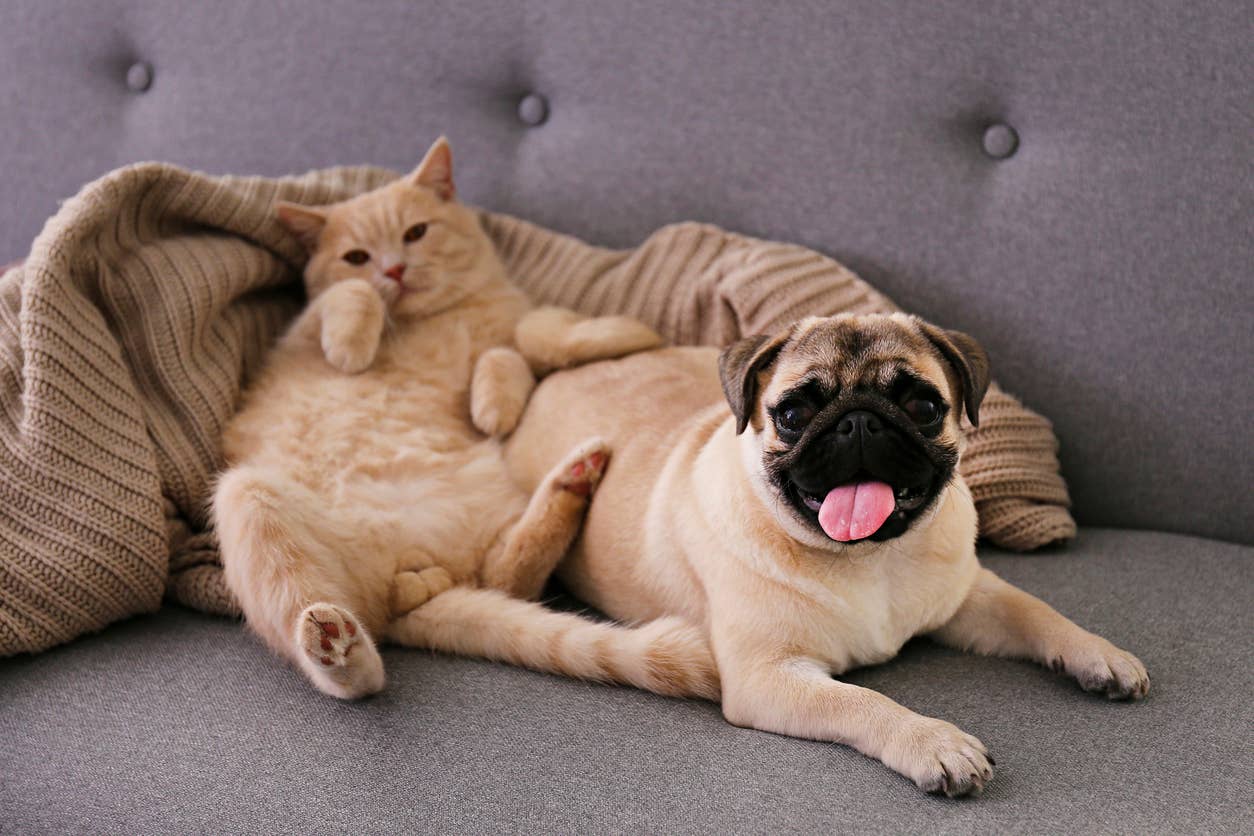
Credit: paradepets.com
Top Large Dog Breeds That Get Along With Cats
Choosing a large dog breed that lives peacefully with cats makes your home happier. Some big dogs have gentle natures that help them bond well with feline friends. These breeds often show patience and calmness, key traits for a cat-friendly dog.
Below are some top large dog breeds known for their friendly attitude toward cats. These breeds tend to accept cats and enjoy their company.
Golden Retrievers
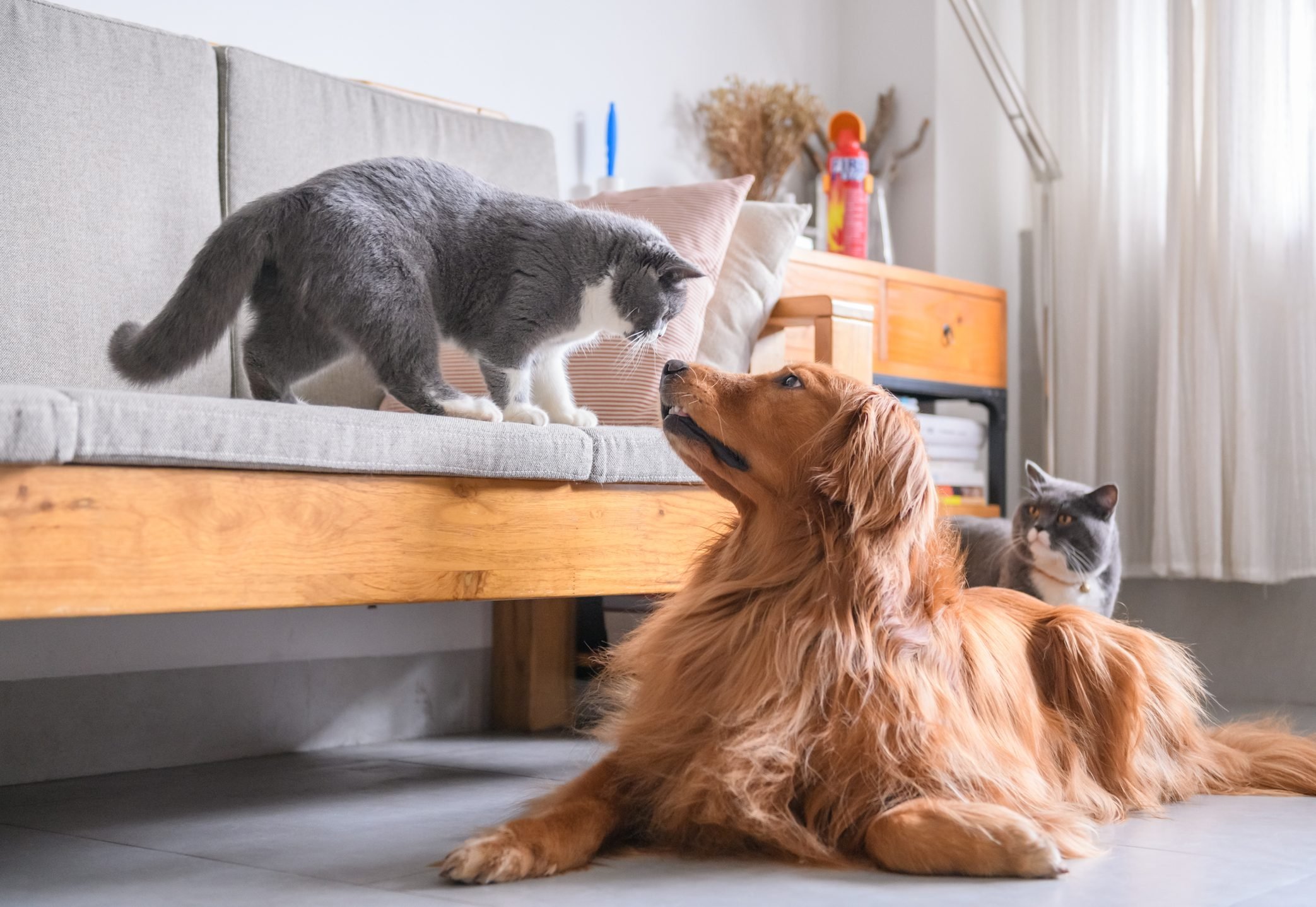
Golden Retrievers are famous for their friendly and gentle nature. They are patient with cats and rarely show aggression. Their calm demeanor helps cats feel safe and relaxed around them. Goldens are social dogs who enjoy being part of a family.
Labrador Retrievers
Labradors are kind and easygoing dogs. They often get along well with cats due to their friendly personality. Labs are playful but gentle, making them good companions for curious cats. Their loyalty makes them protective but not threatening.
Newfoundlands
Newfoundlands are large but gentle giants. They have a calm and patient attitude that suits homes with cats. These dogs are known for their sweet temperament and love for family members. Newfoundlands rarely disturb cats and often tolerate their antics.
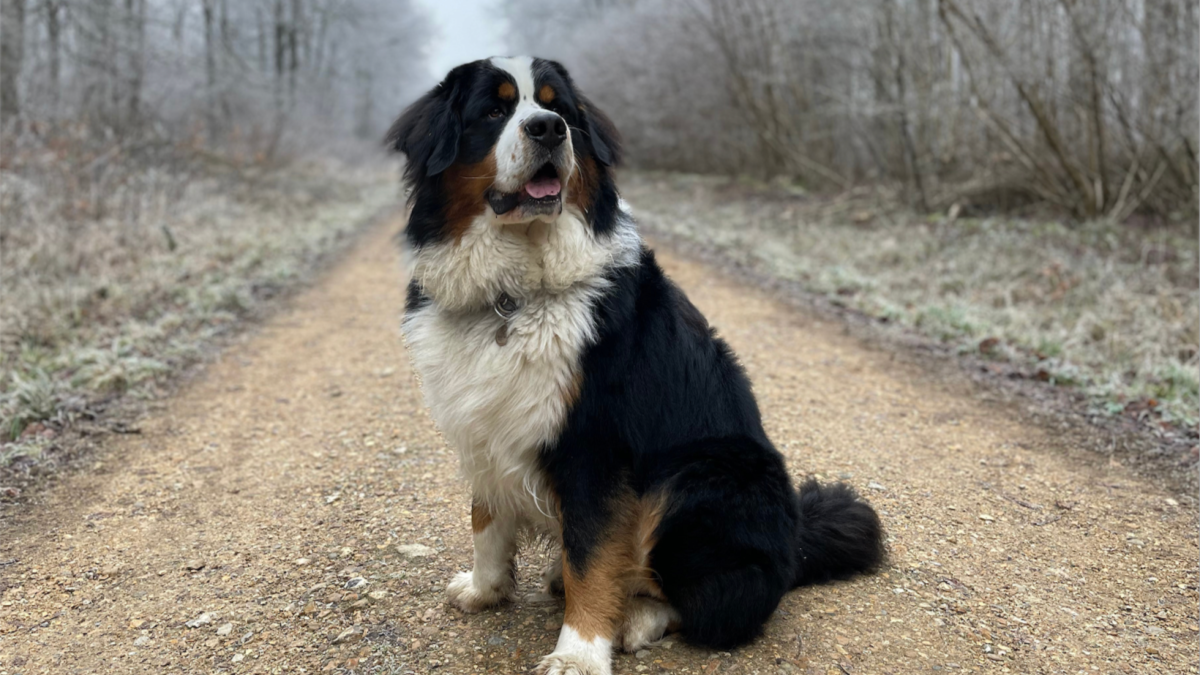
Bernese Mountain Dogs
Bernese Mountain Dogs are calm and affectionate. They usually accept cats without trouble. Their laid-back style helps cats feel comfortable and safe. Berners enjoy peaceful environments and are gentle with smaller animals.
Great Danes
Great Danes are tall but gentle dogs. Their calm and friendly nature makes them good with cats. They are protective but not aggressive, allowing cats to feel secure. Great Danes often form strong bonds with feline housemates.
Tips For Introducing Large Dogs To Cats
Introducing a large dog to your cat requires care and planning. Successful introductions can build a peaceful relationship between your pets. Here are some tips to help you make the process smoother and safer for both your dog and cat.
Safe Initial Meetings
Choose a neutral space for the first meeting to avoid territorial behavior. Keep your dog on a leash to control movements and prevent sudden lunges. Let your cat approach at their own pace—never force interaction.
Use treats and calm praise to reward both pets for relaxed behavior. Watch for signs of stress like hissing or growling, and be ready to separate them if needed. A calm, controlled first meeting sets the tone for future encounters.
Supervised Interactions
Even after the first meeting, always supervise interactions between your large dog and cat. Large dogs can unintentionally overwhelm cats with their size or energy. Keep sessions short and positive to prevent anxiety.
Use barriers like baby gates to allow them to see and smell each other safely. This helps build familiarity without direct contact. Gradually increase their time together as they show comfort and curiosity.
Patience And Persistence
Building trust takes time. Don’t rush the process, even if you’re eager for your pets to get along. Some dogs and cats may take weeks or months to adjust to each other.
Pay attention to small signs of progress, like relaxed body language or shared spaces without conflict. Have you noticed how your dog’s excitement changes when your cat is nearby? Use those moments as motivation to keep going.
Credit: pethelpful.com
Managing Coexistence In The Home
Managing coexistence between large dog breeds and cats requires thoughtful planning. Both animals need to feel safe and comfortable in their shared space. Clear boundaries and routines help reduce stress and prevent conflicts. Observing their interactions closely supports a peaceful home environment.
Creating Separate Spaces
Each pet needs a personal area to retreat. Cats often prefer high places or quiet corners. Dogs benefit from a cozy bed or crate in a calm spot. Separate feeding zones stop food guarding and reduce tension. Use baby gates or pet barriers to give cats escape routes. This setup encourages respect and independence for both pets.
Feeding And Playtime Strategies
Feed pets separately to avoid competition and fights. Keep dog and cat bowls in different rooms or far apart. Schedule play sessions to use up the dog’s energy. Toys for cats should be different from dog toys. Interactive play helps dogs focus and reduces chasing instincts. Positive playtime builds good associations between them.
Monitoring Behavior Changes
Watch for signs of stress or aggression from both pets. Changes in eating habits, hiding, or vocalizing indicate discomfort. Sudden growling or chasing may signal problems. Early detection allows quick action to prevent escalation. Reward calm and friendly behavior with treats and praise. Regular check-ins improve the bond between dog and cat.
Training Techniques For Harmony
Training techniques for harmony focus on patience and positive reinforcement. Large dog breeds like Golden Retrievers and Labradors can learn to coexist peacefully with cats through careful socialization. Consistent, gentle guidance helps build trust between pets.
Training large dog breeds to coexist peacefully with cats is a rewarding journey. The key is using the right techniques to foster a harmonious relationship. With patience and consistency, you can create a loving environment for both your dog and cat.Positive Reinforcement
Reward-based training creates a positive association between your dog and cat. Use treats, praise, or toys whenever your dog behaves calmly around the cat. This encourages your dog to repeat good behavior. Consistency is crucial. Ensure everyone in the household is on the same page with rewarding the dog. Over time, your dog will learn that calm interactions lead to rewards.Commands To Control Excitement
Teaching basic commands like “sit,” “stay,” and “leave it” can greatly help. These commands are tools to manage your dog’s excitement levels around the cat. Practice these commands in various settings to ensure your dog responds reliably. Regular short training sessions are more effective than long ones. They keep your dog engaged without overwhelming them. Imagine the relief of being able to call your dog to heel when the cat bolts across the room.Reducing Prey Drive
Some dogs have a natural prey drive that can be challenging when living with cats. Redirect this drive by engaging your dog in activities like fetch or tug-of-war. This satisfies their instinctual needs without involving the cat. Exercise is your best ally here. A tired dog is less likely to chase. Incorporate daily walks and play sessions to help expend their energy. Have you ever watched your dog and cat share a moment of mutual curiosity, with no chasing involved? It’s a sight that makes all your efforts worthwhile. With the right training techniques, you can enjoy more of those peaceful moments in your home.Potential Challenges And Solutions
Introducing a large dog to a home with cats can bring joy and companionship. Still, challenges may arise that need careful attention. Understanding these challenges and applying practical solutions helps create a peaceful environment for both pets. Patience and consistency play key roles in this adjustment period.
Dealing With Jealousy
Dogs may feel jealous when a new cat arrives. They want your attention and may act out. Cats can also feel threatened and hide or hiss. To ease jealousy, give both pets equal love and time.
- Spend time playing with your dog and cat separately.
- Offer treats to reward calm behavior around each other.
- Create special spots where each pet feels safe and loved.
Gradual introductions help reduce jealousy and build trust between pets.
Handling Aggression
A large dog’s size can intimidate cats. Some dogs may chase or bark aggressively. Cats may swipe or hiss in defense. Watch their body language closely to spot early signs of aggression.
- Keep the dog on a leash during initial meetings.
- Use baby gates to separate pets while they adjust.
- Teach basic commands like “sit” and “stay” to control your dog.
Professional training can also help manage aggressive behavior safely.
Adjusting To New Additions
Adding a dog or cat to your home changes routines. Pets may feel stressed or confused. New smells and sounds require time to get used to. Introduce new animals slowly and calmly.
- Let them explore each other’s spaces under supervision.
- Keep feeding areas separate to avoid food guarding.
- Provide plenty of toys to keep both entertained.
Consistent routines help pets feel secure during changes.
Credit: www.rd.com
Frequently Asked Questions
Which Large Dog Breeds Are Best With Cats?
Large breeds like Golden Retrievers, Labradors, and Newfoundlands are known to get along well with cats. They have gentle temperaments and patience, making them ideal companions for feline friends in a household.
How To Introduce A Large Dog To A Cat Safely?
Introduce them slowly in a controlled environment. Keep the dog on a leash at first. Allow the cat to approach on its own terms. Reward calm behavior from both pets to build positive associations.
Can Large Dogs And Cats Live Harmoniously Together?
Yes, many large dogs and cats can live peacefully with proper training and supervision. Early socialization and respect for each other’s space are key to a harmonious relationship.
Are Certain Large Dog Breeds Aggressive Towards Cats?
Some large breeds have a higher prey drive, but aggression depends on individual temperament and training. Breeds like Greyhounds or Huskies may chase cats, while others like Bernese Mountain Dogs are typically gentle.
Conclusion
Large dog breeds can live well with cats. Choosing a calm and friendly dog helps. Early introductions make friendships grow strong. Patience is key during the first meetings. Both pets need their own safe space. Training your dog to respect the cat is important.
Many big dogs enjoy the company of cats. Happy homes have pets that get along. Your effort brings peace and joy to both. A gentle giant can be a cat’s best friend.




Leave a Reply