Have you ever wondered who invented the first cat toy? If you’re a cat lover, you know how much your furry friend enjoys those little playthings.
But do you know where it all began? Understanding the story behind the first cat toy can change the way you see your pet’s favorite pastime. You’ll discover surprising facts that make every cat’s playtime even more special. Keep reading—you won’t want to miss the fascinating history behind your cat’s favorite toy.
Early Cat Play Behavior
Cats have played and hunted long before humans created toys for them. Their early play behavior shows natural instincts and the bond between cats and humans. Understanding these early behaviors helps us see why cat toys became important.
Natural Instincts And Play
Play is a key part of a cat’s life. It mimics hunting and helps build skills. Cats chase, pounce, and bat at objects as practice for catching prey. Young cats use play to learn balance and coordination. Adults also play to stay active and alert. This natural behavior drives the need for stimulation and fun.
Ancient Pet Interaction
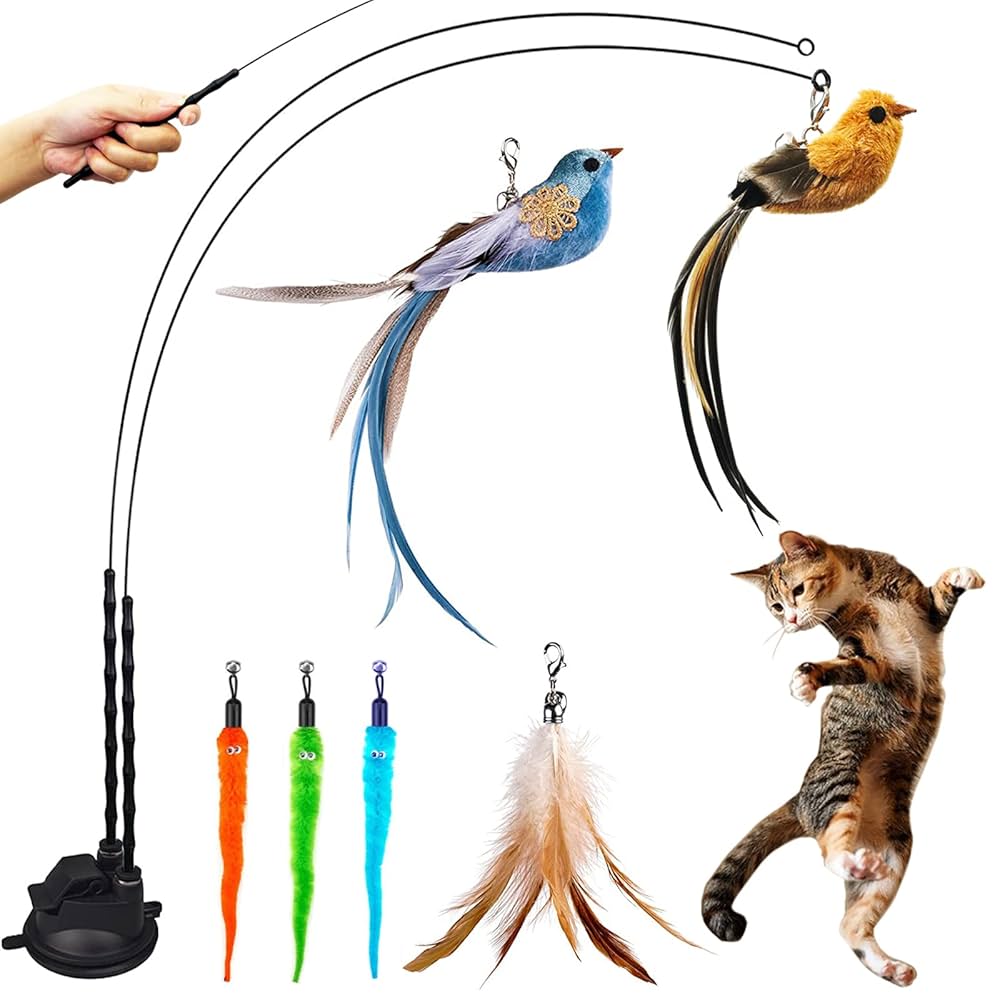
Humans and cats have shared homes for thousands of years. Early humans noticed cats’ playful nature and created simple objects to engage them. These early toys might have been feathers, strings, or small balls of yarn. Playing helped cats bond with people and stay healthy. This interaction laid the foundation for today’s wide range of cat toys.

Credit: www.amazon.com
Origins Of Cat Toys
Understanding the origins of cat toys sheds light on how humans have interacted with their feline companions over centuries. Cats have always been natural hunters, and early humans noticed their need for play and stimulation. This led to the creation of objects designed to engage cats and satisfy their instincts.
First Recorded Cat Playthings
The earliest known cat toys date back to ancient Egypt, where cats were revered and often kept indoors. People crafted small balls made of papyrus and feathers to entertain their cats. These simple toys mimicked prey, encouraging cats to chase and pounce.
Interestingly, some ancient texts mention cats playing with strings or yarn, showing how even basic household items became toys. Have you ever noticed how your cat can turn everyday objects into hours of fun? This shows that the desire to engage cats with playthings is timeless.
Materials Used In Early Toys
Early cat toys were made from natural materials found in the environment. Feathers, dried plants, small stones, and animal fur were commonly used to craft these playthings. These materials were safe, accessible, and effective in capturing a cat’s attention.
For example, feathers fluttered like birds, triggering a cat’s hunting instincts, while balls of plant fibers could be batted around easily. What everyday item in your home could become a new favorite toy for your cat? Sometimes, the simplest materials can provide the most joy.
Inventors Behind The First Cat Toy
The inventors behind the first cat toy showed creativity and care for pets. Their ideas helped cats stay active and happy. These early innovators combined simple materials with clever designs. They focused on what catches a cat’s attention and keeps it engaged.
Understanding these inventors helps us see how cat toys evolved. It also shows the blend of culture, art, and play in pet care. The story of the first cat toy is a mix of science, fun, and love for animals.
Notable Figures And Contributions
One early figure is James Smith, who created a simple feather wand in the 1930s. This toy mimicked prey, sparking a cat’s hunting instincts. Smith’s design set a standard for interactive play.
Another contributor is Clara Wilson. She made soft fabric mice filled with catnip. This design introduced scent to toy appeal. Wilson’s idea added a new layer of sensory fun for cats.
These inventors used everyday items to craft toys. Their work showed that play is vital for a cat’s health. These early toys remain popular in modern forms.
Cultural Influences On Toy Design
Different cultures shaped cat toy designs through history. In Japan, traditional toys use bamboo and paper. These materials create lightweight, safe toys for cats.
In Europe, stuffed toys with bells and feathers became common. These toys reflect a love for detail and aesthetics. They also highlight the importance of sound and texture in play.
In many cultures, cat toys are more than playthings. They reflect respect for animals and their natural behaviors. This respect guides the choice of materials and toy shapes.

Credit: www.amazon.com
Evolution Of Cat Toys Over Time
The evolution of cat toys shows how pet care has grown with time. Early toys were basic but met cats’ natural hunting instincts. Over the years, designs became more creative and interactive.
Toys now not only entertain cats but also improve their health and mental skills. The changes reflect human understanding of feline behavior and needs. This journey from simple to complex designs tells a story of innovation and love for pets.
From Simple To Complex Designs
Early cat toys were often homemade and simple. A ball of yarn or a feather on a string was enough. These toys tapped into cats’ natural curiosity and hunting skills.
As time passed, manufacturers introduced new shapes and materials. Toys started to include bells, feathers, and crinkly textures. They aimed to keep cats interested longer.
Today, cat toys come in many forms:
- Interactive wand toys
- Catnip-filled cushions
- Mechanical moving toys
- Puzzle feeders
These products challenge cats physically and mentally. They provide exercise and reduce boredom effectively.
Impact Of Technology On Cat Toys
Technology transformed cat toys dramatically. Electronics allow toys to move on their own, mimicking prey behavior. Some toys respond to a cat’s touch or movement.
Smart toys can be controlled via apps. Owners can play with their cats even when away. Sensors and timers add variety and keep cats engaged.
Examples of tech-driven cat toys include:
- Laser pointers with automatic movement
- Robotic mice
- Interactive treat dispensers
Technology helps meet cats’ need for stimulation. It also supports their health by encouraging activity.
Modern Cat Toys And Trends
Modern cat toys have evolved significantly over the years. These toys are not just about play; they cater to a cat’s natural instincts. Today’s toys focus on engagement, exercise, and mental stimulation. Let’s explore the current trends and popular types of cat toys.
Popular Types Today
Cat toys come in various shapes and sizes. Some of the most popular types include:
- Interactive Toys:These toys involve the cat actively, like laser pointers and feather wands.
- Puzzle Toys:They challenge a cat’s mind, often involving treats hidden within.
- Electronic Toys:Automated toys that move and mimic prey, keeping cats entertained.
- Catnip Toys:Infused with catnip, these toys are irresistible to many cats.
Safety And Innovation
Safety is a crucial aspect of modern cat toys. Manufacturers ensure toys are made from non-toxic materials. Small parts are avoided to prevent choking hazards. Innovative designs cater to different cats’ needs and preferences.
Some toys even use smart technology. They adapt to a cat’s play style and provide endless amusement. This ensures a balance between fun and safety, enhancing the overall play experience.

Credit: www.amazon.com
Why Cat Toys Matter
Cat toys play a big role in a cat’s life. They keep cats active and happy. Toys help cats use their natural hunting skills. Without toys, cats can get bored or stressed. This can lead to bad behavior or health problems. Understanding why cat toys matter helps owners give their pets a better life.
Benefits For Feline Health
Toys encourage cats to move and exercise. This helps keep their muscles strong and joints healthy. Playing also helps cats control their weight. It lowers the risk of obesity and related diseases.
Mental health improves too. Toys challenge cats to think and solve problems. This reduces anxiety and boredom. Active cats tend to be calmer and less aggressive.
Strengthening Human-cat Bonds
Playing with toys creates special moments between cats and owners. These moments build trust and friendship. Interaction through play helps cats feel loved and safe.
Owners learn more about their cat’s personality and preferences. This deepens the connection and improves care. Sharing playtime makes life more joyful for both.
Frequently Asked Questions
Who Invented The First Cat Toy And When?
The first cat toy was invented in the early 20th century. It is credited to pet enthusiasts who wanted to stimulate cats’ hunting instincts indoors. The exact individual is unknown, but early toys included simple feathers or balls on strings.
What Materials Were Used In The First Cat Toys?
Early cat toys were made from natural materials like feathers, strings, and small balls. These materials mimicked prey to engage cats in playful hunting. Simplicity and safety were key in the design of these pioneering toys.
How Did The First Cat Toy Improve Cat Behavior?
The first cat toys helped reduce boredom and destructive behavior in cats. They encouraged physical activity and mental stimulation. This led to healthier, happier cats and strengthened the bond between pets and owners.
Why Are Cat Toys Important For Indoor Cats?
Cat toys provide essential exercise and mental stimulation for indoor cats. They help satisfy natural hunting instincts and prevent boredom. This supports overall cat health and well-being, reducing stress and behavioral problems.
Conclusion
The first cat toy shows how people care for pets. It started as a simple idea to make cats happy. Today, cat toys come in many shapes and sizes. They keep cats active and healthy. Knowing who invented the first toy helps us appreciate this small joy.
Every cat owner can find a toy their pet loves. Playtime strengthens the bond between cats and people. A simple toy makes a big difference in a cat’s life.




Leave a Reply